Can Botanicalm PM Help Manage Sleep Disturbances and Hyperarousal in Long COVID?
March 6, 2026
Botanicalm PMLong COVIDSleep Disturbances
Share:
Disclaimer: The information provided here is for educational purposes only and is not intended as medical advice. It should not be used to diagnose, treat, cure, or prevent any medical condition. Instead, use it as a starting point for discussion with your healthcare provider. Always consult with a qualified healthcare provider before starting any new medication, supplement, device, or making changes to your health regimen.
For many individuals living with complex chronic conditions, the night brings a unique kind of dread. You are utterly exhausted—your body aches, your cognitive reserves are depleted, and your energy is entirely spent. Yet, the moment your head hits the pillow, your brain suddenly switches into overdrive. Your heart races, your thoughts loop relentlessly, and your nervous system feels like a live wire. This paradoxical state, often described by patients as feeling "wired but tired," is a hallmark of the severe sleep disturbances that accompany post-viral syndromes. When you are desperately trying to recover, the inability to achieve restorative sleep can feel like a cruel joke, trapping you in a vicious cycle of fatigue and hyperarousal.
In the wake of the COVID-19 pandemic, researchers and clinicians have begun to unravel the biological mechanisms behind these profound sleep disruptions. We now understand that this is not simply a matter of poor sleep hygiene or psychological stress; it is a physiological manifestation of neuroinflammation, autonomic nervous system dysfunction, and severe neurotransmitter imbalances. Specifically, the brain's primary calming chemical—gamma-aminobutyric acid (GABA)—is often depleted or dysregulated. Addressing this neurological imbalance is critical for recovery. This is where targeted, science-backed botanical interventions come into play. Botanicalm PM is formulated to directly support GABA activity, counteract central nervous system overstimulation, and promote the deep, restorative sleep that is so elusive for those battling chronic illness.
TL;DR
Post-viral sleep issues often stem from a "wired but tired" state driven by GABA depletion and neuroinflammation.
Botanicalm PM uses targeted botanical extracts to support GABA activity and promote relaxation.
Ingredients like valerian root and L-theanine may help lower sleep latency and support deep sleep.
Supplements work best alongside proper sleep hygiene and a comprehensive chronic illness management plan.
What is Botanicalm PM?
A Synergistic Approach to Sleep Support
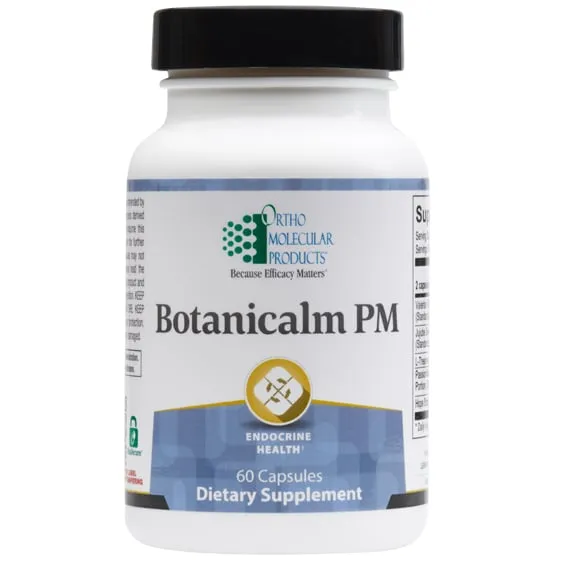
Botanicalm PM is a specialized, practitioner-grade supplement designed to support the profound relaxation necessary for restorative sleep, particularly for individuals experiencing temporary sleeplessness, overstimulation, and restlessness. Unlike conventional over-the-counter sleep aids that rely heavily on synthetic antihistamines or high-dose melatonin, Botanicalm PM utilizes a synergistic blend of well-researched herbal extracts and amino acids. Each two-capsule serving delivers a precise combination of 450 mg of valerian root extract, 200 mg of jujube seed extract, 150 mg of passionflower extract, 150 mg of L-theanine, and 100 mg of hops strobile extract. This formulation is not designed to forcefully depress the central nervous system; rather, it aims to gently restore the brain's natural inhibitory pathways, allowing the body to transition organically from a state of high alert to one of deep rest.
The philosophy behind this supplement is rooted in the understanding that true, restorative sleep cannot be achieved if the brain remains in a state of biochemical hyperarousal. By combining multiple botanical agents that target different aspects of the sleep-wake cycle, Botanicalm PM offers a comprehensive approach to sleep architecture. The ingredients work in concert to help lower sleep latency (the time it takes to fall asleep), reduce nighttime awakenings, and extend the duration of slow-wave, deep sleep. For patients navigating the complexities of Long COVID: Sleep Changes and Disturbances, this multi-pathway approach is often far more effective than relying on a single mechanism of action.
The Role of GABA in the Nervous System
To understand how Botanicalm PM works, it is essential to understand the role of gamma-aminobutyric acid (GABA). GABA is the most prominent inhibitory neurotransmitter in the human central nervous system. Its primary function is to act as a crucial "brake" on the brain, slowing down overactive neuronal firing and counterbalancing excitatory neurotransmitters like glutamate. In a healthy, well-functioning nervous system, GABA activity naturally increases in the evening. This rise in GABAergic signaling dampens the brain's response to external stimuli, lowers the heart rate, reduces muscle tension, and essentially signals to the body that it is safe to initiate the sleep cycle.
When GABA levels are optimal, the transition into sleep is smooth and seamless. The neurotransmitter binds to specific receptors (primarily GABA-A receptors) on the surface of neurons. This binding opens ion channels, allowing negatively charged chloride ions to flood into the cell. This influx of negative charge hyperpolarizes the neuron, making it significantly less likely to fire an electrical impulse. This cellular silencing is what we experience macroscopically as relaxation, calmness, and eventually, sleep. However, when this system is disrupted by chronic illness, the brain loses its ability to self-soothe, leading to a state of chronic excitation.
Counteracting the "Wired but Tired" State
For individuals with dysautonomia, myalgic encephalomyelitis/chronic fatigue syndrome (ME/CFS), or Long COVID, the "wired but tired" feeling is a direct result of this GABAergic failure combined with sympathetic nervous system overdrive. The body is physically exhausted, but the brain is chemically stimulated. Botanicalm PM is specifically formulated to help counteract this exact physiological state. By providing the brain with compounds that mimic, enhance, or protect GABA, the supplement helps to manually engage the neurological brakes that the illness has disabled.
Furthermore, the ingredients in Botanicalm PM do more than just support GABA; they also help to modulate the brain's electrical activity. By promoting the generation of alpha brain waves—the electrical frequencies associated with wakeful relaxation and meditation—the formula helps to quiet the racing thoughts and mental rumination that so often plague patients when they lie down in bed. This dual action of chemical inhibition (via GABA) and electrical calming (via alpha waves) provides a robust defense against the overstimulation that characterizes complex chronic conditions, offering a pathway back to healthy sleep patterns.
How Long COVID and ME/CFS Impact Sleep and GABA
Cortical Hyperexcitability and the Hyperarousal Phenotype
Sleep disturbances are among the most frequently reported, yet least understood, neurological symptoms in post-viral syndromes. A retrospective analysis by the Cleveland Clinic examining nearly a thousand adult Long COVID patients found that over 41% suffered from moderate to severe sleep disturbances. However, the nature of this insomnia is highly specific. A recent observational study in Japan revealed that among Long COVID patients with sleep issues, a staggering 75% complained specifically of a loss of sleep induction. This inability to initiate sleep points directly to a state of central nervous system hyperarousal, rather than standard fragmented sleep. The brain is trapped in a state of cortical hyperexcitability, unable to power down even when the body is entirely depleted.
This hyperarousal phenotype is intimately connected to the autonomic nervous system dysfunction frequently seen in these patient populations. In conditions like postural orthostatic tachycardia syndrome (POTS) and ME/CFS, the sympathetic nervous system (the "fight or flight" branch) is chronically overactive, while the parasympathetic nervous system (the "rest and digest" branch) is suppressed. This autonomic imbalance floods the body with stress hormones like adrenaline and noradrenaline, keeping the brain on high alert. When patients try to sleep, this sympathetic dominance manifests as racing heart rates, night sweats, and an intense feeling of inner restlessness, making restorative sleep biologically impossible. Understanding What Causes Long COVID? requires looking closely at this autonomic and neurological dysregulation.
Neuroinflammation and the GABA Deficit
The root cause of this cortical hyperexcitability lies in severe neurotransmitter imbalances, specifically a profound deficit in GABA. Recent advanced neuroimaging studies have provided concrete evidence for this phenomenon. A pivotal 1H-MRS (Proton Magnetic Resonance Spectroscopy) neuroimaging study published in Brain Sciences examined the brains of young adults suffering from Long COVID. The researchers discovered that the Long COVID group had significantly lower cortical GABA levels in the occipital cortex compared to healthy controls. Crucially, this reduction in GABA strongly correlated with severe sleep disturbances and clinical depression, proving that a physical lack of this calming neurotransmitter is driving the insomnia.
This GABA deficit is largely driven by neuroinflammation. When the immune system responds to a viral infection like SARS-CoV-2, it releases pro-inflammatory cytokines (such as IL-6) that can cross the blood-brain barrier. Once inside the brain, these inflammatory markers disrupt normal neurotransmitter synthesis. They actively suppress the production of GABA while simultaneously increasing the levels of glutamate, the brain's primary excitatory neurotransmitter. This creates a dangerous "excitation/inhibition imbalance." The brain is flooded with stimulating signals but lacks the inhibitory GABA needed to quiet them down, resulting in the severe hyperarousal and cognitive "brain fog" that patients experience daily.
The Gut-Brain Axis and Neurotransmitter Disruption
The disruption of sleep in chronic illness is also deeply tied to the gut-brain axis. Viral infections frequently cause severe dysbiosis—an imbalance in the gut microbiome. Healthy gut flora are responsible for producing Short-Chain Fatty Acids (SCFAs) like butyrate, which are vital for modulating sleep and GABA production . When the microbiome is damaged, the production of these essential SCFAs plummets. This deficiency indirectly inhibits GABA secretion in the brain and further elevates excitatory glutamate levels, fueling the cycle of insomnia and hyperarousal.
Additionally, mitochondrial dysfunction plays a critical role in this process. Mitochondria are the energy powerhouses of our cells, but they are also deeply involved in neurotransmitter metabolism. A specific metabolic pathway known as the "GABA shunt" relies on healthy mitochondria to produce GABA. In ME/CFS and Long COVID, mitochondrial impairment is a core feature of the illness. When the mitochondria fail, the GABA shunt is disrupted, starving the brain of its primary calming chemical. This complex web of neuroinflammation, gut dysbiosis, and mitochondrial failure highlights exactly why patients cannot simply "relax" their way into sleep, and why targeted interventions that support GABA pathways are so essential for those wondering Can Long COVID Trigger ME/CFS? Unraveling the Connection.
Botanicalm PM: Supporting Sleep and Relaxation
Valerian Root and GABA-A Receptor Modulation
Botanicalm PM utilizes a highly standardized valerian root extract (containing 0.8% valerenic acids) to help address the GABA deficits seen in chronic illness. Valerian root (Valeriana officinalis) is one of the most extensively studied botanical agents for sleep architecture. Its primary bioactive compounds, sesquiterpenes known as valerenic acids, act as powerful positive allosteric modulators of the GABA-A receptor. While prescription sedatives like benzodiazepines bind to the gamma subunit of this receptor, valerenic acid specifically targets the beta subunit . When valerenic acid binds here, it forces the receptor's chloride channels to stay open longer, flooding the neuron with negative ions and inducing a profound state of cellular hyperpolarization and sedation.
Beyond receptor modulation, valerian root helps protect the GABA that your brain is already producing. It inhibits the enzymatic breakdown (catabolism) of GABA in the synaptic cleft, allowing the calming neurotransmitter to linger longer and exert a stronger inhibitory effect. Furthermore, recent pharmacological research has revealed that valerenic acid acts as a positive allosteric modulator for the Adenosine A1 receptor . Adenosine is the chemical that naturally builds up in our brains throughout the day to create "sleep pressure." By enhancing adenosine binding, valerian root helps to restore the natural drive to sleep that is often lost in the hyperarousal states of dysautonomia and Long COVID.
Jujube Seed Extract and Deep Sleep Extension
Jujube seed extract (Ziziphus jujuba) is a cornerstone of traditional medicine that modern science has validated for its powerful sleep-enhancing properties. The active compounds in jujube are triterpenoid saponins known as jujubosides (specifically Jujuboside A and B). These compounds work synergistically with valerian by helping to further enhance the GABAergic system. Studies demonstrate that Jujuboside A significantly increases the mRNA expression of the α1, α5, and β2 subunits of the GABA-A receptor . This structural upregulation makes the brain more receptive to whatever GABA is available, amplifying the calming signals needed to initiate sleep.
What makes jujube seed extract particularly valuable for ME/CFS and Long COVID patients is its specific impact on sleep architecture. Preclinical studies indicate that jujube extract predominantly extends the duration of non-rapid eye movement (NREM) sleep, specifically the slow-wave, deep sleep phases . This is the most physically restorative phase of the sleep cycle, where tissue repair occurs, immune function is modulated, and the brain clears out metabolic waste. Because patients with post-viral syndromes often suffer from unrefreshing sleep—waking up feeling just as exhausted as when they went to bed—extending this deep sleep phase is critical for true physiological recovery.
Passionflower, Chrysin, and Partial Agonism
Passionflower extract (Passiflora incarnata) is included in Botanicalm PM for its potent anxiolytic (anti-anxiety) and nervous system-calming effects. The therapeutic power of passionflower lies in its high concentration of specific flavonoids, most notably chrysin. Chrysin interacts directly with the central benzodiazepine (BZ) binding site on GABA-A receptors. However, unlike pharmaceutical drugs that act as full agonists and forcefully depress the nervous system, chrysin acts as a partial agonist . This is a crucial distinction. It means that passionflower may enhance GABAergic inhibition and reduce neuronal hyperexcitability without causing the heavy sedation, muscle relaxation, or morning "hangover" effect typical of synthetic sleep medications.
The efficacy of this mechanism has been rigorously validated in laboratory settings. When researchers administer compounds like flumazenil (a benzodiazepine antagonist) or picrotoxin (a GABA channel blocker), the calming effects of passionflower and chrysin are completely neutralized . This proves that passionflower relies entirely on the brain's natural GABA pathways to exert its benefits. By acting as a gentle, partial agonist, passionflower helps to quiet the racing thoughts and physical restlessness of the "wired but tired" state, allowing patients to drift into sleep naturally rather than being chemically knocked out.
L-Theanine and Alpha Brain Wave Generation
L-theanine is a unique, non-protein amino acid originally found in green tea leaves that plays a vital role in the Botanicalm PM formula. While the other botanical extracts focus heavily on GABA receptors, L-theanine operates through a multi-faceted neuropharmacological approach. Structurally, L-theanine is very similar to glutamate, the brain's primary excitatory neurotransmitter. Because of this similarity, L-theanine can bind to glutamate receptors (including NMDA, AMPA, and kainate receptors) and block them. By acting as a glutamate antagonist , L-theanine may help reduce the overstimulation of brain cells, directly combating the excitation/inhibition imbalance seen in Long COVID.
Simultaneously, L-theanine is famous for its ability to alter the brain's electrical activity. Electroencephalogram (EEG) scans have consistently shown that taking L-theanine significantly increases the generation of alpha brain waves (8–13 Hz) within 30 to 45 minutes of ingestion. Alpha waves are the electrical frequencies associated with a state of "wakeful relaxation," similar to deep meditation or the quiet moments right before falling asleep. By boosting alpha waves, increasing GABA production, and elevating serotonin (the precursor to melatonin), L-theanine helps create a state of calm focus that transitions beautifully into restorative sleep, making it an invaluable tool for those wondering What Drugs Are Used for COVID Long Haulers? and seeking natural alternatives.

Symptoms Botanicalm PM May Help Manage
Targeting Neurological and Autonomic Symptoms
Prolonged Sleep Latency: By acting as a partial agonist at GABA-A receptors and boosting alpha brain waves, the ingredients in Botanicalm PM help quiet racing thoughts and reduce the time it takes to transition from wakefulness to sleep.
The "Wired but Tired" Sensation: L-theanine's ability to block excitatory glutamate receptors helps combat the cortical hyperexcitability and hyperarousal that trap patients in a state of physical exhaustion combined with neurological overstimulation.
Nighttime Restlessness and Agitation: Passionflower and valerian root work synergistically to help dampen central nervous system hyperactivity, reducing the physical tossing, turning, and nervous energy that often accompany dysautonomia and sympathetic overdrive.
Autonomic Night Sweats and Palpitations: By supporting the inhibitory GABAergic system, this formula helps to counterbalance the "fight or flight" sympathetic dominance, which may indirectly help calm the autonomic nervous system and reduce nocturnal adrenaline surges.
Addressing Sleep Architecture and Quality
Unrefreshing Sleep (Non-Restorative Sleep): Jujube seed extract has been shown in preclinical models to specifically extend the duration of slow-wave, deep sleep, which is the critical phase required for physical tissue repair, immune modulation, and waking up feeling actually rested.
Frequent Nighttime Awakenings: Valerian root may inhibit the breakdown of GABA in the brain, allowing this calming neurotransmitter to linger longer in the synapses, which helps maintain sleep continuity and prevents the brain from easily jolting awake.
Anxiety-Induced Insomnia: The high flavonoid content in passionflower, particularly chrysin, provides potent anxiolytic effects that rival some pharmaceutical options, helping to ease the subconscious anxiety and stress that often disrupt the sleep cycles of chronic illness patients.
Circadian Rhythm Disruption: By increasing serotonin levels in the brain, L-theanine provides the necessary chemical precursors for the body to naturally produce its own melatonin, helping to gently realign disrupted sleep-wake cycles without the need for high-dose synthetic hormones.
Practical Considerations: Forms, Dosing, and Absorption
Understanding Standardization and Bioavailability
When utilizing botanical medicine for severe neurological symptoms, the quality and concentration of the active ingredients are paramount. Many over-the-counter herbal supplements fail to produce clinical results because they contain unstandardized, low-potency plant matter. Botanicalm PM is formulated with highly standardized extracts to support consistent therapeutic efficacy. For example, the valerian root extract is specifically standardized to contain 0.8% valerenic acids, the exact bioactive compounds proven to modulate the GABA-A receptor's beta subunit . Similarly, the passionflower extract is standardized to contain 3.5% flavonoids, ensuring a reliable dose of chrysin in every capsule.
Bioavailability is also a crucial consideration, particularly for patients with gut dysbiosis or compromised digestion—common features in Long COVID and ME/CFS. The extracts used in Botanicalm PM are processed to maximize the absorption of their lipid-soluble active compounds. Interestingly, research into jujube seed extract has shown that its active jujubosides can actually alter the expression of tight junction proteins in the hypothalamus, selectively modulating the blood-brain barrier to allow these sleep-promoting compounds to enter brain tissue more effectively. This advanced physiological interaction helps ensure that the supplement reaches the central nervous system where it is needed most.
Optimal Timing and Synergistic Effects
To achieve the best results, timing is critical. The suggested use for Botanicalm PM is to take two capsules approximately one hour before your intended sleep time. This 60-minute window aligns perfectly with the pharmacokinetics of the ingredients. For instance, clinical EEG studies demonstrate that L-theanine begins to significantly increase alpha brain wave generation within 30 to 45 minutes of ingestion. Taking the supplement an hour before bed allows the valerenic acids, jujubosides, and chrysin to reach peak plasma concentrations just as you are trying to initiate sleep, helping to lower sleep latency.
It is also important to recognize that supplements work best synergistically with behavioral interventions. Botanicalm PM should be paired with rigorous sleep hygiene practices. This includes minimizing blue light exposure from screens at least an hour before bed, keeping the bedroom cool to support autonomic regulation, and engaging in calming activities like gentle stretching or deep breathing. For patients asking How Long Does Long COVID Last?, establishing these consistent, supportive nighttime routines is a foundational step in managing long-term symptoms and maximizing the efficacy of any sleep-supportive supplement.
Safety Profile and Potential Interactions
One of the primary advantages of Botanicalm PM is its highly favorable safety profile compared to pharmaceutical sleep aids. Because the ingredients act as partial agonists or allosteric modulators rather than forceful central nervous system depressants, they do not typically cause chemical dependency, severe withdrawal symptoms, or the morning "hangover" effect associated with benzodiazepines or Z-drugs. Patients can generally wake up feeling clear-headed rather than groggy. However, because this formula actively enhances GABAergic signaling, it should be used with caution if you are already taking prescription sedatives, anti-anxiety medications, or other GABA-modulating drugs, as the effects can be additive.
Additionally, while the ingredients are generally recognized as safe, it is crucial to consult with your healthcare provider before introducing Botanicalm PM into your regimen, especially if you have complex chronic conditions, are pregnant, or are nursing. Your provider can help you navigate potential interactions with your current medications and ensure that the dosage is appropriate for your specific physiological needs. Always start with the recommended dose and monitor your body's response, keeping track of your sleep architecture and daytime energy levels to gauge the supplement's impact.

Follow the Science
Clinical Efficacy of Valerian and Passionflower
The botanical ingredients in Botanicalm PM are supported by a robust body of clinical literature demonstrating their efficacy in improving sleep quality and reducing anxiety. A major 2020 systematic review and meta-analysis published in the Journal of Evidence-Based Integrative Medicine evaluated 60 studies involving nearly 7,000 participants. The review concluded that valerian root effectively improves subjective sleep quality and reduces anxiety, noting that the most reliable clinical results come from high-quality, standardized extracts that preserve the unstable valerenic acids. More recently, a 2025 quasi-experimental clinical trial compared a standardized valerian root extract against diazepam (Valium) in adults with insomnia. The valerian group showed statistically significant improvements in their global Pittsburgh Sleep Quality Index (PSQI) scores, effectively improving sleep duration with a much lower incidence of side effects compared to the pharmaceutical.
Passionflower has similarly strong clinical backing, particularly for its anxiolytic properties. In a double-blind trial involving patients undergoing anxiety-inducing dental surgery, researchers compared oral Passiflora incarnata with midazolam, a powerful benzodiazepine. The study found that passionflower reduced subjective anxiety, blood pressure, and heart rate to the exact same extent as the medication, but crucially, it did so with significantly fewer cognitively-impairing side effects. This highlights passionflower's unique ability to calm the autonomic nervous system and reduce hyperarousal without shutting down cognitive function.
Jujubosides and L-Theanine in Modern Research
Modern clinical trials have also validated the traditional use of jujube seed extract for severe sleep disturbances. A randomized, double-blind clinical trial involving participants with delayed sleep latency (taking 30 minutes or more to fall asleep) tested a standardized jujube seed extract. Over the trial period, the sleep latency in the extract group decreased dramatically from 53 minutes to 30 minutes , alongside significant improvements in overall sleep quality scores. Another double-blind trial involving postmenopausal women found that jujube seed capsules provided a highly effective, safe intervention for hormone-related sleep disruptions, significantly lowering PSQI scores compared to a placebo.
L-theanine's impact on brain wave activity and sleep architecture is equally well-documented. In human clinical intervention trials, EEG readings have shown that L-theanine significantly increases alpha brain wave generation, with the alpha wave emission intensity being vastly greater in subjects who had high baseline anxiety . This indicates that L-theanine is most effective in the brains that are the most overstimulated—a perfect match for the Long COVID and ME/CFS hyperarousal phenotype. Furthermore, clinical studies on children with ADHD have shown that L-theanine significantly improves overall sleep efficiency and reduces restless tossing and turning, proving its efficacy in calming hyperactive nervous systems.
Addressing the Root Cause of Post-Viral Insomnia
The convergence of this clinical data points to a paradigm shift in how we manage sleep disturbances in post-viral syndromes. Historically, the medical approach has been to prescribe heavy, full-agonist sedatives that forcefully depress the central nervous system. However, as researchers uncover the specific mechanisms of Long COVID—such as the reduction of cortical GABA levels and the presence of neuroinflammation—the focus is shifting toward neuro-restoration. By utilizing botanical agents that act as partial agonists, allosteric modulators, and glutamate antagonists, we can help gently correct the underlying excitation/inhibition imbalance.
This targeted approach not only improves subjective sleep quality but also respects the fragility of the chronically ill nervous system. It avoids the pitfalls of pharmaceutical dependency and morning cognitive impairment, allowing patients to achieve the restorative, slow-wave sleep necessary for cellular repair and immune modulation. As the science continues to evolve, formulations like Botanicalm PM stand at the forefront of evidence-based, integrative management for complex chronic sleep disorders.
The Path Forward
Validating the Complexity of Chronic Illness Sleep
Living with a complex chronic condition like Long COVID, ME/CFS, or dysautonomia is an exhausting daily battle. When that exhaustion is compounded by an inability to achieve restorative sleep, the physical and emotional toll can feel insurmountable. It is vital to understand that your sleep disturbances are not a personal failure, a lack of "trying to relax," or merely the result of stress. The "wired but tired" sensation, the racing heart at 2 AM, and the unrefreshing sleep are very real, biologically driven symptoms rooted in neuroinflammation, autonomic dysfunction, and profound neurotransmitter imbalances. Validating this physiological reality is the first step toward finding effective, compassionate management strategies.
The journey to reclaiming your sleep architecture is rarely a straight line. It requires patience, a willingness to experiment with different modalities, and a deep understanding of your body's unique neurological needs. By recognizing that your brain is currently trapped in a state of cortical hyperexcitability and GABA depletion, you can begin to shift your approach from trying to forcefully "knock yourself out" to gently restoring the inhibitory pathways that allow sleep to occur naturally.
Integrating Supplements into a Broader Strategy
While Botanicalm PM offers a powerful, science-backed tool for supporting GABA activity and inducing relaxation, it is most effective when integrated into a comprehensive, multi-disciplinary management plan. Supplements are just one piece of the puzzle. True recovery and symptom management require addressing the illness from multiple angles. This includes rigorous pacing to prevent post-exertional malaise (PEM), utilizing objective assessments like two-day CPET for objective assessment to understand your metabolic limits, and working with specialists to manage autonomic dysfunction and neuroinflammation.
Symptom tracking is also an invaluable tool. By keeping a detailed log of your daily activities, supplement timing, and sleep quality, you can begin to identify patterns and triggers that exacerbate your hyperarousal. This data empowers you and your healthcare team to make informed, personalized adjustments to your treatment protocol, ensuring that every intervention—whether botanical, behavioral, or pharmacological—is working synergistically to support your healing.
Next Steps for Your Care
If you are struggling with the debilitating cycle of temporary sleeplessness, overstimulation, and unrefreshing sleep, Botanicalm PM may offer the targeted GABAergic support your nervous system needs to finally power down. We encourage you to discuss this formulation with your healthcare provider to determine if it is a safe and appropriate addition to your current management strategy. Together, you can build a comprehensive approach to sleep that honors the complexity of your condition and supports your path toward restorative rest.
Sources
Cortical GABA Levels Are Reduced in Post-Acute COVID-19 Syndrome (Brain Sciences)
The mechanism of simultaneous intake of Jujuboside A and B in the regulation of sleep (PMC)
Systematic Review of Neurobiological Mechanisms of Passiflora (MDPI)
Evaluation of the anxiolytic effects of chrysin in the laboratory rat (ResearchGate)
GABA-modulating phytomedicines for anxiety: A systematic review (Wiley)