Can Boron Glycinate Support Bone Health and Hormone Balance in Long COVID and ME/CFS?
March 5, 2026
Boron GlycinateLong COVIDME/CFS
Share:
Disclaimer: The information provided here is for educational purposes only and is not intended as medical advice. It should not be used to diagnose, treat, cure, or prevent any medical condition. Instead, use it as a starting point for discussion with your healthcare provider. Always consult with a qualified healthcare provider before starting any new medication, supplement, device, or making changes to your health regimen.
Months or even years after an initial viral infection, many individuals find themselves battling a complex web of debilitating symptoms associated with Long COVID, myalgic encephalomyelitis/chronic fatigue syndrome (ME/CFS), and dysautonomia. In the search for answers and effective management strategies, patients and researchers alike are looking closely at the foundational building blocks of cellular health. One area of intense focus is the body's mineral and hormonal balance, which is often profoundly disrupted by chronic systemic inflammation and immune dysregulation. When the body is locked in a constant state of physiological stress, it rapidly depletes its reserves of essential nutrients, leading to a cascade of downstream effects that exacerbate fatigue, cognitive dysfunction, and structural pain.
Enter boron, a crucial but frequently overlooked trace mineral that plays a massive behind-the-scenes role in human physiology. While it may not be as famous as calcium or magnesium, boron acts as a master regulator, ensuring that these vital minerals—along with critical hormones like vitamin D and estrogen—are properly utilized and preserved within the body. For patients navigating the unpredictable and frustrating reality of complex chronic illness, understanding how to support these foundational metabolic pathways is a vital step toward reclaiming stability. In this comprehensive guide, we will explore the intricate mechanisms of boron glycinate, how it combats the specific nutrient wasting seen in chronic conditions, and why it may be a valuable addition to your holistic management protocol.
TL;DR
Boron glycinate supports mineral balance, helping retain calcium and magnesium often lost during chronic illness.
It may help extend the life of vitamin D, supporting immune function and bone health.
The glycinate form is gentle on the stomach and provides calming neurological support.
Always consult your doctor before starting boron, especially if you have hormone-sensitive conditions.
What is Boron (glycinate)?
The Unsung Trace Mineral
Boron is a vital trace mineral that is gaining significant attention for its essential role in human physiology, particularly regarding bone health, hormone regulation, and mineral metabolism. While calcium, magnesium, and vitamin D are widely recognized as the foundational building blocks of bone and systemic health, clinical research demonstrates that boron acts as a crucial bioavailability enhancer that maximizes the effectiveness of these other nutrients. In a healthy body, boron operates behind the scenes, functioning as a physiological regulator that ensures other critical molecules can perform their jobs efficiently. Without adequate boron, the body struggles to maintain the delicate balance of minerals required for skeletal integrity, cellular signaling, and overall metabolic homeostasis.
The modern diet often falls short in providing adequate amounts of this essential mineral. Because modern agricultural practices have depleted soil boron levels—and because many traditional diets lack adequate fruits, nuts, and vegetables where boron is naturally found—many individuals exist in a state of subclinical deficiency. This deficiency can quietly undermine the body's structural and hormonal foundations over time. When you consider the immense physiological stress placed on the body by conditions like Long COVID and ME/CFS, ensuring an adequate supply of this unsung trace mineral becomes not just beneficial, but absolutely critical for long-term recovery and resilience.
The Biochemistry of Boron and Cellular Signaling
At the molecular level, boron's unique chemical structure allows it to form complexes with organic molecules that have adjacent hydroxyl groups in the cis position. This specific chemical trait is absolutely crucial for the formation, regulation, and protection of steroid hormones, including estrogen and testosterone. By binding to these molecules, boron protects them from rapid enzymatic breakdown, effectively extending their biological half-life in the bloodstream. This means that the hormones your body works so hard to produce are able to circulate longer and exert their beneficial effects on tissues, bones, and the brain for extended periods, which is vital for maintaining energy and structural integrity.
Furthermore, boron plays a highly active role in cellular signaling, particularly in the realm of osteogenesis (bone creation). It promotes the proliferation and differentiation of osteoblasts—the specialized cells responsible for building new bone tissue—by activating the Wnt/β-catenin signaling pathway. When boron interacts with this pathway, it helps β-catenin translocate into the cell nucleus, where it upregulates specific osteogenic genes, such as Setd7 and TCF7L2. These genes are the blueprints for continuous bone regeneration and repair. By stimulating this genetic expression, boron ensures that the skeletal system is constantly renewing itself, helping to mitigate the gradual loss of bone density that often accompanies chronic illness and prolonged periods of inactivity.
The Glycinate Advantage
When we discuss Boron (glycinate), we are referring to a specific, highly bioavailable chelated form of this mineral where elemental boron is securely bound to the amino acid glycine. This sophisticated chelation process is specifically designed to help the mineral survive the harsh, highly acidic environment of the stomach so it can be absorbed intact within the small intestine. Because the body naturally recognizes and readily absorbs amino acids like glycine, it pulls the attached boron along with it, resulting in exceptional bioavailability and cellular uptake. This makes boron glycinate one of the most efficient delivery systems available for this vital trace mineral.
Beyond merely acting as a delivery vehicle, the glycine component offers profound secondary benefits that are highly relevant to patients with complex chronic illnesses. Glycine is an inhibitory neurotransmitter known for its calming effects on the central nervous system, particularly within the brainstem and spinal cord. It acts as a co-agonist at NMDA receptors, helping to modulate excitatory signals and reduce neurological overstimulation. Therefore, supplementing with the glycinate form not only delivers the systemic metabolic benefits of boron but also provides the neurological support of glycine. This can promote muscle relaxation, support cognitive function, and help calm the dysregulated nervous system often seen in dysautonomia and POTS.
How Chronic Illness Impacts Mineral and Hormone Systems
The Toll of Systemic Inflammation in Long COVID and ME/CFS
Living with complex chronic conditions like Long COVID, myalgic encephalomyelitis/chronic fatigue syndrome (ME/CFS), and mast cell activation syndrome (MCAS) involves navigating a landscape of profound and relentless systemic inflammation. Viral persistence, immune dysregulation, and endothelial damage create a continuous inflammatory loop that places immense stress on the body's mineral reserves. When patients ask What Causes Long COVID?, one of the primary mechanisms identified by researchers is this unyielding inflammatory cascade that disrupts normal cellular homeostasis. Pro-inflammatory cytokines, such as Interleukin-6 (IL-6) and Tumor Necrosis Factor-alpha (TNF-α), run rampant through the bloodstream, forcing the body to rapidly consume vital nutrients just to maintain baseline functioning and attempt to quench the inflammatory fire.
This chronic state of emergency leaves little energy or resources for routine cellular maintenance, such as bone remodeling, tissue repair, or hormone synthesis. The body is essentially forced to triage its resources, prioritizing immediate immune defense over long-term structural integrity. As a result, the intricate balance of minerals required for daily physiological processes becomes severely skewed. The Wnt/β-catenin signaling pathway, which relies on adequate boron and other minerals to build bone, is often suppressed in highly inflammatory environments. This suppression not only halts the repair of micro-damage in the skeletal system but also contributes to the deep, aching joint and bone pain that so many patients experience during severe symptom flares.
Oxidative Stress and Nutrient Wasting
In addition to systemic inflammation, patients with dysautonomia and ME/CFS frequently experience severe oxidative stress, a pathological condition where the production of tissue-damaging free radicals vastly outpaces the body's natural antioxidant defenses. This oxidative burden damages delicate cellular membranes, proteins, and mitochondria, further exacerbating the debilitating fatigue and post-exertional malaise (PEM) that characterize these illnesses. As the body desperately tries to neutralize these highly reactive free radicals, it rapidly depletes its stores of antioxidant enzymes and the essential trace minerals required to synthesize them. This constant battle at the cellular level is a primary driver of the profound exhaustion that patients feel even after minimal exertion.
Consequently, patients often experience a devastating phenomenon known as nutrient wasting. In this state, critical minerals like calcium, magnesium, and boron are prematurely excreted through the urine rather than being properly utilized by the tissues and bones. While research indicates that metabolic dysfunction in these conditions alters iron metabolism and serum ferritin levels, which may further complicate overall mineral balance, this vicious cycle of depletion makes it incredibly difficult to restore cellular energy and maintain structural integrity, as the very building blocks the body needs to heal are constantly being lost. Breaking this cycle of nutrient wasting is a critical hurdle in the management of complex chronic illnesses.
Hormone Disruption and Vitamin D Depletion
The interconnected nature of these illnesses also wreaks havoc on the endocrine system and vitamin D metabolism. Chronic illness acts as a massive, unrelenting physiological stressor, which can drastically alter the production, conversion, and metabolism of vital hormones like estrogen, testosterone, and cortisol. This endocrine disruption leads to further downstream consequences, including worsening fatigue, severe mood disturbances, loss of muscle mass, and profound cognitive dysfunction. The body's inability to maintain stable hormone levels adds another layer of unpredictability to the patient's daily experience, making it difficult to establish a reliable baseline of functioning.
Furthermore, many patients with Long COVID and ME/CFS are found to be chronically deficient in vitamin D, despite adequate sun exposure or basic over-the-counter supplementation. This is often because the systemic inflammation and metabolic dysfunction alter the specific cytochrome P450 enzymes responsible for converting and maintaining vitamin D in its active, bioavailable form. The body may rapidly catabolize (break down) vitamin D before it can exert its crucial immune-modulating and bone-protecting effects. When patients wonder How Long Does Long COVID Last?, addressing these deep-seated hormonal imbalances and breaking the cycle of vitamin D depletion becomes a critical component of shortening the duration of suffering and building a sustainable long-term management strategy.
Boron Glycinate: Supporting Mineral Metabolism and Hormone Balance
Extending the Life of Vitamin D via 24-Hydroxylase Inhibition
One of the most profound and clinically significant mechanisms by which boron supports the body is its ability to regulate and dramatically extend the life of vitamin D. Vitamin D is absolutely essential for immune modulation, bone health, and reducing systemic inflammation, but as noted, it is often rapidly depleted in states of chronic illness. Boron intervenes at the enzymatic level by suppressing the activity of 24-hydroxylase, a specific microsomal enzyme within the cytochrome P450 system that is responsible for the catabolism, or breakdown, of 25-hydroxyvitamin D (the primary circulating form of the vitamin). By inhibiting this destructive enzyme, boron effectively stops the body from prematurely destroying its own vitamin D reserves.
This mechanism effectively extends the biological half-life of vitamin D in the bloodstream, allowing the body to utilize it much more efficiently over a longer period. Broader clinical literature suggests that targeted enzymatic inhibition by boron may help raise serum vitamin D levels, providing support for patients struggling with chronic deficiencies. By keeping vitamin D active and circulating, boron ensures that the immune system receives the regulatory signals it needs to calm hyper-reactivity, while simultaneously ensuring that calcium can be properly absorbed from the intestines and directed toward the skeletal system.
Preserving Calcium and Magnesium
Calcium provides the rigid structural density of the bone matrix, while magnesium is required to convert vitamin D into its active form and to properly incorporate calcium into the bone tissue. Boron acts as a biological "guard" for these two essential minerals by dramatically reducing their renal excretion. When the body is under the immense physiological stress of chronic illness, it often wastes calcium and magnesium, flushing them out through the urine before they can be utilized. Boron steps in to halt this wasteful process, altering renal reabsorption pathways to ensure that these vital minerals remain circulating in the blood and available for cellular function and bone remodeling.
By significantly reducing the urinary excretion of calcium and magnesium, boron helps to definitively break the vicious cycle of nutrient wasting. This allows the body to slowly but steadily rebuild its depleted mineral reserves and strengthen the connective structure within the bone matrix. Studies have demonstrated that adequate boron intake can reduce calcium loss by over 40% and magnesium loss by over 30% in just a matter of weeks. For patients with ME/CFS and dysautonomia, preserving magnesium is particularly crucial, as this mineral is required for over 300 enzymatic reactions, including the production of ATP (cellular energy) and the regulation of vascular tone.
Modulating the Immune Response and Macrophage Polarization
Beyond its vital role in mineral metabolism, boron acts as a potent and sophisticated immunomodulator, which is particularly relevant for patients dealing with the severe immune dysregulation seen in Long COVID and MCAS. Macrophages are front-line immune cells that can either drive aggressive inflammation or promote tissue healing, depending on their state of polarization. Boron actively influences this polarization process, helping to steer these critical cells away from the highly aggressive, pro-inflammatory "M1" phenotype—which produces damaging cytokines like IL-1β and TNF-α—and toward the tissue-repairing, anti-inflammatory "M2" phenotype, which produces healing factors like IL-10 and TGF-β.
This cellular shift is absolutely critical for resolving hyper-immune responses and calming the systemic inflammation that drives many chronic, unpredictable symptoms. By down-regulating inflammatory mediators that are under the transcriptional control of the NF-κB pathway, boron helps to quiet the inflammatory storm at a fundamental genetic level. This immunomodulatory effect is why many patients exploring What Drugs Are Used for COVID Long Haulers? are also looking closely at trace minerals like boron to help re-educate the immune system and mitigate the constant, exhausting cycle of inflammatory flares and crashes.
Enhancing Antioxidant Defense Mechanisms
To combat the severe oxidative stress that plagues patients with ME/CFS and dysautonomia, boron actively and aggressively boosts the body's natural antioxidant defense mechanisms. It achieves this by significantly upregulating the production and enzymatic activity of three critical antioxidant shields in the blood and cells: superoxide dismutase (SOD), catalase, and glutathione peroxidase. These enzymes represent the body's primary, front-line defense against highly reactive free radicals, neutralizing them safely before they can inflict structural damage on cellular membranes, proteins, or vulnerable mitochondrial DNA.
By elevating these enzymatic shields, boron helps to protect vulnerable tissues from ongoing, cumulative oxidative damage. This supports overall cellular resilience and can potentially alleviate some of the immense metabolic burden that contributes to the profound, unyielding fatigue seen in these conditions. When mitochondria are protected from oxidative destruction, they are better able to produce the ATP required for daily functioning. Other nutritional research highlights that this combination of reducing inflammatory cytokines while simultaneously elevating antioxidant defenses makes boron a compelling supportive therapy for complex, systemic inflammatory conditions.

Symptoms Boron Glycinate May Help Manage
When integrating boron glycinate into a comprehensive management plan, it is important to understand which specific symptoms it may help alleviate. While not a cure for complex chronic conditions, its mechanisms of action target several downstream effects of systemic illness.
Bone and Deep Joint Pain: By dramatically reducing the urinary excretion of calcium and magnesium and upregulating osteoblast activity via the Wnt/β-catenin pathway, boron helps maintain bone density and structural integrity. Furthermore, its ability to lower inflammatory markers like CRP and TNF-α can significantly reduce the systemic inflammation that often manifests as deep, aching joint and bone pain in conditions like ME/CFS and Long COVID.
Severe Fatigue and Low Energy: Boron's vital role in extending the half-life of vitamin D and protecting steroid hormones from rapid enzymatic breakdown helps stabilize the endocrine system. Since hormonal imbalances and chronic vitamin D deficiency are major, well-documented contributors to the debilitating fatigue seen in chronic illness, supporting these specific pathways can help improve baseline energy levels and overall metabolic function.
Brain Fog and Cognitive Dysfunction: The glycinate form of boron is securely bound to the amino acid glycine, which acts as a powerful inhibitory neurotransmitter in the brain and spinal cord. This can help calm the overactive, dysregulated nervous system often seen in dysautonomia and POTS, potentially reducing the severity of brain fog, improving mental focus, and supporting better, more restorative sleep architecture.
Immune Hyper-Reactivity and MCAS Flares: For patients dealing with mast cell activation syndrome or general immune dysregulation, boron's ability to shift macrophages from the aggressive, pro-inflammatory M1 phenotype to the healing, anti-inflammatory M2 phenotype can help modulate the overall immune response. This sophisticated immunomodulatory effect helps calm the exaggerated immune reactions that trigger widespread, unpredictable symptom flares.
Muscle Cramps, Spasms, and Twitching: Because boron is exceptionally effective at preserving magnesium levels in the body by helping to reduce its rapid excretion in urine, it indirectly but powerfully supports muscle function. Adequate intracellular magnesium is absolutely crucial for muscle relaxation and nerve transmission, and by keeping magnesium locked in the tissues, boron can help reduce the frequency and severity of painful muscle cramps and spasms.
Hormonal Imbalances and Mood Swings: By forming protective complexes with hydroxyl groups, boron extends the biological half-life of vital steroid hormones like estrogen and testosterone. For patients experiencing severe mood swings, loss of libido, or temperature dysregulation due to the endocrine-disrupting nature of chronic illness, boron can help establish a more stable, reliable hormonal baseline.
Practical Considerations: Forms, Dosing, and Absorption
Boron Glycinate vs. Boron Citrate
When selecting a boron supplement, the form in which the mineral is delivered matters significantly for both systemic absorption and gastrointestinal tolerability. Boron glycinate (often referred to as bisglycinate) and boron citrate are two of the most popular and widely available forms on the market. While both are highly bioavailable—ultimately yielding beneficial boric acid in the gastrointestinal tract—they offer distinctly different secondary benefits and absorption profiles. Boron citrate is bound to citric acid, offering rapid absorption into the bloodstream, but like many citrate-bound minerals, it can sometimes cause mild digestive discomfort or a slight laxative effect in sensitive individuals by drawing excess water into the intestines.
In stark contrast, boron glycinate is a sophisticated chelated compound where the elemental boron is securely bound to the amino acid glycine. This specific form is meticulously designed to survive the harsh, acidic environment of the stomach and be absorbed intact further down in the small intestine, making it exceptionally gentle on the digestive tract. Additionally, the glycine component provides profound calming neurological benefits, acting as an inhibitory neurotransmitter. This makes boron glycinate the vastly superior choice for patients with sensitive stomachs, gastrointestinal issues, or the severe nervous system dysregulation frequently seen in dysautonomia and ME/CFS.
Optimal Dosing and Timing Strategies
Clinical studies universally indicate that boron's beneficial effects on bone density, hormone regulation, and mineral retention typically manifest at intakes of 3 mg or more per day. A standard daily dose of 2 to 3 mg is widely recommended by health professionals to support calcium and magnesium retention, particularly for individuals at risk of osteopenia or those dealing with the chronic nutrient depletion associated with Long COVID. For those looking to significantly modulate hormone levels, address severe vitamin D resistance, or combat high levels of oxidative stress, doses up to 10 mg are sometimes utilized, though this should always be done under careful medical supervision.
Because boron glycinate contains the amino acid glycine—which can have a mild sedative, relaxing effect on the central nervous system—many patients find it highly beneficial to take their daily dose in the evening or shortly before bed to support restful, restorative sleep. It is generally recommended to take boron supplements with a meal to further enhance its absorption, stimulate proper digestive enzyme release, and minimize any potential for mild stomach upset. Consistency is key with trace minerals, as it takes time to rebuild depleted reserves and alter enzymatic pathways like 24-hydroxylase.
Safety, Contraindications, and Interactions
Boron is generally considered very safe for human consumption, as it does not accumulate excessively in soft tissues and is primarily excreted through the urine with a biological half-life of about 21 hours. Health authorities have established a safe Tolerable Upper Intake Level (UL) for adults at 20 mg per day, which is well above standard supplementation doses. However, because boron naturally elevates and extends the half-life of circulating estrogen and testosterone, it requires careful consideration and medical guidance for certain populations.
Women who are actively undergoing hormone replacement therapy (HRT) or who have a history of estrogen-sensitive conditions (such as certain breast, ovarian, or uterine cancers) should strictly consult their healthcare provider before supplementing, as boron can amplify estrogenic effects and potentially interfere with treatment protocols. Similarly, individuals with androgen-dominant conditions like Polycystic Ovary Syndrome (PCOS) should approach boron with caution due to its well-documented potential to increase free testosterone levels by lowering Sex Hormone-Binding Globulin (SHBG). Always discuss new supplements with your comprehensive medical team, especially when navigating the complexities of chronic illnesses.
Follow the Science
The Landmark USDA Postmenopausal Study
The foundational scientific understanding of boron's profound impact on human health stems from a heavily cited, meticulously controlled 1987 metabolic ward study conducted by the US Department of Agriculture. In this landmark clinical trial, postmenopausal women were placed on a strict, low-boron diet (providing only 0.25 mg/day) for 119 days to establish a baseline of depletion, followed immediately by a supplementation phase of 3 mg of boron per day for 48 days. The highly controlled environment allowed researchers to measure exact mineral inputs and outputs with incredible precision.
The results of this rigorous study were striking and paradigm-shifting: after just 8 days of 3 mg/day boron supplementation, the women excreted 44% less calcium and 33% less magnesium in their urine. Furthermore, their serum levels of 17-beta estradiol (the most potent form of estrogen) and testosterone increased significantly, essentially doubling in concentration. This study firmly established boron as a critical, non-negotiable regulator of mineral retention and hormone preservation, highlighting its absolute necessity for maintaining bone matrix integrity and helping to slow the rapid demineralization associated with aging and metabolic stress.
Vitamin D Repletion and Enzymatic Inhibition Trials
Boron's unique ability to enhance and protect vitamin D levels has been thoroughly documented in multiple clinical settings. Clinical literature notes that in depletion-repletion clinical trials, middle-aged men and women placed on a low-boron diet experienced drops in their circulating vitamin D levels.
Another compelling pilot study involving subjects with predetermined, treatment-resistant vitamin D deficiency found that supplementing with 6 mg of boron daily for 60 days resulted in an average 20% increase in serum 25-hydroxyvitamin D levels, completely independent of seasonal sunlight fluctuations or dietary changes. These clinical findings strongly underscore boron's proposed mechanism of inhibiting the 24-hydroxylase enzyme, thereby helping to reduce the premature catabolism of vitamin D and extending its vital immune-modulating life in the body.
Anti-Inflammatory and Antioxidant Research
Recent pharmacological research has also illuminated boron's profound anti-inflammatory and antioxidant capabilities, which are highly relevant for patients asking Do Long COVID Symptoms Come and Go? due to fluctuating waves of systemic inflammation. A rigorous human trial involving healthy volunteers demonstrated that just one week of targeted boron supplementation (10 mg/day) resulted in a staggering ~50% decrease in high-sensitivity C-reactive protein (hs-CRP), a primary biomarker of systemic inflammation. Simultaneously, it produced a 20% decrease in Tumor Necrosis Factor-alpha (TNF-α).
Boron supplementation may help raise the enzymatic activity of superoxide dismutase (SOD) in red blood cells, massively boosting the body's ability to neutralize oxidative stress and protect mitochondrial function. This powerful combination of rapidly reducing inflammatory cytokines while simultaneously elevating front-line antioxidant defenses makes boron a highly compelling, evidence-based supportive therapy for complex, systemic inflammatory conditions like ME/CFS and Long COVID.
The Path Forward
A Foundational Piece of the Puzzle
Living with complex, invisible conditions like Long COVID, ME/CFS, and dysautonomia often feels like trying to build a house on shifting sands. The constant, unpredictable drain on your body's resources, the sudden symptom flares, and the profound, unyielding fatigue can make finding a sense of physical stability incredibly difficult. We deeply understand how frustrating and isolating it is to deal with these multi-systemic illnesses, and we want to validate the absolute reality of your daily experience. While no single supplement is a miracle cure for these deeply entrenched conditions, addressing foundational imbalances in mineral metabolism, hormone regulation, and vitamin D retention is a critical, necessary step forward in your healing journey.
Boron glycinate offers a strategic, science-backed way to help your body hold onto the vital nutrients it desperately needs to rebuild, repair, and maintain homeostasis. By halting the wasteful excretion of calcium and magnesium, extending the life of crucial hormones, and calming the overactive nervous system with glycine, you are providing your body with the fundamental tools it needs to begin stabilizing. It is about creating a more resilient physiological baseline so that your cells have the energy and structural integrity required to weather the storm of chronic inflammation.
Integrating Boron into a Comprehensive Protocol
It is vitally important to remember that supplements work best when they are thoughtfully integrated into a comprehensive, holistic management strategy. Boron glycinate can play a highly effective role in supporting your bone health, immune function, and energy pathways, but it should always be combined with careful energy pacing, detailed symptom tracking, and targeted, compassionate medical care. If you are exploring What Drugs Are Used for COVID Long Haulers? or investigating the intricate links between these conditions in articles like Can Long COVID Trigger ME/CFS? Unraveling the Connection, you already know that a multi-disciplinary, patient-centric approach is absolutely essential for meaningful progress.
By slowly and methodically restoring your body's mineral reserves and calming systemic inflammation at the cellular level, you can begin to improve your baseline functioning, reduce the severity of your crashes, and enhance your overall quality of life. Healing from complex chronic illness is rarely a linear path; it requires patience, persistence, and a willingness to address the body's needs from the ground up, starting with the very trace minerals that govern our most basic metabolic functions.
Next Steps
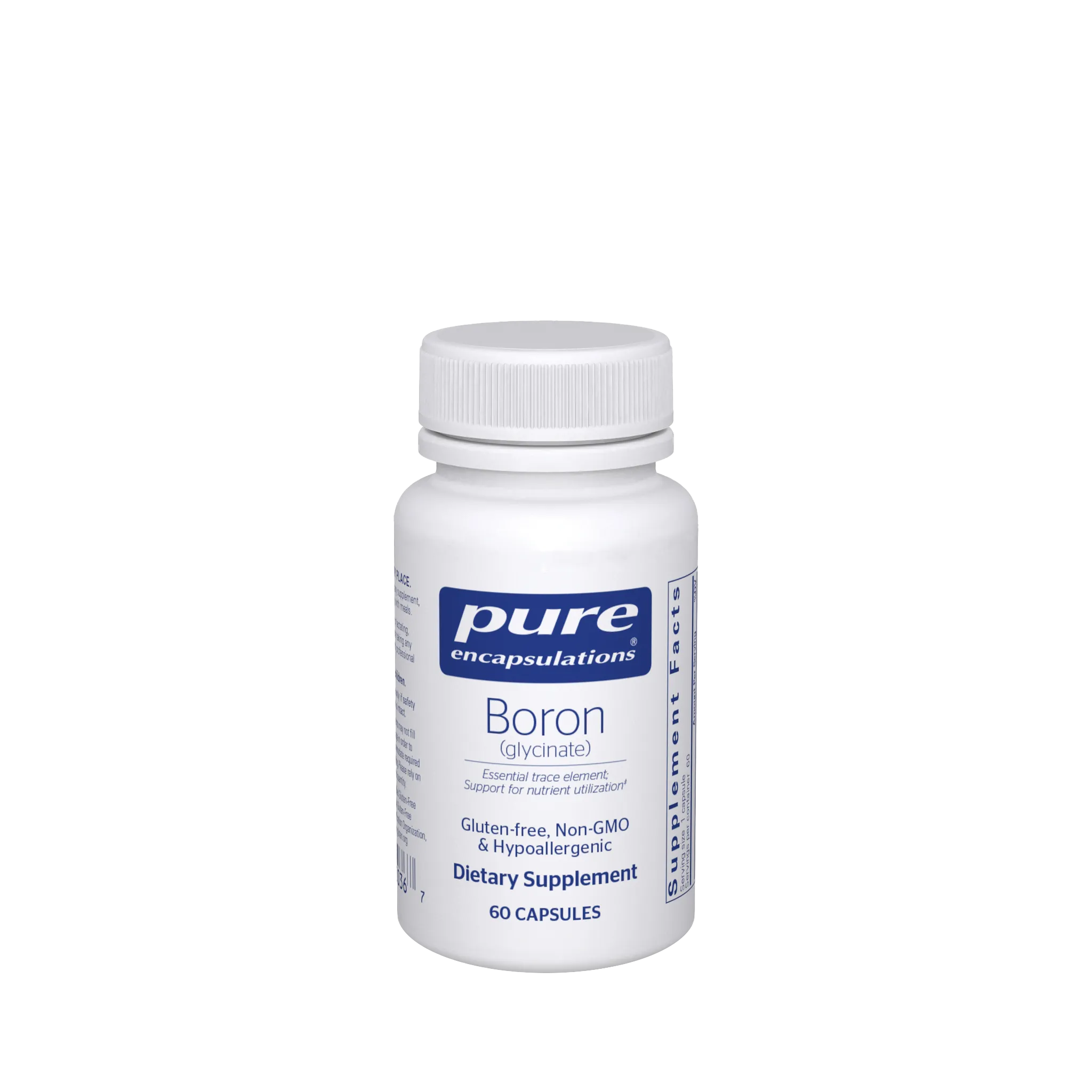
As you continue to navigate your unique health journey, we strongly encourage you to discuss boron glycinate with your healthcare provider to see if it is a safe, appropriate, and beneficial addition to your specific treatment protocol. They can help you determine the optimal dosage, monitor your progress over time, and ensure it aligns with your overall health goals. If you and your medical team are ready to support your mineral metabolism and hormone balance, you can Explore Boron Glycinate to learn more about this high-quality, exceptionally bioavailable vegetarian formulation. Remember, healing is a complex process, but with the right tools, knowledge, and compassionate support, you can find effective ways to manage your symptoms and reclaim your well-being.
Sources
Nothing Boring About Boron (Integrative Medicine: A Clinician's Journal)
The Potential Role of Boron in the Modulation of Gut Microbiota Composition (MDPI)
Boron in wound healing: a comprehensive investigation of its diverse mechanisms (Frontiers)
Boron Health Professional Fact Sheet (National Institutes of Health)