Can Bone Broth Protein Support Muscle Recovery and Energy in Long COVID and ME/CFS?
March 6, 2026
Bone Broth ProteinLong COVIDME/CFS
Share:
Disclaimer: The information provided here is for educational purposes only and is not intended as medical advice. It should not be used to diagnose, treat, cure, or prevent any medical condition. Instead, use it as a starting point for discussion with your healthcare provider. Always consult with a qualified healthcare provider before starting any new medication, supplement, device, or making changes to your health regimen.
Months or even years after a viral infection, many individuals find themselves battling a complex web of debilitating symptoms. The profound physical exhaustion, muscle weakness, and cognitive dysfunction associated with complex chronic conditions are often dismissed as mere "tiredness." However, emerging research paints a very different picture. For those living with these invisible illnesses, the body is often trapped in a state of severe metabolic derangement, where the very building blocks of life—amino acids and proteins—are burned inefficiently, leading to a cascade of systemic dysfunction.
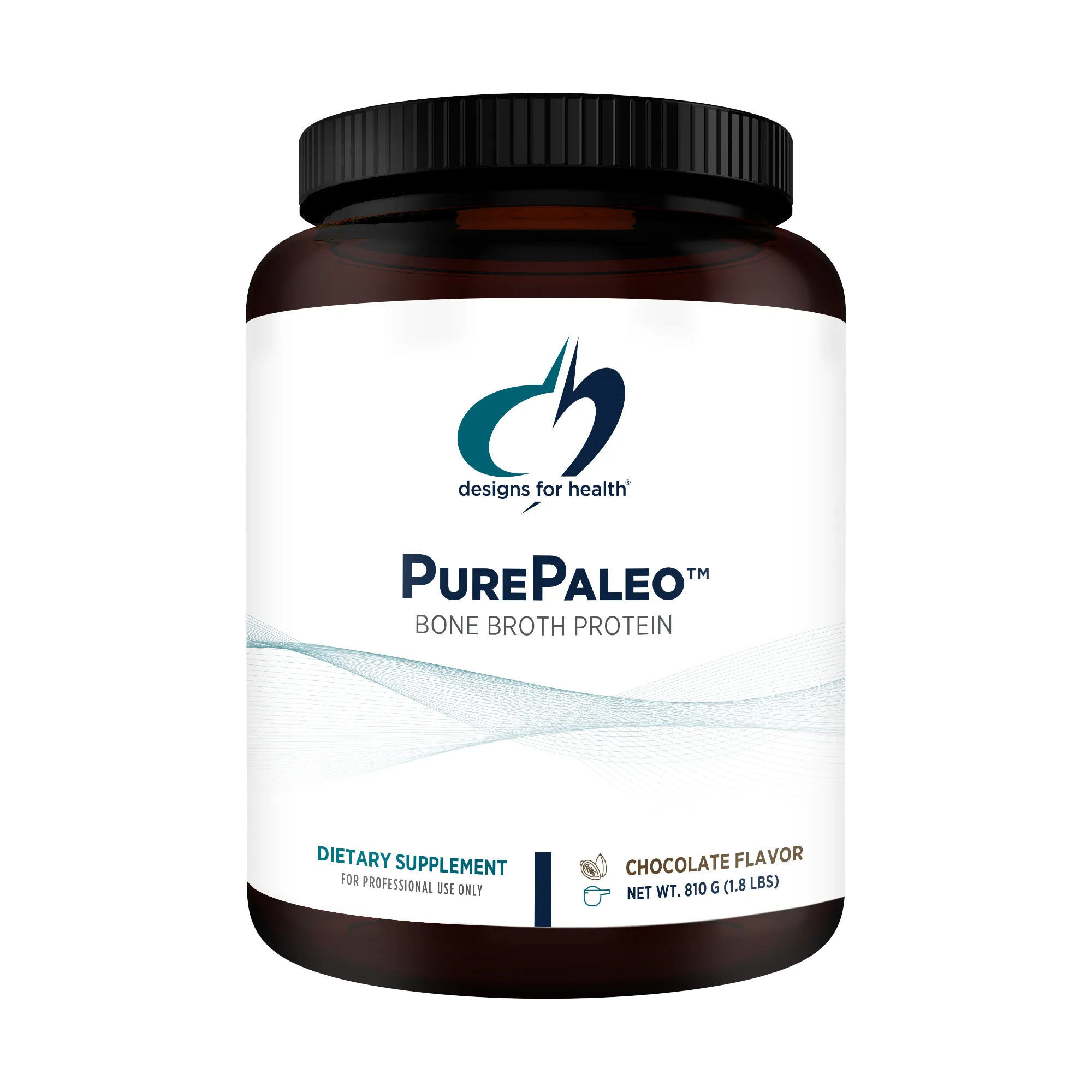
In the search for answers, many patients and practitioners are turning their attention to foundational nutrition and gut health. Protein is essential for repairing damaged tissues, synthesizing neurotransmitters, and maintaining a healthy immune system. Yet, for individuals with compromised digestion, severe food sensitivities, or autonomic nervous system dysfunction, traditional protein sources can cause more harm than good. This is where specialized, highly bioavailable formulations like Bone Broth Protein Unflavored, featuring HydroBEEF™, come into play. By providing pre-digested, hypoallergenic amino acids, this unique supplement offers a targeted approach to nourishing the body, supporting lean muscle mass, and rebuilding the gut lining without overwhelming a fragile digestive system.
TL;DR
Hydrolyzed bone broth protein provides pre-digested amino acids, supporting muscle repair without taxing the digestive system.
Chronic illnesses like Long COVID and ME/CFS disrupt metabolism, leading to muscle breakdown and severe fatigue.
Targeted amino acids may help manage post-exertional malaise, gut permeability, and connective tissue laxity.
Patients with MCAS should introduce protein supplements slowly to monitor for potential histamine reactions.
What is Bone Broth Protein (HydroBEEF™)?
The Evolution of Protein Supplementation
Protein is the fundamental macronutrient responsible for the structural integrity and functional machinery of the human body. Every enzyme, neurotransmitter receptor, muscle fiber, and immune cell relies on a steady supply of dietary amino acids for synthesis and repair. In a healthy individual, consuming intact proteins from whole foods or standard supplements like whey or casein is usually sufficient to meet these demands. The digestive system efficiently breaks down these large macromolecular structures into smaller, usable components that are absorbed through the intestinal wall and shuttled to tissues in need.
However, the landscape of clinical nutrition has evolved significantly as we have gained a deeper understanding of gastrointestinal pathology and food sensitivities. Whey protein, long considered the gold standard for muscle hypertrophy and recovery, is derived from dairy and contains lactose and casein. For a vast portion of the population, and particularly for those with chronic inflammatory conditions, these dairy components can trigger severe gastrointestinal distress, bloating, and systemic immune responses. Plant-based proteins, while hypoallergenic, often lack a complete essential amino acid profile and can be bound by anti-nutrients like phytic acid, which impairs mineral absorption.
In response to these limitations, clinical nutritionists and researchers developed Bone Broth Protein and beef protein isolates. These formulations aim to deliver the high-quality, complete amino acid profile historically associated with animal proteins, but in a completely dairy-free, highly tolerable format. Products utilizing specialized ingredients like HydroBEEF™ represent the cutting edge of this evolution, offering a concentrated source of protein that bypasses the common pitfalls of both dairy and plant-based alternatives.
The Science of Enzymatic Hydrolysis
The defining characteristic of HydroBEEF™ is the sophisticated manufacturing process it undergoes, known as enzymatic hydrolysis. In its natural state, dietary protein consists of long, complex chains of amino acids folded into intricate three-dimensional structures. To utilize this protein, the human stomach must secrete hydrochloric acid to denature (unfold) the protein, followed by the enzyme pepsin, which cleaves the long chains into smaller fragments. The pancreas then releases further proteases into the small intestine to break these fragments down into individual amino acids and very small di-peptides and tri-peptides, which can finally cross the gut barrier.
Enzymatic hydrolysis essentially performs this exhaustive digestive work outside the body. During the production of hydrolyzed beef protein, specific proteolytic enzymes are introduced to the raw material under controlled thermal conditions. These enzymes act like molecular scissors, systematically cleaving the tough peptide bonds and breaking the large protein macromolecules down into highly concentrated, pre-digested peptide chains. This process strips away virtually all the naturally occurring fats, cholesterol, and carbohydrates, leaving behind a pure protein isolate.
The clinical significance of this pre-digestion cannot be overstated. Because the protein is already broken down into highly bioavailable peptides, it requires minimal enzymatic effort from the patient's gastrointestinal tract. Upon ingestion, these peptides rapidly transit through the stomach and are swiftly absorbed by the enterocytes (the cells lining the small intestine). This rapid absorption rate ensures that a high concentration of therapeutic amino acids enters the systemic circulation almost immediately, providing rapid nourishment to starving tissues and bypassing the digestive bottlenecks common in chronic illness.
A Unique Amino Acid Profile
While HydroBEEF™ provides all nine essential amino acids required to be classified as a complete protein, its specific amino acid ratios differ significantly from those of whey or pure skeletal muscle meat. Because it is derived from a proprietary process utilizing beef protein and connective tissue, its profile is exceptionally rich in the specific amino acids that form the building blocks of collagen: glycine, proline, and hydroxyproline. Collagen is the most abundant protein in the human body, forming the structural scaffolding of our skin, tendons, ligaments, cartilage, and the delicate mucosal lining of our gastrointestinal tract.
Glycine, the smallest and most abundant amino acid in this profile, plays a profound role in human biochemistry. It is a mandatory structural component of the collagen triple helix, where every third amino acid must be a glycine residue to allow the molecule to tightly coil and provide tensile strength. Beyond its structural role, glycine acts as a crucial inhibitory neurotransmitter in the central nervous system, helping to calm neurological overstimulation. It is also a rate-limiting precursor for the synthesis of glutathione, the body's master intracellular antioxidant, which is vital for neutralizing oxidative stress.
Proline and its derivative, hydroxyproline, work synergistically with glycine to stabilize the collagen matrix. Hydroxyproline is particularly unique; its formation requires the presence of vitamin C as a cofactor, and it provides the critical hydrogen bonds that lock the collagen fibers together, preventing tissue laxity and joint hypermobility. By delivering massive, concentrated doses of these specific amino acids, hydrolyzed bone broth protein acts as targeted nutritional therapy, providing the exact raw materials the body needs to repair degraded connective tissues and maintain structural integrity.
How Chronic Illness Impacts Muscle and Protein Metabolism
The Metabolic Crisis of Long COVID and ME/CFS
To understand why targeted amino acid therapy is so critical, we must first examine how complex chronic illnesses fundamentally alter human metabolism. If you are wondering what causes Long COVID, recent metabolomic research has revealed that the profound fatigue and muscle weakness experienced by patients are driven by severe mitochondrial dysfunction. The mitochondria, the powerhouses of our cells, are responsible for generating adenosine triphosphate (ATP) through the electron transport chain. In a healthy state, mitochondria efficiently burn glucose and fatty acids to produce abundant ATP.
However, in conditions like Long COVID and myalgic encephalomyelitis/chronic fatigue syndrome (ME/CFS), this elegant system breaks down. Studies have shown that viral persistence and chronic immune activation cause severe damage to the mitochondrial machinery. For instance, a landmark NIH study discovered that a protein called WASF3 is abnormally elevated in the muscle cells of ME/CFS patients. This protein directly interferes with the formation of mitochondrial supercomplexes, effectively choking off the cell's ability to produce energy. Furthermore, researchers at Cambridge identified that toxic, lingering levels of the antiviral protein Interferon-gamma (IFN-γ) directly correlate with the debilitating muscle aches and fatigue seen in Long Haulers.
When the mitochondria can no longer burn glucose or fats efficiently, the body enters a state of metabolic panic. Desperate for fuel, it shifts into a catabolic state, meaning it begins to break down its own skeletal muscle tissue to harvest amino acids. These amino acids are then aggressively shunted into alternative, highly inefficient energy pathways. This rampant muscle cannibalization explains the profound physical weakness, loss of lean muscle mass, and the severe, delayed exhaustion known as post-exertional malaise (PEM) that patients experience after even minor physical or cognitive effort.
Ammonia Toxicity and Neurological Fatigue
This catabolic shift creates a highly toxic downstream effect. When the body burns amino acids for emergency fuel, it strips away their nitrogen groups, generating a toxic metabolic byproduct called ammonia. In a healthy metabolism, the liver rapidly neutralizes ammonia through a biochemical pathway known as the urea cycle, converting it into harmless urea to be excreted in the urine. However, systems biology modeling has shown that in ME/CFS and Long COVID, the specific amino acids required to run the urea cycle (such as alanine and aspartate) are heavily depleted.
Because the urea cycle is starved of its necessary components, it becomes overwhelmed and sluggish. Ammonia begins to accumulate systemically, pooling in the skeletal muscles and the bloodstream. This ammonia buildup is highly deleterious; it creates a physical sensation of "lead-like" heaviness and severe muscle burning even at rest. Research on skeletal muscle adaptations indicates that intrinsic mitochondrial dysfunction, endothelial abnormalities, and a shift toward a glycolytic phenotype contribute to reduced exercise capacity.
Furthermore, ammonia is a neurotoxin that easily crosses the blood-brain barrier. Once inside the central nervous system, it alters neurotransmitter balance, causes astrocyte swelling, and triggers neuroinflammation. This ammonia-induced neurotoxicity is heavily implicated in the severe cognitive dysfunction, memory loss, and neurological exhaustion commonly referred to as "brain fog." The body is essentially poisoning itself with the exhaust fumes of its own inefficient, catabolic energy production.
Dysautonomia, Gastroparesis, and Protein Malabsorption
The situation is further complicated by the high prevalence of dysautonomia, particularly postural orthostatic tachycardia syndrome (POTS), among this patient population. Dysautonomia involves the dysfunction of the autonomic nervous system, which controls involuntary bodily processes, including digestion. When a patient with POTS stands up, blood abnormally pools in their lower extremities. To compensate, the body triggers a massive sympathetic ("fight or flight") response, releasing adrenaline and norepinephrine to force the heart to beat faster.
This constant state of sympathetic overdrive actively shunts blood flow away from the splanchnic circulation—the blood vessels supplying the gastrointestinal tract. Without adequate blood flow, the stomach cannot produce sufficient hydrochloric acid (hypochlorhydria), and the muscular contractions that move food through the digestive tract grind to a halt. This condition, known as gastroparesis or delayed gastric emptying, means that when a patient consumes intact, complex dietary proteins, those proteins sit stagnant in the stomach for hours.
Because the body lacks the acid and motility to break these proteins down, they eventually pass into the intestines partially undigested. Here, they undergo putrefaction and fermentation, feeding opportunistic, pathogenic bacteria. These bacteria produce endotoxins and biogenic amines, including exogenous histamine, which triggers localized mast cells in the gut lining. Dysautonomia is a common comorbidity of systemic disease that presents with symptoms like fatigue and orthostatic intolerance, which can further complicate gastrointestinal function and overall well-being.
Bone Broth Protein: Supporting Muscle, Gut, and Energy
Halting Catabolism and Supporting Muscle Synthesis
Supplementing with a highly bioavailable protein source like HydroBEEF™ provides a direct, mechanistic intervention to halt the destructive cycle of muscle catabolism. When a patient consumes hydrolyzed beef protein, the pre-digested peptides rapidly enter the bloodstream, causing a sharp, immediate spike in plasma amino acid concentrations. This sudden influx of amino acids acts as a powerful biochemical signal to the body's nutrient-sensing pathways, specifically the mammalian target of rapamycin (mTORC1) pathway.
The mTORC1 pathway is the master regulator of cell growth and protein synthesis. When it senses an abundance of circulating amino acids—particularly branched-chain amino acids (BCAAs) like leucine, which are naturally present in beef protein—it flips the metabolic switch from catabolism (breaking down) to anabolism (building up). By providing a highly digestible source of these essential building blocks, Bone Broth Protein helps rescue the skeletal muscles from being cannibalized for energy.
This targeted nutritional support is vital for patients trying to navigate how to live with long-term COVID and manage profound weakness. By supplying the muscles with the exact amino acids they need to repair micro-tears and synthesize new contractile proteins, hydrolyzed beef protein helps preserve lean muscle mass, improves functional strength, and may help mitigate the severity of the muscle damage that occurs during post-exertional crashes.
Nourishing the Gut Lining and Connective Tissues
Beyond skeletal muscle support, the unique amino acid profile of Bone Broth Protein offers profound therapeutic benefits for the gastrointestinal tract. The mucosal lining of the gut is composed of a single layer of epithelial cells called enterocytes. These cells have an incredibly rapid turnover rate, completely replacing themselves every few days. To sustain this rapid regeneration, enterocytes require massive amounts of the amino acid L-glutamine, which serves as their primary metabolic fuel source.
Bone Broth Protein is naturally rich in glutamine, providing the enterocytes with the energy they need to proliferate, heal damaged tissues, and maintain the tight junctions that seal the intestinal barrier. When these tight junctions are secure, it helps prevent endotoxins and undigested food particles from leaking into the bloodstream, thereby reducing the systemic immune burden and calming the hyperactive mast cells associated with "leaky gut" syndrome.
Furthermore, the exceptionally high concentrations of glycine and proline in HydroBEEF™ provide the raw materials necessary to rebuild degraded connective tissues throughout the body. In patients with comorbid hypermobility spectrum disorders or Ehlers-Danlos Syndrome (EDS)—which frequently overlap with POTS and ME/CFS—the collagen matrix is inherently fragile. By supplying abundant, highly absorbable collagen precursors, this protein supports the structural integrity of the blood vessels (aiding in vascular tone for dysautonomia), repairs joint cartilage, and reinforces the delicate connective tissue scaffolding of the entire gastrointestinal tract.
Bypassing Digestive Dysfunction
Perhaps the most significant advantage of hydrolyzed Bone Broth Protein for the chronically ill patient is its mechanical simplicity. Because the enzymatic hydrolysis process has already cleaved the complex protein structures into tiny di-peptides and tri-peptides, the supplement completely bypasses the need for heavy gastric acid secretion and robust pancreatic enzyme release. It is essentially "pre-digested" nutrition.
For a patient suffering from dysautonomia-induced gastroparesis or severe hypochlorhydria, this is a game-changer. Instead of sitting stagnant in the stomach and fermenting, the hydrolyzed peptides pass swiftly into the upper small intestine, where they are rapidly absorbed into the portal vein. This swift transit time helps prevent the protein from becoming a food source for opportunistic, histamine-producing bacteria in the lower bowel.
By delivering complete, high-quality nutrition without demanding massive energetic or enzymatic output from the digestive system, HydroBEEF™ allows patients to meet their daily protein requirements without triggering the severe bloating, nausea, and post-prandial (after-meal) fatigue that often accompany traditional solid meals or complex protein shakes. It provides maximum nutritional yield with minimum physiological effort.
Symptoms Bone Broth Protein May Help Manage
Targeted Symptom Relief
Muscle Weakness and Wasting: By providing a rapid influx of essential amino acids, including leucine, hydrolyzed beef protein activates the mTOR pathway, halting catabolic muscle breakdown and providing the necessary building blocks to repair and synthesize new skeletal muscle tissue.
Post-Exertional Malaise (PEM): Supplying highly bioavailable amino acids helps replenish the depleted metabolic pools required for mitochondrial energy production, potentially reducing the severity of the cellular energy crisis and muscle damage that occurs after physical or cognitive exertion.
Gastrointestinal Distress and "Leaky Gut": The high concentration of L-glutamine serves as the primary fuel source for intestinal enterocytes, helping to repair damaged mucosal linings and tighten the cellular junctions that prevent endotoxins from leaking into the bloodstream.
Joint Pain and Connective Tissue Laxity: Abundant levels of glycine, proline, and hydroxyproline provide the exact structural precursors needed to synthesize new collagen, supporting the repair of degraded cartilage, tendons, and the vascular scaffolding crucial for maintaining blood pressure.
Brain Fog and Cognitive Fatigue: By providing the amino acids necessary to support a healthy urea cycle and liver detoxification pathways (particularly via glycine), this protein may help the body more efficiently clear neurotoxic ammonia, a known driver of central nervous system fatigue.
Practical Considerations: Forms, Dosing, and Absorption
Bioavailability and the HydroBEEF™ Advantage
When evaluating protein supplements, clinical nutritionists rely on the Protein Digestibility Corrected Amino Acid Score (PDCAAS), which measures both the amino acid profile and the body's ability to digest and utilize the protein. While pure collagen peptides often score a zero because they lack the essential amino acid tryptophan, high-quality hydrolyzed beef protein isolates like HydroBEEF™ are carefully processed and sometimes fortified to ensure they provide a complete, highly bioavailable spectrum of all nine essential amino acids.
The enzymatic hydrolysis process gives HydroBEEF™ a distinct advantage over intact dietary proteins. Studies tracking postprandial (post-meal) amino acid absorption demonstrate that enzymatically hydrolyzed proteins cause a rapid, significant spike in blood plasma amino acid concentrations within the first 60 to 90 minutes of ingestion. This rapid delivery system is particularly beneficial during the "anabolic window" following mild physical therapy or exertion, as it swiftly shuttles repair nutrients to damaged tissues before catabolism can set in.
Furthermore, because it is derived entirely from beef, this protein is naturally free of the common allergens that plague other supplements. It contains zero lactose, casein, whey, soy, or gluten. For patients with severe dairy sensitivities or those following strict autoimmune protocols (such as the Paleo or Carnivore diets), HydroBEEF™ offers a clean, highly tolerable alternative that delivers the nutritional density of animal protein without the inflammatory triggers associated with modern dairy processing.
Navigating MCAS and Histamine Sensitivities
While Bone Broth Protein is incredibly healing for many, it requires careful consideration for patients diagnosed with Mast Cell Activation Syndrome (MCAS) or severe histamine intolerance. In traditional culinary practices, bone broth is simmered for 24 to 48 hours. This long, slow cooking process allows the amino acids in the bones and connective tissue to degrade into biogenic amines, resulting in a liquid that is exceptionally high in histamine. Consuming traditional bone broth can trigger severe, systemic allergic reactions in MCAS patients.
Hydrolyzed beef protein isolate is generally much safer than traditional liquid bone broth because the enzymatic hydrolysis process is rapid and controlled, preventing the extensive formation of biogenic amines. However, highly sensitive individuals must still exercise caution. The concentrated peptides themselves can sometimes act as direct histamine liberators in a highly reactive gut. Additionally, the high levels of glutamine can, in some neuro-inflamed patients, be converted into glutamate—an excitatory neurotransmitter that can exacerbate anxiety, migraines, and the hyperadrenergic symptoms of POTS.
For patients with suspected or confirmed MCAS, the golden rule of supplementation applies: start low and go slow. Begin with a fraction of the recommended scoop to assess your immunological and neurological tolerance. If you experience an increase in heart rate, flushing, or anxiety, you may need to pause and focus on stabilizing your mast cells with targeted therapies (such as quercetin or DAO enzymes) before reintroducing concentrated amino acids.
Dosing, Timing, and Synergistic Support
The standard suggested use for Designs for Health Bone Broth Protein Unflavored is to mix approximately 27 grams (one scoop) into 8 ounces of water or a preferred dairy-free beverage. Because it is unflavored, it blends seamlessly into smoothies, soups, or oatmeal, making it highly versatile. For optimal blending and to prevent clumping, it is recommended to use room-temperature liquid and a shaker bottle or blender.
Timing can play a crucial role in maximizing the benefits of this supplement. For patients dealing with severe morning fatigue and POTS-related hypovolemia, consuming a scoop of Bone Broth Protein mixed with high-quality electrolytes (like sodium and potassium) first thing in the morning can help expand blood volume, stabilize blood sugar, and provide immediate, non-taxing energy to the brain and muscles. Alternatively, taking it immediately after any physical exertion or physical therapy can help leverage its rapid absorption rate to halt post-exertional muscle breakdown.
To further enhance absorption and mitigate any potential digestive discomfort, patients with known hypochlorhydria or pancreatic insufficiency may benefit from pairing their protein shake with a broad-spectrum digestive enzyme or a betaine HCl supplement (if tolerated and approved by a practitioner). This synergistic approach ensures that every peptide is fully utilized, maximizing the therapeutic yield of the supplement while minimizing any residual burden on the gastrointestinal tract.
Follow the Science
Clinical Evidence for Hydrolyzed Beef Protein
The efficacy of hydrolyzed beef protein is not merely theoretical; it is backed by robust clinical trials comparing it directly to the industry standard, whey protein. A pivotal study published in the Journal of the International Society of Sports Nutrition by Sharp et al. investigated the effects of beef protein isolate on body composition and muscle hypertrophy. In this double-blind trial, participants consumed 46 grams of either beef protein isolate or whey protein isolate daily following resistance training for eight weeks.
The results were highly compelling. The researchers found that the group supplementing with beef protein isolate experienced a 5.7% increase in lean body mass, slightly outperforming the whey protein group, which saw a 4.7% increase. Furthermore, the beef protein group demonstrated a remarkable 10.8% reduction in fat mass, compared to an 8.3% reduction in the whey group. These findings definitively prove that hydrolyzed beef protein is a highly effective, bioavailable intervention for stimulating muscle protein synthesis and improving overall body composition.
These results were further corroborated by a 2019 systematic review and meta-analysis by Valenzuela et al., which analyzed data from multiple randomized controlled trials involving 270 participants. The meta-analysis concluded that there are no statistically significant differences between beef protein and whey protein regarding total protein intake, lean body mass gains, or lower-limb muscle strength improvements. For patients requiring a dairy-free alternative to rebuild lost muscle mass, the clinical data strongly supports the use of high-quality beef protein isolates.
Amino Acid Deficiencies in Chronic Fatigue
The critical role of amino acids in managing chronic fatigue is becoming increasingly clear through advanced metabolomic research. As researchers investigate what are the symptoms of Long COVID at a molecular level, they are discovering profound deficiencies in systemic amino acid pools. The body's inability to generate ATP efficiently forces it to consume its own structural proteins, leading to a state of chronic catabolism and metabolic starvation.
Recent clinical trials are actively exploring targeted amino acid therapies to reverse this crisis. For example, the Phase IIa clinical trial of AXA1125—a specific formulation of six amino acids including leucine, isoleucine, valine, and glutamine—demonstrated significant promise in managing fatigue-dominant Long COVID. By providing the exact amino acid precursors required to restore mitochondrial energetics and halt muscle breakdown, the trial showed statistically significant improvements in both physical and mental fatigue scores compared to a placebo.
Furthermore, studies tracking biomarkers in Long COVID patients have identified severe depletions in specific amino acids, such as taurine and the branched-chain amino acids, which directly correlate with the severity of clinical outcomes and exercise intolerance. Supplying the body with a highly concentrated, rapidly absorbing source of complete amino acids, such as those found in HydroBEEF™, provides a logical, science-backed mechanism for replenishing these depleted metabolic pools and supporting cellular energy restoration.
The Intersection of Autonomic and Gut Health
The scientific literature is also rapidly expanding on the profound connection between gut health, protein malabsorption, and autonomic nervous system dysfunction. A comprehensive review published in Frontiers in Cellular and Infection Microbiology highlighted the emerging understanding of immunotherapies for POTS and autoimmune dysautonomia, noting that systemic inflammation and gut permeability are deeply intertwined with autonomic failure.
When the gut barrier is compromised—often due to the gastroparesis and localized inflammation driven by dysautonomia—it allows endotoxins to leak into the bloodstream, triggering the production of autoantibodies that can attack the autonomic nervous system. By utilizing the high concentrations of L-glutamine, glycine, and proline found in Bone Broth Protein to repair the enterocytes and reinforce the intestinal tight junctions, patients can help seal this leaky barrier. This targeted nutritional intervention addresses the root cause of systemic immune activation, offering a foundational step toward stabilizing both gut function and autonomic tone.
The Path Forward
Rebuilding the Foundation
Living with the unpredictable, debilitating symptoms of Long COVID, ME/CFS, and dysautonomia is an exhausting daily battle. When your body feels like it is constantly running on empty, and even the basic act of digesting food causes severe distress, it is easy to feel overwhelmed and betrayed by your own biology. Your experience is valid, and the profound muscle weakness and fatigue you feel are rooted in measurable, physiological metabolic disruptions, not a lack of willpower.
While there is no single miracle cure for these complex conditions, healing is often found in carefully rebuilding the body's foundation. By addressing the fundamental metabolic crisis—halting muscle breakdown, repairing the delicate gut lining, and providing the mitochondria with easily accessible fuel—you can begin to shift your body out of a state of chronic emergency and into a state of repair.
Integrating Protein into Your Protocol
Bone Broth Protein Unflavored, featuring the highly bioavailable HydroBEEF™ isolate, offers a powerful, targeted tool for this foundational repair. By delivering a massive dose of pre-digested, hypoallergenic amino acids, it provides the critical building blocks your body desperately needs, without demanding the energetic tax of complex digestion. It is a clean, efficient way to support lean muscle mass, nourish connective tissues, and stabilize your daily energy levels.
Remember that supplementation is just one piece of a comprehensive, holistic management strategy that should include aggressive pacing, nervous system regulation, and careful symptom tracking. Always consult with your healthcare provider before introducing new supplements, especially if you are navigating severe mast cell activation or complex food sensitivities. With patience, targeted nutrition, and compassionate medical care, you can support your body's innate capacity to heal and improve your quality of life.
Sources
NIH: Protein may be linked to exercise intolerance in ME/CFS
British Journal of General Practice: Muscle weakness post-COVID: a practical guide for primary care
Vrije Universiteit Amsterdam: Skeletal muscle adaptations and post-exertional malaise in long COVID
PubMed: Dysautonomia: a common comorbidity of systemic disease
Buy Peak Performance: Hydrolyzed Beef Protein Bioavailability and Absorption