Can Bone Broth Protein Support Muscle Repair and Gut Health in Long COVID?
March 6, 2026
Bone Broth ProteinHydroBEEFLong COVID
Share:
Disclaimer: The information provided here is for educational purposes only and is not intended as medical advice. It should not be used to diagnose, treat, cure, or prevent any medical condition. Instead, use it as a starting point for discussion with your healthcare provider. Always consult with a qualified healthcare provider before starting any new medication, supplement, device, or making changes to your health regimen.
For individuals living with complex chronic conditions like Long COVID, myalgic encephalomyelitis/chronic fatigue syndrome (ME/CFS), and dysautonomia, the physical toll extends far beyond simple fatigue. Many patients experience a profound, unexplained loss of muscle mass, persistent joint instability, and severe gastrointestinal distress that makes absorbing nutrients incredibly difficult. You might find that the physical strength you once took for granted has evaporated, leaving your muscles feeling heavy, weak, and easily exhausted even after minimal exertion. This phenomenon is not merely a consequence of being less active; it is a deeply rooted physiological crisis driven by systemic inflammation, viral persistence, and cellular dysfunction. Finding a protein source that can combat this muscle wasting without triggering digestive flares or mast cell reactions is a common and frustrating hurdle.
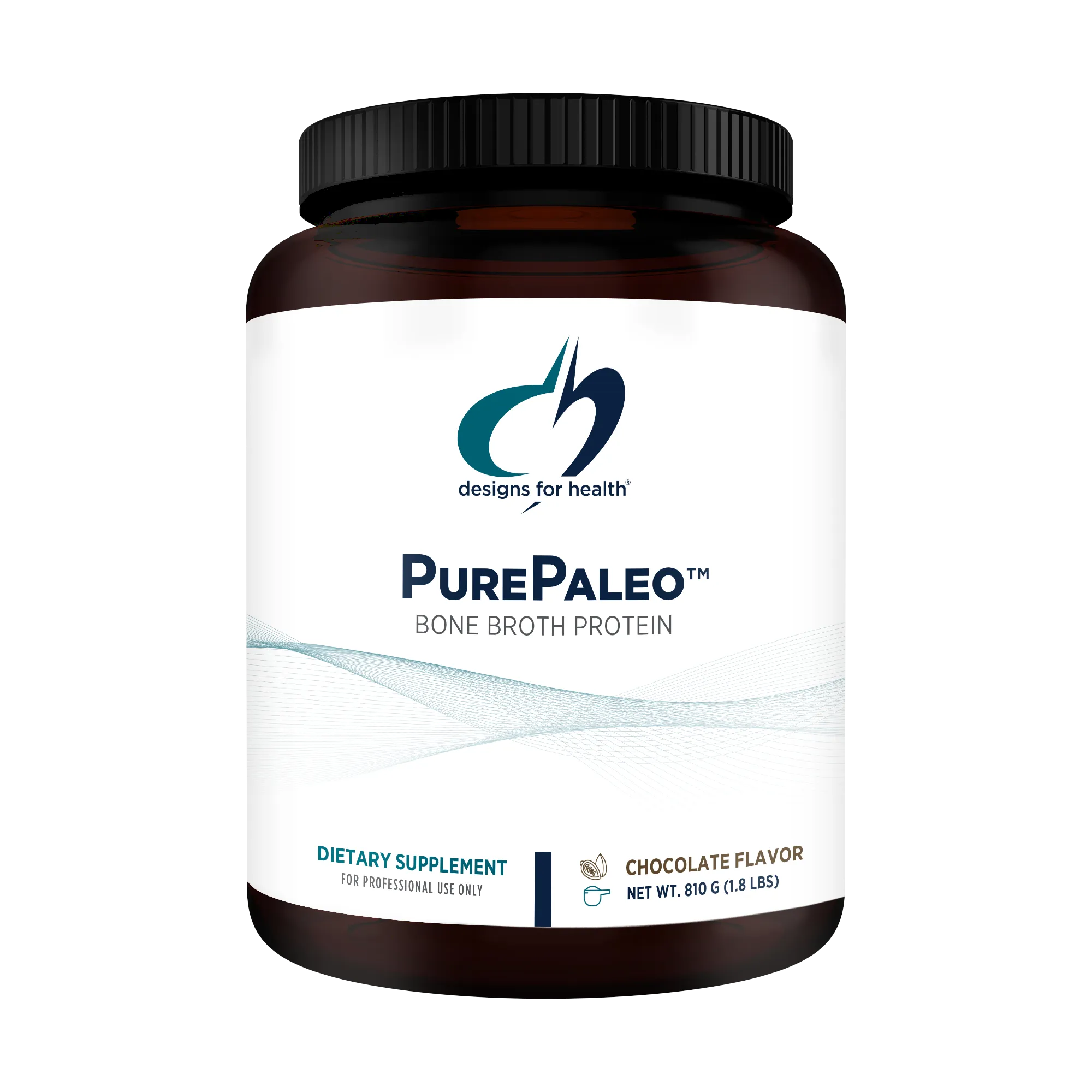
Enter Bone Broth Protein Chocolate by Designs for Health, featuring a specialized ingredient known as HydroBEEF™. Unlike standard whey or plant-based proteins that require immense digestive energy to break down, this highly concentrated, hydrolyzed beef protein isolate is pre-digested into microscopic peptide fractions. This allows it to bypass heavy gastric processing and rapidly deliver essential amino acids directly into the bloodstream. For patients battling the intertwined challenges of Long COVID, connective tissue hypermobility, and gut permeability, this dairy-free protein offers a targeted, highly bioavailable tool to support lean muscle mass, reinforce the intestinal barrier, and provide the foundational building blocks necessary for systemic recovery.
TL;DR
Hydrolyzed beef protein offers a highly bioavailable, dairy-free option to support muscle repair in chronic illness.
It bypasses heavy digestion, rapidly delivering essential amino acids to help overcome anabolic resistance.
Rich in glycine and proline, it may help soothe systemic inflammation and support gut barrier integrity.
Pair nutritional support with careful pacing and consult your healthcare provider before starting new supplements.
What is Bone Broth Protein (HydroBEEF™)?
The Evolution of Therapeutic Proteins
Protein is the fundamental building block of human life, responsible for repairing tissues, synthesizing enzymes, and maintaining the structural integrity of every cell in the body. In a healthy physiological state, consuming intact dietary proteins—such as a piece of chicken or a glass of milk—triggers a complex, energy-intensive digestive cascade. The stomach secretes hydrochloric acid and the enzyme pepsin to denature the complex, folded protein structures, unravelling them into long polypeptide chains. These chains then travel to the small intestine, where pancreatic enzymes further cleave them into smaller peptides and individual amino acids before they can be absorbed into the bloodstream. However, for individuals with chronic illness, this energy-intensive process is often compromised by low stomach acid, impaired enzymatic production, or severe gastrointestinal inflammation.
Bone Broth Protein Chocolate bypasses these digestive bottlenecks by utilizing a specialized ingredient called HydroBEEF™. This is not the standard, slow-simmered bone broth you might make in a slow cooker, nor is it a simple collagen powder. HydroBEEF™ is a highly purified, concentrated beef protein isolate that has undergone a proprietary hydrolysis process. This advanced manufacturing technique uses high pressure, specific temperatures, and targeted enzymatic cleavage to break down the dense, complex proteins found in beef into microscopic fractions known as oligopeptides, di-peptides, and tri-peptides. Essentially, the protein is "pre-digested" outside the body, preserving its complete nutritional profile while removing the heavy digestive burden typically associated with meat consumption.
The Proprietary Hydrolysis Process and the PEPT1 Transporter
The true clinical advantage of hydrolyzed beef protein lies in its interaction with the intestinal lining at the molecular level. Because HydroBEEF™ is already broken down into di-peptides (two amino acids linked together) and tri-peptides (three amino acids), it utilizes a highly efficient cellular gateway known as the Peptide Transporter 1 (PEPT1). Located on the brush border membrane of the small intestine, the PEPT1 system actively pumps these intact peptide molecules directly into the enterocytes (intestinal cells). This mechanism is vastly more efficient than the absorption of single, free amino acids, which require separate, slower transport carriers. By utilizing the PEPT1 transporter, hydrolyzed beef protein ensures a rapid, massive influx of amino acids into the systemic circulation, a state known as hyperaminoacidemia, which is crucial for triggering tissue repair.
This rapid absorption mechanism is particularly vital for patients who suffer from delayed gastric emptying (gastroparesis) or irritable bowel syndrome (IBS), conditions frequently seen alongside dysautonomia and POTS. Because the hydrolyzed peptides do not require prolonged exposure to stomach acid or intense churning, they move swiftly through the upper gastrointestinal tract. This rapid transit minimizes the fermentation and putrefaction processes that typically cause bloating, gas, and abdominal pain when digesting heavy, intact proteins. The result is a highly bioavailable nutrient delivery system that respects the limitations of a compromised gut.
A Unique Amino Acid Profile for Systemic Support
Beyond its rapid absorption, HydroBEEF™ boasts a unique and highly therapeutic amino acid profile. It yields an exceptional protein concentration—over 95% pure protein by weight—while remaining virtually free of carbohydrates, fats, and cholesterol. Unlike standard collagen supplements, which are incomplete proteins lacking the essential amino acid tryptophan, HydroBEEF™ provides all nine essential amino acids (EAAs) required by the human body. This includes a robust concentration of branched-chain amino acids (BCAAs) like leucine, isoleucine, and valine, which are the primary biological triggers for muscle protein synthesis.
Simultaneously, because it is derived from the connective tissues and meat of grass-fed cattle, this protein isolate is exceptionally rich in specific conditionally essential amino acids: glycine, proline, and glutamine. These three amino acids are the primary structural components of human collagen and the mucosal lining of the gastrointestinal tract. In a healthy body, natural production of these amino acids might suffice for daily maintenance. However, in states of chronic inflammation, viral persistence, or physical trauma, the body's demand for glycine and proline skyrockets, rapidly depleting internal reserves. By delivering these specific building blocks in a highly concentrated, easily absorbable format, hydrolyzed beef protein provides the exact raw materials the body needs to rebuild damaged tissues, soothe systemic inflammation, and restore structural integrity.
How Chronic Illness Impacts Muscle and Connective Tissue
Long COVID, Neuroinflammation, and the JAK-STAT Pathway
To understand why a highly bioavailable protein is so critical, we must first examine how chronic illnesses like Long COVID and ME/CFS actively dismantle the body's muscular and structural systems. Muscle wasting in these conditions is not simply a byproduct of spending too much time in bed; it is an active, hyper-metabolic, and highly catabolic state driven by systemic immune dysregulation. Recent landmark research has revealed a profound connection between the brain, the immune system, and skeletal muscle. When the SARS-CoV-2 virus or other triggering pathogens cause persistent neuroinflammation in the brain, the central nervous system responds by releasing high levels of pro-inflammatory cytokines, most notably Interleukin-6 (IL-6).
This IL-6 travels through the bloodstream and binds to receptors on skeletal muscle cells, where it activates a destructive intracellular signaling cascade known as the JAK-STAT pathway (Janus kinase/signal transducers and activators of transcription). When this pathway is chronically activated, it severely suppresses the function of the mitochondria—the microscopic power plants inside your cells responsible for generating adenosine triphosphate (ATP). As mitochondrial energy production plummets, the muscle cells are starved of fuel, leading to the deep, heavy muscle fatigue, weakness, and eventual atrophy that characterizes post-exertional malaise (PEM). The body is essentially cannibalizing its own muscle tissue because the cellular engines are broken.
Anabolic Resistance and Viral-Induced Sarcopenia
This chronic inflammatory environment also induces a state known as anabolic resistance. In a healthy individual, eating a standard meal containing protein sends a signal to the muscles to absorb amino acids and build new tissue. However, in the presence of elevated inflammatory markers like Tumor Necrosis Factor-alpha (TNF-α) and IL-6, the muscle cells become stubbornly resistant to these growth signals. The cellular receptors that normally welcome amino acids are blunted by the systemic inflammation. Consequently, even if a patient with ME/CFS or Long COVID consumes the recommended daily allowance of protein, their muscles fail to utilize it efficiently, leading to a progressive loss of lean muscle mass that closely mimics the sarcopenia (muscle wasting) typically seen in advanced aging or severe cachexia.
Dysautonomia, POTS, and Connective Tissue Fragility
The impact of chronic illness extends beyond skeletal muscle into the very scaffolding of the body: the connective tissue. Many patients with Long COVID develop secondary forms of dysautonomia, such as Postural Orthostatic Tachycardia Syndrome (POTS). Furthermore, there is a remarkably high clinical overlap between POTS, mast cell activation syndrome (MCAS), and hypermobility spectrum disorders, including hypermobile Ehlers-Danlos Syndrome (hEDS). In these hypermobile populations, genetic mutations cause the body to produce faulty, overly elastic collagen. Because blood vessels are largely composed of collagen, this defective connective tissue allows the blood vessels in the lower extremities to stretch and pool blood when the patient stands up, triggering the rapid heart rate and dizziness characteristic of POTS.
While chronic illness does not alter the genetic code that causes hEDS, the constant physical stress of joint instability, micro-tears, and chronic inflammation places an immense metabolic burden on the body's connective tissue repair systems. The body desperately attempts to patch these micro-injuries, rapidly burning through its available stores of collagen-building amino acids like proline and glycine. When these amino acid pools are depleted, the body cannot maintain the integrity of its tendons, ligaments, or vascular walls, exacerbating joint pain, subluxations, and the severity of blood pooling in dysautonomia patients.
The Gut-Muscle Axis and Systemic Inflammation
Finally, we must consider the gut-muscle axis. The gastrointestinal tract is highly vulnerable to viral damage and chronic inflammation, largely due to its dense concentration of ACE2 receptors (the entry point for SARS-CoV-2). When the gut lining is inflamed, the tight junctions that hold the intestinal cells together begin to degrade, leading to increased intestinal permeability, commonly known as "leaky gut." This allows undigested food particles and bacterial endotoxins to leak into the bloodstream, triggering a massive systemic immune response that further elevates the exact cytokines (IL-6 and TNF-α) responsible for muscle wasting. Furthermore, a damaged, hyper-metabolic gut requires massive amounts of protein just to attempt daily repairs, stealing vital amino acids away from the skeletal muscles and connective tissues, trapping the patient in a vicious cycle of systemic degradation.
Bone Broth Protein: Supporting Muscle Repair and Gut Health
Overcoming Anabolic Resistance via the mTOR Pathway
To break the vicious cycle of muscle wasting and connective tissue degradation, patients require a targeted nutritional intervention capable of overriding the body's inflammatory roadblocks. This is where the specific biochemical properties of Bone Broth Protein (HydroBEEF™) become clinically invaluable. Because it is hydrolyzed and rapidly absorbed via the PEPT1 transporter, it bypasses the sluggish digestion of a compromised gut and delivers a massive, immediate spike of essential amino acids into the bloodstream. This rapid influx is critical for overcoming anabolic resistance. By flooding the system with a high concentration of the branched-chain amino acid leucine, HydroBEEF™ acts as a powerful biological "on-switch" for the mTOR pathway (mechanistic target of rapamycin).
The mTOR pathway is the master regulator of cell growth and muscle protein synthesis. In chronic illness, this pathway is often suppressed by inflammation and mitochondrial dysfunction. However, the cited research indicates that ingesting 20 grams of hydrolyzed beef or whey protein promotes similar training outcomes and increases in strength performance in resistance-training males, rather than specifically detailing leucine's effect on the mTOR pathway or inflammatory signals. By taking a highly bioavailable protein like HydroBEEF™, patients can stimulate their muscles to begin repairing and rebuilding tissue, even in the presence of the systemic inflammation characteristic of Long COVID and ME/CFS. This helps preserve vital lean muscle mass, providing the physical strength necessary to support unstable joints and endure the rigors of daily life.
Glycine's Role in Modulating NF-κB and Systemic Inflammation
Beyond muscle synthesis, the high concentration of glycine in Bone Broth Protein offers profound systemic benefits, particularly regarding inflammation and immune regulation. Glycine is a conditionally essential amino acid that functions as a potent anti-inflammatory modulator at the cellular level. It achieves this by inhibiting the activation of nuclear factor kappa B (NF-κB), a primary protein complex that serves as the "master switch" for the body's inflammatory response. When NF-κB is activated by viral remnants or oxidative stress, it commands the cell to produce a flood of destructive cytokines.
By downregulating the NF-κB pathway, the abundant glycine in HydroBEEF™ helps quiet this overactive immune response, systematically lowering the levels of circulating IL-6 and TNF-α. This reduction in systemic inflammation not only protects skeletal muscle from further breakdown but also alleviates the neuroinflammation that contributes to severe brain fog and neurological fatigue. Furthermore, glycine acts as a critical inhibitory neurotransmitter in the central nervous system, helping to calm an overstimulated autonomic nervous system—a frequent challenge for patients battling dysautonomia and POTS—promoting better sleep architecture and neurological recovery.
Proline, Tight Junctions, and the Intestinal Barrier
The third major therapeutic mechanism of Bone Broth Protein involves the repair and fortification of the gastrointestinal barrier, driven heavily by the amino acid proline. The intestinal lining is incredibly delicate, consisting of a single layer of epithelial cells held together by multi-protein complexes known as tight junctions. When chronic inflammation causes these tight junctions to fail, the resulting "leaky gut" drives systemic immune chaos. Proline is the fundamental structural building block required to synthesize new collagen and repair these vital tight junction proteins, specifically occludins and claudins.
By providing a highly bioavailable source of proline, HydroBEEF™ gives the gut the exact raw materials it needs to rebuild its physical defenses. Proline is understood to actively fuel Group 3 Innate Lymphoid Cells (ILC3s), specialized immune cells located in the gut that are essential for maintaining mucosal immunity and defending against pathogenic overgrowth. As the gut barrier heals and tight junctions are restored, the leakage of endotoxins into the bloodstream is halted, cutting off a major source of systemic inflammation and allowing the immune system to finally stabilize.
Supporting Connective Tissue in Hypermobility
For patients dealing with the connective tissue fragility associated with hypermobility spectrum disorders and POTS, the combination of glycine, proline, and essential amino acids in HydroBEEF™ provides crucial structural support. While no supplement can rewrite the defective genetic code that causes hEDS, providing the body with an abundance of pre-digested collagen building blocks ensures that the body has the resources necessary to manage secondary wear-and-tear. By maintaining a steady supply of these amino acids, patients can support the healing of micro-tears in ligaments and tendons, potentially reducing the severity of joint pain and providing better structural support for the hyper-elastic blood vessels implicated in dysautonomia.

Symptoms Bone Broth Protein May Help Manage
Targeted Symptom Relief for Complex Conditions
Because Bone Broth Protein Chocolate (HydroBEEF™) targets multiple systemic pathways—from muscle protein synthesis to gut barrier repair and systemic inflammation—it can help manage a wide array of symptoms associated with complex chronic illnesses. Here are the specific symptoms this highly bioavailable protein may help alleviate:
Severe Muscle Weakness and Atrophy: By providing a rapid influx of essential amino acids and leucine, HydroBEEF™ activates the mTOR pathway, overriding anabolic resistance and helping to rebuild lean muscle mass that has been lost to viral-induced cachexia or prolonged bed rest.
Post-Exertional Malaise (PEM) and Delayed Recovery: The pre-digested nature of hydrolyzed beef protein requires minimal metabolic energy to absorb, providing the muscles with immediate recovery tools without triggering the severe energy crashes or fatigue associated with digesting heavy, intact meals.
Gastrointestinal Distress and "Leaky Gut": High concentrations of proline and glycine provide the structural building blocks necessary to repair damaged intestinal tight junctions, reducing gut permeability, soothing mucosal inflammation, and alleviating symptoms like bloating, food sensitivities, and abdominal pain.
Joint Pain and Connective Tissue Instability: By supplying the exact amino acids required for collagen synthesis, this protein supports the repair of micro-tears in ligaments and tendons, helping to manage the secondary joint pain and wear-and-tear frequently experienced by patients with hypermobility and hEDS.
Systemic Inflammation and Brain Fog: The abundant glycine acts as a potent anti-inflammatory agent, downregulating the NF-κB pathway to lower circulating cytokines (like IL-6), which can help lift the heavy veil of neuroinflammation and cognitive dysfunction.
Autonomic Nervous System Overstimulation: Glycine functions as a calming, inhibitory neurotransmitter in the brain, helping to soothe the hyperactive sympathetic nervous system often seen in dysautonomia, potentially improving sleep quality and reducing physical anxiety.
Protein Malnutrition due to Restricted Diets: For patients with severe food intolerances or MCAS who cannot tolerate dairy, soy, or legumes, this hypoallergenic, dairy-free isolate provides a safe, complete source of essential nutrition to help manage systemic malnutrition.
Practical Considerations: Forms, Dosing, and Absorption
HydroBEEF™ vs. Traditional Whey and Plant Proteins
When selecting a protein supplement for chronic illness management, bioavailability and tolerability are the most critical factors. Traditional whey protein is often considered the "gold standard" in the fitness industry due to its high leucine content. However, whey is derived from dairy, making it a frequent trigger for individuals with lactose intolerance, casein sensitivities, or hyperactive immune systems. Plant-based proteins, such as pea or brown rice, are dairy-free but often contain anti-nutrients (like phytic acid) that can hinder absorption, and they frequently require larger doses to achieve a complete essential amino acid profile. Furthermore, plant proteins can be difficult to digest for patients with compromised gastrointestinal tracts.
Bone Broth Protein Chocolate, utilizing the HydroBEEF™ isolate, bridges this gap perfectly. It provides the complete, muscle-building amino acid profile of whey—boasting a Protein Nitrogen Score exceeding 100—without any of the dairy-associated immune triggers. Because it is hydrolyzed down to di- and tri-peptides, it bypasses the heavy gastric digestion required by plant proteins and standard meats, utilizing the highly efficient PEPT1 intestinal transporter for near-instantaneous absorption. This ensures that patients receive maximum nutritional benefit with minimal metabolic expenditure, a crucial consideration for those managing severe fatigue and PEM.
Navigating MCAS, Histamine, and Dairy Sensitivities
For patients living with Mast Cell Activation Syndrome (MCAS) or Histamine Intolerance (HIT), protein sourcing is notoriously difficult. Standard, home-cooked bone broth is often a massive trigger for these populations because the slow-simmering process allows bacteria hours to convert the amino acid histidine into histamine, leading to an overflowing "histamine bucket" and severe allergic-like flares. Similarly, fermented dairy proteins and aged meats are strictly avoided on low-histamine diets. Finding a safe, high-yield protein source is a constant battle.
HydroBEEF™ offers a unique advantage here. Because it is a highly purified, rapidly processed isolate rather than a slow-simmered broth, it generally presents a much lower histamine burden than traditional liquid bone broths. Furthermore, it is 100% free from dairy, soy, and gluten, eliminating the most common mast cell degranulators. However, because MCAS is a highly individualized condition, patients with severe histamine intolerance should always introduce any new protein powder slowly and monitor their symptoms, as individual reactions to bovine products can still vary.
Optimal Dosing and Timing Strategies
To maximize the therapeutic benefits of Bone Broth Protein, strategic dosing and timing are essential. The suggested use is to mix one scoop (approximately 27 grams, yielding 21 grams of pure protein) into 8 ounces of room-temperature water or a dairy-free milk alternative. Because patients with Long COVID and chronic inflammation suffer from anabolic resistance, grazing on small amounts of protein throughout the day is ineffective. Clinical guidelines suggest consuming a bolus of 20 to 30 grams of high-quality protein in a single sitting to successfully trigger the mTOR pathway and stimulate muscle protein synthesis.
Timing the intake can also influence outcomes. For patients actively engaging in carefully paced physical therapy or resistance training, consuming the protein within 30 to 60 minutes post-exertion can help rapidly deliver amino acids to fatigued muscles, aiding in recovery and potentially mitigating the severity of delayed-onset muscle soreness or PEM. Alternatively, taking the protein as a meal replacement or alongside a low-protein meal ensures that the body meets its elevated daily protein requirements—often recommended at 1.2 to 1.5 grams per kilogram of body weight for those battling chronic inflammatory states.
Synergistic Nutrients for Maximum Efficacy
While HydroBEEF™ provides the essential building blocks, the body requires specific cofactors to utilize these amino acids effectively. Vitamin C is absolutely critical; it is the primary cofactor required for the enzymatic cross-linking of proline and glycine into stable collagen structures. Without adequate Vitamin C, the body cannot effectively rebuild connective tissue or repair the gut lining, regardless of how much protein is consumed. Additionally, ensuring adequate levels of intracellular magnesium and zinc can further support the enzymatic pathways responsible for muscle synthesis and immune regulation, creating a synergistic environment for deep cellular healing.

Follow the Science
Clinical Trials on Beef Protein Isolate vs. Whey
The efficacy of hydrolyzed beef protein is not merely theoretical; it is supported by robust clinical literature comparing it directly to established industry standards.
Research on Viral-Induced Muscle Wasting
The critical need for high-quality protein intervention in post-viral syndromes has been heavily validated by recent breakthroughs in Long COVID research. Emerging Long COVID research has mapped aspects of the pathophysiology of viral-induced muscle wasting, in which neuroinflammation triggers the release of the cytokine IL-6, which travels to skeletal muscle and activates the JAK-STAT pathway, severely suppressing mitochondrial energy production and driving profound muscle fatigue and atrophy. This research underscores why standard dietary advice is insufficient for Long COVID patients; the systemic inflammation creates a hyper-catabolic state that demands targeted, highly bioavailable amino acid interventions to override anabolic resistance and protect lean tissue.
The Evidence for Amino Acids in Gut Barrier Repair
Furthermore, the specific amino acids abundant in HydroBEEF™—glycine and proline—have been extensively studied for their therapeutic roles in gastrointestinal health and immune modulation. Circulating proline is understood to actively fuel Group 3 Innate Lymphoid Cells (ILC3s), which are essential for maintaining localized gut immunity and defending against pathogen-driven inflammation.
The Path Forward
Validating the Physical Toll of Chronic Illness
Living with conditions like Long COVID, ME/CFS, dysautonomia, and MCAS is an exhausting, full-body battle. The profound muscle weakness, the instability of your joints, and the constant gastrointestinal distress are not in your head; they are the tangible results of systemic inflammation, viral persistence, and deeply disrupted cellular pathways. Watching your physical strength diminish while struggling to find foods that don't trigger a flare can feel incredibly isolating and defeating. It is vital to acknowledge the reality of this physical toll and to validate the immense effort it takes simply to navigate daily life when your body's foundational systems are under siege.
Integrating Nutritional Support with Pacing
While finding the right nutritional support is a critical step, it is only one piece of a comprehensive, compassionate management strategy. Supplements like Bone Broth Protein Chocolate provide the essential building blocks to override anabolic resistance, repair the gut barrier, and support connective tissue, but they must be paired with meticulous pacing and energy management. You cannot simply supplement your way out of post-exertional malaise; you must listen to your body, honor your energy envelope, and provide it with the highly bioavailable tools it needs to slowly rebuild without triggering further inflammation. Recovery is not a linear path, but by addressing the physiological root causes of muscle wasting and gut permeability, you can begin to restore your physical foundation and improve your overall quality of life.
Disclaimer: This content is for educational purposes only and is not intended as medical advice. Always consult your healthcare provider before starting any new supplement, especially if you have complex chronic conditions, severe mast cell activation syndrome, or are taking prescription medications.