Can Black Currant Seed Oil Support Joint Comfort and Immune Health in Long COVID?
March 5, 2026
Black Currant Seed OilGamma Linolenic AcidLong COVID
Share:
Disclaimer: The information provided here is for educational purposes only and is not intended as medical advice. It should not be used to diagnose, treat, cure, or prevent any medical condition. Instead, use it as a starting point for discussion with your healthcare provider. Always consult with a qualified healthcare provider before starting any new medication, supplement, device, or making changes to your health regimen.
Months or even years after an initial viral infection, many individuals find themselves battling an unpredictable and debilitating array of symptoms. For those living with complex chronic conditions like Long COVID, myalgic encephalomyelitis/chronic fatigue syndrome (ME/CFS), and dysautonomia, the daily reality often involves navigating severe joint pain, profound post-exertional malaise (PEM), and a highly reactive immune system. When standard blood tests return "normal" results despite these life-altering symptoms, it can be incredibly frustrating. However, emerging research into cellular metabolism and lipidomics is shedding light on why these symptoms persist, pointing toward profound disruptions in how the body processes essential fatty acids.
One area of intense scientific focus is the role of specific dietary fats in regulating systemic inflammation and immune function. Black currant seed oil, a unique botanical extract rich in a rare fatty acid called gamma-linolenic acid (GLA), has emerged as a compelling supportive therapy. By understanding how viral infections and chronic illness disrupt our cellular lipid pathways, we can better appreciate how targeted nutritional interventions like black currant seed oil may help restore balance, support joint comfort, and modulate an overactive immune response.
TL;DR
Black currant seed oil provides GLA, which may help manage chronic inflammation and support immune balance.
GLA bypasses enzymatic bottlenecks that are often disrupted by viral infections like Long COVID.
It may help ease joint discomfort, brain fog, and hyper-reactive immune responses.
Always consult your healthcare provider before starting, especially if taking blood thinners or NSAIDs.
What is Black Currant Seed Oil?
The Unique Composition of Ribes Nigrum
Black currant seed oil is a natural botanical extract derived from the seeds of Ribes nigrum, a woody shrub native to parts of Europe and Asia. While the dark purple berries of the plant are famous for their high vitamin C and anthocyanin content, the seeds hold a distinct and powerful nutritional profile. The oil pressed from these seeds is biochemically unique because it contains a highly concentrated and balanced ratio of essential polyunsaturated fatty acids (PUFAs). Unlike many standard vegetable oils that heavily skew toward pro-inflammatory omega-6 fats, black currant seed oil provides a harmonious blend of both omega-3 and specialized omega-6 fatty acids, making it a potent immunomodulatory agent.
The most therapeutically significant component of black currant seed oil is gamma-linolenic acid (GLA), which typically comprises 15% to 20% of the oil's total fatty acid profile. In addition to GLA, the oil contains alpha-linolenic acid (ALA) and stearidonic acid, which are beneficial omega-3 fatty acids. This specific combination is rare in the botanical world. The presence of these diverse fatty acids allows black currant seed oil to interact with multiple inflammatory pathways simultaneously, providing a synergistic effect that helps to calm hyperactive immune responses and support cellular membrane integrity.
The Essential Role of Gamma-Linolenic Acid (GLA)
To understand the power of black currant seed oil, we must look closely at how the body utilizes GLA at the molecular level. In a healthy human body, GLA is an intermediate metabolite in the processing of dietary fats. When we consume standard omega-6 fats like linoleic acid (found abundantly in nuts, seeds, and meats), our bodies must convert it into GLA. Once formed, GLA is rapidly elongated into another critical molecule called dihomo-gamma-linolenic acid (DGLA). DGLA is the true cellular hero in this pathway, as it accumulates in the membranes of our immune cells, such as macrophages and neutrophils, waiting to be deployed when the body needs to regulate inflammation.
When an immune response is triggered, DGLA is released from the cell membrane and interacts with specific enzymes, primarily cyclooxygenase-1 (COX-1) and cyclooxygenase-2 (COX-2). These enzymes convert DGLA into a highly potent, anti-inflammatory signaling molecule known as Prostaglandin E1 (PGE1). Research published in the European Journal of Pharmacology demonstrates that PGE1 acts as a master regulator of the immune system. It acts as a powerful vasodilator (widening blood vessels to improve blood flow), prevents abnormal blood clotting, and actively suppresses the release of inflammatory chemicals that cause tissue damage and pain.
Bypassing the Enzymatic Bottleneck
If our bodies can make GLA from standard dietary fats, why is supplementation necessary? The answer lies in a critical "enzymatic bottleneck." The conversion of dietary linoleic acid into GLA relies entirely on an enzyme called delta-6-desaturase (D6D). Unfortunately, the D6D enzyme is notoriously fragile and slow. Its activity is easily inhibited by a variety of modern stressors, including aging, high blood sugar, chronic psychological stress, nutritional deficiencies (such as low zinc or magnesium), and most importantly, viral infections. When the D6D enzyme is compromised, the body cannot produce enough GLA, leading to a systemic deficiency of anti-inflammatory PGE1.
By supplementing directly with pre-formed GLA through black currant seed oil, we effectively bypass this broken enzymatic pathway. The body no longer has to rely on the sluggish D6D enzyme. Instead, the pre-formed GLA is rapidly absorbed and converted directly into DGLA, flooding the cellular membranes with the exact raw materials needed to produce soothing, anti-inflammatory prostaglandins. This direct supply chain is what makes black currant seed oil such a valuable tool for individuals trapped in cycles of chronic inflammation.
How Long COVID and ME/CFS Impact Lipid Metabolism
Viral Disruption of the Delta-6-Desaturase Enzyme
For individuals living with complex chronic illnesses like Long COVID and ME/CFS, the body's lipid metabolism is often profoundly disrupted. The "Viral/Fatty Acid Hypothesis," a concept studied extensively since the early 1990s, suggests that persistent viral infections—whether from SARS-CoV-2, Epstein-Barr Virus (EBV), or other pathogens—can directly damage or inhibit the delta-6-desaturase (D6D) enzyme. When a virus hijacks cellular machinery to replicate, it places immense oxidative stress on the cell, effectively shutting down non-essential metabolic pathways, including the synthesis of GLA.
This viral-induced blockade creates a dangerous cascade. Without the ability to synthesize GLA, the body's levels of DGLA and the anti-inflammatory Prostaglandin E1 plummet. Simultaneously, the body continues to process other fats into highly inflammatory compounds like Prostaglandin E2 (PGE2) and Leukotriene B4 (LTB4). This severe imbalance in lipid mediators leaves the patient in a state of chronic, unresolved inflammation. The immune system loses its "brakes," resulting in the widespread pain, severe fatigue, and neurological symptoms characteristic of post-viral syndromes.
The Cytokine Storm and Systemic Inflammation
In Long COVID and mast cell activation syndrome (MCAS), patients frequently experience a prolonged, low-grade version of a "cytokine storm." Cytokines are chemical messengers used by the immune system to coordinate attacks against pathogens. However, when the immune system becomes dysregulated, it continuously pumps out pro-inflammatory cytokines such as Interleukin-1 beta (IL-1β), Interleukin-6 (IL-6), and Tumor Necrosis Factor-alpha (TNF-α). These cytokines cross the blood-brain barrier, driving neuroinflammation that manifests as debilitating brain fog and cognitive impairment.
Recent multi-omics studies on Long COVID patients have revealed metabolic alterations that perfectly mirror this inflammatory state, showing depleted amino acids and a severe imbalance in lipid profiles. The lack of regulatory lipids like GLA means that the body cannot produce the resolvins and protectins needed to signal the immune system that the infection is over. As a result, mast cells remain hyper-reactive, degranulating and releasing histamine and other inflammatory mediators in response to minor triggers, perpetuating a vicious cycle of systemic illness.
Endothelial Dysfunction and Autonomic Nervous System Stress
Dysautonomia, particularly postural orthostatic tachycardia syndrome (POTS), is a frequent comorbidity in Long COVID and ME/CFS. A key driver of dysautonomia is endothelial dysfunction—damage to the inner lining of the blood vessels. When systemic inflammation goes unchecked due to a lack of PGE1, the blood vessels lose their ability to dilate and constrict properly. This leads to poor blood pooling in the lower extremities, triggering the rapid heart rate and severe dizziness that POTS patients experience upon standing. You can learn more about managing dysautonomia and POTS in our related resources.
Furthermore, the chronic inflammatory state places immense stress on the autonomic nervous system. The lack of essential fatty acids compromises the myelin sheath, the protective lipid layer surrounding nerves. This can lead to neuropathic pain, tingling, and altered nerve signaling. By understanding how deeply these conditions are rooted in lipid metabolism and cellular inflammation, it becomes clear why addressing fatty acid deficiencies is a critical component of a comprehensive recovery strategy.
Black Currant Seed Oil: Supporting Immune Function and Joint Comfort
The Prostaglandin E1 (PGE1) Anti-Inflammatory Pathway
The primary mechanism by which black currant seed oil supports patients with chronic illness is through the robust production of Prostaglandin E1 (PGE1). When a patient supplements with the pre-formed GLA found in this oil, the DGLA that accumulates in the immune cells acts as a direct competitor to arachidonic acid (AA). Arachidonic acid is the precursor to highly inflammatory compounds that drive joint swelling and tissue damage. By outcompeting AA for access to the COX and LOX enzymes, DGLA effectively starves the inflammatory pathways of their fuel.
Instead of producing pain-inducing PGE2, the enzymes convert DGLA into the soothing PGE1. Research published in the Journal of Nutrition has shown that mouse macrophages enriched with GLA exhibit an increase in PGE1 production. This localized surge in PGE1 acts directly on vascular smooth muscle cells, preventing abnormal cellular proliferation and promoting healthy blood flow. For patients with dysautonomia, this vasodilatory effect is crucial for maintaining proper vascular tone and ensuring adequate oxygen delivery to the brain and peripheral tissues.
Down-regulating NF-κB and Pro-Inflammatory Cytokines
Beyond prostaglandin production, black currant seed oil influences inflammation at the genetic level. Studies investigating the molecular mechanisms of GLA have demonstrated its ability to inhibit the activation of nuclear factor-kappa B (NF-κB) and activator protein-1 (AP-1). These two transcription factors act as the "master switches" for inflammation inside the cell nucleus. When activated by a virus or stressor, they command the cell to produce massive amounts of inflammatory cytokines.
By suppressing NF-κB and AP-1, the GLA in black currant seed oil effectively turns off the cellular machinery responsible for the cytokine storm. This leads to a profound down-regulation of IL-1β, IL-6, and TNF-α. For patients suffering from the neuroimmune exhaustion of ME/CFS or the systemic reactivity of MCAS, quieting these transcription factors is essential for reducing the daily burden of systemic inflammation and allowing the nervous system to shift out of a constant state of "fight or flight."
Shifting the Th1/Th2 Immune Balance
A healthy immune system relies on a delicate balance between Th1 cells (which fight intracellular pathogens like viruses) and Th2 cells (which handle extracellular parasites and drive allergic responses). In many chronic illnesses, including Long COVID and atopic conditions, the immune system becomes skewed toward a hyper-reactive Th2 dominance. This imbalance drives allergic-type symptoms, mast cell degranulation, and autoimmune-like reactions.
Clinical trials utilizing black currant seed oil have shown that it can actively modulate this immune profile. By altering the cytokine environment, GLA helps shift the immune response away from the allergy-promoting Th2 state and back toward a more balanced, virus-fighting Th1 state. This immunomodulatory effect is particularly beneficial for patients who find themselves suddenly reacting to foods, environmental triggers, or medications that they previously tolerated.
Protecting Joint Synovial Fluid and Cartilage
Joint comfort is one of the most well-documented benefits of black currant seed oil. In conditions characterized by joint pain, such as rheumatoid arthritis or the widespread myalgia seen in ME/CFS, the synovial fluid that lubricates the joints becomes filled with inflammatory immune cells. These cells release enzymes that degrade cartilage and cause severe swelling and morning stiffness.
The PGE1 produced from black currant seed oil directly infiltrates the synovial fluid, where it suppresses the secretion of cartilage-destroying enzymes and reduces the sensitivity of local pain receptors. By calming the localized cytokine storm within the joint capsule, black currant seed oil helps to restore joint flexibility, reduce morning stiffness, and improve overall mobility, making it easier for patients to engage in gentle, restorative movement without triggering a crash.

Symptoms Black Currant Seed Oil May Help Manage
Targeted Symptom Relief
Because black currant seed oil acts on fundamental cellular pathways—specifically lipid metabolism and cytokine regulation—it can help manage a diverse array of symptoms associated with complex chronic illnesses. Here are the primary symptoms this supplement may help alleviate:
Chronic Joint Pain and Stiffness: By increasing the production of anti-inflammatory PGE1 in the synovial fluid, GLA helps reduce the swelling, tenderness, and morning stiffness associated with rheumatoid arthritis and the widespread joint pain often reported in Long COVID and ME/CFS.
Premenstrual Discomfort (PMS): Many individuals with chronic illness experience severe symptom exacerbation during their menstrual cycle. GLA helps regulate abnormal sensitivity to the hormone prolactin and supports healthy prostaglandin balance, which can significantly ease breast tenderness, cramping, and mood fluctuations associated with PMS.
Brain Fog and Cognitive Fatigue: By down-regulating pro-inflammatory cytokines like IL-6 and TNF-α that cross the blood-brain barrier, black currant seed oil helps reduce the neuroinflammation that drives cognitive impairment, poor memory, and the sensation of a "heavy" brain.
Vascular and Neuropathic Pain: The vasodilatory effects of PGE1 help improve microcirculation to the peripheral nerves. This enhanced blood flow can help manage the tingling, numbness, and burning neuropathic pain frequently seen in dysautonomia and post-viral syndromes.
Hyper-Reactive Immune Responses: By shifting the Th1/Th2 immune balance and stabilizing cellular membranes, the GLA in black currant seed oil can help calm the exaggerated allergic-type reactions and sensitivities often experienced by patients with mast cell activation issues.
Dry Eyes and Mucous Membrane Irritation: Research in patients with Sjögren's syndrome has shown that systemic GLA supplementation significantly increases PGE1 content in tears, helping to resolve severe ocular discomfort and dry eye symptoms common in autonomic dysfunction.
Practical Considerations: Forms, Dosing, and Absorption
Optimizing Bioavailability and Lipid Absorption
To achieve the therapeutic benefits of black currant seed oil, proper absorption is critical. Because it is a lipid (fat), its bioavailability depends heavily on the body's digestive processes, specifically the release of bile from the gallbladder and lipase enzymes from the pancreas. Taking black currant seed oil on an empty stomach can result in poor absorption and mild gastrointestinal upset. To maximize bioavailability, it should always be taken alongside a meal that contains other healthy fats, such as avocado, olive oil, or nuts. This triggers the necessary digestive cascade to emulsify the oil and transport the GLA across the intestinal wall.
Additionally, the absorption of fatty acids is a continuous process. Rather than taking a large single dose once a day, clinical evidence suggests that dividing the dosage (e.g., taking one softgel with breakfast and one with dinner) helps maintain steady plasma levels of GLA throughout the day. It is also important to note that building up cellular membrane stores of DGLA takes time. Patients typically need to supplement consistently for 4 to 12 weeks before noticing significant improvements in chronic joint pain or systemic inflammation.
Clinical Dosage Guidelines
The optimal dosage of black currant seed oil depends on the severity of the condition being managed. In clinical trials for severe joint pain and rheumatoid arthritis, patients often required high doses of pure GLA (ranging from 1,000 mg to 2,800 mg daily) to achieve significant symptom relief. However, for general immune support, managing post-viral inflammation, and easing premenstrual discomfort, lower doses are often highly effective.
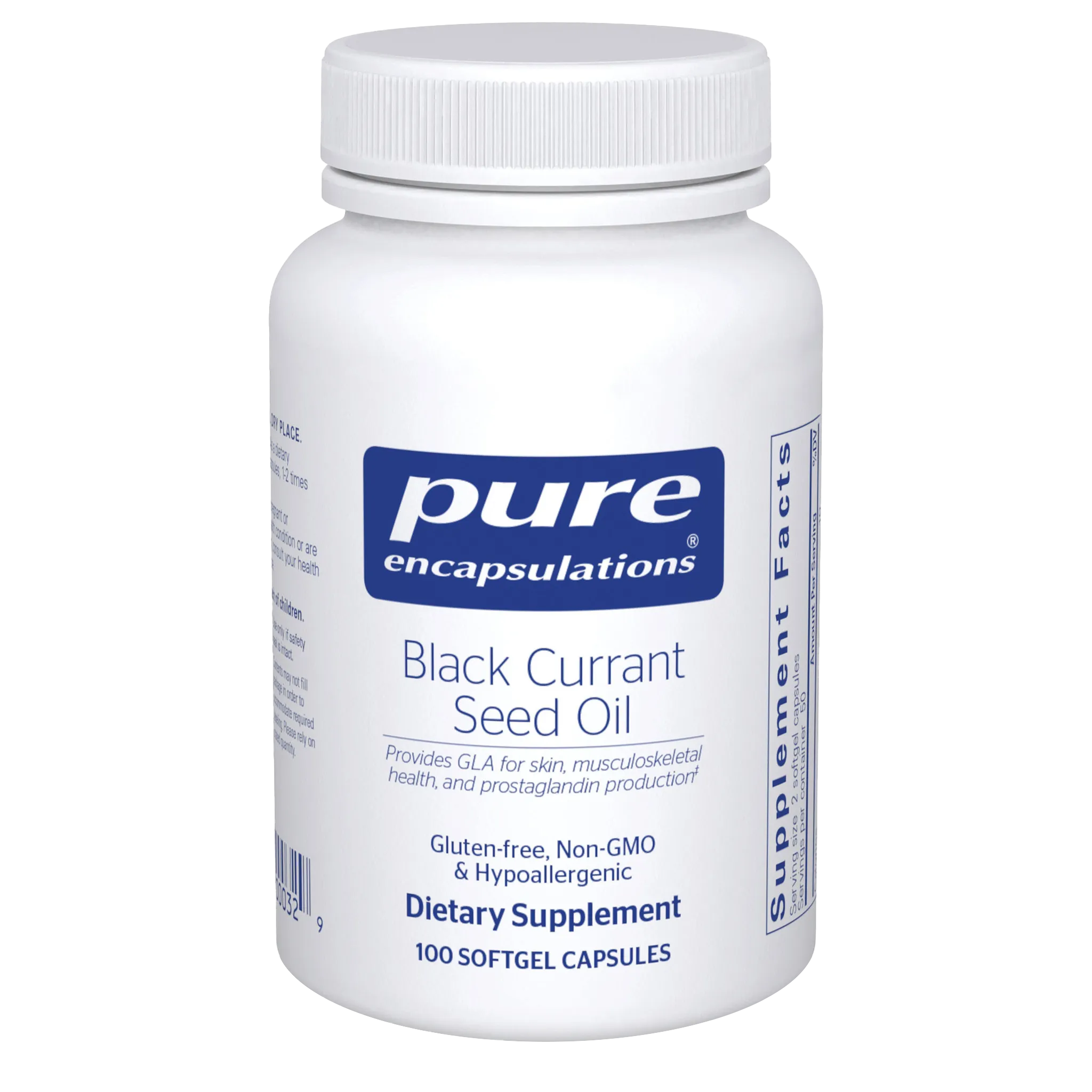
A standard, high-quality supplement like Pure Encapsulations Black Currant Seed typically provides 1,000 mg of the oil per softgel, yielding 140 mg of pure GLA. The standard suggested use is 2 softgel capsules taken 1-2 times daily. This provides a therapeutic daily dose of 280 mg to 560 mg of GLA, which is well within the range shown to support healthy cytokine activity and PGE1 production without causing excessive pill burden.
The Role of Vitamin E in Oil Stability
Polyunsaturated fatty acids are highly susceptible to oxidation. When exposed to light, heat, or oxygen, these delicate oils can become rancid, losing their therapeutic properties and potentially generating harmful free radicals. To prevent this, high-quality black currant seed oil supplements are formulated with Vitamin E (d-alpha-tocopherol). Vitamin E acts as a potent fat-soluble antioxidant, protecting the GLA molecules from oxidative damage both inside the capsule and after they are absorbed into the body's cellular membranes. This ensures that the oil retains its maximum biological efficacy.
Potential Drug Interactions and Safety Precautions
While black currant seed oil is generally considered safe and well-tolerated, its physiological effects require certain precautions. Because PGE1 is a natural vasodilator and mild inhibitor of platelet aggregation, GLA acts as a gentle blood thinner. Patients taking prescription anticoagulant or antiplatelet medications (such as Warfarin, Plavix, or daily Aspirin) should consult their healthcare provider before starting black currant seed oil, as the combination may increase the risk of bruising or bleeding.
Furthermore, because black currant seed oil modulates the cyclooxygenase (COX) pathways, taking it concurrently with high doses of Nonsteroidal Anti-inflammatory Drugs (NSAIDs) like ibuprofen or naproxen may alter the efficacy of the medications or increase the risk of gastrointestinal irritation. As always, it is crucial to discuss any new supplement with your medical team, especially if you are preparing for surgery or managing complex overlapping conditions.

Follow the Science: Clinical Evidence for GLA
Landmark Trials in Post-Viral Fatigue and ME/CFS
The scientific investigation into essential fatty acids for post-viral conditions has a rich history. In the early 1990s, a landmark double-blind, placebo-controlled trial led by Professor Peter Behan evaluated patients suffering from severe post-viral fatigue syndrome (now recognized under the umbrella of ME/CFS). The patients were given a high-dose supplement containing GLA alongside omega-3 fatty acids. The results were striking: after three months, 85% of the patients receiving the GLA combination reported clinically significant improvements in severe fatigue, muscle pain, dizziness, and cognitive dysfunction, compared to only 17% in the placebo group.
While subsequent studies have shown mixed results—likely due to the highly heterogeneous nature of ME/CFS and shifting diagnostic criteria—this foundational research established the critical importance of lipid metabolism in post-viral recovery. It demonstrated that bypassing the viral-induced blockade of the D6D enzyme with pre-formed GLA could restore cellular function and provide profound symptomatic relief for a subset of severely ill patients.
Efficacy in Rheumatoid Arthritis and Joint Pain
The evidence supporting black currant seed oil for joint health is robust. A pivotal randomized, double-blind, placebo-controlled trial published in the British Journal of Rheumatology evaluated the effects of black currant seed oil on patients with active rheumatoid arthritis. Over 24 weeks, the patients receiving the oil experienced a statistically significant reduction in joint tenderness and overall pain compared to the placebo group.
Another highly cited study from the same journal investigated the physiological changes in patients taking black currant seed oil. The researchers found that the immune cells (monocytes) isolated from patients taking the oil had a markedly reduced capacity to secrete inflammatory cytokines, specifically IL-1β, IL-6, and TNF-α. This provided clear, objective evidence that the oil was not just masking pain, but actively altering the underlying inflammatory disease process at the cellular level.
Emerging Data on Long COVID and Immune Modulation
As the medical community grapples with the Long COVID crisis, researchers are returning to the lipidomic theories established in ME/CFS research. Recent reviews in the journal Biomedicines have proposed that supplementing with essential fatty acids, including GLA, may help prevent and ameliorate post-COVID-19 long-haul manifestations. The rationale centers on the ability of these lipids to stabilize mast cells, support natural killer (NK) cell function, and resolve the chronic endothelial inflammation that drives dysautonomia and microclotting.
While large-scale, specific trials on black currant seed oil for Long COVID are still needed, the existing biochemical data and historical precedent in post-viral syndromes make it a highly rational and scientifically grounded supportive therapy.
The Path Forward
Integrating Nutritional Support into Your Protocol
Living with a complex chronic illness can feel like a constant battle against your own body. The unpredictable nature of symptoms—from sudden joint pain to crushing cognitive fatigue—can leave you feeling powerless. However, understanding the cellular mechanisms driving these symptoms offers a pathway to reclaiming control. By recognizing that viral infections and chronic stress can physically alter your body's ability to process essential fats, you can begin to implement targeted, science-backed interventions.
Black currant seed oil represents a powerful tool in this functional approach. By directly supplying your cells with the gamma-linolenic acid (GLA) they need to produce soothing, anti-inflammatory prostaglandins, you are actively supporting your body's natural healing pathways. While no single supplement is a cure for conditions like Long COVID or ME/CFS, integrating high-quality lipid support can help calm a hyperactive immune system, ease joint discomfort, and improve your overall quality of life. Be sure to explore our other resources, such as how to maintain your independence with chronic illness, to build a comprehensive management strategy.
A Collaborative Approach to Healing
At RTHM, we understand that true healing requires a multifaceted approach. Nutritional supplementation must be paired with careful pacing, nervous system regulation, and expert medical guidance. If you are struggling with chronic joint pain, persistent systemic inflammation, or the complex overlapping symptoms of post-viral syndromes, it may be time to evaluate your cellular lipid health.
Always consult with your healthcare provider before introducing new supplements to ensure they fit safely within your individualized treatment plan, especially if you are taking prescription medications. If you and your medical team decide that GLA support is right for you, we invite you to explore our carefully sourced, high-quality options.