Can Betaine HCl Support Digestion and Energy in Long COVID and Dysautonomia?
March 5, 2026
Betaine HClLong COVIDDysautonomia
Share:
Disclaimer: The information provided here is for educational purposes only and is not intended as medical advice. It should not be used to diagnose, treat, cure, or prevent any medical condition. Instead, use it as a starting point for discussion with your healthcare provider. Always consult with a qualified healthcare provider before starting any new medication, supplement, device, or making changes to your health regimen.
Months or even years after a mild SARS-CoV-2 infection, many individuals find themselves battling a bewildering array of symptoms that seem entirely disconnected from a respiratory virus. From severe bloating and unpredictable nausea to crushing fatigue and racing heart rates, the systemic fallout of complex chronic conditions can feel impossible to navigate. For patients living with Long COVID, myalgic encephalomyelitis/chronic fatigue syndrome (ME/CFS), and dysautonomia, the gastrointestinal tract often becomes a central battleground. But what happens when the very foundation of digestion—stomach acid—is compromised by nervous system dysfunction?
In the functional medicine space, the connection between autonomic nervous system damage, low stomach acid (hypochlorhydria), and profound systemic fatigue is becoming undeniably clear. When the body loses its ability to properly break down proteins and absorb vital amino acids, it triggers a cascade of energy depletion and gut dysbiosis. This is where targeted digestive support comes into play. In this comprehensive guide, we will explore the intricate science behind Betaine HCl and pepsin, examining how restoring the stomach's highly acidic environment may help patients reclaim their digestive health, improve nutrient absorption, and support their broader recovery journey.
What is Betaine HCl and Pepsin?
The Biochemistry of Gastric Acid Production
To understand the therapeutic value of Betaine HCl (Betaine Hydrochloride), we must first examine the natural physiology of a healthy human stomach. In a well-functioning digestive system, the stomach acts as a highly specialized, acidic biochemical chamber. The parietal cells lining the stomach wall are responsible for secreting hydrochloric acid (HCl), a potent compound that drops the gastric pH to a highly acidic range of 1.5 to 3.0. This extreme acidity is not a biological accident; it is an absolute physiological necessity for the initiation of the digestive cascade. When a solid dosage form of Betaine HCl is ingested, it utilizes its highly acidic pKa of 1.83 to rapidly dissociate in the aqueous environment of the stomach, releasing free protons (H+) and chloride ions to artificially recreate this essential acidic environment, as detailed in pharmacological research on gastric re-acidification.
The primary function of this profound acidity is the denaturation of dietary proteins. Proteins are complex, tightly folded three-dimensional molecules. When they encounter the harsh, low-pH environment created by natural stomach acid or supplemental Betaine HCl, these complex structures begin to unravel and lose their shape. This unraveling exposes the internal peptide bonds of the protein, making them accessible to the body's digestive enzymes. Without this initial acid-driven denaturation, proteins would pass through the stomach largely intact, severely limiting the body's ability to extract the vital amino acids locked within them. Furthermore, this acidic environment is strictly required to separate essential micronutrients—such as Vitamin B12, non-heme iron, and calcium—from their food carrier proteins, allowing them to be absorbed later in the small intestine.
Pepsin: The Master Protein Cleaver
While hydrochloric acid denatures proteins, it does not actually break them apart. That critical task falls to pepsin, the stomach's primary proteolytic (protein-digesting) enzyme. Pepsin is secreted by the stomach's chief cells in an inactive, precursor form known as pepsinogen. This is a brilliant biological safety mechanism; if the chief cells secreted active pepsin, the enzyme would immediately begin digesting the stomach's own cellular walls. Pepsinogen remains completely dormant until it is exposed to an environment with a pH of 2.0 to 3.0. Once the gastric pH drops into this critical window—either naturally or via the introduction of Betaine HCl—pepsinogen undergoes a rapid structural change, cleaving itself into the active enzyme, pepsin.
Once activated, pepsin acts like a pair of molecular scissors. It aggressively targets and cleaves the exposed peptide bonds of the denatured dietary proteins, chopping these massive molecules down into much smaller fragments known as peptides and peptones. This enzymatic cleavage is the indispensable first step in protein digestion. If the stomach fails to produce enough acid (a condition known as hypochlorhydria), the pH never drops low enough to activate pepsinogen. Consequently, pepsin is never formed, and whole, undigested proteins are prematurely dumped into the delicate small intestine. The inclusion of supplemental pepsin alongside Betaine HCl ensures that even if the body's natural chief cells are underperforming, the necessary enzymatic tools are present to initiate this vital breakdown process.
The Crucial Role of the Antimicrobial Barrier
Beyond digestion, the highly acidic environment of the stomach serves as the human body's first line of immunological defense against ingested pathogens. A gastric pH of 1.5 to 3.0 is a hostile, lethal environment for the vast majority of bacteria, yeast, and viruses that enter the body via the mouth. This "acid barrier" effectively sterilizes our food and prevents opportunistic microbes from colonizing the gastrointestinal tract. When stomach acid levels are optimal, pathogens are destroyed before they can ever reach the vulnerable, nutrient-rich environment of the small intestine.
When this barrier fails due to hypochlorhydria, the consequences are severe and systemic. A higher, less acidic gastric pH allows bacteria from the oral cavity and our food to survive the journey through the stomach. These surviving microbes then migrate into the small intestine—an area that is supposed to be relatively sterile. Here, they feed on the undigested carbohydrates and proteins that the stomach failed to break down, leading directly to conditions like Small Intestinal Bacterial Overgrowth (SIBO). By utilizing Betaine HCl to artificially restore the stomach's pH to its lethal, acidic baseline, patients can help re-establish this critical antimicrobial barrier, protecting the downstream gastrointestinal tract from dysbiosis and chronic inflammation.
How Dysautonomia and Long COVID Impact Stomach Acid
The Vagus Nerve: The Gut-Brain Superhighway
To understand why patients with complex chronic illnesses so frequently suffer from digestive failure, we must look beyond the gut itself and examine the autonomic nervous system. The vagus nerve, or the tenth cranial nerve, is the longest and most complex nerve in the body. It acts as the primary superhighway of the parasympathetic nervous system, which governs our "rest and digest" functions. The vagus nerve physically connects the brainstem to almost every major organ, including the heart, lungs, and the entire gastrointestinal tract. In a healthy individual, the simple act of chewing food sends sensory signals up to the brain, which then sends signals back down the vagus nerve to the stomach.
When these vagal signals reach the stomach, the nerve endings release a vital neurotransmitter called acetylcholine. Acetylcholine binds to specific receptors on the stomach's parietal cells, commanding them to pump out hydrochloric acid in preparation for the incoming meal. This seamless neurological communication is entirely automatic. However, when a patient develops dysautonomia—a dysfunction of the autonomic nervous system—this communication breaks down. The vagus nerve loses its "tone" and fails to transmit the necessary acetylcholine signals. Without this neurological command, the parietal cells simply do not secrete enough acid, resulting in profound, neurologically driven hypochlorhydria.
Viral Persistence and Autonomic Dysfunction
The connection between what causes Long COVID and this specific type of vagus nerve damage is a subject of intense and rapidly evolving medical research. Current clinical data suggests that the SARS-CoV-2 virus can trigger a prolonged neuro-inflammatory response that directly damages the vagus nerve. A landmark pilot study presented at the European Congress of Clinical Microbiology and Infectious Diseases (ECCMID) evaluated 348 Long COVID patients and found that a staggering 66% exhibited symptoms of Vagus Nerve Dysfunction (VND). Furthermore, ultrasound imaging revealed physical, structural alterations and thickening of the vagus nerve in over a quarter of the patients, indicating chronic reactive inflammation.
This virally induced autonomic damage explains why so many patients experience a sudden onset of severe gastrointestinal symptoms seen with Long COVID. When the vagus nerve is inflamed, it cannot regulate heart rate (leading to Postural Orthostatic Tachycardia Syndrome, or POTS), and it cannot regulate gut motility or acid secretion. This creates a terrifying reality for patients: their bodies are physically incapable of digesting food properly because their nervous system is too damaged to send the "digest" signal. This is not a psychological issue or a result of anxiety; it is a measurable, physiological failure of the gut-brain axis driven by post-viral neuroinflammation.
The Hypochlorhydria and SIBO Vicious Cycle
When Long COVID and dysautonomia blunt vagal tone and induce hypochlorhydria, patients are often trapped in a vicious, self-perpetuating cycle of illness. As previously mentioned, normal stomach acid (pH 1.5–3) acts as a primary immune defense. SARS-CoV-2, like many viruses, struggles to survive in a highly acidic environment. However, clinical research indicates that in a state of hypochlorhydria, the higher gastric pH allows the virus to survive the stomach and reach the ACE2 receptors abundantly present in the small intestine. This can lead to persistent viral reservoirs in the gut, which continuously trigger the immune system and drive chronic, systemic inflammation.
Simultaneously, the lack of stomach acid allows bacteria to flourish in the small intestine, triggering severe Small Intestinal Bacterial Overgrowth (SIBO). The overgrown bacteria ferment the undigested proteins that the stomach failed to break down, producing massive amounts of hydrogen and methane gas. This gas causes painful bloating and further paralyzes gut motility. Even worse, the bacteria consume the patient's ingested nutrients, leading to severe deficiencies in Vitamin B12, iron, and essential amino acids. This nutrient starvation directly exacerbates the crushing fatigue and brain fog that define these complex conditions, making it incredibly difficult to figure out how you can live with long-term COVID.
Betaine HCl: Supporting Digestion and Energy Production
Rapid Gastric Re-acidification
For patients suffering from neurologically driven hypochlorhydria, Betaine HCl offers a direct, targeted intervention to bypass the damaged vagus nerve signaling and manually restore the stomach's biochemical environment. The mechanism of action is both elegant and highly efficient. When a capsule of Betaine HCl is ingested prior to a meal, it travels safely through the esophagus and dissolves in the stomach. Upon dissolution, it rapidly releases free protons, aggressively driving down the gastric pH. This action does not rely on the body's compromised parietal cells; it is an exogenous, direct delivery of acidity.
The speed and potency of this re-acidification are well-documented in clinical literature. A foundational study published in Molecular Pharmaceutics by researchers at the University of California, San Francisco (UCSF) evaluated the effects of Betaine HCl on healthy volunteers whose stomach acid had been artificially suppressed by proton pump inhibitors (PPIs). The researchers found that a 1500 mg dose of Betaine HCl caused the gastric pH to plummet from a baseline of 5.2 down to a highly acidic 0.6. Remarkably, the mean time it took for the stomach pH to drop below the critical threshold of 3.0 was just 6.3 minutes. This rapid onset ensures that the stomach is perfectly primed and acidic by the time the dietary proteins arrive.
Amino Acid Absorption and the TCA Cycle
By restoring the stomach's acidity and providing supplemental pepsin, this formulation directly rescues the body's ability to digest protein. But why is protein digestion so critical for patients with chronic fatigue? The answer lies deep within our cellular mitochondria. When pepsin successfully cleaves dietary proteins into smaller peptides, those peptides travel to the small intestine where they are further broken down into single amino acids. These amino acids are then absorbed into the bloodstream. Amino acids are not just building blocks for muscle; they are essential substrates that fuel the Tricarboxylic Acid (TCA) cycle (also known as the Krebs cycle), which is the primary engine of cellular energy (ATP) production.
If you are wondering can Long COVID trigger ME/CFS, the metabolic data provides compelling clues. A landmark metabolomics study published in JCI Insight analyzed the blood profiles of patients with ME/CFS and discovered profound reductions in the specific serum amino acids that fuel the TCA cycle. The researchers concluded that impaired metabolic function forces ME/CFS patients to rapidly consume circulating amino acids just to maintain baseline energy. If a patient with this metabolic bottleneck also suffers from hypochlorhydria and cannot absorb new amino acids from their diet, their cellular energy production grinds to an absolute halt. By ensuring complete protein digestion, Betaine HCl and pepsin help guarantee a steady supply of these vital amino acids, directly supporting mitochondrial function and combating debilitating fatigue.
Restoring the Antimicrobial Barrier
In addition to rescuing energy production, restoring gastric acidity with Betaine HCl is a foundational step in treating gut dysbiosis and SIBO. Functional medicine practitioners often emphasize that you cannot permanently eradicate SIBO with antibiotics or herbal antimicrobials if the stomach acid barrier remains broken. If the "front door" of the digestive tract is left wide open due to high pH, new bacteria will simply wash down from the oral cavity and recolonize the small intestine the moment the antimicrobial treatment stops.
By taking Betaine HCl with meals, patients artificially recreate the lethal acid barrier that neutralizes ingested pathogens. Furthermore, by ensuring that proteins are fully digested into absorbable amino acids by pepsin, there are no large, putrefying protein fragments left over to travel into the small intestine. This effectively "starves" the overgrown bacteria of their primary food source. Over time, this dual action—sterilizing incoming food and starving existing overgrowths—helps to reduce the severe bloating, systemic inflammation, and mast cell activation that so frequently plague patients with complex chronic illnesses.
Symptoms Betaine HCl May Help Manage
Severe Post-Meal Bloating and Gas: By restoring gastric acidity, Betaine HCl ensures that food is properly broken down rather than sitting stagnant and fermenting in the upper GI tract. This drastically reduces the production of hydrogen and methane gases that cause painful, distended bloating immediately after eating.
Chronic Fatigue and Muscle Weakness: By activating pepsin and ensuring the complete breakdown of dietary proteins, this supplement facilitates the absorption of essential amino acids. These amino acids are required to fuel the TCA cycle for cellular ATP production, helping to combat the profound exhaustion seen in ME/CFS and Long COVID.
Acid Reflux and Heartburn (Paradoxical): Counterintuitively, acid reflux is often caused by low stomach acid. When food isn't digested properly due to hypochlorhydria, it ferments and creates gas pressure that forces the lower esophageal sphincter open, pushing whatever small amount of acid is present up into the esophagus. Betaine HCl helps empty the stomach efficiently, reducing this upward pressure.
Brain Fog and Cognitive Dysfunction: The brain relies heavily on specific amino acids (like tyrosine and tryptophan) to synthesize critical neurotransmitters such as dopamine and serotonin. By improving protein digestion and amino acid absorption, Betaine HCl supports the neurological building blocks necessary for clear cognitive function.
Nutrient Deficiencies (Iron and B12): The highly acidic environment created by Betaine HCl is strictly required to cleave Vitamin B12 and non-heme iron from their dietary carrier proteins. Restoring this acidity helps reverse the malabsorption-induced anemias that frequently exacerbate chronic illness symptoms.
Undigested Food in Stool: A clear clinical sign of hypochlorhydria and low enzyme activity is the visible presence of intact food particles in bowel movements. The combination of Betaine HCl and pepsin provides the necessary chemical and enzymatic tools to fully liquefy and process dietary matter.
Practical Considerations: Forms, Dosing, and Absorption
The Science of Clinical Dosing
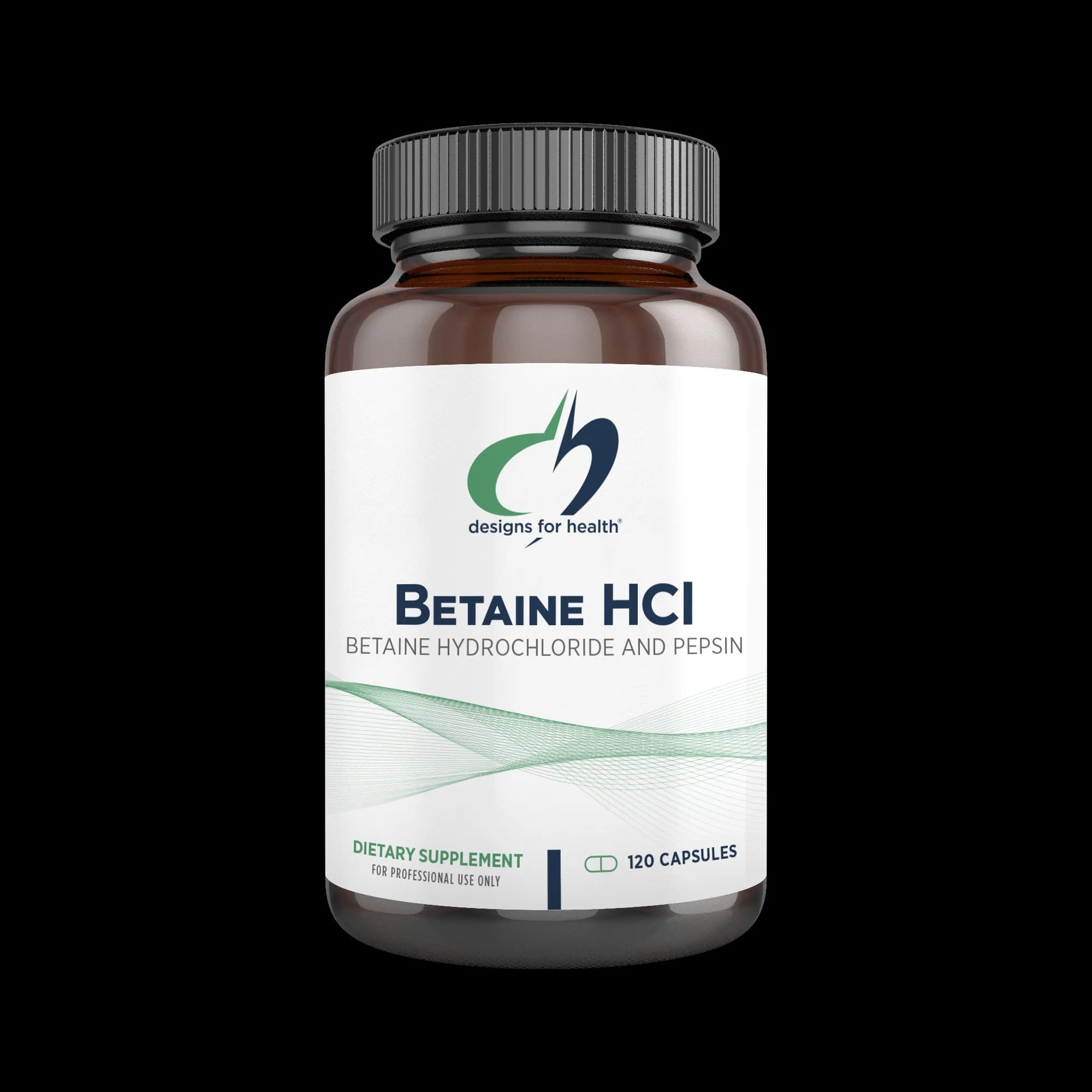
When utilizing Betaine HCl to manage hypochlorhydria, understanding proper dosing and administration is critical for success. Unlike many daily vitamins that are taken at a static dose, Betaine HCl requires a personalized, meal-dependent approach. Because the supplement is designed to mimic the body's natural release of gastric acid, it must be taken immediately prior to or during a meal containing protein. Taking it on an empty stomach without food to digest can lead to unnecessary irritation of the gastric lining. The standard starting dose is typically one capsule (providing 750 mg of Betaine HCl and 40 mg of pepsin) per meal.
In functional medicine, practitioners often use an empirical titration protocol to find a patient's optimal dose, as outlined in clinical reviews on functional hypochlorhydria. A patient will start with one capsule per protein-containing meal. If they do not experience any sensation of warmth or mild burning in their stomach, they may increase the dose to two capsules at their next similar-sized meal. This incremental increase continues until the patient feels a mild, transient warming sensation, which indicates that the stomach has reached its maximum acidic capacity. The patient then dials the dose back by one capsule, establishing their personalized maintenance dose. It is crucial to work closely with a healthcare provider during this titration process to ensure safety and efficacy.
The Buffering Effect of Food
The amount of Betaine HCl required is highly dependent on the size and macronutrient composition of the meal being consumed. Food naturally acts as an acid buffer; the larger the meal, and the higher the protein content, the more the gastric pH will rise, and the more acid is required to bring it back down. A 2019 randomized control trial evaluated this buffering effect and found that while a 1500 mg dose of Betaine HCl was highly effective at re-acidifying an empty stomach, it was insufficient to overcome the buffering effects of a standard, heavy meal.
The study demonstrated that it took a significantly higher dose—up to 4500 mg—to successfully re-acidify the gastric pH back to baseline within 17 minutes after a large meal. This pharmacokinetic data highlights why a static, one-capsule dose may not be sufficient for a heavy dinner, while it might be perfectly adequate for a light lunch. Patients must learn to adjust their Betaine HCl intake dynamically based on the caloric load and protein density of what they are eating. If you are tracking your meals to see do Long COVID symptoms come and go based on your diet, noting your Betaine HCl dosage alongside your food intake can provide valuable clinical insights.
Safety Profile and Contraindications
While Betaine HCl is generally well-tolerated by individuals with intact gastric mucosal barriers, it is a potent source of hydrochloric acid and must be used with strict adherence to safety guidelines. The supplement is strictly contraindicated for anyone who has been diagnosed with active gastritis, peptic ulcer disease, esophageal strictures, or who overproduces gastric acid. Introducing exogenous acid to a stomach lining that is already inflamed or ulcerated can cause severe pain and exacerbate mucosal damage. Patients taking non-steroidal anti-inflammatory drugs (NSAIDs) or corticosteroids, which can thin the stomach lining, should consult their doctor before use.
Furthermore, Betaine HCl capsules must always be swallowed whole. They should never be opened, chewed, or dissolved in liquid before ingestion. The protective capsule is designed to bypass the oral cavity and the esophagus—which lack the thick, protective mucosal layer of the stomach—and deliver the acid directly to the gastric lumen. Direct contact with the free powder can cause severe damage to tooth enamel and painful chemical burns to the esophageal lining. Always take the capsules with an adequate amount of water to ensure they travel swiftly into the stomach.
Follow the Science: Clinical Trials and Research
The Fasting State and Rapid pH Drops
The clinical efficacy of Betaine HCl as a potent gastric acidifier is supported by rigorous pharmacokinetic trials. Historically, the supplement was used based on empirical clinical observation, but modern studies using advanced Heidelberg pH capsules have provided precise data on its mechanisms. The most highly cited foundational trial, conducted by researchers at the University of California, San Francisco (UCSF) and published in Molecular Pharmaceutics, sought to determine if Betaine HCl could counteract drug-induced hypochlorhydria. The researchers administered proton pump inhibitors (PPIs) to healthy volunteers to artificially suppress their stomach acid, raising their baseline gastric pH above 4.0.
Once the hypochlorhydric state was confirmed, the subjects were given a 1500 mg dose of Betaine HCl. The results were dramatic and rapid. The continuous pH monitoring revealed that the gastric pH plummeted from an average of 5.2 down to a highly acidic 0.6. The mean time it took for the stomach environment to drop below the critical digestive threshold of a 3.0 pH was an astonishingly fast 6.3 minutes. The study also noted that this re-acidification was strictly temporary, lasting for an average of 73 minutes before the stomach rebounded to its hypochlorhydric state. This data perfectly aligns with the functional medicine protocol of taking the supplement immediately before a meal, as it provides a rapid, temporary window of profound acidity precisely when it is needed for digestion.
Overcoming the Meal Buffer
While the UCSF study proved Betaine HCl's efficacy in a fasted state, real-world digestion involves the complex buffering effects of food. A subsequent randomized control trial in 2019 (NCT02758015) evaluated how escalating doses of Betaine HCl performed when administered alongside a standardized meal. The researchers found that the meal naturally elevated the stomach pH to a maximum of 3.20, and without supplementation, it took subjects nearly 50 minutes to naturally return to baseline acidity.
Crucially, the study revealed that the 1500 mg dose, which was so effective on an empty stomach, failed to overcome the buffering effect of the food. It required the maximum tested dose of 4500 mg of Betaine HCl to successfully re-acidify the gastric environment, reducing the time to normal acidity down to just 17.3 minutes. This clinical data underscores the importance of meal-dependent dosing and validates the empirical titration protocols used by integrative practitioners to manage severe hypochlorhydria in chronic illness patients.
Amino Acid Profiling in ME/CFS
The downstream clinical relevance of using Betaine HCl and pepsin to ensure proper protein digestion is highlighted by metabolomic research into chronic fatigue. The landmark 2016 study published in JCI Insight analyzed the metabolic profiles of 200 patients with ME/CFS compared to healthy controls. The researchers discovered that ME/CFS patients suffer from impaired pyruvate dehydrogenase (PDH) function, which creates a severe bottleneck in cellular energy production.
To bypass this bottleneck, the bodies of ME/CFS patients are forced to rapidly consume circulating amino acids to fuel the TCA cycle and maintain baseline ATP levels. The study found specific, profound reductions in these vital serum amino acids among the patient cohort. This research highlights why optimizing protein digestion and amino acid absorption via targeted gastric support is not just about relieving bloating; it is a critical metabolic intervention required to prevent cellular starvation and manage the debilitating crashes associated with these complex conditions.
The Path Forward
Validating the Invisible Struggle
Living with complex chronic conditions like Long COVID, ME/CFS, and dysautonomia is an exhausting, often invisible battle. When your autonomic nervous system is compromised, even the basic, automatic functions of life—like digesting a meal or standing up—become monumental physiological tasks. The severe gastrointestinal symptoms, profound fatigue, and cognitive dysfunction you experience are not in your head; they are the result of measurable, physiological disruptions to your gut-brain axis, vagus nerve, and cellular metabolism. Validating this reality is the first and most important step toward finding effective management strategies.
A Comprehensive Approach to Gut Health
While the journey to recovery is complex, understanding the mechanics of your own body provides a roadmap forward. By recognizing the critical role that stomach acid and enzymatic activity play in systemic health, you can begin to address the root causes of nutrient malabsorption and gut dysbiosis. Betaine HCl with pepsin is a powerful, targeted tool designed to bypass neurological dysfunction and manually restore the stomach's vital acidic environment, supporting protein digestion and cellular energy production. However, it is just one piece of a comprehensive, integrative approach that should include pacing, nervous system regulation, and personalized medical care. Always consult with your healthcare provider before introducing new supplements, especially those that alter gastric pH, to ensure they are safe and appropriate for your unique clinical picture.