Can Beta-Sitosterol Support Prostate Health and Immune Balance in Long COVID?
March 5, 2026
Beta-SitosterolProstate HealthLong COVID
Share:
Disclaimer: The information provided here is for educational purposes only and is not intended as medical advice. It should not be used to diagnose, treat, cure, or prevent any medical condition. Instead, use it as a starting point for discussion with your healthcare provider. Always consult with a qualified healthcare provider before starting any new medication, supplement, device, or making changes to your health regimen.
Navigating the daily realities of complex chronic illnesses like Long COVID, myalgic encephalomyelitis/chronic fatigue syndrome (ME/CFS), and dysautonomia often feels like an endless battle against a cascade of unpredictable symptoms. While debilitating fatigue, brain fog, and post-exertional malaise (PEM) frequently dominate the clinical conversation, many patients also quietly struggle with localized issues, such as urinary dysfunction, pelvic pain, and exacerbated prostate symptoms. These localized symptoms are rarely isolated; they are deeply intertwined with the systemic inflammation, autonomic nervous system dysfunction, and immune dysregulation that characterize these invisible illnesses.
For men managing these overlapping conditions, finding targeted relief that supports both localized prostate health and systemic immune balance is a critical piece of the puzzle. Enter beta-sitosterol, a naturally occurring plant sterol that has long been celebrated in urological health for its ability to support healthy urinary flow and prostate function. However, emerging scientific research reveals that this powerful phytosterol does much more than alleviate benign prostatic hyperplasia (BPH) symptoms. With potent immunomodulatory properties, the ability to stabilize mast cells, and profound anti-inflammatory effects, beta-sitosterol offers a fascinating, multi-targeted approach for individuals seeking to manage the complex web of chronic illness symptoms.
TL;DR
Beta-sitosterol supports prostate health and urinary function by naturally inhibiting the 5-alpha-reductase enzyme.
It may help manage systemic inflammation by calming the NLRP3 inflammasome and stabilizing mast cells.
The supplement acts as an immunomodulator, helping restore immune balance in complex chronic conditions.
For optimal results, always take beta-sitosterol with dietary fats due to its low oral bioavailability.
What is Beta-Sitosterol?
The Plant-Based Cholesterol Twin
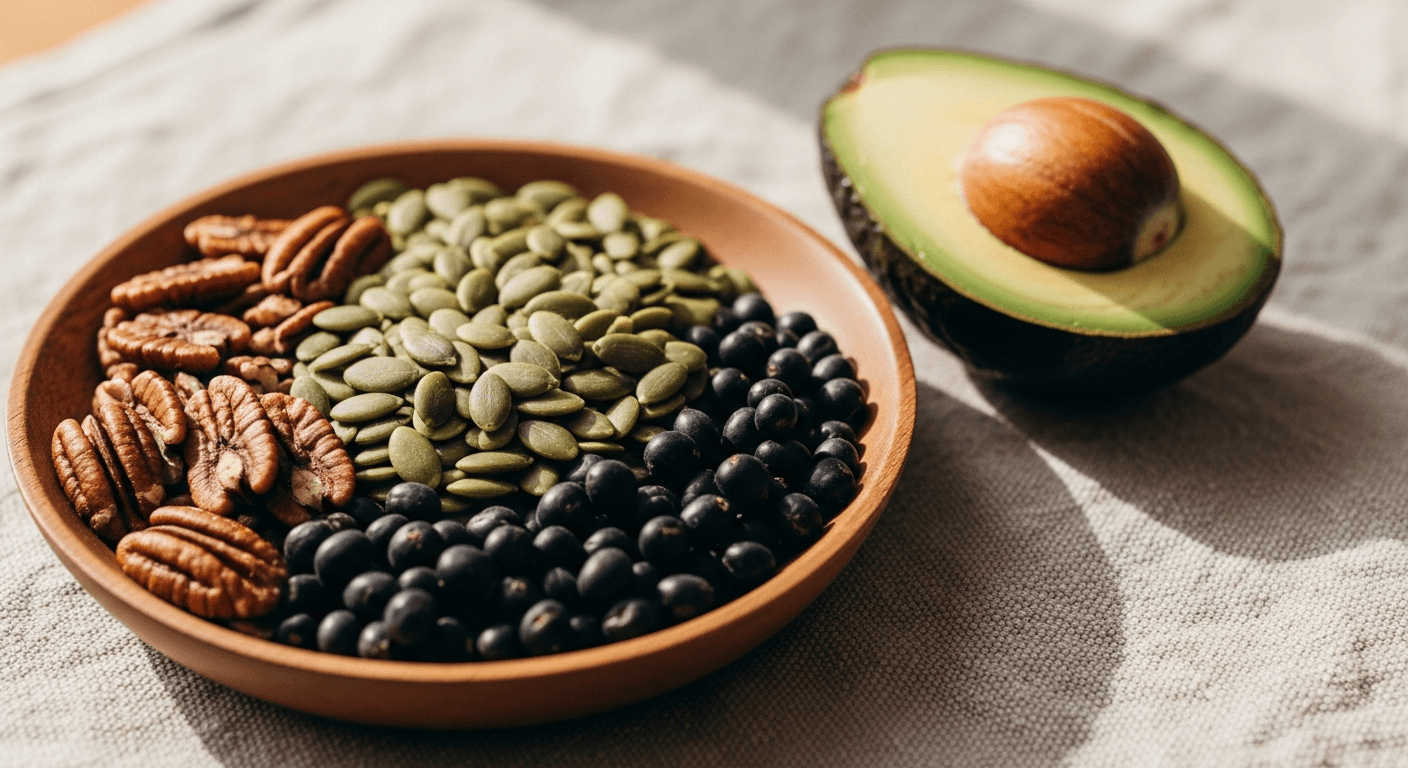
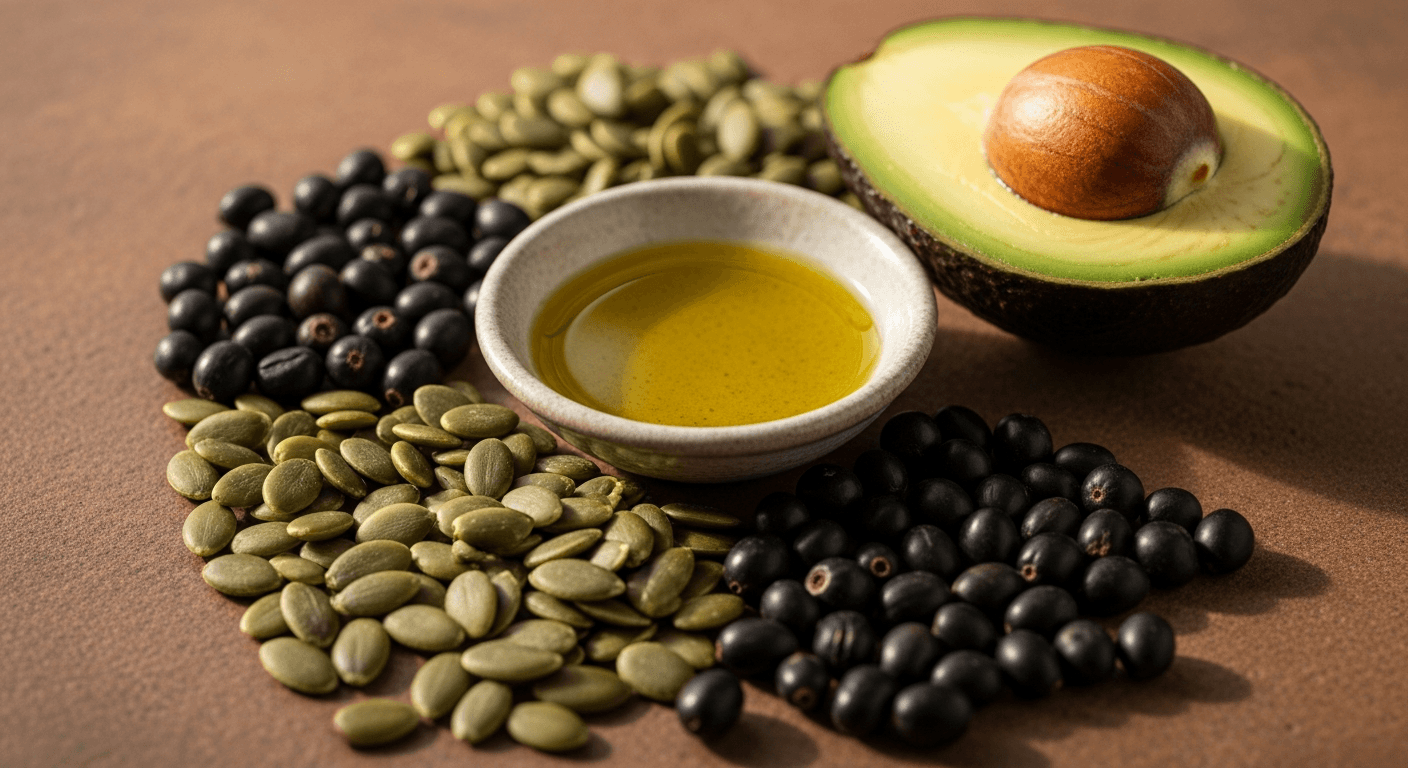
Beta-sitosterol (chemically known as C₂₉H₅₀O) is one of the most abundant and extensively researched plant sterols, or phytosterols, found in nature. It is naturally present in a variety of nuts, seeds, legumes, vegetable oils, and specific botanicals like saw palmetto and pumpkin seeds. At a molecular level, beta-sitosterol shares a striking structural homology with mammalian cholesterol. The primary difference lies in a subtle variation in its hydrocarbon side chain, specifically the addition of an ethyl group at the C-24 position. This minor structural distinction fundamentally alters how the human body processes the molecule, allowing beta-sitosterol to exert profound physiological effects without contributing to human cholesterol burdens.
Because of its structural mimicry, beta-sitosterol is highly lipophilic (fat-soluble) and is capable of intercalating directly into cellular membranes. In a healthy body, cholesterol is essential for maintaining the fluidity and structural integrity of these lipid bilayers. When beta-sitosterol is introduced into the diet or taken as a supplement, it competes with cholesterol for space within these membranes. This competition alters the biophysical properties of the cell membrane, influencing the behavior of membrane-bound proteins, ion channels, and receptor complexes. This membrane-altering capability is the foundational mechanism behind many of beta-sitosterol's therapeutic benefits, ranging from cardiovascular support to the modulation of complex intracellular signaling cascades.
Intestinal Absorption and the ABC Transporters
The way the human digestive system interacts with beta-sitosterol is a marvel of evolutionary biology. When you consume dietary cholesterol, your intestines absorb roughly 50% of it into the bloodstream. However, the systemic absorption of beta-sitosterol is strictly limited to less than 5%. In the intestinal lumen, both cholesterol and beta-sitosterol rely on bile salt micelles—tiny lipid transport vehicles secreted by the gallbladder—to be absorbed by the intestinal lining (enterocytes). Because beta-sitosterol has a higher physiochemical affinity for these micelles, it aggressively displaces dietary and biliary cholesterol, effectively blocking cholesterol from being absorbed.
Once beta-sitosterol enters the enterocyte via the Niemann-Pick C1-Like 1 (NPC1L1) transport protein, the body immediately recognizes that it is a plant sterol, not human cholesterol. In response, specialized ATP-binding cassette efflux transporters, specifically ABCG5 and ABCG8, actively pump the vast majority of the beta-sitosterol back out into the intestinal tract. This highly efficient biological filtration system ensures that systemic exposure to plant sterols remains incredibly low, while the displaced cholesterol and the unabsorbed beta-sitosterol are safely excreted in the feces. This localized action in the gut is precisely why phytosterols are so effective at managing hyperlipidemia.
Beyond Cholesterol: Systemic Immune Modulation
While beta-sitosterol is most famous for its cholesterol-lowering and prostate-supporting properties, its role as a systemic immune modulator is gaining significant traction in the context of chronic illness. Unlike traditional immunosuppressive medications that broadly blunt the immune system, beta-sitosterol acts as a biological adaptogen, helping to restore homeostasis to a dysregulated immune network. Research indicates that it actively influences macrophage polarization, shifting these critical white blood cells from the highly inflammatory "M1" phenotype to the anti-inflammatory, tissue-repairing "M2" phenotype.
Furthermore, beta-sitosterol has been shown to interact with the Nuclear Factor kappa B (NF-κB) signaling pathway, a master regulator of inflammation within the body. By inhibiting the phosphorylation and activation of NF-κB, beta-sitosterol prevents this protein complex from translocating into the cell nucleus, thereby halting the transcription of pro-inflammatory cytokines like Tumor Necrosis Factor-alpha (TNF-α) and Interleukin-6 (IL-6). This ability to calm hyperactive immune responses at the genetic level makes beta-sitosterol a compelling compound for researchers studying infection-associated chronic conditions and autoimmune dysregulation.
How Chronic Illness Impacts Immune and Autonomic Function
The Autonomic Nervous System and Urinary Dysfunction
To understand how chronic illness impacts localized systems like the prostate and bladder, we must first examine the autonomic nervous system (ANS). The ANS controls all involuntary bodily functions, including heart rate, digestion, and urinary tract function. In conditions like dysautonomia, which frequently overlaps with Long COVID and ME/CFS, the delicate balance between the sympathetic ("fight or flight") and parasympathetic ("rest and digest") nervous systems is severely disrupted. Normal urinary function requires highly coordinated autonomic signaling: the parasympathetic nervous system must stimulate the detrusor muscle of the bladder to contract, while the sympathetic nervous system must simultaneously signal the urethral sphincters to relax.
When autonomic neuropathy or severe dysautonomia is present, this coordinated signaling breaks down. Patients may develop a neurogenic bladder, leading to unpredictable symptoms such as urinary retention, incomplete emptying, frequent urgency, or pelvic floor spasms. For men who already have underlying benign prostatic hyperplasia (BPH)—a common condition where the prostate gland enlarges as men age—this autonomic dysfunction acts as an accelerant. The physical obstruction caused by an enlarged prostate, combined with the neurological misfiring of dysautonomia, can turn mild urinary hesitancy into a debilitating daily struggle, severely impacting quality of life and sleep architecture. Patients often wonder What Are the Symptoms of Long COVID? and are surprised to learn that autonomic urinary dysfunction is a common, yet under-discussed, manifestation.
Viral Persistence and the Cytokine Storm
The pathophysiology of Long COVID and ME/CFS is heavily driven by chronic, low-grade systemic inflammation. Understanding What Causes Long COVID? is essential for grasping why this inflammation occurs. Current research suggests that fragments of the SARS-CoV-2 virus, or the virus itself, may persist in hidden tissue reservoirs long after the acute infection has cleared. This viral persistence constantly triggers the innate immune system, trapping the body in a perpetual state of immune defense. This ongoing battle results in the continuous release of inflammatory cytokines, often referred to as a prolonged "cytokine storm."
The primary drivers of this post-viral cytokine storm are Interleukin-6 (IL-6), Interleukin-1 beta (IL-1β), and TNF-α. When these inflammatory mediators circulate systemically, they do not just cause generalized fatigue and brain fog; they infiltrate localized tissues, including the prostate and the endothelial lining of the urinary tract. Chronic inflammation in the prostate gland (prostatitis) causes the tissue to swell, further compressing the urethra and exacerbating BPH symptoms. This creates a vicious cycle: systemic viral inflammation worsens localized prostate swelling, which causes urinary retention, which in turn increases the risk of urinary tract infections and further physiological stress.
Mast Cell Activation and Systemic Hypersensitivity
Another critical component of the chronic illness web is mast cell activation syndrome (MCAS). Mast cells are specialized white blood cells stationed at the mucosal borders of the body, including the respiratory tract, gastrointestinal lining, and the genitourinary system (the bladder and prostate). In a healthy immune system, mast cells act as sentinels, releasing histamine and other chemical mediators to orchestrate a defense against pathogens or toxins. However, in MCAS, these cells become hyper-reactive and degranulate inappropriately in response to benign triggers like temperature changes, specific foods, or physical exertion.
When mast cells within the pelvic region degranulate, they release massive amounts of histamine, tryptase, and prostaglandins directly into the surrounding tissues. This localized histamine dump causes intense vascular permeability, tissue swelling, and pain. In the bladder, this can manifest as interstitial cystitis (painful bladder syndrome), characterized by severe urgency and pelvic pain that mimics a urinary tract infection despite negative bacterial cultures. In the prostate, mast cell degranulation drives chronic, non-bacterial prostatitis. The systemic hypersensitivity driven by MCAS makes managing these localized symptoms incredibly difficult, as the entire mucosal lining of the genitourinary tract remains in a state of constant, allergic-type inflammation.
Beta-Sitosterol: Supporting Prostate Health and Immune Balance
Inhibiting 5-Alpha-Reductase for Prostate Health
For decades, beta-sitosterol has been a cornerstone of natural urological care, primarily due to its profound impact on prostate histology and hormonal metabolism. The prostate gland's growth is heavily regulated by androgens, specifically dihydrotestosterone (DHT). Within the prostate tissue, the enzyme 5-alpha-reductase is responsible for converting circulating testosterone into DHT. DHT binds to androgen receptors in the prostate with a much higher affinity than testosterone, acting as a potent cellular signal that drives the proliferation of prostate epithelial and stromal cells. Over time, this androgen-driven proliferation leads to benign prostatic hyperplasia (BPH), physically compressing the urethra.
Beta-sitosterol acts as a natural, physical inhibitor of the 5-alpha-reductase enzyme. By binding to and inhibiting this enzyme, beta-sitosterol significantly reduces the intracellular conversion of testosterone to DHT within the prostate gland. Without the constant stimulatory signal from DHT, the rapid proliferation of prostate cells slows down. While clinical trials show that beta-sitosterol does not necessarily shrink the overall volume of an already enlarged prostate, this enzymatic inhibition reduces localized tissue tension and helps limit further rapid growth. This mechanism is remarkably similar to the action of prescription BPH medications, offering a targeted approach to relieving the mechanical obstruction of the urethra.
The downstream effect of this 5-alpha-reductase inhibition is a marked improvement in urinary mechanics. By relieving the physical pressure on the urethra and modulating the tone of the prostate's smooth muscle, beta-sitosterol allows the bladder to empty more completely. This increases the peak urinary flow rate (Qmax) and significantly reduces the volume of urine left in the bladder after voiding (post-void residual). For patients dealing with the overlapping challenges of dysautonomia and BPH, improving the mechanical flow of urine is a critical step in reducing the daily burden of urinary frequency and urgency.
Calming the NLRP3 Inflammasome and IL-6
Beyond its hormonal effects, beta-sitosterol exerts powerful anti-inflammatory actions at the cellular level by targeting the NLRP3 inflammasome. The inflammasome is an intracellular multi-protein complex that acts as a primary sensor for cellular danger and stress. When activated by viral fragments, oxidative stress, or tissue damage, the NLRP3 inflammasome triggers the activation of an enzyme called caspase-1. Caspase-1 then cleaves pro-inflammatory cytokines, specifically pro-IL-1β and pro-IL-18, into their active, highly inflammatory forms, releasing them into the systemic circulation.
In vitro pharmacological studies demonstrate that beta-sitosterol actively suppresses the assembly and activation of the NLRP3 inflammasome. By halting the activation of caspase-1, beta-sitosterol effectively cuts off the supply of mature IL-1β and IL-18 at the source. This is a profound mechanism for patients with Long COVID and ME/CFS, as it directly addresses the innate immune hyperactivation that drives post-viral fatigue and systemic pain. By silencing the cellular alarm bells, beta-sitosterol helps protect tissues from chronic, self-perpetuating inflammatory damage.
IL-6 is widely recognized as the primary architect of the COVID-19 cytokine storm and a major factor in the persistence of Long COVID symptoms.
Restoring Th1/Th2 Immune Homeostasis
A healthy immune system maintains a delicate balance between Th1 cells (which are responsible for fighting intracellular pathogens like viruses and bacteria) and Th2 cells (which handle extracellular parasites and drive allergic responses). In many complex chronic illnesses, particularly ME/CFS and Long COVID, this balance becomes severely skewed. Patients often exhibit a state of "Th2 dominance," where the antiviral Th1 response is exhausted and suppressed, while the allergic Th2 response is hyperactive. This imbalance allows latent viruses (like Epstein-Barr Virus) to reactivate while simultaneously causing severe allergic sensitivities and systemic inflammation.
Beta-sitosterol acts as a potent immunomodulator to correct this specific imbalance. Research shows that plant sterols selectively enhance Th1 cellular activity, boosting the body's natural ability to target and clear persistent viral reservoirs. Simultaneously, beta-sitosterol downregulates the overactive Th2 response, calming the production of allergy-driving cytokines like Interleukin-4 (IL-4). By restoring the Th1/Th2 equilibrium, beta-sitosterol helps revive suppressed antiviral immunity while buffering the profound physical stress responses associated with post-exertional crashes.
Stabilizing Mast Cells in MCAS
For patients battling mast cell activation syndrome (MCAS), beta-sitosterol offers a highly targeted mechanism of action: physical mast cell stabilization. In order for a mast cell to degranulate and release its inflammatory payload of histamine, it requires a massive influx of intracellular calcium ions. Specific research on atopic and allergic conditions has proven that beta-sitosterol effectively blocks this intracellular calcium influx within human mast cell lines. Without the necessary calcium spike, the mast cell remains stable, and the degranulation process is halted.
By preventing degranulation, beta-sitosterol significantly suppresses serum levels of histamine, Immunoglobulin E (IgE), and Thymic Stromal Lymphopoietin (TSLP)—an epithelial cytokine heavily implicated in triggering severe allergic diseases. This stabilization is particularly beneficial for the mucosal linings of the bladder and prostate, where hyperactive mast cells drive interstitial cystitis and non-bacterial prostatitis. By lowering the localized histamine burden, beta-sitosterol helps soothe irritated pelvic tissues and reduces systemic allergic reactivity.
Symptoms Beta-Sitosterol May Help Manage
Targeted Urinary and Prostate Relief
Frequent Urination and Urgency: By physically inhibiting the 5-alpha-reductase enzyme and reducing localized prostate inflammation, beta-sitosterol relieves mechanical pressure on the urethra, reducing the constant, irritating urge to void.
Incomplete Bladder Emptying: Clinical trials show that beta-sitosterol significantly increases peak urinary flow rates (Qmax) and decreases post-void residual urine volume, helping patients empty their bladders more effectively and reducing the risk of urinary tract infections.
Nocturia (Nighttime Urination): By improving bladder emptying and reducing pelvic tissue irritation, beta-sitosterol helps decrease the number of nighttime awakenings required to urinate. This is absolutely critical for chronic illness patients who already suffer from severe fatigue, unrefreshing sleep, and disrupted circadian rhythms.
Pelvic Pain and Prostatitis: Through its suppression of the NLRP3 inflammasome and stabilization of localized mast cells, beta-sitosterol helps calm the non-bacterial, allergic-type inflammation that drives chronic pelvic pain syndromes.
Systemic and Immunological Support
Systemic Inflammation and Cytokine Storms: By halting the activation of caspase-1, beta-sitosterol helps dismantle the systemic inflammatory networks that drive post-viral malaise, brain fog, and generalized body pain.
Histamine Intolerance and MCAS Reactivity: By blocking intracellular calcium influx in mast cells, beta-sitosterol prevents the degranulation of histamine and IgE, providing systemic relief from the unpredictable allergic reactions and mucosal swelling characteristic of MCAS.
Immune Exhaustion and Viral Persistence: By acting as an immunomodulator, beta-sitosterol helps correct Th2 dominance, reviving the Th1 antiviral response needed to keep latent viruses (like EBV or persistent SARS-CoV-2 fragments) in check, while simultaneously buffering the immune system against physical stress.
Practical Considerations: Forms, Dosing, and Absorption
The Paradox of Low Bioavailability
When discussing nutritional supplements, high bioavailability is usually the ultimate goal. However, beta-sitosterol presents a fascinating biological paradox: its exceptionally low oral bioavailability is actually the key to its safety and efficacy. Advanced isotope tracer studies utilizing accelerator mass spectrometry have revealed that the absolute oral bioavailability of beta-sitosterol in healthy humans is a mere 0.41%. The vast majority of the compound never enters the systemic bloodstream.
This minimal absorption is entirely intentional by design of the human body. Because beta-sitosterol structurally mimics cholesterol, the intestinal enterocytes utilize the Niemann-Pick C1-Like 1 (NPC1L1) transporter to pull it from the gut lumen. However, the body immediately deploys the ABCG5 and ABCG8 efflux pumps to aggressively push the plant sterols back into the digestive tract. This localized retention allows beta-sitosterol to remain in the gut, where it can effectively compete with cholesterol for micellar solubilization and exert localized immunomodulatory effects on the gut-associated lymphoid tissue (GALT), all without causing systemic lipid toxicity.
Why Dietary Fat is Non-Negotiable
One of the most critical practical considerations when taking beta-sitosterol is timing and food pairing. Because the molecule is highly lipophilic (fat-soluble) and practically insoluble in water, it absolutely must be taken with a meal that contains dietary fat. When you consume fat, it triggers the gallbladder to release bile into the small intestine. These bile salts are required to form micelles—the tiny lipid transport vehicles that beta-sitosterol uses to interact with and block cholesterol absorption.
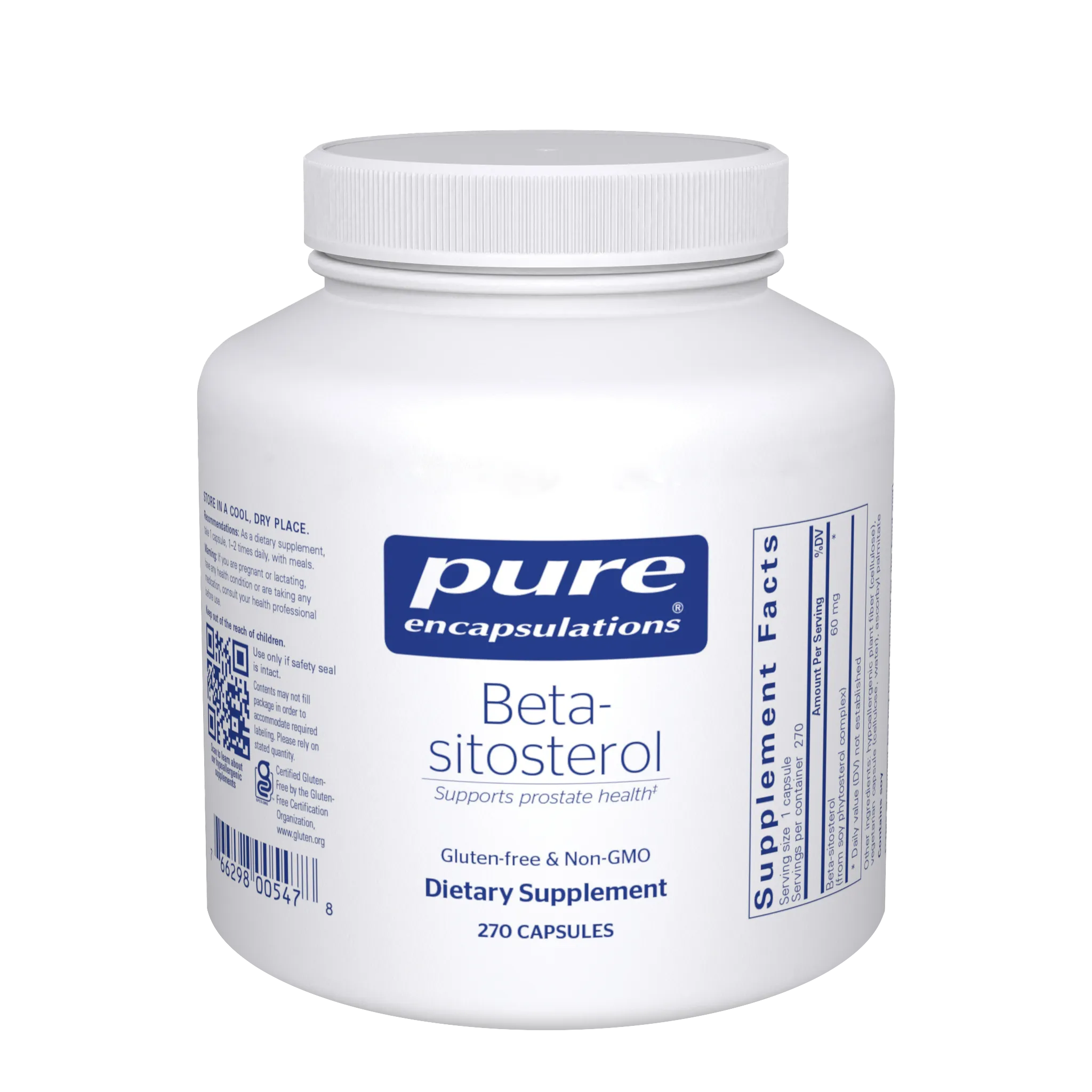
Taking beta-sitosterol on an empty stomach, or with a completely fat-free meal, renders the supplement largely ineffective, as there will be insufficient bile to break down the sterol complex. To achieve optimal results, whether for prostate health or immune modulation, the supplement should be taken simultaneously with meals containing healthy fats, such as olive oil, avocados, or nuts. The 60 mg dose provided in the pure encapsulations phytosterol complex is specifically formulated to be taken 1-2 times daily with meals to ensure maximum interaction with the digestive process.
Safety, Interactions, and Sitosterolemia
Beta-sitosterol is Generally Recognized As Safe (GRAS) by the FDA and is well-tolerated by the vast majority of the population. However, because its primary mechanism involves disrupting lipid absorption in the gut, it can inadvertently reduce the absorption of important fat-soluble vitamins, specifically beta-carotene, alpha-carotene, and Vitamin E. Healthcare providers often recommend that individuals taking daily phytosterol supplements ensure their diet is rich in colorful fruits and vegetables to offset this minor reduction in carotene absorption. If you are exploring What Drugs Are Used for COVID Long Haulers?, it is important to note that beta-sitosterol may interact moderately with cholesterol-lowering medications like ezetimibe or statins, and should be spaced apart from bile acid sequestrants.
There is one strict and absolute contraindication for beta-sitosterol supplementation: a rare, autosomal recessive genetic disorder known as sitosterolemia (or phytosterolemia). Individuals with this condition possess genetic mutations in their ABCG5 or ABCG8 efflux transporters. Because their bodies cannot pump plant sterols back into the gut, they hyper-absorb beta-sitosterol, leading to a massive, toxic accumulation in the blood. This accumulation drives premature cardiovascular disease and the formation of fatty skin deposits (xanthomas). For anyone with a known diagnosis or family history of sitosterolemia, all plant sterol supplements must be strictly avoided.
Follow the Science
Landmark Trials in Urological Health
The clinical efficacy of beta-sitosterol for urological health is supported by several robust, large-scale clinical trials. A cornerstone of phytosterol research is the landmark trial by Berges et al., published in The Lancet. This randomized, double-blind, placebo-controlled multicenter study evaluated 200 male patients suffering from benign prostatic hyperplasia (BPH). The patients were given 20 mg of beta-sitosterol three times daily for a period of six months. The results were highly statistically significant and demonstrated profound mechanical relief for the patients.
In the Berges trial, the treatment group experienced a dramatic 7.4-point decrease in their International Prostate Symptom Score (IPSS), compared to only a 2.1-point decrease in the placebo group. Furthermore, objective urodynamic measurements showed that peak urinary flow (Qmax) increased from an average of 9.9 mL/s to 15.2 mL/s, and the volume of residual urine left in the bladder decreased by more than half (from 65.8 mL to 30.4 mL). These findings were later corroborated by an 18-month follow-up trial, which confirmed that beta-sitosterol maintained healthy urinary function long-term without significant adverse effects.
Emerging Research in Viral and Immune Contexts
While its urological benefits are well-established, modern research is increasingly focused on beta-sitosterol's potential in virology and immunology. Recent molecular docking studies published in Scientific Archives investigated beta-sitosterol as a direct inhibitor of the SARS-CoV-2 virus. The research demonstrated that beta-sitosterol possesses a remarkably strong binding affinity (-7.8 kcal/mol) to the Receptor Binding Domain (RBD) of the SARS-CoV-2 Spike Glycoprotein. By forming stable hydrogen and alkyl bonds with the spike protein, beta-sitosterol may restrict the virus's ability to invade host cells via the ACE-2 receptor, offering a fascinating avenue for post-viral research.
Beta-sitosterol has also demonstrated systemic anti-inflammatory power in murine models. When combined with its proven ability to downregulate TSLP in atopic dermatitis models, the scientific literature paints a clear picture of beta-sitosterol as a highly versatile, multi-targeted immunomodulator capable of addressing both localized tissue stress and systemic immune exhaustion.
The Path Forward
Integrating Supplements into Complex Care
Living with invisible, complex chronic illnesses requires an immense amount of resilience and a highly individualized approach to symptom management. When navigating the medical system, knowing How Does a Doctor Diagnose Long COVID? can help you advocate for proper urological and immunological testing. It is incredibly validating to understand that localized symptoms—like urinary frequency, pelvic pain, or exacerbated prostate issues—are not in your head; they are deeply connected to the systemic inflammation, autonomic dysfunction, and mast cell reactivity driving your broader condition.
Supplements like beta-sitosterol offer a unique, dual-action therapeutic pathway. By physically inhibiting the enzymes that drive prostate enlargement while simultaneously calming the NLRP3 inflammasome and stabilizing hyperactive mast cells, beta-sitosterol addresses both the mechanical and immunological roots of pelvic discomfort. However, it is crucial to remember that no single supplement is a cure for complex chronic illness. Beta-sitosterol should be viewed as one targeted tool within a comprehensive management strategy.
Taking the Next Step
Learning How Can You Live with Long-Term COVID involves finding the right balance of radical rest, nervous system regulation, strict symptom pacing, and targeted nutritional support. Always consult with your primary care provider or a specialist before introducing new supplements into your regimen, particularly if you are taking prescription medications for cholesterol, blood pressure, or BPH. By taking a holistic, science-backed approach to your health, you can begin to untangle the web of chronic symptoms and improve your daily quality of life.