Can Best-Rest Formula Support Deep Sleep in Long COVID and ME/CFS?
March 5, 2026
Best-Rest FormulaSleep SupportLong COVID
Share:
Disclaimer: The information provided here is for educational purposes only and is not intended as medical advice. It should not be used to diagnose, treat, cure, or prevent any medical condition. Instead, use it as a starting point for discussion with your healthcare provider. Always consult with a qualified healthcare provider before starting any new medication, supplement, device, or making changes to your health regimen.
Months or even years after a viral infection, many patients find themselves battling a relentless and exhausting symptom: completely unrefreshing sleep. For individuals living with Long COVID, myalgic encephalomyelitis/chronic fatigue syndrome (ME/CFS), and dysautonomia, the night often brings a frustrating cycle of insomnia, frequent awakenings, and a racing heart, leaving them feeling just as depleted in the morning as they were the night before. This phenomenon, often referred to as post-infection sleep syndrome, is not merely a matter of poor sleep hygiene; it is deeply rooted in the physiological disruptions caused by chronic illness. When the autonomic nervous system is stuck in overdrive and neuroinflammation disrupts the brain's natural sleep architecture, achieving restorative rest becomes a profound physiological challenge.
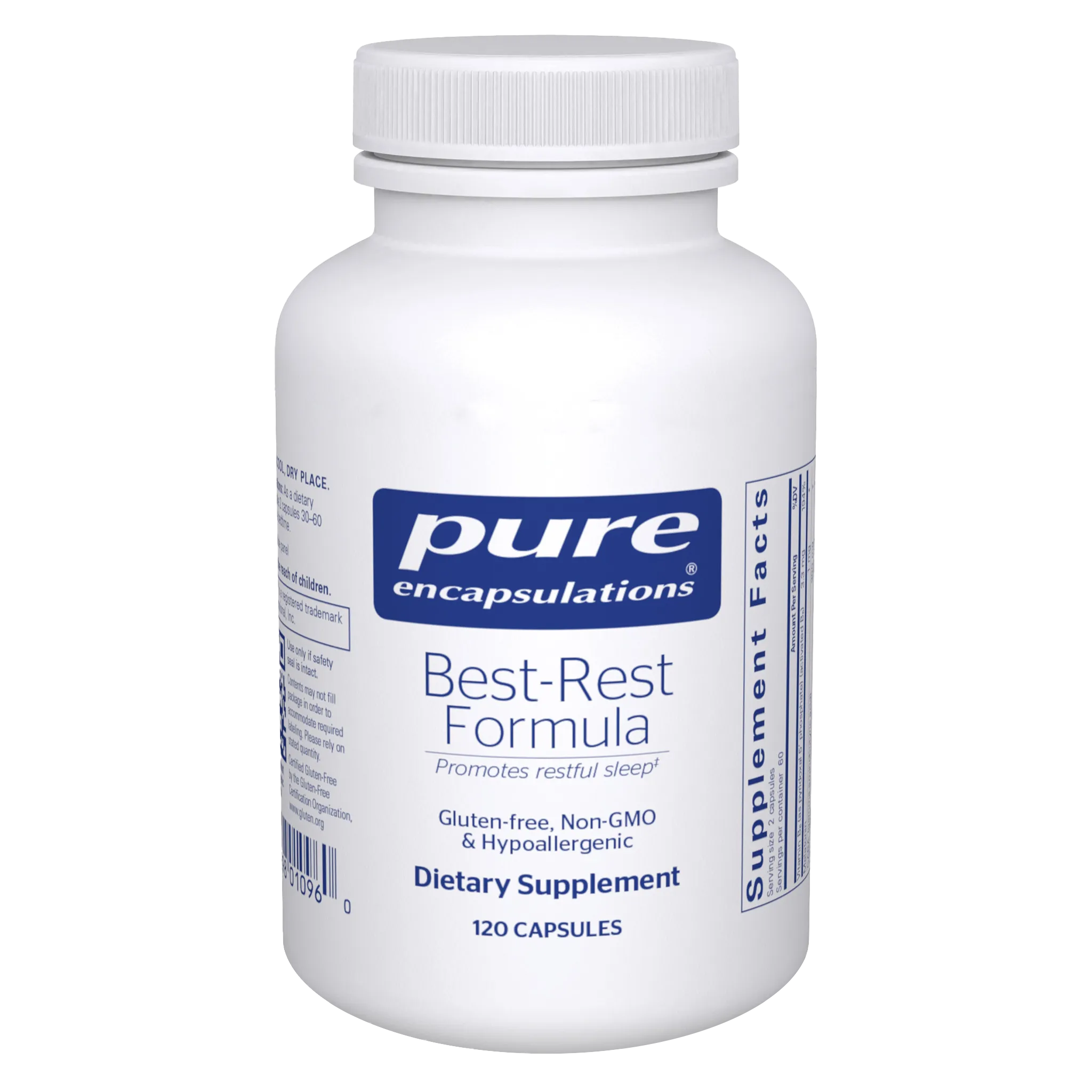
In the search for validating, science-backed management strategies, many patients and healthcare providers are turning to targeted nutritional and botanical support. Best-Rest Formula by Pure Encapsulations offers a comprehensive blend of amino acids, hormones, and time-tested herbal extracts designed to calm the central nervous system and promote relaxation. By combining the chronobiotic properties of melatonin with the inhibitory neurochemistry of GABA and L-theanine, alongside a synergistic blend of valerian, passionflower, chamomile, lemon balm, and hops, this formulation aims to address multiple pathways of sleep dysfunction. In this article, we will explore the intricate mechanisms behind these ingredients and how they may support healthier sleep patterns for those navigating complex chronic conditions.
TL;DR
Chronic illness often disrupts sleep through neuroinflammation and autonomic hyperarousal, causing unrefreshing rest.
Best-Rest Formula combines melatonin, GABA, and L-theanine to support natural sleep cycles and relaxation.
Botanical extracts like valerian and chamomile work synergistically to calm the nervous system.
Always consult your healthcare provider before starting new supplements, especially with complex chronic conditions.
What is Best-Rest Formula?
The Neurochemical Foundation: GABA, L-Theanine, and Melatonin
Best-Rest Formula is anchored by three powerful neurochemical modulators: melatonin, GABA (gamma-aminobutyric acid), and L-theanine. Melatonin is a chronobiotic hormone naturally produced by the pineal gland in the brain. Its primary biological function is to regulate the body's circadian rhythm, effectively acting as the physiological signal that initiates the sleep-wake cycle. When daylight fades, melatonin levels rise, binding to MT1 and MT2 receptors in the brain to decrease sleep onset latency and promote the transition into sleep.
Working alongside melatonin is GABA, the principal inhibitory neurotransmitter in the central nervous system. GABA's role is to act as a neurological brake, blocking nerve impulses and slowing down the activity of nerve cells to prevent over-firing. By binding to GABA-A and GABA-B receptors, it induces hyperpolarization of neurons, which increases calming alpha brain waves and decreases stress-associated beta waves. L-theanine, a non-protein amino acid naturally found in green tea, complements this by binding to glutamate receptors to inhibit neuroexcitatory effects. Furthermore, research demonstrates that L-theanine directly promotes the brain's natural release of endogenous GABA, dopamine, and serotonin, creating a profound state of relaxation without causing daytime sedation.
The Botanical Nervine Relaxants: Valerian, Hops, and Lemon Balm
Beyond amino acids and hormones, the formula incorporates a robust blend of traditional botanical extracts known as nervine relaxants. Valerian root extract (Valeriana officinalis) has been utilized for centuries to calm the nervous system. At a molecular level, valerian contains compounds such as valerenic acid and sesquiterpenoids. These molecules interact specifically with the beta subunit of the GABA-A receptor, enhancing the receptor's affinity for GABA and decreasing the enzymatic breakdown of this calming neurotransmitter in the synaptic cleft. This allows GABA to remain active for longer periods, facilitating deeper relaxation.
Valerian is highly synergistic with hops extract (Humulus lupulus) and lemon balm extract (Melissa officinalis). Hops possess natural, mild sedative properties that help to ease nervous tension and physical restlessness. A systematic review and meta-analysis suggests that valerian alone may improve overall sleep quality without producing significant side effects. Lemon balm further contributes to this synergy by modulating transaminase enzymes that normally degrade GABA, thereby supporting a sustained inhibitory tone in the central nervous system that is crucial for maintaining sleep throughout the night.
The Calming Influence of Passionflower and Chamomile
The inclusion of passionflower extract (Passiflora incarnata) provides targeted support for the cognitive aspects of insomnia, such as racing thoughts and anxiety. Passionflower is rich in chrysin, a naturally occurring flavone that exerts potent anti-anxiety (anxiolytic) effects. By interacting with the central nervous system's GABAergic pathways, passionflower helps to quiet the mind, making it particularly beneficial for individuals whose sleep disturbances are driven by psychological stress or autonomic hyperarousal.
Similarly, chamomile extract (Matricaria recutita) acts as a gentle, broad-spectrum relaxant. Chamomile contains the antioxidant apigenin, which binds to specific receptors in the brain that may decrease anxiety and initiate sleep. Additionally, chamomile is unique in its ability to relax both the central nervous system and the enteric nervous system (the nervous system of the gut). This dual action makes it highly effective for soothing physical tension and gastrointestinal discomfort that often accompany chronic stress and sleep deprivation.
The Role of Activated Vitamin B6 (P5P)
Finally, Best-Rest Formula includes 3.3 mg of vitamin B6 in its activated form, pyridoxal 5' phosphate (P5P). Vitamin B6 is an essential enzymatic cofactor required for the biosynthesis of several critical neurotransmitters involved in sleep regulation. Specifically, the conversion of the amino acid tryptophan into serotonin, and subsequently the conversion of serotonin into melatonin, is entirely dependent on adequate levels of P5P.
Furthermore, the enzyme glutamate decarboxylase, which synthesizes calming GABA from excitatory glutamate, also requires P5P to function. By providing vitamin B6 in its pre-methylated, metabolically active form, the supplement ensures that the body has the necessary biochemical building blocks to naturally produce and sustain its own sleep-promoting neurochemicals, bypassing potential genetic conversion issues like MTHFR mutations.
How Complex Chronic Illness Impacts the Sleep-Wake Cycle
Autonomic Hyperarousal and Sympathetic Overdrive
Dysautonomia, a frequent companion to Long COVID and ME/CFS, fundamentally alters the body's ability to transition into restful sleep. In a healthy individual, the parasympathetic nervous system—often called the "rest and digest" system—takes over during the evening, lowering the heart rate and preparing the body for sleep. However, patients with dysautonomia frequently experience sympathetic overdrive, where the "fight or flight" response remains inappropriately activated. This autonomic imbalance leads to surges of adrenaline and norepinephrine at night, causing nocturnal tachycardia (a rapid heart rate) and palpitations that physically prevent the brain from entering deep sleep stages.
This state of hyperarousal means that even when a patient is exhausted, their nervous system is actively fighting the sleep process. The constant influx of excitatory neurotransmitters creates micro-arousals throughout the night, pulling the individual out of the restorative N3 deep sleep phase. Consequently, patients wake up feeling completely unrefreshed, a hallmark symptom of ME/CFS known as non-restorative sleep. Addressing this sympathetic dominance is a crucial first step in any sleep management protocol for complex chronic illnesses.
Hypothalamic Dysfunction and Orexin Disruption
The hypothalamus acts as the brain's master control center for the sleep-wake cycle, autonomic function, and hormonal regulation. Emerging research suggests that viral infections, such as SARS-CoV-2, can trigger neuroinflammation that directly impacts hypothalamic function. Within the hypothalamus, specific neurons produce a neuropeptide called orexin (or hypocretin), which is responsible for maintaining wakefulness and stabilizing the boundaries between different sleep states. When neuroinflammation compromises these orexinergic pathways, patients lose this critical state-boundary control.
The loss of state-boundary stability manifests clinically as both severe insomnia and fragmented sleep architecture. Patients may find themselves constantly hovering in a twilight state, unable to fully cross the threshold into deep, restorative sleep, while also struggling to maintain clear wakefulness during the day. This hypothalamic dysfunction explains why traditional sleep hygiene advice often falls short for those with Long COVID; the underlying neurobiological machinery that governs sleep transitions has been fundamentally altered by the post-viral disease process.
Neuroinflammation and Glymphatic System Impairment
Systemic inflammation that crosses the blood-brain barrier is a defining feature of post-viral syndromes. Studies have demonstrated that elevated levels of pro-inflammatory cytokines, such as Interleukin-6 (IL-6) and Tumor Necrosis Factor-alpha (TNF-alpha), severely disrupt normal sleep architecture. This neuroimmune signature not only drives brain fog and cognitive impairment but also directly interferes with the brain's ability to initiate and maintain sleep. The presence of these inflammatory molecules keeps the brain's immune cells, the microglia, in a constant state of activation.
This neuroinflammation creates a vicious cycle with the brain's glymphatic system, a macroscopic waste clearance pathway that operates primarily during deep sleep. The glymphatic system is responsible for flushing out metabolic waste and neurotoxins that accumulate during waking hours. When Long COVID sleep disturbances prevent patients from reaching deep sleep, the glymphatic system cannot function effectively. The resulting perivascular stagnation allows inflammatory proteins to build up, further damaging sleep-regulating brain regions and exacerbating symptoms of fatigue and cognitive dysfunction.
Circadian Rhythm and HPA Axis Dysregulation
The circadian rhythm, governed by the suprachiasmatic nucleus (SCN) in the brain, dictates the timing of physiological processes, including sleep and hormone secretion. In complex chronic conditions, this master clock frequently becomes desynchronized. Research indicates that the post-infectious disease process can dysregulate key circadian genes, such as CLOCK and BMAL1. This genetic disruption leads to an altered secretion profile of melatonin, the hormone responsible for signaling the onset of night, making it profoundly difficult for patients to fall asleep at an appropriate time.
Concurrently, this circadian disruption heavily impacts the hypothalamic-pituitary-adrenal (HPA) axis, which controls the body's stress response and cortisol production. Instead of the normal cortisol curve—which should be highest in the morning and lowest at night—patients often exhibit a blunted or reversed curve. Elevated evening cortisol further inhibits melatonin production and promotes wakefulness when the body should be resting. This hormonal blunting traps patients in a state of "tired but wired," a common and distressing experience for those navigating long-term COVID recovery.
Best-Rest Formula: Supporting Restorative Sleep Mechanisms
Modulating the GABAergic System for Deep Relaxation
Best-Rest Formula directly targets the autonomic hyperarousal seen in chronic illness by heavily modulating the GABAergic system. The inclusion of 300 mg of supplemental GABA provides a direct source of this critical inhibitory neurotransmitter. By binding to GABA receptors in the central and peripheral nervous systems, it helps to counteract the excessive sympathetic tone ("fight or flight" response) that plagues patients with dysautonomia. This binding opens chloride ion channels, hyperpolarizing the neuronal membrane and making it significantly harder for excitatory signals (like adrenaline surges) to trigger an action potential.
This molecular "braking" mechanism is essential for patients who experience nocturnal tachycardia or racing thoughts. By physically slowing down the electrical activity of the brain, GABA helps to lower the heart rate, relax skeletal muscles, and create the physiological conditions necessary for the onset of sleep. Clinical research indicates that enhancing GABAergic tone is one of the most effective ways to reduce sleep latency and improve the depth of non-REM sleep phases.
L-Theanine's Role in Alpha Brain Wave Production
While GABA provides direct inhibition, L-theanine acts as a sophisticated neuromodulator to shift the brain's electrical activity. At a dosage of 50 mg, L-theanine easily crosses the blood-brain barrier where it competes with glutamate, the brain's primary excitatory neurotransmitter, for binding sites on glutamate receptors. By blocking these receptors, L-theanine prevents the neuroexcitatory cascades that often lead to micro-arousals and fragmented sleep.
More importantly, L-theanine has been clinically shown to significantly increase the generation of alpha brain waves. Alpha waves (8-12 Hz) are associated with a state of deep, wakeful relaxation—the exact state of mind required just before drifting off to sleep. For patients with ME/CFS whose brains are locked in high-frequency, stress-associated beta wave patterns, L-theanine provides a gentle, non-sedating transition into a calmer cognitive state, working synergistically with GABA to prepare the central nervous system for rest.
Restoring Circadian Cues with Melatonin
To address the circadian rhythm disruption frequently observed in post-viral syndromes, Best-Rest Formula includes 1 mg of melatonin. While many commercial sleep aids use excessively high doses of melatonin (5-10 mg) which can cause grogginess, a 1 mg dose is specifically designed to mimic the body's natural physiological nighttime spike. This precise dosing acts as a chronobiotic, sending a clear, unmistakable biochemical signal to the suprachiasmatic nucleus that it is time to initiate the sleep cycle.
Furthermore, recent literature highlights melatonin's potent antioxidant and anti-inflammatory properties within the brain. By scavenging free radicals and reducing oxidative stress, melatonin helps protect delicate neural tissues from the ongoing neuroinflammation associated with Long COVID. This dual action—restoring the circadian clock while simultaneously providing neuroprotection—makes melatonin an invaluable tool for addressing the root causes of post-infection sleep syndrome.
Synergistic Botanical Support for the Central Nervous System
The true strength of Best-Rest Formula lies in the synergistic interplay between its botanical extracts and its neurochemical base. The combination of valerian, passionflower, chamomile, lemon balm, and hops creates a multi-targeted approach to central nervous system relaxation. While GABA and L-theanine provide the primary inhibitory signals, these botanicals ensure that those signals are sustained throughout the night.
For instance, the valerenic acid in valerian root prevents the premature breakdown of GABA, while the chrysin in passionflower binds to distinct anxiolytic sites on the GABA-A receptor complex. This means the botanicals act as biological amplifiers, enhancing the efficacy of the supplemental GABA and L-theanine. This comprehensive, multi-pathway modulation is particularly crucial for patients with complex chronic conditions, as their sleep disturbances are rarely caused by a single isolated dysfunction, but rather a cascade of interconnected neurological and autonomic imbalances.

Symptoms Best-Rest Formula May Help Manage
Targeting Sleep Initiation and Maintenance
Because Best-Rest Formula utilizes a multi-pathway approach to central nervous system modulation, it may help manage a wide spectrum of sleep-related symptoms associated with chronic illness. By combining chronobiotic hormones with inhibitory neurotransmitters, the formula targets both the initiation and the maintenance of the sleep cycle.
Prolonged Sleep Latency (Difficulty Falling Asleep): Melatonin provides the necessary circadian cue to initiate sleep, while valerian and hops work synergistically to calm the nervous system, significantly reducing the time it takes to transition from wakefulness to sleep.
Frequent Nocturnal Awakenings: By inhibiting the breakdown of GABA and blocking excitatory glutamate receptors, the combination of lemon balm and L-theanine helps maintain a steady inhibitory tone, reducing the micro-arousals that cause fragmented sleep.
Non-Restorative (Unrefreshing) Sleep: GABA has been shown to increase the duration of deep, non-REM (N3) sleep phases. This is the critical period when the glymphatic system clears neurotoxins and the body repairs tissues, helping patients wake up feeling more refreshed.
Circadian Rhythm Reversal: For patients who feel "tired but wired" at night and exhausted during the day, the targeted 1 mg dose of melatonin helps to gently reset and anchor the master clock in the suprachiasmatic nucleus.
Addressing Nervous System Tension and Hyperarousal
Beyond standard insomnia, the botanical and amino acid profile of Best-Rest Formula is specifically suited to address the physical and cognitive manifestations of autonomic hyperarousal, a hallmark of dysautonomia and ME/CFS.
Racing Thoughts and Cognitive Arousal: Passionflower, rich in the anxiolytic compound chrysin, works alongside L-theanine to increase calming alpha brain waves, quieting the mind and reducing pre-sleep anxiety.
Physical Restlessness and Muscle Tension: The broad-spectrum relaxing properties of chamomile and hops help to soothe skeletal muscle tension and ease the physical restlessness that often prevents comfortable positioning at night.
Nocturnal Palpitations and Autonomic Spikes: By providing a direct source of GABA to act as a neurological brake, the formula helps to counteract sympathetic overdrive, potentially easing the severity of adrenaline surges and rapid heart rates during the night.
Gastrointestinal Discomfort at Night: Chamomile's unique ability to relax the enteric nervous system helps soothe "nervous stomach" symptoms that can disrupt sleep, providing comprehensive comfort.
Practical Considerations: Forms, Dosing, and Absorption
Optimal Timing and Dosage Strategies
To maximize the efficacy of Best-Rest Formula, timing is critical. The suggested use is to take two capsules 30 to 60 minutes before your desired bedtime. This specific window allows the botanical extracts to be digested and the active compounds—such as valerenic acid, GABA, and L-theanine—to enter the bloodstream and cross the blood-brain barrier. Taking the supplement too early may result in premature drowsiness, while taking it right at bedtime may delay the onset of its sleep-promoting effects.
For patients with Long COVID or ME/CFS who are highly sensitive to new supplements, it is often recommended to start with a lower dose. You might consider beginning with just one capsule to assess your individual tolerance and neurological response before increasing to the full two-capsule dosage. Because the formula contains melatonin, consistency is key; taking it at the same time each night helps to reinforce the circadian rhythm and train the brain's master clock.
Bioavailability and Synergistic Absorption
The bioavailability of the ingredients in Best-Rest Formula is enhanced by its thoughtful formulation. Pure Encapsulations utilizes vitamin B6 in its activated form, pyridoxal 5' phosphate (P5P). Unlike standard pyridoxine hydrochloride, P5P does not require conversion by the liver, making it immediately available to act as a cofactor for neurotransmitter synthesis. This is particularly beneficial for patients with genetic variations (like MTHFR) or compromised liver function due to chronic illness.
Furthermore, the botanical extracts are standardized to ensure a consistent concentration of active molecular compounds, such as the flavonoids in passionflower and the essential oils in chamomile. Taking the capsules with a small, easily digestible evening snack that contains a healthy fat (like a spoonful of almond butter) may help improve the absorption of the fat-soluble compounds found in the herbal extracts, ensuring maximum delivery to the central nervous system.
Safety, Contraindications, and Potential Interactions
While the ingredients in Best-Rest Formula are generally well-tolerated, there are important safety considerations. Because the formula powerfully modulates the GABAergic system and promotes sedation, it should never be combined with pharmaceutical sleep aids, benzodiazepines, or central nervous system depressants (including alcohol) without strict medical supervision, as this can lead to excessive and dangerous sedation.
Additionally, the manufacturer notes that this product may be contraindicated for individuals taking corticosteroids. Melatonin can interact with certain immunosuppressants and blood pressure medications. As with any supplement protocol for complex conditions like dysautonomia, it is imperative to consult your healthcare provider before introducing Best-Rest Formula, especially if you are pregnant, lactating, or managing severe, long-term sleep difficulties. Do not drive or operate heavy machinery after taking this supplement.

Follow the Science: Clinical Evidence for Sleep Support
Clinical Trials on GABA and L-Theanine Synergy
The synergistic relationship between GABA and L-theanine is well-documented in clinical literature. A pivotal study published in Pharmaceutical Biology evaluated the combination of these two amino acids on sleep architecture. The researchers found that the simultaneous administration of GABA and L-theanine generated a statistically massive synergistic enhancement of sleep quality compared to using either ingredient alone. Specifically, the mixture decreased sleep latency by over 20% and increased total sleep duration by 87.3% compared to isolated GABA.
Furthermore, the study demonstrated that this combination drives a significant increase in both REM sleep and deep non-REM (NREM) sleep. At a molecular level, the researchers observed that the mixture increased the expression of GABA and glutamate GluN1 receptor subunits in the brain. This proves that GABA and L-theanine do not just mask symptoms; they actively upregulate the brain's structural capacity to process inhibitory, calming signals, making them highly effective for sleep maintenance.
The Evidence for Botanical Combinations
The botanical nervines in Best-Rest Formula are supported by decades of clinical research. A systematic review and meta-analysis investigated valerian root extracts on patients suffering from insomnia. The results from multiple studies showed a statistically significant benefit in improving overall sleep quality compared to a placebo. The available evidence suggests that valerian might improve sleep quality without producing side effects, supporting its use in comprehensive botanical formulas.
Another clinical trial compared a valerian-hops combination against diphenhydramine, a common over-the-counter antihistamine sleep aid. The herbal combination successfully reduced insomnia severity over 14 days and resulted in significantly higher physical quality of life scores at 28 days. Crucially, unlike the synthetic antihistamine, the botanical blend produced no residual "hangover" effects and no rebound insomnia upon discontinuation, confirming its safety profile for long-term use in chronic illness management.
Melatonin's Role in Post-Viral Recovery and Neuroprotection
Recent research into Long COVID has brought renewed attention to melatonin, not just as a sleep aid, but as a potent neuroprotective agent. A comprehensive review published in Biomolecules explored the possible application of melatonin in treating Long COVID and ME/CFS. The authors highlighted that ME/CFS is characterized by severe oxidative stress, mitochondrial dysfunction, and neuroinflammation—all of which disrupt circadian rhythmicity and cause profound insomnia.
The researchers concluded that melatonin's robust antioxidant, anti-inflammatory, and immunomodulatory properties make it uniquely suited to alleviate the neuroinflammation associated with these post-viral conditions. By scavenging free radicals and protecting the delicate endothelial barriers of the brain, melatonin helps to restore the physiological environment necessary for normal sleep architecture. This dual functionality—resetting the biological clock while actively fighting neuroinflammation—underscores why melatonin is a cornerstone of restorative sleep protocols for complex chronic diseases.
The Path Forward
Validating the Struggle for Restorative Sleep
Living with a complex chronic condition like Long COVID, ME/CFS, or dysautonomia is an exhausting journey, made exponentially harder when restorative sleep remains out of reach. It is vital to validate that the insomnia, frequent awakenings, and unrefreshing sleep you experience are not the result of poor habits or a lack of effort. They are profound physiological symptoms driven by neuroinflammation, autonomic hyperarousal, and circadian disruption. Acknowledging the biological reality of post-infection sleep syndrome is the first step toward finding effective, compassionate management strategies.
While there is no single miracle cure for the sleep disturbances associated with these conditions, targeted nutritional and botanical support can be a powerful tool in your management arsenal. By addressing the underlying neurochemical imbalances—modulating the GABAergic system, quieting excitatory pathways with L-theanine, and resetting the circadian clock with melatonin—supplements like Best-Rest Formula offer a science-backed approach to supporting the central nervous system.
A Comprehensive Approach to Sleep Management
It is important to remember that supplements work best when integrated into a comprehensive, holistic management plan. Alongside targeted formulations, strategies such as aggressive pacing, heart rate monitoring, stabilizing blood sugar, and optimizing your sleep environment all play crucial roles in calming the autonomic nervous system. Tracking your symptoms and sleep quality can help you and your healthcare team identify patterns and refine your protocol over time.
If you are struggling with relentless sleep disturbances, know that there are physiological reasons for your symptoms and evidence-based tools available to help. Always consult with your healthcare provider before starting any new supplement, especially if you are navigating complex chronic illness or taking prescription medications. Together, you can build a tailored approach to reclaim the restorative rest your body desperately needs to heal.