Can Berberine Synergy™ Support Metabolic Health and Energy in Long COVID?
March 5, 2026
BerberineAlpha-Lipoic AcidLong COVID
Share:
Disclaimer: The information provided here is for educational purposes only and is not intended as medical advice. It should not be used to diagnose, treat, cure, or prevent any medical condition. Instead, use it as a starting point for discussion with your healthcare provider. Always consult with a qualified healthcare provider before starting any new medication, supplement, device, or making changes to your health regimen.
Months or even years after recovering from an initial SARS-CoV-2 infection, millions of people find themselves battling a complex web of debilitating symptoms. The crushing fatigue, unpredictable cognitive dysfunction, and cardiovascular anomalies associated with Long COVID and myalgic encephalomyelitis/chronic fatigue syndrome (ME/CFS) can completely derail a person's quality of life. For many patients, the frustration is compounded by standard blood panels that return "normal" results, leaving them without clear answers or actionable treatment plans. However, emerging research is increasingly pointing toward profound metabolic and mitochondrial disruptions at the cellular level as key drivers of these invisible illnesses.
As researchers dive deeper into the pathophysiology of post-viral syndromes, they are uncovering how chronic inflammation, oxidative stress, and endothelial dysfunction disrupt the body's fundamental ability to produce energy and regulate metabolism. In the search for targeted therapies, integrative medicine has turned to powerful natural compounds that can address these root cellular mechanisms. One such combination is Berberine Synergy™, a targeted formulation that pairs the botanical alkaloid berberine with the universal antioxidant alpha-lipoic acid (ALA). By acting synergistically to activate metabolic master switches and restore mitochondrial function, this duo offers a promising adjunctive approach for patients navigating the complex metabolic fallout of chronic invisible illness.
TL;DR
Berberine Synergy™ combines berberine and ALA to support cellular energy and metabolic health.
Research suggests this combination may help manage fatigue and brain fog in chronic conditions.
Berberine acts as a metabolic switch, while ALA supports mitochondrial function and antioxidant defenses.
Always consult a healthcare provider before starting, as berberine can interact with medications.
What is Berberine Synergy™?
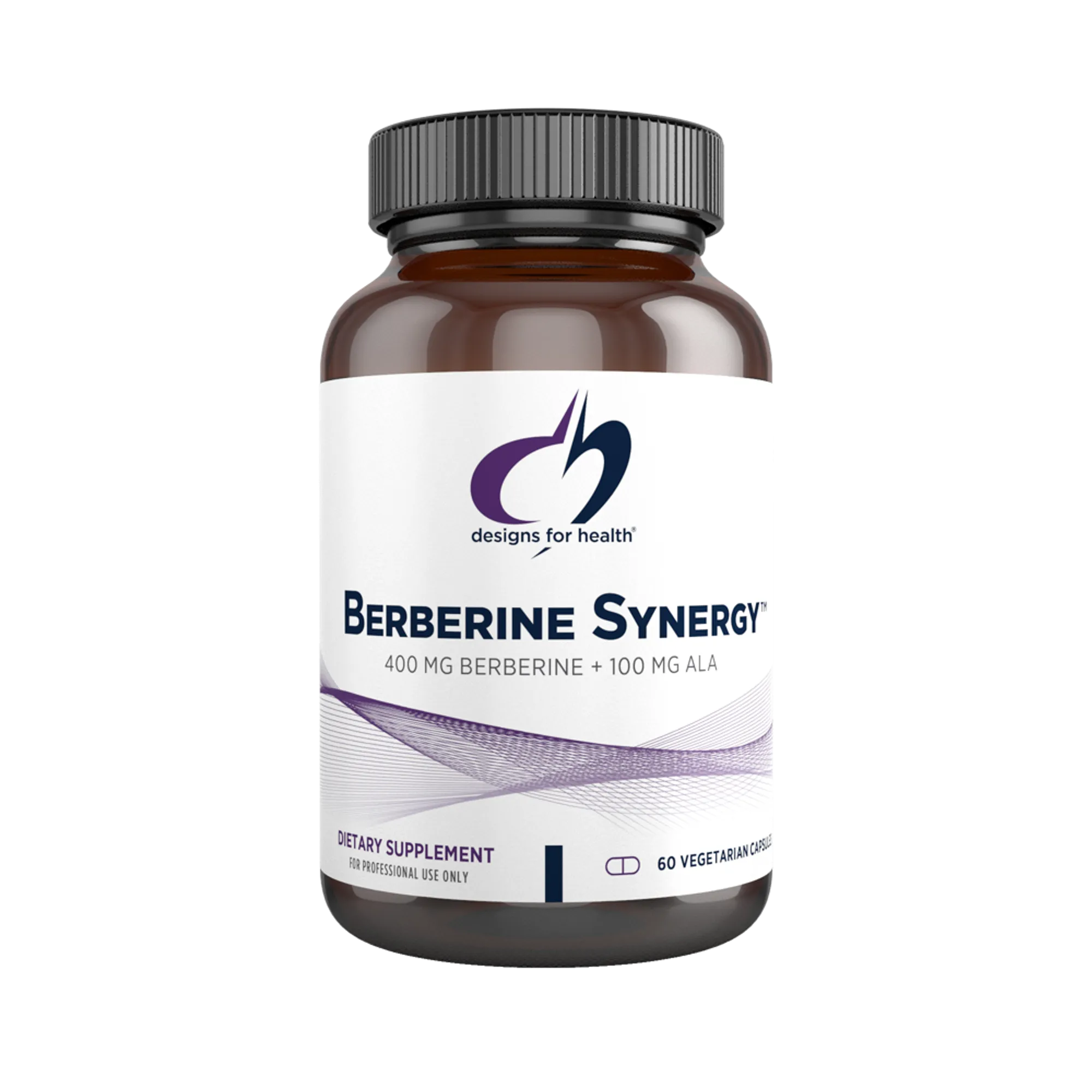
Berberine Synergy™ is a specialized cardiometabolic support formula developed by Designs for Health, combining 400 mg of Berberine HCl with 50 mg of Alpha-Lipoic Acid (ALA) per capsule. To understand the profound impact of this supplement, we must first examine its primary ingredient. Berberine is a bioactive isoquinoline alkaloid extracted from the roots, stems, and bark of several plants used extensively in traditional Chinese and Ayurvedic medicine, such as Berberis aristata (tree turmeric), goldenseal, and Oregon grape. While its historical use spans thousands of years for gastrointestinal and immune support, modern pharmacological research has heavily focused on its profound metabolic benefits. At the molecular level, berberine functions remarkably similarly to certain pharmaceutical metabolic regulators, earning it a reputation as a powerful tool for combating insulin resistance, dyslipidemia, and systemic inflammation.
The primary mechanism by which berberine exerts its systemic effects is through the activation of AMP-activated protein kinase (AMPK). Often referred to as the body's "metabolic master switch," AMPK is a highly conserved cellular energy sensor. When cellular energy levels drop—indicated by a rising ratio of adenosine monophosphate (AMP) to adenosine triphosphate (ATP)—AMPK is phosphorylated and activated. Berberine mildly inhibits mitochondrial respiratory complex I, which slightly impairs immediate ATP production, thereby artificially raising the AMP/ATP ratio and forcing the activation of AMPK. Once activated, AMPK orchestrates a massive cellular shift: it halts energy-consuming anabolic pathways, such as fat and cholesterol synthesis, and upregulates energy-producing catabolic pathways, including glucose uptake and fatty acid oxidation. This fundamental shift helps restore metabolic flexibility in cells that have become sluggish or insulin-resistant.
Beyond AMPK activation, berberine directly modulates the insulin signaling cascade. In a healthy body, insulin binds to cellular receptors to trigger the translocation of GLUT4 (a glucose transporter protein) to the cell membrane, allowing glucose to enter the cell and be used for energy. In states of metabolic dysfunction, this pathway is blunted. Berberine bypasses the traditional insulin-dependent pathways, directly stimulating GLUT4 translocation to the cell membrane in both muscle and fat tissues. Furthermore, research published in the journal Pharmaceuticals demonstrates that berberine suppresses protein tyrosine phosphatase 1B (PTP1B), an enzyme that negatively regulates insulin receptor signaling. By repairing these broken signaling chains, berberine helps clear excess glucose from the bloodstream, reducing the glycation and tissue damage associated with chronic metabolic stress.
The second critical component of Berberine Synergy™ is Alpha-Lipoic Acid (ALA), a naturally occurring endogenous short-chain fatty acid synthesized in small amounts within the mitochondria. Chemically known as 5-(1,2-dithiolan-3-yl) pentanoic acid, ALA is entirely unique in the realm of cellular protectants because it is amphiphilic, meaning it is soluble in both water and fat. This dual solubility allows ALA to easily cross cell membranes, penetrate the lipid-rich myelin sheaths of peripheral nerves, and seamlessly cross the blood-brain barrier to exert neuroprotective effects. Often referred to as the "antioxidant of antioxidants," ALA and its reduced active form, dihydrolipoic acid (DHLA), play indispensable roles in mitochondrial bioenergetics and redox regulation.
Within the mitochondria, ALA is not merely an antioxidant; it is an absolute biochemical necessity for energy production. It acts as a covalently bound enzymatic cofactor (lipoyllysine) that is strictly required for the function of major α-ketoacid dehydrogenase complexes. The most critical of these is the Pyruvate Dehydrogenase (PDH) complex, which serves as the vital bridge between anaerobic glycolysis in the cytoplasm and aerobic metabolism (the Krebs cycle) inside the mitochondria. By facilitating the conversion of pyruvate to acetyl-CoA, ALA supports mitochondrial ATP production. Without adequate ALA, the Krebs cycle stalls, cellular energy plummets, and the body is forced to rely on inefficient, fatigue-inducing anaerobic energy pathways.
Simultaneously, ALA operates as a broad-spectrum, highly potent antioxidant system. The ALA/DHLA redox couple directly neutralizes a wide variety of reactive oxygen species (ROS) and actively chelates transition metals like iron and copper, preventing them from catalyzing the formation of highly toxic hydroxyl radicals. Even more remarkably, ALA drives vital thiol/disulfide exchange reactions that directly regenerate the reduced, active forms of other crucial endogenous antioxidants, including Vitamin C, Vitamin E, Coenzyme Q10, and Glutathione. By constantly recycling these molecules, ALA exponentially amplifies the cell's defensive capabilities against the relentless oxidative stress that characterizes chronic illness.
The true power of Berberine Synergy™ lies in the deliberate, synergistic pairing of these two compounds. While berberine and ALA are highly effective individually, their combined application targets complementary metabolic pathways to produce a magnified therapeutic effect. Metabolic dysfunction, whether driven by a poor diet, genetic predisposition, or a post-viral cascade, is rarely a single-pathway failure. It involves a vicious cycle of insulin resistance, mitochondrial energy depletion, and rampant oxidative stress. By combining berberine's ability to act as a metabolic master switch with ALA's capacity to restore mitochondrial ATP production and neutralize free radicals, this formulation addresses the entire spectrum of cellular metabolic failure.
This synergy is particularly evident in how both compounds interact with the Nrf2 genetic pathway. Nuclear factor erythroid 2-related factor 2 (Nrf2) is a transcription factor that regulates the expression of antioxidant proteins that protect against oxidative damage triggered by injury and inflammation. Recent preclinical studies have demonstrated that the combination of AMPK activators (like berberine) and ALA synergistically promotes the translocation of Nrf2 from the cytoplasm to the nucleus. This upregulates phase II detoxifying and antioxidant genes, including Heme Oxygenase-1 (HO-1) and Superoxide Dismutase (SOD1). Consequently, the combination not only forces the cell to take in and utilize glucose efficiently but also heavily armors the cell against the oxidative exhaust produced during that metabolic process.
How Long COVID and ME/CFS Impact Metabolic and Cellular Systems
To understand why a metabolic supplement like Berberine Synergy™ is highly relevant to post-viral conditions, we must examine what causes Long COVID at a microscopic level. One of the most prominent theories driving current research is the persistence of the SARS-CoV-2 virus, or its spike protein remnants, deep within the body's tissues long after the acute infection has cleared. This persistent viral presence acts as a continuous trigger for the immune system, leading to chronic, low-grade inflammation. The primary victim of this sustained inflammatory assault is the vascular endothelium—the delicate, single-cell layer lining the interior of all blood vessels. Endothelial dysfunction is a hallmark of Long COVID, fundamentally altering how blood and oxygen are delivered to tissues throughout the body.
When the endothelium is inflamed, it loses its ability to properly regulate vascular tone and prevent clotting. SARS-CoV-2 is known to activate inflammatory pathways such as nuclear factor-kappa B (NF-κB) and upregulate adhesion molecules like ICAM-1. This causes the endothelium to become "sticky," leading to the hyperactivation of platelets and the formation of microscopic blood clots (microthrombosis) within the capillaries. Researchers have documented these persistent microclots in the plasma of Long COVID patients, which physically block the transfer of oxygen from the blood into the muscle and brain tissues. This localized tissue hypoxia (oxygen starvation) forces cells to abandon efficient aerobic metabolism, directly contributing to the heavy, leaden fatigue and post-exertional crashes that patients experience.
The downstream consequence of this vascular damage and chronic inflammation is profound mitochondrial dysfunction. Mitochondria are highly sensitive to their environment; when deprived of adequate oxygen and bombarded by inflammatory cytokines, their delicate internal machinery begins to break down. Recent omics-based research has identified significant metabolic alterations in Long COVID patients, including disrupted lipid metabolism and elevated levels of circulating cell-free mitochondrial DNA (ccf-mtDNA), a clear biomarker of mitochondrial destruction. The virus itself has been shown to alter mitochondrial structure, causing them to swell and lose their cristae (the folded inner membranes where ATP is produced), leading to a catastrophic drop in cellular energy output.
This mitochondrial failure creates a devastating vicious cycle. As mitochondria struggle to produce ATP, they begin to leak massive amounts of reactive oxygen species (ROS) into the cell. This oxidative stress damages cellular proteins, lipids, and DNA, further impairing mitochondrial function and triggering more inflammation. In patients with myalgic encephalomyelitis/chronic fatigue syndrome (ME/CFS), this metabolic gridlock is the core driver of post-exertional malaise (PEM). When a patient exerts themselves, their broken mitochondria cannot meet the increased energy demand. The resulting surge in oxidative stress and lactic acid accumulation causes a systemic metabolic crash that can take days or weeks to resolve, trapping the patient in a state of perpetual energy debt.
The metabolic and vascular chaos of Long COVID does not stop at the neck; it profoundly impacts the central nervous system. The blood-brain barrier (BBB), a highly selective semipermeable border of endothelial cells that protects the brain, becomes compromised by systemic inflammation. Inflammatory cytokines, autoantibodies, and potentially viral particles cross the weakened BBB, triggering an aggressive immune response within the brain. This neuroinflammation is the primary physiological mechanism behind the severe cognitive dysfunction, memory loss, and lack of concentration commonly referred to as "brain fog."
Once inside the brain, this inflammatory cascade activates microglia, the resident immune cells of the central nervous system. In a healthy state, microglia prune synapses and clear debris. In neuro-COVID, however, microglia continuously pump out neurotoxic cytokines like IL-6, IL-1β, and TNF-α, which disrupt neuronal signaling and impair the brain's metabolic efficiency. Furthermore, this neuroinflammation frequently dysregulates the autonomic nervous system, leading to conditions like Postural Orthostatic Tachycardia Syndrome (POTS) and other forms of dysautonomia, where the brain fails to properly control heart rate, blood pressure, and digestion.
Berberine Synergy™: Supporting Cellular Energy and Vascular Health
Berberine Synergy™ directly intervenes in the metabolic gridlock of chronic illness by leveraging berberine's potent ability to activate AMP-activated protein kinase (AMPK). In the context of Long COVID and ME/CFS, where cells are essentially starving for energy despite adequate nutrient intake, AMPK activation is a critical therapeutic target. By phosphorylating AMPK at the Thr172 residue, berberine forces the cell to prioritize energy production over energy storage. This activation stimulates mitochondrial biogenesis—the creation of new, healthy mitochondria—via the upregulation of PGC-1α, a transcriptional coactivator that heavily regulates cellular energy metabolism. This helps replace the damaged, swollen mitochondria characteristic of post-viral syndromes with fresh, efficient energy producers.
Furthermore, berberine's AMPK activation has profound anti-inflammatory effects that directly counteract the cytokine storms associated with Long COVID. AMPK activation in macrophages (key immune cells) reduces oxidative stress and downregulates the MAPK and NF-κB inflammatory pathways. Studies published in the American Journal of Physiology demonstrate that berberine significantly suppresses the release of pro-inflammatory cytokines like TNF-α and MCP-1. By quieting this systemic immune alarm, berberine helps break the cycle of chronic inflammation that continuously damages the vascular endothelium and drains the body's metabolic reserves, allowing tissues to transition from a state of defense back to a state of repair.
While berberine signals the cell to make more mitochondria, the Alpha-Lipoic Acid (ALA) in Berberine Synergy™ provides the essential biochemical spark needed to make those mitochondria run efficiently. For patients experiencing the crushing fatigue of ME/CFS, the bottleneck in energy production often occurs at the Pyruvate Dehydrogenase (PDH) complex. Because ALA is an obligate cofactor for PDH, supplementing with it helps unblock this critical enzymatic pathway, ensuring that pyruvate can smoothly enter the Krebs cycle to be converted into massive amounts of ATP.
Simultaneously, ALA acts as a powerful shield for the mitochondria. The inner mitochondrial membrane is highly susceptible to lipid peroxidation caused by the free radicals generated during ATP production. Because ALA is fat-soluble, it easily penetrates this membrane, neutralizing ROS right at the source of their creation. Furthermore, by epigenetically activating the Nrf2/HO-1 pathway, ALA floods the cell with endogenous antioxidants like glutathione. This dual action—unblocking the energy pathways while simultaneously shielding the cellular machinery from the resulting oxidative exhaust—makes ALA an indispensable tool for rebuilding metabolic resilience in patients suffering from severe post-exertional malaise.
One of the most remarkable properties of both berberine and ALA is their ability to cross the blood-brain barrier, allowing them to directly address the neuroinflammation driving Long COVID brain fog and dysautonomia. Once inside the central nervous system, berberine acts as a potent modulator of microglial polarization, with literature suggesting it inhibits the MAPK signaling pathway in the brain, effectively suppressing the toxic M1 microglial state and pushing these immune cells toward the healing, anti-inflammatory M2 phenotype. This phenotypic switch drastically reduces the concentration of neurotoxic cytokines in the brain, helping to clear the inflammatory fog that impairs cognitive function and memory.
ALA complements this neuroprotective action by repairing oxidative damage to peripheral and autonomic nerves. In conditions like neuropathic POTS, where damaged small nerve fibers fail to signal blood vessels to constrict upon standing, ALA's ability to improve endoneurial blood flow and protect the myelin sheath is crucial. Extensive clinical data on ALA for diabetic neuropathy highlights its capacity to restore nerve function and reduce neuropathic pain. By supporting the structural integrity of the autonomic nervous system, the ALA in Berberine Synergy™ helps retrain the peripheral nerves to properly manage heart rate and blood pressure, offering a mechanistic approach to managing the dizzying symptoms of dysautonomia.
Finally, the synergistic combination of berberine and ALA provides robust protection for the vascular endothelium, directly countering the microclotting and vascular damage initiated by the SARS-CoV-2 spike protein. Berberine suppresses reactive oxygen species (ROS) production by inhibiting xanthine oxidase activity in endothelial cells, reversing the excessive ROS generation triggered by circulating endothelial microparticles. Furthermore, berberine modulates the Nitric Oxide (NO) signaling pathway, which promotes healthy vasodilation and reduces the risk of pulmonary micro-thrombosis and hypertension. This helps restore proper blood flow and oxygen delivery to oxygen-starved tissues.
ALA reinforces this vascular defense by preventing the oxidation of LDL cholesterol, a primary driver of atherosclerotic plaque formation and endothelial stiffening. By maintaining the flexibility and health of the blood vessels, ALA ensures that the improved blood flow promoted by berberine can reach the deepest capillary beds of the muscles and brain. Together, this dual-action vascular support addresses the core hypoxic conditions that perpetuate the systemic symptoms of Long COVID, helping to manage the unpredictable nature of post-viral recovery.
Symptoms Berberine Synergy™ May Help Manage
Profound Cellular Fatigue: By acting as an essential cofactor for the Pyruvate Dehydrogenase complex, ALA unblocks stalled mitochondrial pathways, allowing cells to resume efficient ATP production rather than relying on fatigue-inducing anaerobic glycolysis.
Post-Exertional Malaise (PEM): Berberine's activation of AMPK stimulates mitochondrial biogenesis, increasing the total number of healthy mitochondria available to handle the energy demands of physical or cognitive exertion, thereby raising the threshold for PEM crashes.
Muscle Weakness and Heaviness: By improving endothelial function and promoting nitric oxide-mediated vasodilation, berberine helps restore proper microcirculation, delivering vital oxygen to muscle tissues that are otherwise starved by microclots.
Brain Fog and Poor Concentration: Both berberine and ALA cross the blood-brain barrier. Berberine shifts brain immune cells (microglia) from a toxic, pro-inflammatory state to a healing state, reducing the neuroinflammation that disrupts cognitive processing.
Memory Impairment: ALA's potent antioxidant capacity neutralizes free radicals within the brain, protecting delicate neuronal structures and synapses from the oxidative damage that impairs memory consolidation and recall.
Neuro-inflammation: By upregulating the Nrf2 genetic pathway, the combination of berberine and ALA floods the central nervous system with endogenous antioxidants like glutathione, providing long-term defense against viral-induced neuroinflammation.
Postural Orthostatic Tachycardia Syndrome (POTS): ALA improves endoneurial blood flow and repairs oxidative damage to the small peripheral nerves responsible for constricting blood vessels upon standing, helping to stabilize heart rate and blood pressure responses.
Neuropathic Pain and Tingling: Research suggests ALA may help protect the lipid-rich myelin sheaths of peripheral nerves, significantly reducing the burning, tingling, and numbness associated with small fiber neuropathy.
Metabolic Dysregulation and Weight Gain: Berberine acts as a powerful insulin sensitizer, promoting GLUT4 translocation to clear excess glucose from the blood, which helps manage the metabolic syndrome and stubborn weight gain often triggered by prolonged chronic illness and inactivity.
Practical Considerations: Forms, Dosing, and Absorption
When incorporating Berberine Synergy™ into a management plan, understanding the pharmacokinetics and bioavailability of its ingredients is crucial for maximizing therapeutic outcomes. Berberine, despite its potent systemic effects, is notoriously characterized by poor oral bioavailability. When ingested, a significant portion of berberine is rapidly metabolized by enzymes in the intestinal wall and liver, and it is actively pumped back out into the gut lumen by P-glycoprotein (P-gp) efflux pumps. Consequently, only a small fraction of the ingested dose reaches systemic circulation. However, this "poor absorption" is somewhat deceptive; berberine exerts profound effects directly on the gut microbiome, altering bacterial flora to produce short-chain fatty acids that indirectly improve systemic metabolic health, even before the compound enters the bloodstream.
Alpha-Lipoic Acid, conversely, is highly bioavailable due to its amphiphilic nature, allowing it to easily pass through both water-based and lipid-based cellular barriers. However, ALA has a very short biological half-life of approximately 30 to 40 minutes. It is rapidly taken up by cells, reduced to its active dihydrolipoic acid (DHLA) form, and utilized or excreted. Because of this rapid clearance, a single large dose of ALA is often less effective than smaller, divided doses throughout the day. The combination of berberine and ALA in a single capsule is designed to provide a synchronized, targeted delivery of both compounds to the gastrointestinal tract and liver, where their synergistic metabolic effects are initiated.
Because of the short half-lives and specific metabolic targets of both berberine and ALA, timing and dosing strategies are critical. The suggested use for Berberine Synergy™ is typically 1 capsule twice daily, yielding a total daily dose of 800 mg of Berberine HCl and 100 mg of ALA. To maximize efficacy and minimize potential gastrointestinal discomfort, these doses should be taken immediately before or during a meal. Taking berberine with food leverages its ability to blunt the postprandial (after-meal) spike in blood glucose by immediately activating AMPK and promoting insulin-independent glucose uptake into muscle tissues.
For patients dealing with the severe metabolic exhaustion of Long COVID or ME/CFS, consistency is key. Unlike fast-acting stimulants, the metabolic repairing effects of berberine and ALA are cumulative. It typically takes 4 to 12 weeks of consistent supplementation to observe significant changes in energy levels, cognitive clarity, and metabolic biomarkers (such as HbA1c or fasting glucose). Patients tracking their symptoms should look for gradual improvements in their baseline energy envelope and a reduction in the severity and duration of post-exertional crashes, rather than an immediate burst of energy.
While Berberine Synergy™ is derived from natural compounds, its powerful pharmacological effects necessitate careful consideration of potential drug interactions. Berberine is a known inhibitor of several cytochrome P450 enzymes in the liver, most notably CYP3A4 and CYP2C9. These enzymes are responsible for metabolizing a vast array of prescription medications. Inhibiting these enzymes can lead to elevated blood levels of co-administered drugs, potentially increasing their toxicity. Patients taking statins, immunosuppressants, macrolide antibiotics, or anticoagulants (like warfarin) must consult their healthcare provider before starting berberine, as dosages of their prescription medications may need to be adjusted.
Furthermore, because both berberine and ALA are potent blood sugar-lowering agents, combining them with prescription anti-diabetic medications (such as Metformin, insulin, or sulfonylureas) creates an additive effect. This significantly increases the risk of hypoglycemia (dangerously low blood sugar), characterized by dizziness, sweating, confusion, and fainting. Patients with diabetes or those prone to hypoglycemic episodes should monitor their blood glucose levels closely when initiating this supplement. Additionally, due to a lack of safety data and berberine's ability to cross the placenta, Berberine Synergy™ is strictly contraindicated for women who are pregnant or breastfeeding. Always consult a knowledgeable practitioner to ensure this powerful combination fits safely within your comprehensive Long COVID management plan.
Follow the Science: Clinical Evidence for Berberine and ALA
The synergistic potential of combining berberine and Alpha-Lipoic Acid has been the subject of several targeted clinical trials, primarily focusing on severe metabolic dysfunction. One of the most notable is the BANISH Trial (Berberine with Alfa Lipoic Acid in Non-Alcoholic Steato-hepatitis), a randomized, double-blind, placebo-controlled study. Presented in the American Journal of Gastroenterology, this trial evaluated the combination in patients with NASH, a severe form of fatty liver disease intimately linked to metabolic syndrome. The findings were highly significant: the intervention group receiving the berberine and ALA combination exhibited marked reductions in insulin resistance (measured via HOMA-IR), a significant decrease in triglycerides, and a profound reduction in systemic inflammatory markers such as TNF-α, compared to the placebo group.
Another pivotal study is the BANGALORE trial (Combination of Berberine, Lipoic Acid, and Picrorhiza), registered on ClinicalTrials.gov (NCT01696448). This 12-week study targeted high-risk patients meeting the criteria for cardiometabolic syndrome. Patients received a combination therapy that included 600 mg of berberine and 450 mg of ALA daily. The trial measured a comprehensive array of endpoints, including appetite suppression, body composition, lipid levels, fasting glucose, and endothelial function (measured via noninvasive brachial artery reactivity ultrasound). The results demonstrated that the combination therapy effectively improved lipid profiles, lowered fasting glucose, and crucially, improved endothelial function—a finding highly relevant to the vascular damage seen in Long COVID patients.
Beyond metabolic syndrome, Alpha-Lipoic Acid has been extensively studied for its specific applications in chronic fatigue and neuropathic conditions. The Requpero Study, which examined ALA and CoQ10 supplementation in patients with Chronic COVID Syndrome, found that 53.5% of the supplemented patients achieved a complete response (a >50% reduction in fatigue on the Fatigue Severity Scale), compared to only 3.5% in the untreated control group. This highlights the profound impact of restoring mitochondrial cofactors in post-viral fatigue.
Furthermore, ALA's efficacy in supporting nerve health is well-documented. A comprehensive Cochrane Database Systematic Review evaluated the use of ALA for peripheral neuropathy. The review confirmed that intravenous administration of ALA (typically 600 mg/day for 3 weeks) significantly reduces neuropathic pain, paresthesia (tingling), and numbness. While oral ALA requires longer duration to show similar efficacy, the DEKAN study (Deutsche Kardiale Autonome Neuropathie) demonstrated that 800 mg/day of oral ALA over 4 months resulted in a statistically significant improvement in Heart Rate Variability (HRV) in patients with cardiac autonomic neuropathy, providing a strong clinical basis for its use in managing dysautonomia and POTS.
While large-scale, randomized controlled trials specifically evaluating berberine for Long COVID are still in their infancy, emerging clinical data is highly promising. Other studies have found that berberine successfully reduced circulating inflammatory mediators, helping to manage the cytokine release syndrome that drives systemic tissue damage. Additionally, multiple in vitro studies have demonstrated that berberine actively blocks SARS-CoV-2 replication and suppresses the expression of ACE2 and TMPRSS2 genes, the primary entry receptors for the virus.
The scientific consensus is increasingly viewing Long COVID and ME/CFS as profound metabolic and mitochondrial diseases. By targeting the exact pathways disrupted by these conditions—AMPK activation for metabolic flexibility, Nrf2 upregulation for antioxidant defense, and PDH facilitation for ATP production—the combination of berberine and ALA represents a scientifically grounded, multi-target approach. As researchers continue to unravel how long Long COVID lasts and the specific mechanisms driving it, the clinical application of these powerful metabolic modulators will likely become a cornerstone of integrative recovery protocols.
The Path Forward
Living with a complex chronic condition like Long COVID, ME/CFS, or dysautonomia is an exhausting, unpredictable journey. The profound fatigue, cognitive fog, and metabolic disruptions are not just "in your head"—they are the result of measurable, physiological breakdowns at the cellular and mitochondrial levels. It is completely valid to feel frustrated when standard medical tests fail to capture the reality of your daily suffering. Acknowledging that your symptoms stem from real, biological mechanisms like endothelial dysfunction, neuroinflammation, and mitochondrial energy failure is the first and most crucial step toward finding effective, targeted management strategies.
While the science behind Berberine Synergy™ is compelling, it is important to remember that no single supplement is a magic solution for complex chronic illness. True healing requires a comprehensive, multi-disciplinary approach. Supplements that support metabolic health and mitochondrial function must be paired with aggressive pacing strategies to prevent post-exertional crashes, careful symptom tracking to identify specific triggers, and a nutrient-dense diet that supports blood sugar stability. By learning how to live with long-term COVID and integrating targeted metabolic support like berberine and ALA, you are providing your cells with the biochemical tools they need to slowly rebuild resilience and restore energy production.
If you are struggling with severe fatigue, brain fog, metabolic dysregulation, or the symptoms of dysautonomia, supporting your body's fundamental energy pathways is a critical piece of the puzzle. Berberine Synergy™ offers a scientifically backed, synergistic combination designed to activate your metabolic master switches, restore mitochondrial ATP production, and provide robust antioxidant defense against chronic inflammation. Because these compounds have powerful pharmacological effects, it is essential to consult with your healthcare provider before adding them to your regimen, especially if you are taking prescription medications or managing blood sugar disorders.
Sources
Diabetes Journal (2006): Berberine Activates AMPK with Beneficial Metabolic Effects
MDPI Pharmaceuticals (2023): Mechanistic Review on Berberine and Diabetes
Frontiers in Pharmacology (2021): Meta-Analysis of Berberine for Metabolic Disorders
Cell (2024): Mechanisms of long COVID and the path toward therapeutics
Springer (2025): Advances in Understanding Long COVID: Pathophysiological Mechanisms
American Journal of Physiology (2010): BBR suppresses proinflammatory responses through AMPK
Cochrane Database of Systematic Reviews (2024): Alpha-lipoic acid for diabetic peripheral neuropathy
Dove Medical Press (2014): Metabolic and cardiovascular effects of berberine
Hepatology (2015): The BANISH Trial - Berberine with Alfa Lipoic Acid in NASH
ClinicalTrials.gov: Combination of Berberine, Lipoic Acid, and Picrorhiza (BANGALORE)