Can Berberine Support Metabolic Health and Energy in Long COVID and ME/CFS?
March 6, 2026
BerberineLong COVIDME/CFS
Share:
Disclaimer: The information provided here is for educational purposes only and is not intended as medical advice. It should not be used to diagnose, treat, cure, or prevent any medical condition. Instead, use it as a starting point for discussion with your healthcare provider. Always consult with a qualified healthcare provider before starting any new medication, supplement, device, or making changes to your health regimen.
Months or even years after a viral infection, many patients find themselves battling a bewildering array of symptoms that seem to defy standard medical explanation. You might be experiencing profound exhaustion that worsens after minor exertion, sudden and unpredictable swings in your blood sugar, or a digestive system that feels entirely broken. For individuals living with complex chronic conditions, the search for answers often leads to a deep dive into cellular biology. Learn more about what causes Long COVID. It becomes abundantly clear that the root of these debilitating, multi-systemic symptoms often lies in profound metabolic dysfunction, severe mitochondrial impairment, and catastrophic imbalances within the gut microbiome. When the body's foundational energy systems fail, every other biological process—from immune regulation to cognitive function—begins to falter.
In the relentless quest to restore cellular energy and metabolic harmony, a powerful botanical compound has emerged at the forefront of functional medicine: berberine. Long revered in traditional medical practices, modern clinical research has unveiled berberine as a profound, multi-target modulator of human metabolism, capable of flipping the body's cellular energy switches and fundamentally reshaping the gut environment. But how exactly does this plant alkaloid interact with the broken physiological pathways seen in post-viral syndromes? In this comprehensive guide, we will explore the intricate molecular mechanisms of berberine, its potential role in managing chronic illness, and why advanced, highly bioavailable formulations like Berberine-Evail™ are absolutely necessary to unlock its full therapeutic potential.
TL;DR
Berberine supports cellular energy and mitochondrial function, which may help manage Long COVID and ME/CFS fatigue.
It acts as a gut microbiome modulator, helping to repair the intestinal barrier and reduce systemic inflammation.
Standard berberine has poor absorption; advanced lipid-based formulations significantly improve its bioavailability and effectiveness.
Always consult your doctor before starting berberine, especially if you have POTS or take prescription medications.
What is Berberine?
The Botanical Origins of a Metabolic Powerhouse
Berberine is a highly bioactive, naturally occurring isoquinoline alkaloid extracted from the roots, rhizomes, stems, and bark of several traditional medicinal plants. The most notable sources include Berberis aristata (Indian barberry), Coptis chinensis (goldthread), and Berberis vulgaris (barberry). For centuries, these bitter-tasting botanical extracts were utilized extensively in Ayurvedic and Traditional Chinese Medicine to address severe gastrointestinal distress, systemic infections, and inflammatory conditions. However, over the past two decades, the modern medical and scientific landscape has dramatically shifted its focus toward berberine's profound pharmacological capabilities, particularly its unique ability to regulate human metabolism at a cellular level. Today, extensive clinical research positions berberine as one of the most potent natural compounds available for managing blood sugar, improving insulin sensitivity, and addressing complex metabolic syndromes.
At a molecular level, berberine operates through a highly sophisticated, multi-target approach. This means it does not just influence one single biological pathway in the body, but rather orchestrates a complex symphony of cellular responses simultaneously. Unlike many synthetic pharmaceutical medications that act as simple, single-receptor agonists or antagonists, berberine physically enters the cell and interacts directly with mitochondrial respiration, genetic transcription factors, and lysosomal pathways. This pleiotropic (multi-effect) nature makes it uniquely suited for addressing complex, multi-systemic conditions like Long COVID and ME/CFS, where numerous physiological processes—from energy production to immune regulation—have gone awry at the exact same time.
The 'Metabolic Master Switch' and AMPK Activation
The primary and most heavily researched mechanism by which berberine exerts its antidiabetic and energy-regulating effects is through the potent activation of AMP-activated protein kinase (AMPK). AMPK is universally recognized by cellular biologists and endocrinologists as the body's 'metabolic master switch.' Under normal, healthy physiological conditions, AMPK acts as a highly sensitive cellular energy sensor. When a cell experiences a depletion of energy (characterized biochemically by a rising ratio of AMP to ATP), AMPK turns on energy-producing pathways, such as glucose uptake and fatty acid oxidation, while simultaneously shutting down energy-consuming processes like fat storage and cholesterol synthesis. Studies published in Diabetes demonstrate that berberine is a powerful, physiological activator of this critical enzyme, effectively forcing the body to prioritize energy generation.
Berberine triggers this crucial AMPK activation through a fascinating and highly specific mechanism: it mildly and temporarily inhibits Respiratory Complex I within the mitochondrial electron transport chain. By slightly restricting the mitochondria's ability to produce ATP, berberine creates a localized, temporary energy deficit within the cell. This intentional, controlled stress raises the AMP:ATP ratio, which potently triggers the phosphorylation (activation) of AMPK at the Thr172 site on its alpha subunit. Once activated, AMPK facilitates the translocation of GLUT4 glucose transporters from inside the cell directly to the cell membrane in skeletal muscle and adipose (fat) cells. This crucial step allows cells to pull circulating glucose out of the bloodstream and utilize it for energy completely independent of insulin, making berberine an incredibly powerful tool for combating severe insulin resistance and metabolic gridlock.
Modulating the Gut Microbiome and Intestinal Barrier
Beyond its direct, profound effects on cellular energy and glucose metabolism, berberine is a master modulator of the human gut microbiome. Despite its systemic metabolic effects, standard berberine has notoriously poor oral absorption, meaning the vast majority of the compound remains trapped in the gastrointestinal tract. Rather than being a pharmacological flaw, recent high-level research reveals that this is exactly where berberine performs much of its most vital, life-changing work. It acts as an 'intelligent' broad-spectrum antimicrobial and prebiotic combined. It selectively induces cell death in pro-inflammatory, opportunistic pathogens like Escherichia coli, Klebsiella pneumoniae, and various Proteobacteria, while simultaneously creating an environment that enriches beneficial, health-promoting bacterial strains.
Specifically, berberine significantly increases the abundance of Short-Chain Fatty Acid (SCFA)-producing bacteria and mucin-degrading bacteria, such as the highly beneficial Akkermansia muciniphila and Bifidobacterium. These beneficial microbes ferment dietary fibers into SCFAs like butyrate, which serve as the primary, essential fuel source for the epithelial cells lining the intestinal wall. By massively increasing butyrate production, berberine helps repair damaged tight junctions and restores the structural integrity of the mucosal barrier. This regenerative process is absolutely essential for helping to prevent metabolic endotoxemia—a dangerous, chronic condition where toxic bacterial lipopolysaccharides (LPS) leak through a compromised, 'leaky' gut lining and enter the bloodstream, triggering relentless, systemic inflammation throughout the entire body.
How Long COVID and ME/CFS Impact Metabolic and Cellular Function
Mitochondrial Dysfunction and the Energy Crisis
To truly understand why a potent metabolic regulator like berberine is highly relevant to post-viral syndromes, we must deeply examine the cellular pathology of these complex conditions. Long COVID and Myalgic Encephalomyelitis/Chronic Fatigue Syndrome (ME/CFS) are increasingly recognized by leading medical researchers as profound, systemic mitochondrial diseases. In a healthy, functioning body, mitochondria efficiently convert glucose and oxygen into abundant ATP (adenosine triphosphate) through the elegant process of aerobic respiration. However, in patients suffering from ME/CFS and Long COVID, this critical energy-production system is severely disrupted by lingering viral proteins, massive oxidative stress, and chronic neuroinflammation. The cellular engines simply stall out.
Because the mitochondria are damaged, suppressed, or caught in a defensive 'cell danger response,' the cells are forced to abandon efficient aerobic respiration. Instead, they rely heavily on anaerobic glycolysis—a primitive, highly inefficient backup system that produces very little ATP and generates excessive amounts of toxic lactic acid. This severe cellular energy crisis is the biological root cause of post-exertional malaise (PEM), the hallmark, defining symptom where even minor physical, cognitive, or emotional exertion leads to a debilitating, days-long crash. The body simply cannot generate the ATP required to meet the basic demands of daily life, leaving patients trapped in a state of profound, unyielding exhaustion. Learn more about the complex symptoms of Long COVID.
Gut Dysbiosis and the 'Leaky Gut' Connection
The gastrointestinal tract is another major, devastating casualty in complex chronic illnesses. Emerging clinical research indicates that the SARS-CoV-2 virus, along with other triggering pathogens, can persist in the gut tissue and mucosal lining for months or even years after the acute infection has seemingly passed. This viral persistence acts as a continuous, low-grade irritant, destroying the delicate, complex balance of the gut microbiome and leading to severe, intractable dysbiosis. Beneficial, protective bacteria are wiped out, allowing opportunistic pathogens, yeast (such as Candida), and Small Intestinal Bacterial Overgrowth (SIBO) to take hold and proliferate. This microbial chaos severely compromises the intestinal barrier, leading to increased intestinal permeability, commonly known in functional medicine as 'leaky gut.'
When the gut barrier is structurally compromised, undigested food particles, highly toxic bacterial endotoxins (LPS), and lingering viral debris spill directly from the digestive tract into the systemic bloodstream. The immune system, rightfully recognizing these foreign invaders as a massive threat, mounts a massive, systemic inflammatory response. This chronic state of metabolic endotoxemia drives severe neuroinflammation, exacerbates debilitating brain fog, and creates a vicious, self-perpetuating cycle where gut dysfunction fuels systemic illness, and systemic illness further degrades gut health. Breaking this destructive cycle is a primary, urgent goal in the management of post-viral syndromes.
Mast Cell Activation and Systemic Inflammation
The constant, unrelenting influx of inflammatory triggers from a leaky gut and lingering viral debris keeps the immune system trapped in a state of hyper-vigilance and exhaustion. This frequently leads to the development of Mast Cell Activation Syndrome (MCAS), a complex immunological condition highly prevalent in the Long COVID, ME/CFS, and dysautonomia communities. Mast cells are the immune system's primary first responders, packed with potent inflammatory mediators like histamine, cytokines, interleukins, and prostaglandins. In a healthy, balanced state, they release these chemicals precisely and proportionately to fight off genuine threats and initiate tissue repair.
However, in post-viral syndromes, these mast cells become highly unstable, fragile, and trigger-happy, degranulating inappropriately in response to harmless stimuli like normal foods, temperature changes, emotional stress, or even basic physiological processes like standing up. This constant, uncontrolled flood of histamine and cytokines causes widespread tissue inflammation, profound vascular permeability, and severe neurological irritation. The resulting cytokine storms are directly responsible for many of the unpredictable, multi-systemic symptoms patients experience daily, ranging from sudden allergic-type reactions and severe gastrointestinal distress to profound cognitive impairment, neuropathic pain, and autonomic nervous system crashes.
Berberine: Supporting Cellular Energy and Immune Balance
Restoring ATP Production Through AMPK
For patients trapped in the devastating cellular energy crisis of ME/CFS and Long COVID, berberine offers a highly compelling, mechanistically sound intervention. By aggressively and specifically activating the AMPK pathway, berberine essentially forces the body to shift out of its dysfunctional, energy-consuming state and back into a highly efficient energy-producing state. When AMPK is phosphorylated and activated by berberine, it initiates a massive cascade of downstream genetic and metabolic effects designed to rescue the cell from energy depletion. Crucially, it upregulates the expression of PGC-1α (Peroxisome proliferator-activated receptor-gamma coactivator 1-alpha), a master genetic regulator that directly stimulates mitochondrial biogenesis—the physical creation of new, healthy, fully functional mitochondria to replace the damaged, sluggish ones.
Furthermore, berberine-induced AMPK activation heavily enhances fatty acid oxidation within these newly formed mitochondria, allowing cells to efficiently burn stored lipids for clean fuel rather than relying solely on broken, lactate-producing glycolytic pathways. By drastically improving insulin sensitivity and facilitating the insulin-independent uptake of glucose via the translocation of GLUT4 transporters, berberine ensures that the vital raw materials needed for energy production actually make it inside the cell where they belong. While it cannot 'cure' the underlying disease process, research strongly suggests that this profound, systemic metabolic reboot can help mitigate the severity of post-exertional malaise (PEM) by vastly improving the overall efficiency and capacity of cellular ATP generation.
Stabilizing Mast Cells and Reducing Neuroinflammation
Beyond its well-documented metabolic prowess, berberine has garnered significant, growing attention from neuroimmune researchers for its potent anti-inflammatory and mast cell-stabilizing properties. Leading immunologists have identified berberine as a highly effective, natural compound for inhibiting the chaotic degranulation of mast cells. It achieves this remarkable feat by actively suppressing specific, critical intracellular signaling pathways, such as Syk phosphorylation and Mitogen-Activated Protein Kinase (MAPK) cascades, which are absolutely required for mast cells to release their inflammatory payloads into the surrounding tissue. By blocking these pathways, berberine acts as a pharmacological brake on a runaway immune system.
By stabilizing these volatile, hyper-reactive immune cells, berberine helps drastically reduce the systemic burden of histamine and highly destructive pro-inflammatory cytokines, particularly Interleukin-1 beta (IL-1β), Interleukin-6 (IL-6), and Tumor Necrosis Factor-alpha (TNF-alpha). This targeted reduction in circulating inflammatory mediators is absolutely crucial for protecting the central nervous system from ongoing damage. By lowering systemic inflammation, berberine directly helps mitigate neuroinflammation, which is the primary, underlying biological driver of the severe cognitive dysfunction, profound memory loss, and suffocating 'brain fog' that plagues so many patients with post-viral syndromes. Understanding the full scope of Long COVID duration often involves tracking the slow resolution of these exact inflammatory markers.
Rebalancing the Microbiome and Healing the Gut Barrier
Perhaps berberine's most immediate, tangible, and clinically observable impact on chronic illness lies in its unparalleled ability to aggressively remodel the gut microbiome. For patients suffering from severe SIBO, intractable Candida overgrowth, or general, profound dysbiosis secondary to Long COVID, berberine acts as a powerful, broad-spectrum antimicrobial agent. It actively targets and dismantles the protective biofilms that shield pathogenic bacteria and yeast, allowing the body to finally clear these chronic, low-grade, smoldering infections that constantly irritate the vagus nerve and drive severe autonomic nervous system dysfunction.
Simultaneously, berberine's profound prebiotic effects go to work repairing the microscopic, structural damage to the intestinal tract. By massively enriching Akkermansia muciniphila and other crucial butyrate-producing bacteria, berberine provides the exact, specific fuel the intestinal epithelial cells desperately need to regenerate and heal. As the tight junctions are repaired and the mucosal barrier is heavily fortified, the 'leaky gut' is finally sealed. This critical healing halts the continuous, toxic leakage of bacterial endotoxins into the bloodstream, effectively cutting off the primary fuel supply for systemic inflammation and allowing the hyperactive, exhausted immune system to finally begin calming down and resetting.
Symptoms Berberine May Help Manage
Metabolic and Energy Symptoms
Post-Exertional Malaise (PEM) and Severe Fatigue: By forcefully activating AMPK and stimulating widespread mitochondrial biogenesis, berberine helps restore efficient, aerobic ATP production, potentially raising the patient's baseline threshold for exertion before a debilitating crash occurs.
Blood Sugar Dysregulation and Insulin Resistance: Berberine facilitates rapid, insulin-independent glucose uptake via the translocation of GLUT4 transporters, helping to stabilize erratic, unpredictable blood sugar swings and significantly reduce fasting insulin levels.
Unexplained Weight Gain and Metabolic Gridlock: By fundamentally shifting cellular metabolism toward fatty acid oxidation and actively downregulating lipogenesis (fat storage) genes, berberine supports healthy weight management in metabolically compromised, chronically ill patients.
Gastrointestinal and Immune Symptoms
Brain Fog and Cognitive Dysfunction: By effectively sealing the leaky gut barrier and helping to prevent metabolic endotoxemia, berberine drastically reduces the systemic cytokine storms that cross the blood-brain barrier and cause severe, debilitating neuroinflammation.
SIBO and Dysbiosis Symptoms (Bloating, Altered Motility): Berberine's highly potent, broad-spectrum antimicrobial properties help eradicate opportunistic pathogenic bacteria, dismantle biofilms, and clear yeast overgrowth in the small intestine.
Histamine Intolerance and Allergic Reactivity: Acting as a powerful, natural mast cell stabilizer, berberine actively inhibits the inappropriate, chaotic degranulation of mast cells, significantly reducing the systemic burden of histamine and related inflammatory mediators.
Practical Considerations: Forms, Dosing, and Absorption
The Bioavailability Problem of Standard Berberine
While the pharmacological and therapeutic potential of berberine is truly immense, it has historically been severely limited by a massive, frustrating pharmacokinetic hurdle: notoriously poor systemic bioavailability. Decades of clinical studies consistently show that less than 1% of standard, unformulated berberine powder is actually absorbed into the human bloodstream upon oral ingestion. The vast majority of the compound is either rapidly metabolized and destroyed by enzymes in the gut wall or actively, forcefully pumped back into the intestinal lumen by a highly efficient efflux transporter known as P-glycoprotein. Because of this biological barrier, standard berberine struggles to reach the systemic circulation in therapeutic doses.
Because so little of the active compound makes it into systemic circulation, patients and practitioners often have to resort to taking massive, uncomfortable doses of standard berberine to achieve any noticeable metabolic effects. Unfortunately, leaving large, unabsorbed quantities of this bitter alkaloid in the lower digestive tract frequently leads to severe, treatment-limiting gastrointestinal distress, including painful cramping, explosive diarrhea, and severe bloating. To truly harness berberine's profound systemic benefits for mitochondrial repair, neuroinflammation, and cardiovascular health, advanced, scientifically validated delivery systems are absolutely essential.
How Evail™ Technology Enhances Absorption
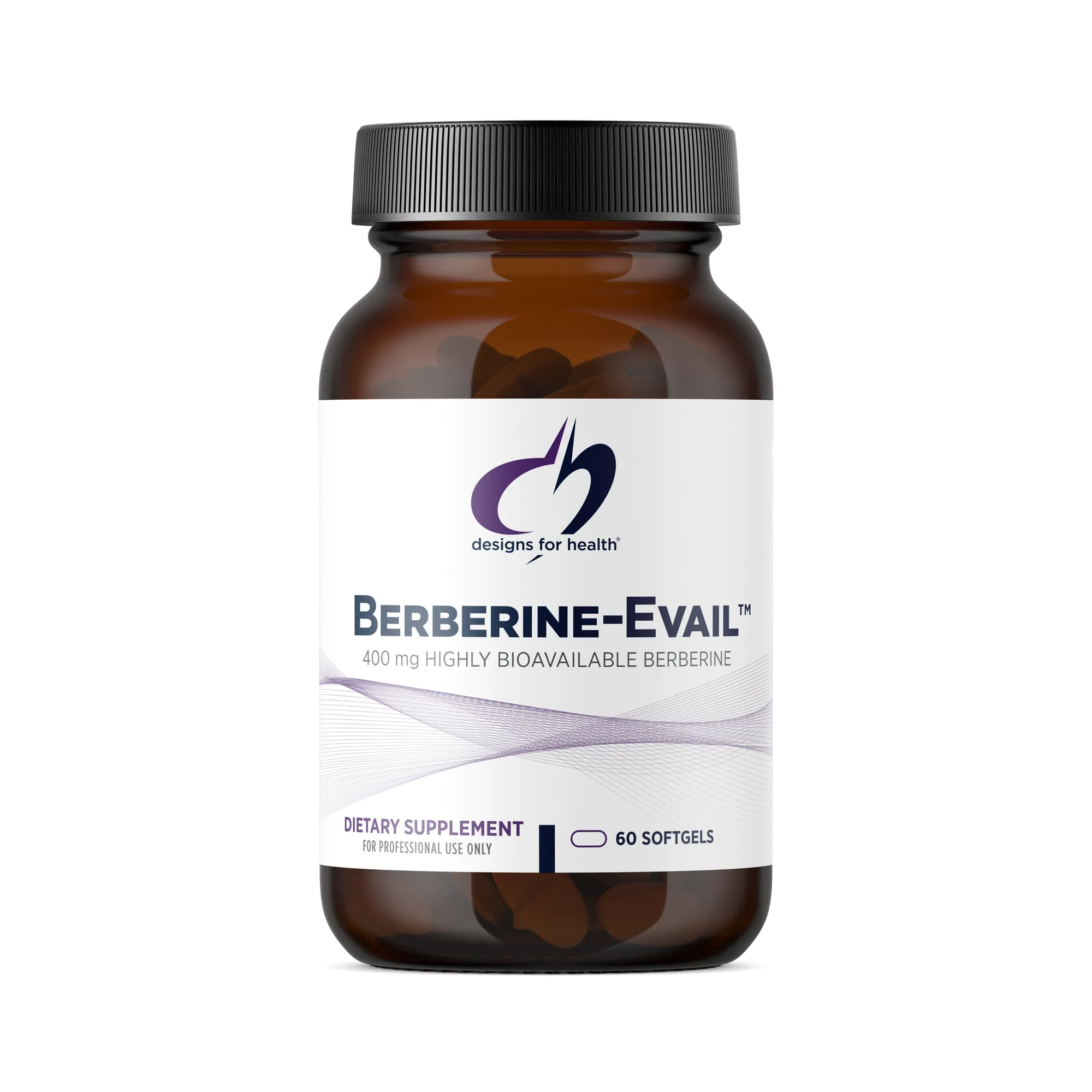
To overcome these severe absorption barriers, advanced nutritional science has developed highly sophisticated, lipid-based delivery matrices. Berberine-Evail™ utilizes a proprietary, cutting-edge self-emulsifying technology that intricately combines berberine with Medium-Chain Triglycerides (MCTs), specialized quillaja extract, and highly potent delta- and gamma-tocotrienols. Because berberine is highly lipophilic (fat-soluble) but exceptionally poorly water-soluble, dissolving it in a specialized MCT oil base allows it to entirely bypass traditional metabolic bottlenecks. The MCTs act as a highly efficient, rapid lipid carrier, shuttling the active berberine directly across the intestinal barrier and into the bloodstream.
The true, groundbreaking innovation of this formula, however, lies in the use of quillaja extract. Derived from the bark of the Quillaja saponaria (soapbark) tree, this extract is incredibly rich in natural saponins that act as a powerful, food-grade surfactant. When it interacts with water in the GI tract, it instantly forms a microemulsion—creating tiny, easily absorbable, microscopic droplets of berberine. Furthermore, quillaja extract acts as a potent, direct inhibitor of the P-glycoprotein efflux pump, actively preventing the intestines from rejecting and excreting the berberine. Finally, the inclusion of delta- and gamma-tocotrienols (the most potent, protective isomers of Vitamin E) completely protects this fragile lipid matrix from oxidation, ensuring the berberine remains perfectly stable and biologically active until it reaches the cellular targets.
Dosing Protocols and the 'Herxheimer' Reaction
In standard clinical settings, unformulated berberine is typically dosed aggressively between 900 mg and 1,500 mg per day, heavily divided into three doses taken with meals. However, because the Evail™ technology so dramatically enhances systemic absorption, significantly lower doses (such as the 400 mg found in a single softgel of Berberine-Evail™) can achieve profound, clinically relevant systemic effects without the massive GI burden. It is generally recommended by functional medicine practitioners to pulse or cycle berberine (for example, taking it consistently for 8 to 12 weeks, followed by a 4-week break) to prevent native, beneficial gut flora from building resistance and to give the liver's metabolic enzymes a necessary rest.
For patients battling ME/CFS, Long COVID, or severe, long-standing dysbiosis, starting berberine requires extreme caution and patience due to the high risk of a Jarisch-Herxheimer reaction, commonly known in the chronic illness community as 'die-off.' Because berberine so aggressively attacks and kills pathogenic gut bacteria, biofilms, and fungi, the dying microbes rapidly release massive amounts of toxic endotoxins into the bloodstream. In patients with already compromised, sluggish detoxification pathways, this sudden, overwhelming toxic burden can trigger a severe, temporary worsening of profound fatigue, flu-like symptoms, joint pain, and brain fog. Practitioners strongly advise starting at the absolute lowest possible dose and titrating up very slowly to minimize this intense reaction.
Crucial Safety Warnings for POTS and Dysautonomia Patients
While berberine offers incredible, life-changing benefits for many, it acts as a very sharp 'double-edged sword' for patients with autonomic nervous system dysfunction, particularly those diagnosed with Postural Orthostatic Tachycardia Syndrome (POTS). Berberine is a highly effective, known vasodilator, meaning it actively relaxes and widens the blood vessels. For a healthy individual, or someone with hypertension, this beautifully promotes cardiovascular health and safely lowers blood pressure. However, for a POTS patient, systemic vasodilation is highly problematic and potentially dangerous. Widened blood vessels massively exacerbate the pooling of blood in the lower extremities upon standing, severely depriving the brain of oxygen and instantly triggering severe tachycardia, extreme dizziness, or syncope (fainting). Patients with baseline low blood pressure or severe orthostatic intolerance must approach berberine with extreme caution and medical oversight.
Additionally, berberine acts as a potent inhibitor of several critical cytochrome P450 liver enzymes (including CYP3A4, CYP2D6, and CYP2C9). This means it can significantly and dangerously alter the metabolism of various prescription medications, leading to potentially severe drug interactions. It is well-documented to interact with blood thinners, immunosuppressants, and crucial heart medications frequently used by dysautonomia patients, such as beta-blockers and ivabradine (Corlanor). Furthermore, because it so effectively and rapidly lowers blood glucose, combining berberine with prescribed antidiabetic medications creates a serious, clinical risk of severe hypoglycemia. Exploring complex treatments for Long COVID absolutely requires the careful, expert management of these complex pharmacological interactions.
Follow the Science
Clinical Trials on Blood Sugar and Insulin Resistance
The clinical efficacy of berberine in managing severe metabolic dysfunction and insulin resistance is supported by a massive, ever-growing body of rigorous, peer-reviewed literature. A comprehensive 2024 systematic review and meta-analysis published in the highly respected journal Frontiers in Pharmacology meticulously analyzed 50 Randomized Controlled Trials (RCTs) involving over 4,150 human participants. The researchers definitively concluded that berberine, whether used entirely alone as a monotherapy or alongside standard pharmaceutical therapies, significantly and consistently lowers fasting blood glucose (by an impressive average of -0.59 to -0.99 mmol/L), postprandial (after-meal) blood glucose, and glycated hemoglobin (HbA1c).
Furthermore, a massive umbrella meta-analysis published in Clinical Therapeutics in early 2024 aggregated multiple previous systematic reviews and confirmed beyond a doubt that berberine supplementation is highly effective in reducing glycemic parameters and systemic inflammatory markers in adults suffering from metabolic disorders. These rigorous studies consistently demonstrate that berberine profoundly improves insulin sensitivity by dramatically lowering Fasting Insulin levels and significantly reducing HOMA-IR (Homeostatic Model Assessment for Insulin Resistance) scores, firmly establishing it as a frontline botanical intervention for metabolic syndrome and cellular energy dysfunction.
The Pharmacokinetics of Quillaja Extract Emulsification
The specific, advanced bioavailability enhancements utilized in the Evail™ technology have been rigorously tested and validated in specific human clinical trials. A landmark pharmacokinetic study published in Food & Function (registered under ClinicalTrials.gov Identifier: NCT03438292) directly evaluated the absorption of berberine emulsified with quillaja extract compared to standard, unformulated berberine powder. The rigorous randomized crossover trial involved 12 healthy subjects who were administered an 800 mg dose, with their blood plasma concentrations meticulously monitored over a 12-hour period to track exact absorption rates.
The clinical results were absolutely staggering. The study definitively found that emulsification via quillaja extract resulted in a massive 4.2-fold increase in total systemic absorption (measured as Area Under the Curve, AUC) compared to the standard powder. Even more impressively, the peak plasma concentration (Cmax) of the emulsified berberine was an incredible 5.7 times higher than the unformulated version. The researchers also noted highly significant increases in the plasma concentrations of berberine's active phase-1 metabolites, definitively proving that this specific lipid-based matrix successfully bypasses the gut's natural rejection mechanisms to deliver potent, clinically relevant doses directly into the bloodstream.
Emerging Research on Post-Viral Syndromes
While direct, large-scale clinical trials specifically testing berberine for Long COVID are still in their infancy, the deep mechanistic overlap is heavily supported by rapidly emerging research into post-viral pathology. Recent groundbreaking studies on ME/CFS and Long COVID have identified profound CD8 T-cell dysfunction and severe, intractable neuroinflammation driven by massive oxidative stress. Because berberine is a scientifically proven, highly potent AMPK activator and a natural mast cell stabilizer, neuroimmune researchers are increasingly looking at its immense potential to interrupt the exact inflammatory and metabolic vicious cycles that perpetuate these devastating, complex chronic illnesses.
The Path Forward
Integrating Berberine into a Comprehensive Strategy
Living with complex, multi-systemic chronic conditions like Long COVID, ME/CFS, MCAS, and dysautonomia is an exhausting, deeply unpredictable, and often isolating journey. It is entirely valid to feel completely overwhelmed by the sheer number of debilitating symptoms you are forced to manage on a daily basis. While berberine is a remarkably powerful, scientifically validated botanical tool for addressing the root metabolic and microbial dysfunctions associated with these illnesses, it is not a standalone magic bullet. True, lasting healing requires a comprehensive, multi-disciplinary approach that includes aggressive energy pacing, meticulous symptom tracking, targeted dietary modifications, and highly personalized medical therapies.
Partnering with Your Healthcare Provider
Because berberine exerts such profound, drug-like pharmacological effects on blood sugar, blood pressure, and liver enzymes, it must be used with deep respect and extreme caution. It is absolutely critical to consult with a knowledgeable healthcare provider or functional medicine practitioner before introducing berberine into your regimen, especially if you suffer from POTS, are prone to hypoglycemia, or are taking any prescription medications. Together, you can carefully determine the optimal dosage, monitor closely for die-off reactions, and ensure that this powerful metabolic regulator safely and effectively supports your unique path to recovery.