Can BCAA Powder with L-Glutamine Support Energy and Gut Health in Long COVID and ME/CFS?
March 5, 2026
BCAAL-GlutamineLong COVID
Share:
Disclaimer: The information provided here is for educational purposes only and is not intended as medical advice. It should not be used to diagnose, treat, cure, or prevent any medical condition. Instead, use it as a starting point for discussion with your healthcare provider. Always consult with a qualified healthcare provider before starting any new medication, supplement, device, or making changes to your health regimen.
Living with an energy-limiting chronic illness often feels like trying to drive a car with a malfunctioning fuel gauge and a leaking gas tank. For individuals navigating the unpredictable terrain of Long COVID, myalgic encephalomyelitis/chronic fatigue syndrome (ME/CFS), and dysautonomia, the profound exhaustion experienced is rarely just "tiredness." Instead, it is a deep, cellular energy crisis that leaves patients struggling to perform basic daily tasks. When your body’s primary energy generators—the mitochondria—are compromised by post-viral dysfunction, the resulting symptoms can be debilitating, isolating, and deeply frustrating to manage.
In the search for validating, science-backed management strategies, researchers are increasingly looking at the foundational building blocks of human metabolism: amino acids. Specifically, the combination of branched-chain amino acids (BCAAs) and L-glutamine has emerged as a compelling area of study. These essential nutrients do far more than just build muscle in athletes; they act as critical signaling molecules that regulate mitochondrial biogenesis, defend against oxidative stress, and maintain the delicate lining of the intestinal tract. Understanding how these specific amino acids function at a molecular level offers crucial insights into why post-viral bodies struggle to generate energy and how targeted nutritional support might help alleviate the burden of complex chronic conditions.
TL;DR
BCAAs and L-Glutamine may help support cellular energy and gut health in complex chronic conditions.
These amino acids provide alternative fuel for mitochondria, potentially aiding in the management of post-exertional malaise.
L-Glutamine supports the intestinal lining, which may help reduce systemic inflammation and cognitive dysfunction.
Powdered, free-form amino acids offer rapid absorption without taxing a compromised digestive system.
What is BCAA Powder with L-Glutamine?
The Building Blocks of Muscle and Energy
Amino acids are frequently referred to as the building blocks of life, serving as the fundamental components of all proteins in the human body. Among the twenty standard amino acids, nine are classified as "essential," meaning the body cannot synthesize them internally and must acquire them through diet or supplementation. Branched-chain amino acids (BCAAs)—which include leucine, isoleucine, and valine—are a unique subset of these essential amino acids, distinguished by their non-linear, branched aliphatic side chains. This specific molecular structure allows BCAAs to bypass the liver during initial metabolism. Instead of being processed hepatically, they are transported directly into skeletal muscle and the brain, where they serve as an immediate, highly accessible source of cellular fuel.
At the cellular level, BCAAs are intimately involved in regulating energy homeostasis and protein synthesis. When they enter the muscle tissue, they are transaminated by the enzyme branched-chain aminotransferase (BCAT) into branched-chain α-keto acids. These molecules are then further oxidized by the BCKDH complex, eventually converting into acetyl-CoA and succinyl-CoA. These end products are critical intermediates that feed directly into the Tricarboxylic Acid (TCA) cycle, also known as the Krebs cycle. By supplying the TCA cycle with these carbon skeletons, BCAAs ensure a continuous flow of electrons into the mitochondrial electron transport chain, thereby driving the production of adenosine triphosphate (ATP), the universal energy currency of the cell.
The Gut-Immune Axis and L-Glutamine
While BCAAs are essential for muscular and mitochondrial energy, L-glutamine plays a fundamentally different but equally vital role in human physiology. L-glutamine is the most abundant free amino acid in the human bloodstream and is classified as "conditionally essential." In a healthy, unstressed body, skeletal muscles can synthesize enough glutamine to meet daily demands. However, during periods of severe physiological stress—such as a major viral infection, chronic inflammation, or systemic immune activation—the body's demand for glutamine drastically outpaces its ability to produce it. When this occurs, glutamine stores are rapidly depleted, leaving critical physiological systems vulnerable to dysfunction.
L-glutamine serves as the primary metabolic fuel for two highly active types of cells: enterocytes (the cells that line the intestinal wall) and immune cells (such as lymphocytes and macrophages). In the gastrointestinal tract, enterocytes turn over rapidly and require massive amounts of energy to maintain the physical barrier between the gut microbiome and the systemic bloodstream. Glutamine provides this energy, allowing enterocytes to synthesize tight junction proteins like claudin and occludin. These proteins act as the cellular "glue" that helps keep undigested food particles, bacterial endotoxins, and pathogens from leaking out of the intestines and triggering systemic immune alarms.
The Synergy of Amino Acids
When BCAAs and L-glutamine are combined into a single powdered supplement, they offer a synergistic approach to metabolic health. While leucine, isoleucine, and valine work to stimulate mitochondrial biogenesis and provide direct ATP substrates to skeletal muscle, L-glutamine works simultaneously to repair the mucosal barrier and calm immune hyperactivation. This dual-action mechanism is particularly relevant for individuals dealing with complex, multi-systemic illnesses. By addressing both the cellular energy deficit in the muscles and the inflammatory cascade originating in the gut, this specific amino acid blend targets two of the most critical pathophysiological drivers of post-viral fatigue and chronic illness.
How Long COVID and ME/CFS Impact Amino Acid Pathways
Mitochondrial Dysfunction and Amino Acid Depletion
To understand why amino acid supplementation is relevant for chronic illness, we must first examine how conditions like Long COVID and ME/CFS disrupt normal cellular metabolism. A growing body of research indicates that these energy-limiting conditions are heavily characterized by severe mitochondrial dysfunction. When the mitochondria are damaged by chronic viral persistence, oxidative stress, or immune dysregulation, they lose their ability to efficiently convert glucose into ATP via standard glycolysis. Desperate to meet the body's baseline energy demands, these malfunctioning mitochondria inappropriately shift their metabolic strategy, beginning to aggressively burn through alternative fuel sources, including fatty acids and circulating amino acids.
This compensatory mechanism leads to a rapid and profound depletion of BCAAs in the bloodstream. A 2024 metabolomic study utilizing automated machine learning analyzed the blood profiles of ME/CFS patients and discovered a significant, widespread decrease in circulating leucine levels compared to healthy controls. The researchers concluded that this depletion is a direct result of malfunctioning mitochondria "chewing up" BCAAs in a frantic attempt to generate cellular energy. As the body continuously catabolizes its own amino acid stores, patients experience severe neuromuscular fatigue, muscle wasting, and a profound inability to recover from physical exertion. This metabolic crisis is a key factor in understanding what causes Long COVID and its lingering physical toll.
The "Central Fatigue" Hypothesis
The depletion of BCAAs in the bloodstream triggers a devastating downstream effect in the central nervous system, a phenomenon known as the "Central Fatigue" hypothesis. BCAAs and another amino acid called tryptophan share the exact same transport mechanism—the Large Neutral Amino Acid Transporter 1 (LAT1)—to cross the blood-brain barrier. In a healthy individual, high levels of circulating BCAAs outcompete tryptophan for access to this transporter, keeping brain tryptophan levels tightly regulated. However, when chronic illness depletes blood BCAA levels, this competitive balance is shattered.
Without sufficient BCAAs to block the LAT1 transporter, a massive influx of free tryptophan floods across the blood-brain barrier. Once inside the brain, this excess tryptophan is rapidly converted into the neurotransmitter serotonin. While serotonin is often associated with mood regulation, abnormally high spikes of serotonin in the central nervous system during physical activity induce an overwhelming perception of effort, lethargy, and severe neurological exhaustion. This biochemical cascade explains why patients with ME/CFS and Long COVID experience debilitating crashes after minimal exertion, highlighting why early overexertion can prolong and worsen Long COVID symptoms.
Leaky Gut and Systemic Inflammation
Simultaneously, the gastrointestinal tract undergoes its own crisis during post-viral syndromes. The chronic physiological stress of an ongoing immune battle rapidly depletes the body's endogenous stores of L-glutamine. Without adequate glutamine to fuel the enterocytes, the tight junctions of the intestinal wall begin to degrade, leading to increased intestinal permeability, commonly known as "leaky gut."
When the gut barrier is compromised, microbial endotoxins like lipopolysaccharides (LPS) escape the intestines and enter the systemic bloodstream. The immune system recognizes these translocated toxins as foreign invaders and launches a massive inflammatory response, deploying cytokines and activating mast cells throughout the body. This systemic inflammation crosses the blood-brain barrier, causing severe neuroinflammation that manifests clinically as brain fog, cognitive impairment, and heightened pain sensitivity. This interconnected web of gut dysfunction and immune hyperactivation is a major reason why researchers are investigating if Long COVID can trigger ME/CFS, as both conditions share this exact pathophysiological mechanism.
BCAA Powder: Supporting Cellular Energy and Intestinal Integrity
Leucine and Mitochondrial Biogenesis
Supplementing with BCAA Powder with L-Glutamine aims to directly intervene in these destructive metabolic cycles by providing the body with the exact raw materials it is rapidly depleting. L-Leucine, the most heavily researched of the branched-chain amino acids, acts as a potent signaling molecule that directly influences mitochondrial health. Leucine is a primary activator of the mammalian target of rapamycin complex 1 (mTORC1) pathway. When activated, mTORC1 not only stimulates muscle protein synthesis to repair damaged tissues but also coordinates the building of new mitochondrial structural components, a process known as mitochondrial biogenesis.
Furthermore, recent breakthroughs in cellular biology have revealed that leucine plays a protective role in maintaining existing mitochondria. A 2025 study published in Nature Cell Biology demonstrated that leucine may help protect against the degradation of vital mitochondrial surface proteins by downregulating a cellular quality-control protein called SEL1L. By stabilizing the outer mitochondrial membrane, leucine allows the organelle to import metabolic molecules much more efficiently. This stabilization dramatically boosts the respiratory capacity of the cell, helping to restore the maximal mitochondrial ATP production rate that is so often severely suppressed in post-viral fatigue syndromes.
Valine and Oxidative Stress Defense
While leucine drives biogenesis, L-Valine plays a critical role in defending the mitochondria against the damaging effects of oxidative stress. In patients with Long COVID and ME/CFS, malfunctioning mitochondria leak high levels of reactive oxygen species (ROS), which cause widespread cellular damage and further impair energy production.
By enhancing the efficiency of the Electron Transport Chain, valine helps the mitochondria process electrons more smoothly, significantly reducing the amount of ROS that leaks into the cellular environment. Furthermore, valine supplementation has been shown to sustain oxidative phosphorylation and ATP generation rates even when cells are exposed to severe, artificially induced oxidative stress. This protective mechanism is vital for patients whose cellular environments are constantly bombarded by the inflammatory byproducts of chronic immune activation, helping to stabilize their baseline energy levels.
L-Glutamine for Mucosal Repair
On the gastrointestinal front, the inclusion of L-Glutamine provides targeted support for the compromised gut-immune axis. When ingested, L-glutamine is rapidly absorbed by the enterocytes lining the intestinal wall, providing them with the immediate metabolic fuel required for cellular regeneration. By stimulating enterocyte proliferation, glutamine directly supports the synthesis and structural integrity of tight junction proteins. This process effectively "plugs the holes" in a leaky gut, halting the dangerous translocation of microbial endotoxins into the bloodstream.
By restoring the physical barrier of the intestines, L-glutamine cuts off the primary source of systemic endotoxemia that drives neuroinflammation and mast cell activation in complex chronic illnesses. Additionally, because glutamine is absolutely essential for lymphocyte proliferation, replenishing depleted stores helps support a more balanced, regulated immune response rather than the chaotic, hyperactive cytokine storms often seen in post-viral patients. This dual action of sealing the gut and nourishing the immune system is why glutamine is considered a foundational nutrient for those learning how to live with long-term COVID.
Symptoms BCAA Powder with L-Glutamine May Help Manage
Targeting Post-Exertional Malaise (PEM)
The unique combination of BCAAs and L-Glutamine addresses several overlapping pathophysiological mechanisms, making it a versatile tool for managing the complex symptom clusters of post-viral syndromes. By supporting both mitochondrial energy production and gut barrier integrity, this specific amino acid profile targets symptoms at their cellular root.
Here are the primary symptoms that BCAA Powder with L-Glutamine may help manage:
Post-Exertional Malaise (PEM) and Crashes: By providing an immediate, alternative fuel source (acetyl-CoA) to the TCA cycle, BCAAs help malfunctioning mitochondria generate ATP without relying solely on impaired glucose pathways, potentially raising the threshold before a severe energy crash occurs.
Severe Neurological Fatigue: By saturating the LAT1 transporter at the blood-brain barrier, high levels of circulating BCAAs help limit excess tryptophan from entering the brain, thereby halting the abnormal serotonin spikes that cause debilitating "central fatigue" and lethargy.
Muscle Weakness and Sarcopenia: Leucine's potent activation of the mTORC1 pathway stimulates muscle protein synthesis, helping to counteract the severe muscle wasting, weakness, and exercise intolerance frequently experienced during prolonged periods of bedbound chronic illness.
Addressing Cognitive Dysfunction and Muscle Weakness
Beyond physical fatigue, the systemic impacts of leaky gut and neuroinflammation profoundly affect cognitive and gastrointestinal function. The inclusion of L-Glutamine specifically targets these secondary, yet equally debilitating, symptom profiles.
Brain Fog and Cognitive Impairment: By repairing the intestinal tight junctions, L-glutamine stops the leakage of microbial endotoxins (LPS) into the bloodstream, directly reducing the systemic neuroinflammation that clouds cognitive function and impairs memory.
Gastrointestinal Distress: Glutamine serves as the primary fuel for intestinal enterocytes, helping to soothe and regenerate the mucosal lining, which can alleviate chronic symptoms of bloating, cramping, and unpredictable bowel habits associated with post-viral dysbiosis.
Immune System Exhaustion: As a critical nutrient for lymphocyte proliferation, replenishing depleted glutamine stores helps support a more resilient, regulated immune system, potentially reducing the frequency of secondary infections and opportunistic viral reactivations.
Practical Considerations: Forms, Dosing, and Absorption
The Advantage of Powdered Free-Form Amino Acids
When considering amino acid supplementation, the physical form and delivery method play a crucial role in bioavailability and clinical efficacy. BCAA Powder with L-Glutamine is formulated using free-form amino acids. Unlike whole dietary proteins (such as whey or collagen), which must be broken down by stomach acids and digestive enzymes before they can be absorbed, free-form amino acids require absolutely no digestion. They are already in their simplest molecular state, allowing them to bypass the digestive burden and be rapidly absorbed directly through the intestinal wall into the bloodstream.
This rapid absorption profile is particularly beneficial for patients with Long COVID, ME/CFS, and dysautonomia, who frequently suffer from gastroparesis, low stomach acid, or compromised digestive enzyme production. By utilizing a powdered format mixed into water, patients can ensure that the amino acids are delivered swiftly to the skeletal muscles and brain, providing an immediate bioenergetic substrate without taxing an already fragile gastrointestinal system. Additionally, the powdered form allows for highly customizable dosing, which is essential for patients who are sensitive to new supplements.
Dosing and Timing for Chronic Illness
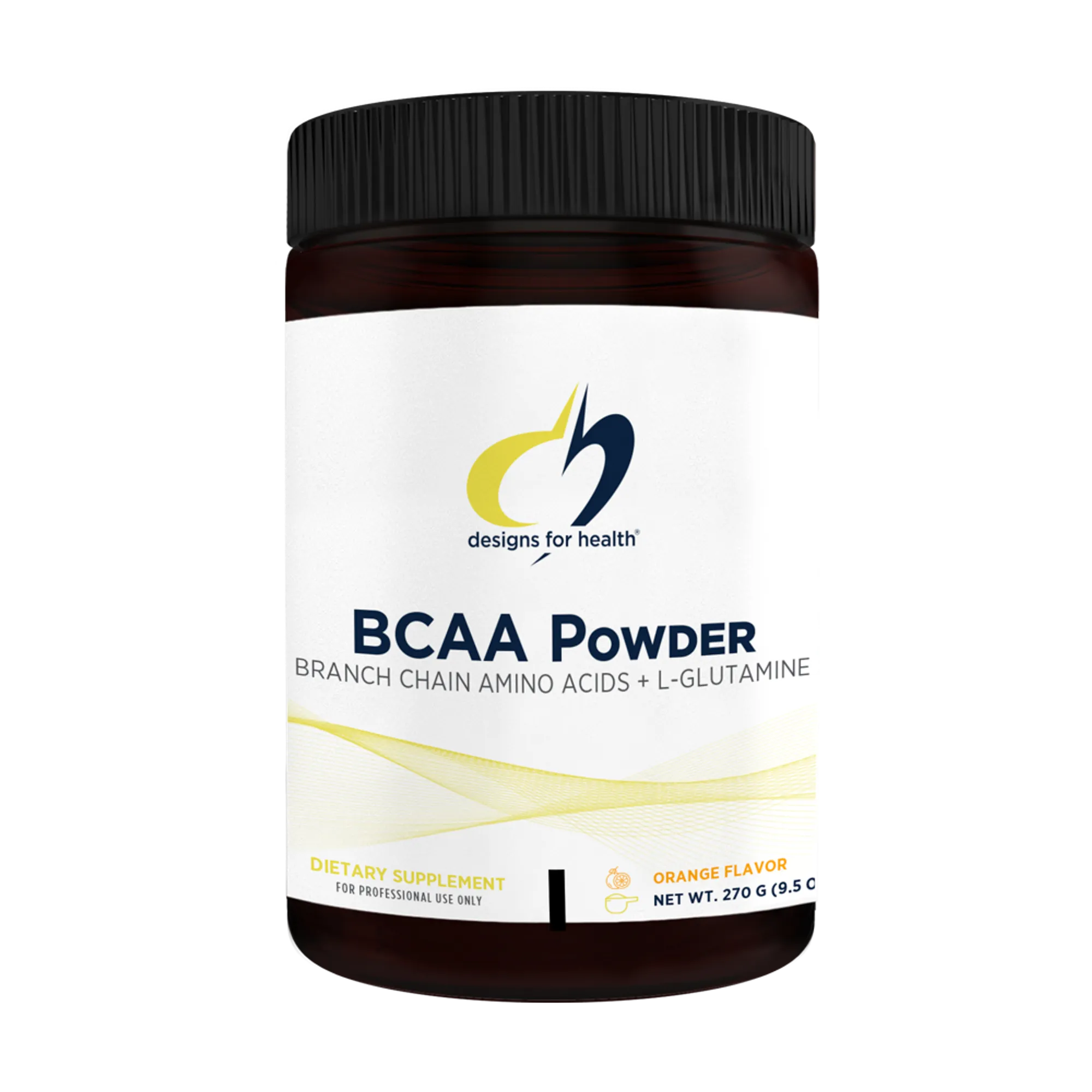
The suggested use for this specific formulation is mixing 9 grams (approximately one scoop) into 10 to 12 ounces of water per day. This scoop provides a clinically relevant dose of 2.5g of L-Leucine, 2g of L-Glutamine, 1.2g of L-Isoleucine, and 1.2g of L-Valine. For healthy athletes, BCAAs are typically consumed immediately before or during a workout to help manage delayed onset muscle soreness. However, for individuals managing energy-limiting chronic illnesses, the timing strategy must be adapted to support pacing and mitigate post-exertional malaise.
Many patients find it beneficial to consume their BCAA and glutamine powder in the morning to establish a stable pool of circulating amino acids for the day's baseline metabolic demands. Alternatively, it can be taken 30 minutes prior to anticipated physical or cognitive exertion—such as a necessary doctor's appointment, a short walk, or a period of focused work—to provide the mitochondria with immediate TCA cycle substrates and to competitively block tryptophan from crossing the blood-brain barrier. It is crucial to remember that supplements do not cure these conditions, and patients must still strictly adhere to their pacing envelopes to avoid crashes.
Safety and Potential Interactions
BCAAs and L-Glutamine are naturally occurring amino acids and are generally recognized as safe with a well-established tolerability profile. However, there are important clinical considerations. Because BCAAs can influence glucose homeostasis and insulin secretion, individuals with diabetes or severe insulin resistance should monitor their blood glucose levels closely when initiating supplementation. Furthermore, because amino acids are metabolized and excreted via the renal system, patients with pre-existing kidney disease or impaired renal function should consult their healthcare provider before adding high-dose amino acids to their regimen.
Additionally, while L-glutamine is incredibly healing for the gut, a small subset of patients with severe neurological sensitivities or specific genetic mutations (such as GAD gene variants) may find that excess glutamine converts into the excitatory neurotransmitter glutamate, causing temporary anxiety or jitteriness. As with any new therapeutic intervention, it is highly recommended to start with a fraction of the recommended dose—perhaps a quarter of a scoop—and slowly titrate upward over several weeks to monitor for individual tolerability and symptom response.
Follow the Science
BCAA Depletion and Central Fatigue
The scientific rationale for utilizing BCAAs and L-Glutamine in post-viral syndromes is grounded in decades of metabolic research and recent, cutting-edge metabolomic profiling. The foundational understanding of how amino acids influence profound exhaustion stems from the "Central Fatigue" hypothesis. This foundational hypothesis has been heavily reinforced by modern artificial intelligence.
A 2024 study published in MDPI utilized Automated Machine Learning (AutoML) to analyze the metabolomic profiles of 106 ME/CFS patients. The AI models identified a severe, statistically significant decrease in blood leucine levels among the patient cohort. The researchers concluded that this depletion indicates an increased, compensatory breakdown (catabolism) of BCAAs by malfunctioning mitochondria desperately trying to generate ATP, mapping this specific amino acid deficit directly to the severe neuromuscular fatigue experienced by patients.
L-Glutamine's Role in Viral Recovery
The clinical evidence supporting L-Glutamine's role in viral recovery and gut repair is equally compelling. During the height of the pandemic, researchers investigated how replenishing depleted glutamine stores could impact acute viral outcomes.
Recent Developments in Mitochondrial Health
Looking specifically at the molecular mechanisms of mitochondrial preservation, recent breakthroughs continue to validate the use of leucine. An October 2025 study published in Nature Cell Biology by researchers at the University of Cologne mapped a novel cellular pathway demonstrating that leucine may help protect against the degradation of mitochondrial surface proteins. By downregulating the SEL1L protein, leucine stabilizes the outer mitochondrial membrane, allowing the organelle to import metabolic molecules more efficiently and dramatically boosting respiratory capacity. This continuous stream of emerging data underscores why amino acid therapy remains a focal point in understanding do Long COVID symptoms come and go based on metabolic fluctuations.
The Path Forward
A Comprehensive Approach to Recovery
Living with the unpredictable, debilitating symptoms of Long COVID, ME/CFS, or dysautonomia is an incredibly heavy burden to carry. The profound cellular exhaustion, the cognitive fog, and the constant gastrointestinal distress are deeply validating signs of a body caught in a complex metabolic and immunological struggle. It is important to recognize that your symptoms are not in your head; they are rooted in measurable, physiological disruptions at the mitochondrial and cellular level. Understanding these mechanisms is the first step toward regaining a sense of agency over your health.
While BCAA Powder with L-Glutamine offers a targeted, science-backed approach to supporting mitochondrial energy production, defending against central fatigue, and repairing the gut-immune axis, it is not a standalone cure. Supplements must be integrated into a comprehensive, holistic management strategy. This includes strict adherence to pacing to avoid post-exertional malaise, meticulous symptom tracking, prioritizing restorative rest, and working closely with a medical team that understands the nuances of post-viral illnesses. By combining targeted nutritional support with compassionate lifestyle management, patients can slowly begin to stabilize their baseline and improve their overall quality of life.
Next Steps
If you are struggling with severe fatigue, muscle weakness, or signs of a compromised gut barrier, discuss the potential benefits of amino acid supplementation with your healthcare provider. They can help you determine if this specific formulation aligns with your current metabolic needs, current medications, and overall treatment plan.