Can B12 and Folate Support Brain Fog and Fatigue in Long COVID and ME/CFS?
March 5, 2026
B12 FolateLong COVIDME/CFS
Share:
Disclaimer: The information provided here is for educational purposes only and is not intended as medical advice. It should not be used to diagnose, treat, cure, or prevent any medical condition. Instead, use it as a starting point for discussion with your healthcare provider. Always consult with a qualified healthcare provider before starting any new medication, supplement, device, or making changes to your health regimen.
Months or even years after recovering from an initial viral infection, many individuals find themselves fighting a relentless battle against debilitating symptoms. The profound exhaustion, unpredictable cognitive impairment often described as brain fog, and erratic heart rates can make daily life feel like an insurmountable mountain. If you are living with Long COVID, myalgic encephalomyelitis/chronic fatigue syndrome (ME/CFS), or dysautonomia, you are likely intimately familiar with the frustration of seeking answers for these complex, invisible symptoms. It is a journey that often involves navigating a medical system that is still catching up to the realities of post-viral chronic illness, leaving many patients to advocate for their own physiological healing.
In the search for underlying mechanisms that drive these conditions, medical researchers are increasingly focusing on cellular metabolism and the nervous system's ability to repair itself. One of the most critical biochemical partnerships in the human body is the relationship between Vitamin B12 and Folate (Vitamin B9). When these nutrients are depleted or poorly metabolized—often due to genetic bottlenecks or chronic viral stress—the body's ability to produce energy, regulate inflammation, and maintain nerve health becomes severely compromised. Understanding how the active forms of these vitamins, specifically methylcobalamin and L-5-methyltetrahydrofolate (L-5-MTHF), support the body at a molecular level can provide a validating framework for managing the complex symptoms of Long COVID and ME/CFS.
TL;DR
Active B12 and Folate support the methylation cycle, essential for cellular energy and nerve repair.
Viral infections can deplete these nutrients, driving Long COVID and ME/CFS symptoms like fatigue and brain fog.
Supplementing with bioavailable forms (methylcobalamin and L-5-MTHF) may help manage neuropathy and autonomic dysfunction.
Always consult a healthcare provider to tailor B-vitamin supplementation to your specific genetic and metabolic needs.
What is B12 Folate?
The Foundation of the Methylation Cycle
To understand the profound impact of Vitamin B12 and Folate on human health, we must first look at a foundational biochemical pathway known as the methylation cycle. This cycle operates continuously in every single cell of your body, acting as a master regulatory system for your DNA, nervous system, and detoxification pathways. At its core, the methylation cycle is responsible for producing a critical compound called S-adenosylmethionine (SAMe). SAMe acts as the body's universal "methyl donor," meaning it travels around the cell handing off methyl groups (a carbon atom attached to three hydrogen atoms) to various enzymes and proteins. This transfer of methyl groups is what turns genes on and off, synthesizes neurotransmitters like dopamine and serotonin, and builds the protective myelin sheath that insulates your nerves.
However, the production of SAMe creates a naturally occurring, sulfur-containing amino acid byproduct known as homocysteine. In a healthy, well-functioning body, homocysteine is quickly recycled back into methionine to keep the cycle moving smoothly. If this recycling process breaks down, homocysteine begins to accumulate in the bloodstream, where it becomes highly toxic. Elevated homocysteine acts as a potent source of oxidative stress, damaging the delicate endothelial lining of blood vessels and triggering systemic inflammation. To prevent this toxic buildup, the body relies entirely on the synchronized partnership of active Folate and Vitamin B12 to keep the remethylation process functioning optimally.
The Biochemical Dance of Methionine Synthase
The actual recycling of homocysteine is carried out by a highly specialized enzyme called methionine synthase. This enzyme is entirely dependent on both Folate and Vitamin B12 to perform its job, and the two vitamins execute a precise biochemical dance to make it happen. First, dietary folate must be converted into its biologically active form, L-5-methyltetrahydrofolate (L-5-MTHF). This active folate carries the vital methyl group needed to neutralize homocysteine, but it cannot deliver it directly. Instead, L-5-MTHF must hand the methyl group over to Vitamin B12 (cobalamin), temporarily converting the B12 into its active state, methylcobalamin.
Once Vitamin B12 has accepted the methyl group, it acts as a transport vehicle. The methionine synthase enzyme uses this newly formed methylcobalamin to transfer the methyl group directly onto the toxic homocysteine molecule. This chemical reaction instantly transforms the dangerous homocysteine back into safe, usable methionine, which then goes on to produce more SAMe. Meanwhile, the Folate, having given up its methyl group, reverts to a base state so it can go pick up another methyl group and start the cycle all over again. This elegant, continuous loop is what keeps our cellular machinery running, our nerves protected, and our blood vessels clear of inflammatory damage.
The Danger of the Folate Trap
Because Vitamin B12 and Folate are entirely co-dependent in this process, a deficiency or dysfunction in either one brings the entire methylation cycle to a grinding halt. If the body lacks sufficient Vitamin B12, the active L-5-MTHF has nowhere to pass its methyl group. As a result, the folate becomes biochemically "trapped" inside the cell, unable to complete its function or revert to its base state. This phenomenon, known in medical literature as the "Folate Trap", creates a functional deficiency where the cell starves for active folate even if there is plenty of it circulating in the blood.
When the Folate Trap occurs, the downstream consequences are severe and widespread. The production of SAMe plummets, meaning the body can no longer efficiently synthesize the myelin needed to protect peripheral nerves, leading to tingling, numbness, and neuropathic pain. Simultaneously, the un-recycled homocysteine begins to accumulate rapidly, driving up systemic inflammation and oxidative stress. This biochemical gridlock is particularly relevant for individuals managing complex chronic illnesses, as the resulting cellular environment is highly conducive to profound fatigue, cognitive dysfunction, and autonomic nervous system dysregulation.
How Long COVID and ME/CFS Impact the Methylation System
Viral Infection and the Depletion of Methyl Donors
When an individual contracts a severe viral infection like SARS-CoV-2 or the Epstein-Barr virus (EBV), the body mounts a massive immune response that requires an immense amount of cellular energy and resources. Recent research into Long COVID and ME/CFS suggests that this prolonged immune activation can severely deplete the body's stores of essential nutrients, including Vitamin B12 and Folate. The hyperactive immune system consumes vast quantities of methyl donors to produce immune cells, synthesize antibodies, and attempt to repair damaged tissues. Over time, this relentless demand can drain the methylation cycle, leaving the body without the necessary biochemical tools to resolve the acute inflammatory response and return to a state of homeostasis.
Furthermore, chronic viral infections are known to induce profound oxidative stress, generating free radicals that damage cellular structures and enzymes. The methionine synthase enzyme, which relies on B12 and Folate, is highly sensitive to oxidative stress and can become rapidly inactivated in an inflamed environment. When this enzyme shuts down, the methylation cycle stalls, leading to a vicious cycle where the body cannot produce the very antioxidants (like glutathione, which relies on downstream methylation pathways) needed to clear the viral-induced oxidative stress. This metabolic gridlock is a key driver of the persistent, debilitating fatigue seen in ME/CFS and Long COVID.
Homocysteine Accumulation and Vascular Damage
One of the most significant consequences of a stalled methylation cycle in chronic illness is the accumulation of homocysteine. In conditions like Long COVID and postural orthostatic tachycardia syndrome (POTS), researchers have observed widespread endothelial dysfunction—meaning the inner lining of the blood vessels becomes damaged and unable to regulate blood flow properly. Elevated homocysteine is a known endothelial toxin that directly contributes to this vascular damage. It promotes a pro-thrombotic (clotting) state and impairs the production of nitric oxide, a crucial molecule that tells blood vessels to dilate and relax.
When blood vessels cannot dilate properly due to homocysteine-induced damage, the body struggles to deliver oxygen and nutrients to tissues, particularly the brain and muscles. This microvascular dysfunction is heavily implicated in the hallmark symptoms of dysautonomia and ME/CFS, such as orthostatic intolerance (feeling faint or dizzy upon standing) and post-exertional malaise (PEM). The inability to efficiently route blood flow during physical or cognitive exertion means that patients hit an "energy wall" much faster than healthy individuals, triggering severe symptom exacerbations or crashes.
Neuroinflammation and the Brain Fog Connection
The impact of B12 and Folate depletion extends deeply into the central nervous system, driving the cognitive impairment commonly referred to as brain fog. Emerging studies on post-viral syndromes highlight the role of neuroinflammation, where the brain's resident immune cells (microglia) become chronically activated. Without adequate SAMe production from the methylation cycle, the brain cannot efficiently synthesize neurotransmitters like dopamine, serotonin, and norepinephrine, leading to mood disturbances, anxiety, and profound cognitive fatigue. Additionally, the lack of methylation impairs the brain's ability to clear out neurotoxic metabolites, allowing them to accumulate and disrupt neural signaling.
Moreover, the myelin sheath that insulates nerve fibers requires a constant supply of active Vitamin B12 to maintain its structural integrity. In the context of Long COVID and ME/CFS, a functional B12 deficiency can lead to demyelination, where the protective coating of the nerves begins to degrade. This slows down the transmission of electrical signals in the brain and peripheral nervous system, manifesting clinically as slowed processing speed, memory recall issues, and peripheral neuropathy (tingling or burning sensations in the hands and feet). Addressing this functional deficiency is a critical step in calming neuroinflammation and supporting cognitive recovery.
B12 and Folate: Supporting Neurological and Metabolic Recovery
Rebuilding Myelin and Protecting Peripheral Nerves
Supplementing with the active forms of these nutrients—methylcobalamin and L-5-MTHF—provides the body with the exact biochemical keys needed to unlock a stalled methylation cycle. By bypassing the need for enzymatic conversion, these bioavailable vitamins can immediately begin supporting neurological repair. Methylcobalamin is particularly crucial for the synthesis of lipids and proteins that make up the myelin sheath. When patients with Long COVID or ME/CFS experience peripheral neuropathy, tingling, or burning sensations, it is often a sign of nerve fiber damage. Providing high doses of active B12 gives the Schwann cells (the cells that produce myelin) the raw materials they need to repair these damaged protective coatings.
Additionally, L-5-MTHF works synergistically with methylcobalamin to lower the toxic burden of homocysteine in the vasa nervorum—the tiny blood vessels that supply oxygen and nutrients to the peripheral nerves. By clearing out homocysteine and improving localized blood flow, this nutrient combination creates a permissive environment for nerve regeneration. A preliminary study evaluating diabetic peripheral neuropathy has demonstrated that targeted supplementation with these active B-vitamins (along with pyridoxal 5'-phosphate) can actually increase epidermal nerve fiber density, meaning the nerves physically begin to regrow and heal, leading to a reduction in pain and paresthesia.
Restoring Autonomic Function and Baroreceptor Health
For patients managing dysautonomia and POTS, the autonomic nervous system is in a state of chronic dysregulation, struggling to manage heart rate and blood pressure during postural changes. Vitamin B12 plays a vital, yet often overlooked, role in the degradation and regulation of catecholamines (stress hormones like adrenaline and noradrenaline). The methylation cycle produces the enzymes required to break down these excitatory neurotransmitters. When B12 and Folate are deficient, adrenaline can pool in the synapses, contributing to the hyperadrenergic state and rapid heart rates frequently seen in POTS patients upon standing.
Furthermore, the baroreceptors—specialized nerve endings in the blood vessels that detect changes in blood pressure—rely heavily on intact myelin and healthy nerve signaling to communicate with the brain. If these baroreceptors are damaged by oxidative stress or demyelination, they cannot accurately signal the body to constrict blood vessels when you stand up, leading to blood pooling in the lower extremities and subsequent tachycardia. By supporting nerve repair and reducing vascular inflammation, methylcobalamin and L-5-MTHF can help restore the sensitivity and function of these crucial autonomic sensors, potentially improving orthostatic tolerance.
Fueling Mitochondrial Energy Production
The profound, debilitating fatigue experienced in ME/CFS and Long COVID is fundamentally different from normal tiredness; it is rooted in cellular energy failure. The mitochondria, the powerhouses of our cells, require a steady stream of specific nutrients to produce adenosine triphosphate (ATP), the energy currency of the body. While methylcobalamin is famous for its role in methylation, Vitamin B12 is also converted inside the mitochondria into adenosylcobalamin. This specific form of B12 is an essential cofactor for the enzyme methylmalonyl-CoA mutase, which is a critical step in feeding fatty acids and amino acids into the Krebs cycle for ATP production.
When the body is deficient in active B12, this mitochondrial pathway backs up, leading to an accumulation of methylmalonic acid (MMA) and a sharp decline in cellular energy output. This metabolic bottleneck forces the body to rely on less efficient, anaerobic energy production, which generates lactic acid and contributes heavily to the sensation of heavy, aching muscles and post-exertional malaise (PEM). By replenishing the body with bioavailable B12 and Folate, patients can help clear these metabolic blockages, supporting a more efficient mitochondrial energy yield and potentially raising their baseline threshold for physical and cognitive exertion.

Symptoms B12 and Folate May Help Manage
Targeted Symptom Relief for Complex Conditions
Because the methylation cycle impacts nearly every system in the body, restoring adequate levels of active Vitamin B12 and Folate can have widespread therapeutic effects. For individuals managing the overlapping complexities of Long COVID, ME/CFS, and dysautonomia, targeted supplementation may help alleviate several debilitating symptoms by addressing their root physiological causes. Here are the specific symptoms that B12 Folate supplementation may help manage:
Brain Fog and Cognitive Fatigue: By lowering neurotoxic homocysteine levels and supporting the synthesis of crucial neurotransmitters like dopamine and serotonin, active B12 and Folate can help clear the cognitive haze, improve memory recall, and enhance mental stamina.
Peripheral Neuropathy (Tingling and Numbness): Methylcobalamin provides the essential building blocks for myelin sheath repair, helping to physically regenerate damaged peripheral nerves and reduce the sensations of burning, tingling, or "pins and needles" in the extremities.
Profound Cellular Fatigue: By unblocking mitochondrial pathways and facilitating the conversion of amino acids into usable ATP energy, Vitamin B12 helps address the root cellular energy deficits that drive the heavy, exhausting fatigue seen in ME/CFS.
Orthostatic Intolerance and POTS Symptoms: Supporting the health of autonomic baroreceptors and aiding in the breakdown of excess adrenaline can help stabilize the nervous system's response to standing, potentially reducing episodes of rapid heart rate and dizziness.
Post-Exertional Malaise (PEM): While not a cure for PEM, improving mitochondrial efficiency and reducing systemic oxidative stress can help raise a patient's energy envelope, making them slightly more resilient to the metabolic fallout of physical or cognitive exertion.
Mood Disturbances and Anxiety: The methylation cycle is directly responsible for producing SAMe, which is required to synthesize mood-regulating neurotransmitters. Restoring this pathway can help stabilize mood and reduce the neuro-inflammatory drivers of anxiety and depression.
Practical Considerations: Forms, Dosing, and the MTHFR Gene
Bypassing the MTHFR Genetic Bottleneck
When considering B-vitamin supplementation, the specific form of the nutrients is arguably more important than the dosage itself. This is largely due to the prevalence of genetic variations in the MTHFR (methylenetetrahydrofolate reductase) gene. An estimated 30% to 40% of the population carries a polymorphism (such as the C677T or A1298C variant) that drastically reduces the function of the MTHFR enzyme. This enzyme is responsible for the final step of converting synthetic folic acid—the kind found in cheap supplements and fortified foods—into the biologically active L-5-MTHF. For individuals with this mutation, consuming synthetic folic acid is highly inefficient and can even be detrimental.
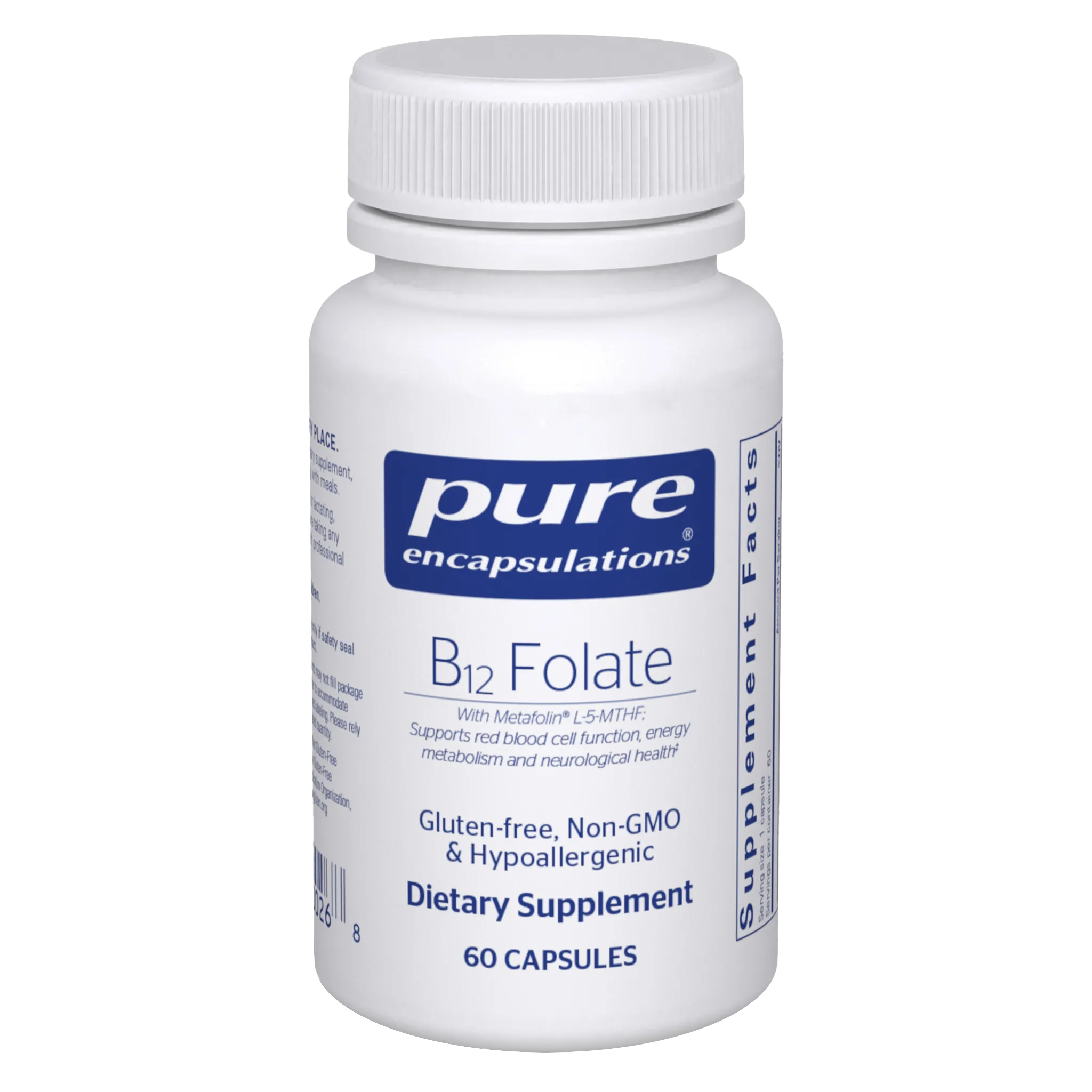
If the body cannot process synthetic folic acid, it accumulates in the bloodstream as Unmetabolized Folic Acid (UMFA). UMFA has no biological benefit, can mask the hematological signs of a severe B12 deficiency, and may even disrupt immune function. By choosing a supplement that provides Folate directly as L-5-MTHF (often patented as Metafolin®), patients completely bypass this genetic bottleneck. The active folate is immediately bioavailable, crossing the blood-brain barrier and entering the methylation cycle without requiring any enzymatic conversion, ensuring that even those with severe MTHFR mutations receive the full therapeutic benefit.
Methylcobalamin vs. Cyanocobalamin
Similarly, the form of Vitamin B12 matters immensely for clinical efficacy. Cyanocobalamin is a synthetic form of B12 commonly used in standard supplements because it is cheap and shelf-stable. However, it contains a cyanide molecule that the body must actively cleave off and detoxify before the B12 can be converted into a usable form. This conversion process requires energy and methyl groups—resources that are already severely depleted in patients with Long COVID and ME/CFS. Furthermore, clinical pharmacokinetic studies demonstrate that cyanocobalamin is poorly retained by the body, with a significant portion being rapidly excreted in the urine.
In contrast, methylcobalamin is the naturally occurring, bioactive form of Vitamin B12. Because it is already methylated, it is instantly recognized and utilized by the central nervous system and the methionine synthase enzyme. Research indicates that methylcobalamin has superior tissue retention compared to synthetic forms, meaning it stays in the body longer to support continuous nerve repair and homocysteine reduction. For patients dealing with profound neurological symptoms, providing the body with pre-methylated B12 removes a metabolic burden and accelerates the healing process.
Optimal Dosing, Timing, and Co-Factors
When integrating B12 and Folate into a management plan, consistency and timing are key. Because B-vitamins are water-soluble, the body does not store them in fat tissues for long periods; they must be replenished regularly. It is generally recommended to take B-vitamin supplements in the morning or early afternoon, as their role in cellular energy production can sometimes have a mildly stimulating effect that might interfere with sleep if taken too late in the evening. Taking the supplement with a meal can help minimize any potential gastrointestinal upset and support natural digestive absorption processes.
It is also crucial to understand that B-vitamins work synergistically. Taking high doses of Folate without adequate Vitamin B12 can exacerbate the "Folate Trap" and potentially worsen neurological symptoms. This is why high-quality formulations combine L-5-MTHF and methylcobalamin in carefully balanced ratios. Depending on the severity of a patient's functional deficiency or their specific genetic makeup, healthcare providers may recommend starting with a lower dose and gradually titrating up, monitoring for improvements in energy levels and cognitive clarity while keeping an eye out for any temporary over-methylation symptoms, such as mild anxiety or jitteriness.

Follow the Science: Clinical Evidence for Post-Viral Syndromes
Clinical Trials on Neuropathy and Nerve Regeneration
The clinical efficacy of combining active Folate and Vitamin B12 is robustly supported by literature, particularly in the realm of peripheral neuropathy. A preliminary study of eleven consecutive patients evaluated individuals suffering from diabetic peripheral neuropathy who were treated with a combination of L-methylfolate, methylcobalamin, and pyridoxal 5'-phosphate (active Vitamin B6). After approximately 6 months of treatment, 82% of the patients experienced both reduced frequency and intensity of paresthesias and/or dysesthesias.
Objective physiological data gathered from skin biopsies in this same study showed that after approximately six months of targeted supplementation with L-methylfolate, methylcobalamin, and pyridoxal 5'-phosphate, 73% of the patients demonstrated a measurable increase in calf epidermal nerve fiber density. This means the treatment did not merely mask the pain; it facilitated the actual physical regrowth and regeneration of the damaged nerve fibers. A large-scale real-world patient experience trial involving over 500 patients further corroborated these findings, with patients reporting a 32% decrease in overall pain ratings and a significant reduction in their reliance on standard neuropathic pain medications.
Evidence in ME/CFS and Chronic Fatigue
In the context of myalgic encephalomyelitis/chronic fatigue syndrome (ME/CFS), the clinical application of B12 and Folate has been a cornerstone of functional management for decades. While standard serum blood tests often fail to capture functional, tissue-level deficiencies, empirical treatment trials have shown profound benefits. Research conducted at specialized fatigue clinics in Sweden demonstrated that ME/CFS patients responded highly favorably to frequent, high-dose Vitamin B12 interventions combined with active folate. The researchers noted a clear dose-response relationship, where higher doses yielded better clinical outcomes, particularly in patients who carried variations in the MTHFR gene.
Furthermore, recent immunological research has identified pronounced CD8 T-cell dysfunction in both ME/CFS and Long COVID patients, linking this immune exhaustion to metabolic and methylation deficits. By supporting the methylation cycle with bioavailable B-vitamins, clinicians aim to restore the cellular energy required for these immune cells to function properly and clear persistent viral fragments. Patient-reported outcome surveys frequently highlight that active B12 and Folate supplementation—especially when bypassing the digestive tract via sublingual or injectable routes—is one of the most consistently effective interventions for raising baseline energy levels and mitigating the severity of post-exertional crashes.
Emerging Data on Long COVID and Dysautonomia
As the medical community races to understand the pathophysiology of Long COVID, the B12/Folate axis has emerged as a critical area of investigation. Multiple studies have documented a high prevalence of Vitamin B12 deficiency and elevated homocysteine levels in patients recovering from acute COVID-19 infections. This biochemical profile correlates strongly with worse clinical progression, higher inflammatory markers, and the onset of severe neurological sequelae. Researchers are currently investigating the role of B12 as an "epidrug" that can modulate neuroinflammation via epigenetic methylation pathways, potentially reversing the visuoconstructive deficits and brain fog that plague Long COVID long-haulers.
In pediatric and adult dysautonomia research, the link between B12 deficiency and autonomic dysfunction is equally compelling. Studies evaluating adolescents with postural orthostatic tachycardia syndrome (POTS) have found that a significant majority of these patients exhibit clinically low B12 levels compared to healthy controls. Because B12 is essential for myelin synthesis and the proper degradation of catecholamines, researchers conclude that this deficiency directly impairs sympathetic nervous system baroreceptor function. By correcting this functional deficiency with targeted methylcobalamin and L-5-MTHF, patients can support the structural integrity of their autonomic nervous system, offering a physiological pathway to improved orthostatic tolerance and living with long-term COVID.
The Path Forward
Integrating B-Vitamins into Your Management Plan
Living with a complex chronic illness like Long COVID, ME/CFS, or dysautonomia is an exhausting, unpredictable journey that tests your physical and emotional resilience daily. It is entirely valid to feel overwhelmed by the sheer volume of symptoms and the lack of straightforward medical answers. However, understanding the underlying biochemistry of your body—such as the critical role of the methylation cycle—can empower you to take targeted, science-backed steps toward physiological support. While no single supplement is a miracle cure, providing your body with the exact bioavailable nutrients it needs to repair nerves, clear inflammation, and produce cellular energy is a foundational component of a comprehensive management strategy.
By choosing active forms like methylcobalamin and L-5-MTHF, you are bypassing genetic bottlenecks and delivering vital resources directly to your nervous system and mitochondria. This targeted nutritional support works best when integrated into a broader pacing and symptom management protocol, allowing your body the time and metabolic bandwidth it needs to slowly rebuild its resilience. As you navigate this path, remember that healing from post-viral syndromes is a marathon, not a sprint, and every small step toward cellular support is a victory.
A Collaborative Approach to Healing
As always, it is crucial to approach supplementation collaboratively with a knowledgeable healthcare provider. Because complex chronic conditions often involve intricate web of symptoms and sensitivities, a medical professional can help you determine the optimal dosage, monitor your progress, and ensure that B12 and Folate fit safely into your broader treatment plan. They can also help you navigate any potential initial sensitivities as your methylation cycle comes back online. If you are ready to explore how targeted, bioavailable B-vitamins can support your neurological and metabolic health, you can learn more about our carefully formulated options.