Can Liquid B12 Support Energy and Brain Fog in Long COVID and ME/CFS?
March 5, 2026
Vitamin B12MethylcobalaminLong COVID
Share:
Disclaimer: The information provided here is for educational purposes only and is not intended as medical advice. It should not be used to diagnose, treat, cure, or prevent any medical condition. Instead, use it as a starting point for discussion with your healthcare provider. Always consult with a qualified healthcare provider before starting any new medication, supplement, device, or making changes to your health regimen.
Months or even years after a mild acute infection, many people find themselves fighting a daily, exhausting battle against debilitating symptoms. The profound, unrefreshing exhaustion, the dense brain fog that makes simple conversations difficult, and the unsettling tingling in the hands and feet are hallmarks of complex chronic conditions like Long COVID and myalgic encephalomyelitis/chronic fatigue syndrome (ME/CFS). If you are living with these invisible illnesses, you already know that standard blood tests often come back "normal," leaving you without answers or actionable treatments. Yet, at the cellular level, your body is struggling to produce energy and maintain the integrity of your nervous system.
In the search for validating, science-backed management strategies, researchers and clinicians are increasingly focusing on foundational cellular metabolism. One crucial piece of this complex puzzle is Vitamin B12, specifically in its active form known as methylcobalamin. While often dismissed as a simple daily vitamin, methylcobalamin is a powerful, structurally complex coenzyme that dictates how your cells generate energy, repair damaged nerves, and clear out toxic metabolic byproducts. For individuals navigating the unpredictable waves of post-viral illness, understanding how a high-dose liquid B12 supplement supports these disrupted biochemical pathways can be a vital step toward reclaiming cognitive clarity and physical stamina.
TL;DR
Liquid methylcobalamin supports cellular energy and nerve repair in chronic conditions like Long COVID and ME/CFS.
It bypasses absorption issues caused by gut dysbiosis and genetic mutations like MTHFR.
Targeted B12 supplementation may help manage fatigue, brain fog, and neuropathy symptoms.
Sublingual drops offer highly bioavailable, customizable dosing without relying on perfect digestion.
What is Vitamin B12 (Methylcobalamin)?
The Foundation of Cellular Health
Vitamin B12, scientifically known as cobalamin, is a structurally complex, essential water-soluble vitamin that plays a foundational role in human cellular metabolism. Unlike other vitamins, B12 contains a rare trace mineral—cobalt—at the center of its molecular structure, making it uniquely equipped to facilitate highly reactive biochemical transfers. Because the human body cannot synthesize Vitamin B12 on its own, it must be obtained entirely through diet or targeted supplementation. Within the body, cobalamin acts as a critical coenzyme in two primary and distinct biochemical pathways that are absolutely essential for survival. The methylcobalamin form regulates homocysteine metabolism in the cell’s cytosol, while the adenosylcobalamin form orchestrates energy metabolism deep within the mitochondria.
To understand how B12 functions, we must look at its role in the methylation cycle. Methylation is a biochemical process where a single carbon atom and three hydrogen atoms (a methyl group) are transferred from one molecule to another. This process happens billions of times a second in your body, acting as a biological switch that turns genes on and off, synthesizes neurotransmitters, and builds immune cells. When this foundational system is functioning optimally, your cells can rapidly adapt to stress, fight off infections, and repair damaged tissues. However, when the body lacks the necessary cofactors to drive these reactions, the entire system begins to slow down, leading to a cascade of systemic dysfunction.
The Methylation Cycle and Homocysteine
At the molecular level, methylcobalamin is the mandatory cofactor for an enzyme called methionine synthase (MetH). This enzyme is responsible for regulating the amino acid homocysteine, which is a natural byproduct of cellular metabolism. The catalytic cycle of methionine synthase functions via a complex two-step "ping-pong" mechanism. First, homocysteine coordinates with an enzyme-bound zinc atom to form a highly reactive thiolate. This thiolate then initiates a nucleophilic attack on the methyl group of the enzyme-bound methylcobalamin. The methyl group is successfully transferred, yielding the essential amino acid methionine and leaving behind a highly reactive intermediate known as cob(I)alamin.
To complete this vital cycle, the cob(I)alamin intermediate must be regenerated. It does this by taking a methyl group from 5-methyltetrahydrofolate (the active form of folate), transferring it back to the cobalamin, and releasing free tetrahydrofolate. This intricate dance accomplishes two critical goals: it helps prevent homocysteine from accumulating to toxic levels in the cell, and it produces methionine. Methionine is subsequently converted into S-adenosylmethionine (SAMe), which serves as the body's universal methyl donor. SAMe is directly responsible for methylating DNA, RNA, and the phospholipids required to maintain the protective myelin sheath that insulates your nerves.
Mitochondrial Energy Production
While methylcobalamin works tirelessly in the cellular fluid (cytosol), the other active form of B12, adenosylcobalamin, operates inside the mitochondria—the powerhouses of your cells. Adenosylcobalamin is the mandatory cofactor for the enzyme methylmalonyl-CoA mutase (MCM). This enzyme is directly responsible for routing macronutrients, specifically odd-chain fatty acids and certain amino acids, into cellular energy pathways. By assisting MCM in catalyzing the conversion of L-methylmalonyl-CoA into succinyl-CoA, Vitamin B12 provides a direct entry point into the Citric Acid Cycle, also known as the Krebs cycle.
Once succinyl-CoA enters the Krebs cycle, it facilitates the production of reducing equivalents like NADH and FADH2. These molecules feed directly into the mitochondrial electron transport chain, which generates adenosine triphosphate (ATP)—the primary energy currency of the cell. Without adequate B12, this pathway stalls, leading to a toxic buildup of methylmalonic acid (MMA). High levels of MMA disrupt normal fatty acid synthesis, forcing the body to incorporate abnormal fatty acids into neuronal lipids. This not only drastically reduces the amount of ATP available for physical and cognitive tasks but also physically destabilizes the nervous system, leading to profound fatigue and neurological impairment.
How Long COVID and ME/CFS Impact B12 Pathways
Viral Disruption and Gut Dysbiosis
The physiological trauma of a severe viral infection, such as SARS-CoV-2, can fundamentally alter how the body absorbs and utilizes essential nutrients. Research exploring What Causes Long COVID? highlights that the virus can persistently reside in the gastrointestinal tract, triggering chronic gut dysbiosis. A healthy gut microbiome is heavily involved in the synthesis and absorption of B vitamins. When viral persistence or post-viral inflammation disrupts the balance of beneficial gut bacteria, the body's ability to extract cobalamin from food is severely compromised. This localized malabsorption can lead to a functional B12 deficiency, even if dietary intake appears adequate.
Furthermore, the absorption of dietary Vitamin B12 is a highly complex process that requires adequate stomach acid and a specialized protein called Intrinsic Factor, which is secreted by the parietal cells of the stomach. Chronic illness, chronic stress, and the systemic inflammation seen in Long COVID and ME/CFS can downregulate the production of both stomach acid and Intrinsic Factor. This creates a vicious cycle: the body desperately needs more B12 to repair virally damaged tissues and mount an immune response, but the gastrointestinal system is too inflamed and dysregulated to absorb the vitamin efficiently from standard food sources.
The Homocysteine and Oxidative Stress Trap
When B12 pathways are disrupted by chronic illness, the methylation cycle stalls, leading to a dangerous accumulation of homocysteine in the bloodstream. Elevated homocysteine is a severe independent risk factor for cardiovascular stress, endothelial dysfunction, and oxidative stress. In the context of Long COVID, researchers have identified widespread endothelial damage and the formation of micro-clots as primary drivers of symptoms. High homocysteine levels exacerbate this pathology by promoting blood clotting and damaging the delicate inner lining of blood vessels, further restricting oxygen and nutrient delivery to starving tissues.
This accumulation of homocysteine also depletes the body's antioxidant reserves. As the body struggles to neutralize the reactive oxygen species generated by high homocysteine, it rapidly consumes glutathione, the master antioxidant. This leaves the mitochondria vulnerable to oxidative damage, directly impairing their ability to produce ATP. For patients wondering How Long Does Long COVID Last?, this biochemical trap is a key reason why symptoms can persist for years. The body is locked in a state of high oxidative stress and low energy production, unable to break the cycle without targeted nutritional intervention to restart the methylation gears.
Neuroinflammation and the Blood-Brain Barrier
Perhaps the most devastating impact of B12 pathway dysfunction in chronic illness occurs within the central nervous system. In conditions like ME/CFS, researchers have discovered a fascinating and troubling phenomenon: patients often have normal levels of Vitamin B12 in their standard blood tests, but significantly depleted levels of B12 in their cerebrospinal fluid (CSF). This indicates a functional blockage at the blood-brain barrier. The systemic inflammation and immune dysregulation inherent to these conditions appear to impair the transport mechanisms that carry B12 from the bloodstream into the brain and spinal cord.
Without adequate B12 in the central nervous system, localized neuroinflammation runs rampant. The brain cannot efficiently produce SAMe, meaning it cannot synthesize crucial neurotransmitters like serotonin and dopamine, leading to severe mood disturbances and cognitive dysfunction. Furthermore, the lack of B12 allows toxic byproducts like hydrogen sulfide and excess nitric oxide to accumulate in the brain. These neurotoxic gases exacerbate brain fog, trigger neuroinflammation, and contribute to the central sensitization of pain pathways seen in ME/CFS and fibromyalgia. This localized deficiency explains why standard blood tests can be highly misleading for patients with complex chronic illnesses.
Methylcobalamin: Supporting Energy and Nerve Repair
Restoring the Methylation Cycle
Supplementing with high-dose liquid methylcobalamin provides a direct, bio-ready solution to the stalled methylation cycles seen in chronic illness. Unlike synthetic cyanocobalamin, which the liver must first convert by removing a cyanide molecule and attaching a methyl group, methylcobalamin is already in its active, bioavailable state. This is particularly crucial for the estimated 30-40% of the population who carry genetic variations in the MTHFR gene. These mutations impair the body's ability to convert dietary folate into its active form, which in turn severely bottlenecks the B12-dependent methionine synthase enzyme.
By providing a direct supply of the active methyl donor, methylcobalamin bypasses these genetic and viral roadblocks. It immediately goes to work in the cytosol, binding to methionine synthase and rapidly converting toxic homocysteine into beneficial methionine. This action single-handedly reduces the cardiovascular stress and micro-clotting risks associated with elevated homocysteine. Furthermore, the newly synthesized methionine is quickly converted into SAMe, restoring the body's universal methyl donor pool. This allows the body to resume the critical tasks of methylating DNA, regulating gene expression, and synthesizing the neurotransmitters necessary for emotional well-being and cognitive clarity.
Promoting Remyelination and Nerve Health
One of the most profound therapeutic mechanisms of methylcobalamin is its ability to directly support and repair the nervous system. Post-COVID peripheral neuropathy, often presenting as small fiber neuropathy, is driven by demyelination—the stripping away of the protective lipid sheath that insulates nerve fibers. Methylcobalamin acts as a powerful neuroprotective agent by upregulating the lipid synthesis of Schwann cells, the specialized glial cells responsible for producing myelin in the peripheral nervous system. It directly increases the expression of myelin basic protein, providing the structural building blocks needed to patch and repair damaged nerve insulation.
Beyond repairing the myelin sheath, molecular pharmacology studies demonstrate that methylcobalamin increases the production of neuron-specific cytoskeleton molecules. These molecules promote the growth of axonal sprouts, physically encouraging damaged nerves to regenerate and reconnect. This mechanism is vital for alleviating the burning pain, numbness, and tingling associated with dysautonomia and neuropathy. By restoring the physical integrity of the nerve fibers, methylcobalamin helps normalize autonomic nervous system signaling, which is often severely dysregulated in patients dealing with postural orthostatic tachycardia syndrome (POTS) and other forms of post-viral dysautonomia.
Fueling the Krebs Cycle for ATP
While methylcobalamin dominates the cytosolic repair processes, its presence also supports the mitochondrial energy pathways. By ensuring that the overall bodily pool of cobalamin is replete, the body can efficiently convert necessary amounts into adenosylcobalamin to fuel the mitochondria. This restores the function of the methylmalonyl-CoA mutase enzyme, allowing the seamless conversion of methylmalonyl-CoA into succinyl-CoA. This critical step unblocks the metabolic traffic jam, allowing macronutrients to flow freely into the Krebs cycle to generate life-sustaining ATP.
This restoration of mitochondrial energy production is the primary mechanism by which B12 may help manage the profound, unrefreshing fatigue and post-exertional malaise (PEM) characteristic of ME/CFS and Long COVID. As ATP levels rise, cells regain the energy required to perform their specialized functions, whether that is a muscle cell contracting during physical exertion or an immune cell hunting down a persistent viral reservoir. Furthermore, by clearing the toxic buildup of methylmalonic acid (MMA), B12 helps prevent the incorporation of abnormal fatty acids into cell membranes, thereby protecting the structural integrity of the mitochondria themselves from further metabolic damage.

Symptoms Liquid B12 May Help Manage
Energy and Cognitive Symptoms
The systemic impact of a functional B12 deficiency manifests in a wide array of debilitating symptoms. By restoring cellular energy production and central nervous system health, liquid methylcobalamin may help manage several core issues faced by patients with complex chronic illnesses. Here are the specific energy and cognitive symptoms that targeted supplementation can address:
Profound Fatigue and Post-Exertional Malaise (PEM): By unblocking the methylmalonyl-CoA pathway and feeding succinyl-CoA directly into the mitochondrial Krebs cycle, B12 restores the cellular capacity to generate ATP. This helps raise the baseline energy threshold, potentially reducing the severity and duration of crashes following physical or cognitive exertion.
Brain Fog and Cognitive Dysfunction: Methylcobalamin provides the active methyl groups necessary to produce SAMe, which is required for the synthesis of crucial neurotransmitters like dopamine and serotonin. This helps clear the dense cognitive clouding, improving memory recall, focus, and overall mental sharpness.
Mood Instability and Emotional Dysregulation: The restoration of neurotransmitter synthesis via the methylation cycle also directly impacts emotional well-being. By supporting serotonin production and reducing localized neuroinflammation, B12 can help alleviate the secondary depression and anxiety that often accompany chronic, invisible illnesses.
Neurological and Systemic Symptoms
Beyond energy and cognition, the nervous system and cardiovascular system rely heavily on B12 to maintain structural integrity and fluid dynamics. When these systems are supported, patients often see a reduction in the physical, neurological manifestations of their conditions:
Peripheral Neuropathy (Tingling and Numbness): Methylcobalamin directly stimulates Schwann cells to increase lipid synthesis and produce myelin basic protein. This supports the physical repair of the demyelinated sheaths of peripheral nerves, reducing the burning, tingling, and numbness often felt in the hands and feet.
Dysautonomia and POTS Symptoms: By repairing damaged small nerve fibers and supporting the overall integrity of the autonomic nervous system, B12 helps normalize the erratic nerve signaling that drives rapid heart rates, blood pooling, and temperature dysregulation in dysautonomia.
Cardiovascular Stress and Micro-clotting: By driving the methionine synthase enzyme, methylcobalamin rapidly converts toxic homocysteine into safe methionine. Lowering homocysteine levels reduces endothelial inflammation and oxidative stress, which may help mitigate the micro-vascular clotting issues frequently observed in Long COVID.
Shortness of Breath (Air Hunger): B12 is essential for the proper maturation of red blood cells in the bone marrow. By helping to prevent macrocytic anemia, B12 ensures that red blood cells are the correct size and shape to efficiently transport oxygen to starving tissues, alleviating the sensation of air hunger.
Practical Considerations: Forms, Dosing, and Absorption
Methylcobalamin vs. Cyanocobalamin
When navigating the supplement aisle, patients are often confronted with various forms of Vitamin B12. The most common and inexpensive form is cyanocobalamin, a synthetic version that does not occur in nature. To utilize cyanocobalamin, the body must expend energy to cleave off the attached cyanide molecule and then attach a methyl group to make it active. In healthy individuals, this conversion is generally efficient. However, for patients with chronic illnesses, oxidative stress, or MTHFR gene mutations, this conversion process is often severely impaired, rendering cyanocobalamin largely ineffective for symptom management.
Methylcobalamin, on the other hand, is the naturally occurring, bioactive form of B12. It is considered "bio-ready," meaning it can immediately enter the cellular cytosol and begin driving the methylation cycle without requiring any enzymatic conversion by the liver. Clinical literature suggests that the body retains methylcobalamin in the tissues slightly longer than synthetic forms, making it the preferred choice for individuals specifically looking to address neurological symptoms, brain fog, and nerve damage. For patients exploring What Drugs Are Used for COVID Long Haulers?, adding a bio-ready nutrient like methylcobalamin is often a foundational step before moving to complex pharmaceuticals.
Liquid Sublingual vs. Oral Pills
A common concern among patients with gut dysbiosis is whether they can actually absorb oral supplements. The medical consensus regarding high-dose B12 absorption is highly encouraging. While dietary B12 requires Intrinsic Factor for absorption, high-dose supplements (such as 5000 mcg) rely on a process called passive diffusion. Studies show that approximately 1% of a high-dose B12 supplement is absorbed through passive diffusion along the entire gastrointestinal tract, completely bypassing the need for Intrinsic Factor or perfect stomach acid levels. Therefore, taking a 5000 mcg dose yields about 50 mcg of absorbed B12, which is vastly higher than the daily requirement of 2.4 mcg.
Liquid B12 formulas offer distinct practical advantages over traditional solid pills. Liquid drops can be held under the tongue (sublingually), allowing a portion of the vitamin to be absorbed directly through the oral mucosa into the bloodstream, bypassing the digestive tract entirely. While the remainder is eventually swallowed and absorbed via passive diffusion in the gut, the liquid format eliminates the need for the stomach to break down hard pill binders and fillers. Furthermore, liquid droppers allow for precise, customizable micro-dosing, which is incredibly beneficial for sensitive patients who need to titrate their supplements slowly to avoid overwhelming their metabolic pathways.
Dosing, Safety, and Interactions
Vitamin B12 is a water-soluble vitamin, meaning the body does not store excess amounts in fat tissues. Instead, any B12 that the body does not immediately use or store in the liver is safely excreted through the urine. Because of this, methylcobalamin has an exceptionally high safety profile, and there is no established Tolerable Upper Intake Level (UL) for B12, as toxic effects from high doses have not been observed in healthy individuals. A standard therapeutic dose for addressing neurological symptoms and fatigue in chronic illness often ranges from 1000 mcg to 5000 mcg daily, though individual needs can vary significantly.
While generally safe, it is important to be aware of potential drug interactions. Medications that reduce stomach acid, such as proton pump inhibitors (PPIs) and H2-receptor antagonists, can impair the absorption of dietary B12, making high-dose liquid supplementation even more critical for patients on these drugs. Additionally, the diabetes medication metformin is known to interfere with B12 absorption in the gut. Patients should always consult their healthcare provider before starting a new supplement, and consider requesting specific lab tests—such as a homocysteine level and a methylmalonic acid (MMA) test—which provide a much more accurate picture of cellular B12 status than a standard serum B12 blood test.

Follow the Science
B12 Deficiency in Long COVID
The scientific community is rapidly uncovering the critical role of Vitamin B12 in post-viral recovery. A compelling observational study by Goderidze et al. found that a staggering 85% of 312 confirmed Long COVID patients were clinically deficient in Vitamin B12. This high prevalence suggests that the SARS-CoV-2 virus either rapidly depletes bodily stores of cobalamin during the acute infection phase or severely disrupts the gut microbiome's ability to absorb it post-infection. These findings validate the experiences of countless patients who feel metabolically "drained" long after the virus has cleared.
Further supporting this, a retrospective study by Aslaner et al. analyzing 408 Long COVID patients found that 60% were B12 deficient. Crucially, this study noted that patients with lower B12 levels exhibited significantly worse clinical progression and higher markers of systemic inflammation. The researchers concluded that ruling out and addressing a Vitamin B12 deficiency should be a primary clinical step for anyone suffering from prolonged post-COVID symptoms, as the deficiency directly mirrors and exacerbates the fatigue and cognitive dysfunction caused by the virus.
High-Dose Therapy in ME/CFS
For decades, ME/CFS specialists have utilized high-dose B12 therapy to manage severe neurological symptoms. A landmark study by Regland et al. published in PLOS One (2015) evaluated clinical data from 38 patients with ME/CFS who received frequent high-dose B12 injections. The researchers found that the rate of symptomatic improvement correlated positively with higher B12 doses and longer treatment durations. Strikingly, an overwhelming 93% of the patients classified as "Good responders" were specifically using the methylcobalamin form, highlighting the importance of the active methyl donor in bypassing metabolic roadblocks.
More recently, an open-label trial by van Campen et al. in Frontiers in Pharmacology (2019) investigated the use of high-dose B12 nasal drops in 51 ME/CFS patients over 3 months. The trial found that 66% of the patients were "responders" who reported favorable outcomes, including objectively measured increases in daily steps, improved physical functioning, and a significant decrease in fatigue scores. This study reinforced the concept that massive doses of B12—whether delivered via injection, nasal drop, or highly concentrated sublingual liquid—are required to force the vitamin across the blood-brain barrier via passive diffusion to relieve localized central nervous system deficiencies.
Neuropathy and Cognitive Function
The neuroprotective mechanisms of methylcobalamin are well-documented in clinical literature. Research has identified B12 as a potentially beneficial intervention for core symptoms in Long COVID and ME/CFS patients. B12 may help improve post-exertional malaise (PEM), brain fog, and the burning pain associated with small fiber neuropathy. By upregulating the lipid synthesis of Schwann cells, methylcobalamin provides the exact biological materials needed to repair the demyelinated nerves that drive these debilitating neurological symptoms.
The Path Forward
A Piece of the Puzzle
Living with a complex chronic condition like Long COVID, ME/CFS, or dysautonomia is an exhausting, unpredictable journey. When your body feels like it is constantly running on empty, it is entirely valid to feel frustrated by the lack of simple medical answers. Understanding the intricate biochemistry of your cells—and how viral infections can disrupt foundational pathways like the methylation cycle and the Krebs cycle—is an empowering step. It validates that your symptoms are not "all in your head"; they are rooted in measurable, physiological dysfunctions that require targeted, compassionate care.
While high-dose liquid methylcobalamin is a powerful tool for supporting energy metabolism, nerve repair, and cognitive clarity, it is important to remember that it is just one piece of a comprehensive management strategy. Supplements work best when paired with aggressive rest, strict symptom tracking, and pacing to avoid triggering post-exertional malaise. If you are wondering Do Long COVID Symptoms Come and Go?, the answer is yes, and stabilizing your cellular energy production is key to smoothing out those unpredictable crashes. Always work closely with a knowledgeable healthcare provider to tailor a treatment plan that addresses your unique metabolic needs and lab results.
Next Steps
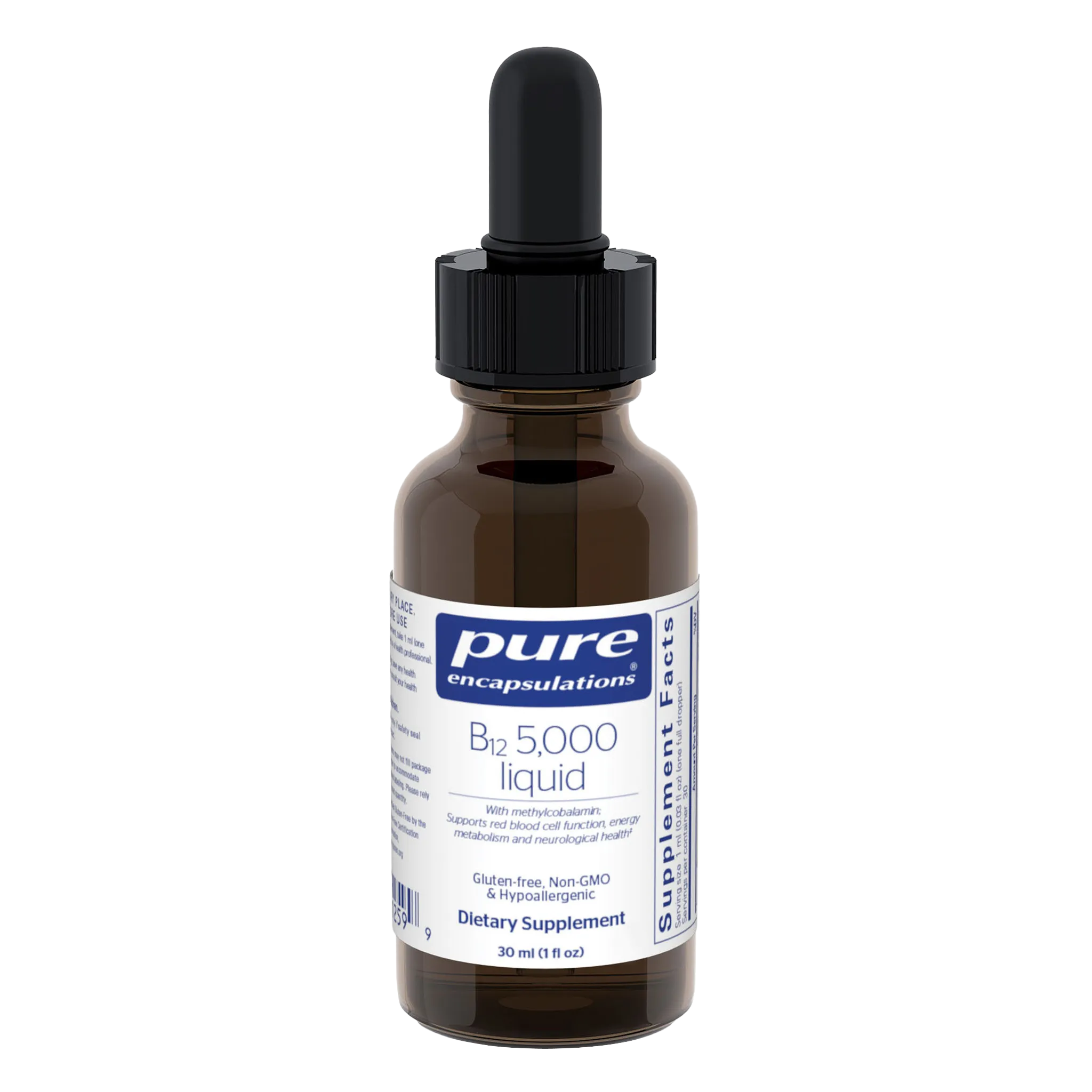
If you are ready to support your neurological health and cellular energy production with a highly bioavailable, active form of Vitamin B12, consider adding a high-quality liquid methylcobalamin to your daily routine.