Can B-Complex Liquid Support Energy and Brain Fog in Long COVID and ME/CFS?
March 5, 2026
B-ComplexLong COVIDME/CFS
Share:
Disclaimer: The information provided here is for educational purposes only and is not intended as medical advice. It should not be used to diagnose, treat, cure, or prevent any medical condition. Instead, use it as a starting point for discussion with your healthcare provider. Always consult with a qualified healthcare provider before starting any new medication, supplement, device, or making changes to your health regimen.
Months or even years after recovering from an initial SARS-CoV-2 infection, many people still fight debilitating, invisible symptoms that disrupt every aspect of their daily lives. The profound exhaustion, cognitive impairment, and autonomic dysfunction associated with complex chronic conditions can leave patients and their caregivers searching desperately for answers. When standard blood panels return "normal" results despite the presence of life-altering fatigue and brain fog, it becomes clear that the root of the problem lies much deeper within the body's microscopic infrastructure. For individuals living with Long COVID, myalgic encephalomyelitis/chronic fatigue syndrome (ME/CFS), dysautonomia, and mast cell activation syndrome (MCAS), the cellular engines responsible for generating energy and regulating the nervous system are fundamentally compromised.
In the pursuit of restoring cellular function, medical researchers and functional medicine practitioners have increasingly focused on the critical role of essential micronutrients. Among these, the B-vitamin family stands out as a non-negotiable requirement for human metabolism, serving as the biological "spark plugs" that power the mitochondria and insulate the delicate wiring of the nervous system. B-Complex Liquid provides a comprehensive, highly bioavailable blend of these essential coenzymes, specifically formulated to bypass compromised digestive systems and deliver immediate support to starving cells. By understanding the intricate biochemistry of how these vitamins operate, patients can better grasp why targeted nutritional support is a vital component of managing complex chronic illness.
TL;DR
B vitamins act as essential coenzymes that support cellular energy production and nervous system health.
Chronic conditions like Long COVID and ME/CFS can deplete B vitamins, worsening fatigue and brain fog.
Liquid B-complex supplements offer highly bioavailable nutrients that bypass compromised digestive systems.
Targeted B vitamin support may help manage symptoms like post-exertional malaise and autonomic dysfunction.
What is B-Complex Liquid?
The "Spark Plugs" of Cellular Metabolism
B vitamins are a group of water-soluble essential nutrients that serve as the fundamental driving forces behind nearly every cellular function in the human body. Unlike macronutrients such as carbohydrates, fats, and proteins, B vitamins do not directly provide caloric energy. Instead, they function as indispensable coenzymes—helper molecules that bind to specific enzymes to catalyze complex biochemical reactions. According to a landmark 2016 review published in Nutrients, optimal brain health and cellular metabolism require the synergistic presence of the entire B-vitamin complex, as these nutrients are inextricably linked in the body's metabolic pathways. Without adequate B vitamins, the cellular machinery responsible for converting food into usable energy grinds to a halt, leading to profound systemic dysfunction.
At the molecular level, B vitamins facilitate two primary types of metabolic processes: catabolic and anabolic metabolism. In catabolic metabolism, vitamins such as B1 (thiamin), B2 (riboflavin), B3 (niacin), and B5 (pantothenic acid) help dismantle dietary nutrients, funneling them into the citric acid cycle (also known as the Krebs cycle) and the mitochondrial electron transport chain. This intricate assembly line generates Adenosine Triphosphate (ATP), the universal energy currency required for every physiological process, from muscle contraction to cognitive processing. Simultaneously, in anabolic metabolism, B vitamins provide the metabolic intermediaries necessary to build DNA, RNA, amino acids, and crucial signaling molecules, ensuring that cells can repair themselves and communicate effectively.
The Neurotropic Triad: B1, B6, and B12
While all B vitamins are essential, a specific subset—comprising vitamins B1, B6, and B12—is uniquely critical for neurological health. These three nutrients are often referred to as the "neurotropic triad" due to their profound impact on the central and peripheral nervous systems. A 2019 review in CNS Neuroscience & Therapeutics highlights that these vitamins act synergistically to repair damaged peripheral nerves and maintain optimal neurological function. The brain, despite accounting for only 2% of total body weight, consumes roughly 20% of the body's energy. Because neurons have such exceptionally high metabolic demands, they are exquisitely sensitive to even minor deficiencies in these neurotropic vitamins.
Each member of this triad plays a distinct yet complementary role in nerve health. Vitamin B1 (thiamin) provides the massive amounts of ATP energy required for nerve repair and axonal transport. Vitamin B6 (pyridoxine) acts as the rate-limiting cofactor for synthesizing primary neurotransmitters, including serotonin, dopamine, GABA, and norepinephrine, which are essential for mood regulation and cognitive clarity. Finally, Vitamin B12 (cobalamin) facilitates the regeneration of the myelin sheath—the lipid-rich protective coating that insulates nerve fibers and accelerates the transmission of electrical impulses. Together, this triad ensures that the nervous system remains structurally sound and functionally efficient, protecting against the neurodegeneration often seen in chronic illness.
Methylation and Genomic Stability
Beyond energy production and nerve insulation, B vitamins are the primary drivers of one-carbon metabolism, more commonly known as methylation. Methylation is a biochemical process that occurs billions of times per second in every cell, acting as a biological switch that turns genes on and off, regulates neurotransmitter synthesis, and clears out toxic metabolic byproducts. Vitamin B12, specifically in its active methylcobalamin form, works closely with folate (Vitamin B9) to manage the methionine cycle. This cycle is responsible for producing S-adenosylmethionine (SAMe), the body's universal methyl donor, which is required for DNA repair and genomic stability.
When the methylation cycle is impaired—whether due to genetic polymorphisms like MTHFR mutations or a simple lack of bioavailable B12—the body struggles to process homocysteine. Elevated homocysteine is a highly neurotoxic amino acid that has been linked to brain atrophy, cognitive decline, and severe oxidative stress. By providing a readily absorbable source of methylcobalamin, a high-quality B-complex helps keep the methylation cycle spinning smoothly. This not only protects the brain from homocysteine-induced damage but also ensures that the body can continuously synthesize the structural components necessary for cellular repair and immune regulation.
How Chronic Illness Impacts B Vitamin Pathways
Viral Infection and NAD+ Depletion in Long COVID
The pathophysiology of Long COVID involves a complex interplay of viral persistence, immune dysregulation, and severe metabolic disruption. If you are wondering What Causes Long COVID?, one of the leading theories centers on the virus's ability to hijack the body's mitochondrial infrastructure. During an acute SARS-CoV-2 infection, the virus aggressively consumes the host's cellular resources to replicate, leading to a catastrophic depletion of Nicotinamide Adenine Dinucleotide (NAD+). NAD+ is the active coenzyme form of Vitamin B3 (niacin) and is absolutely mandatory for carrying electrons through the mitochondrial membrane to produce ATP. When NAD+ levels plummet, the cellular energy assembly line grinds to a halt, triggering the profound, unyielding fatigue that characterizes Long COVID.
This viral hijacking creates a vicious cycle of oxidative stress and cellular starvation. As mitochondrial function declines, the cells begin to produce excessive Reactive Oxygen Species (ROS), which damage the mitochondrial DNA and structural membranes. Recent 2024 research on mitochondrial dysfunction in Long COVID has identified significant structural abnormalities in the mitochondria of affected patients, including disrupted cristae and impaired mitochondrial recycling. Because the body's supply of B vitamins is rapidly burned through in an attempt to combat this oxidative stress and restore NAD+ levels, patients are often left functionally deficient, perpetuating the cycle of energy failure and severe cognitive impairment known as brain fog.
Mitochondrial Shutdown in ME/CFS
Myalgic encephalomyelitis/chronic fatigue syndrome (ME/CFS) is a devastating multi-system disorder characterized by post-exertional malaise (PEM)—a severe worsening of symptoms following even minor physical or cognitive exertion. For patients exploring whether their viral infection triggered this condition, understanding Can Long COVID Trigger ME/CFS? Unraveling the Connection requires looking at the cellular level. In ME/CFS, the mitochondria lose their "reserve capacity." While they may produce enough ATP to keep the body functioning at a baseline state of rest, they completely fail to upregulate energy production when the body is subjected to stress or exertion. This metabolic bottleneck is heavily tied to the depletion of Krebs cycle cofactors, specifically vitamins B1, B2, and B5.
Without adequate Vitamin B1 (thiamin) and Vitamin B2 (riboflavin), the enzymes responsible for converting glucose and fatty acids into usable fuel cannot operate efficiently. This forces the cells to rely on anaerobic glycolysis—a highly inefficient, emergency backup system that produces very little ATP and generates massive amounts of toxic lactic acid. The buildup of lactic acid in the tissues causes the severe muscle pain, heaviness, and burning sensations that ME/CFS patients experience during a crash. The chronic immune activation seen in ME/CFS further drains the body's B-vitamin reserves, making it biologically impossible for the mitochondria to restart the aerobic respiration process without targeted, high-dose nutritional intervention.
Vagus Nerve Neuropathy in Dysautonomia and POTS
Dysautonomia, and specifically Postural Orthostatic Tachycardia Syndrome (POTS), involves the malfunction of the autonomic nervous system, which controls involuntary functions like heart rate, blood pressure, and digestion. A key player in this system is the vagus nerve, the primary conduit of the parasympathetic ("rest and digest") nervous system. Chronic illness, chronic inflammation, and hidden nutritional deficiencies can cause significant damage to the myelin sheath surrounding the vagus nerve, resulting in autonomic neuropathy. A landmark case-control study published in Pediatrics found that an astonishing 62.8% of adolescents with POTS had a measurable Vitamin B12 deficiency, highlighting the critical link between B vitamins and autonomic tone.
When Vitamin B12 is deficient, the body struggles to break down catecholamines like adrenaline and noradrenaline. This leads to a hyperadrenergic state, where excess adrenaline floods the system, directly driving the inappropriate tachycardia, tremors, and anxiety-like physical symptoms seen in POTS upon standing. Furthermore, a deficiency in Vitamin B1 blunts cardiac vagal tone. The brainstem and limbic system interpret this lack of thiamin-derived energy as cellular hypoxia (lack of oxygen), triggering a massive sympathetic nervous system override. This autonomic chaos leaves patients trapped in a constant state of "fight or flight," unable to regulate their heart rate or properly digest their food, further exacerbating their nutritional deficiencies.
B-Complex Liquid: Supporting Energy and Nervous System Function
Restarting the Krebs Cycle and ATP Production
Supplementing with a comprehensive B-Complex Liquid provides the exact biochemical keys needed to unlock stalled energy pathways. The process of generating cellular energy begins with glycolysis, but the true powerhouse of the cell is the mitochondrial Krebs cycle. Vitamin B1 (thiamin), in its active form Thiamine Pyrophosphate (TPP), is the vital cofactor responsible for converting pyruvate into Acetyl-CoA. This specific enzymatic reaction is the crucial bridge that allows carbohydrates to enter the mitochondria and be burned for fuel. Without adequate B1, this bridge collapses, and energy production shifts to the painful, inefficient lactic acid pathway seen in ME/CFS crashes.
Once inside the Krebs cycle, Vitamin B5 (pantothenic acid) serves as the structural backbone for Coenzyme A (CoA), arguably the most important metabolic crossroad in the human body, as it directs the breakdown of fats, carbohydrates, and proteins. As the cycle spins, it relies heavily on Vitamin B2 (riboflavin) and Vitamin B3 (niacin). Riboflavin is converted into Flavin Adenine Dinucleotide (FAD), while niacin becomes NAD+. These two molecules act as biological cargo ships, picking up high-energy electrons generated by the Krebs cycle and physically transporting them to the electron transport chain. By providing these activated cofactors, B-Complex Liquid helps restore the flow of electrons, allowing the mitochondria to resume the process of oxidative phosphorylation and generate the massive amounts of ATP required to overcome Long COVID fatigue.
Rebuilding the Myelin Sheath and Autonomic Tone
For patients suffering from dysautonomia, POTS, and small fiber neuropathy, repairing the structural integrity of the nervous system is paramount. Vitamin B12, specifically the highly bioavailable methylcobalamin found in this liquid formulation, is the primary biological building block for the myelin sheath. By driving the one-carbon methylation cycle, methylcobalamin provides the necessary lipid structures to re-insulate damaged autonomic nerves, including the vagus nerve. This re-insulation improves the speed and reliability of electrical signaling between the brain and the heart, helping to stabilize erratic heart rates and improve orthostatic tolerance.
Simultaneously, Vitamin B6 (pyridoxine) plays a critical role in calming the hyperactive nervous system. As the rate-limiting cofactor for the enzyme glutamate decarboxylase, B6 is required to convert glutamate (an excitatory, neurotoxic neurotransmitter) into GABA (the brain's primary calming, inhibitory neurotransmitter). By supporting this conversion, B-Complex Liquid helps quiet the sympathetic nervous system overdrive that plagues dysautonomia patients. Furthermore, the inclusion of robust Vitamin B1 levels helps restore cardiac vagal tone, allowing the parasympathetic nervous system to effectively apply the "brakes" to a racing heart, reducing the severity of POTS flares.
Unclogging Histamine Metabolism in MCAS
Mast Cell Activation Syndrome (MCAS) and histamine intolerance frequently co-occur with Long COVID and ME/CFS, creating a web of severe food sensitivities and allergic reactions. If you are Learning to Eat Nutritionally with Changes to Your Sense of Smell and Taste, managing dietary histamine is crucial. The body relies on the Diamine Oxidase (DAO) enzyme to break down extracellular histamine in the gut. Vitamin B6 is the absolute, non-negotiable coenzyme required for DAO synthesis and activation. Without adequate B6, the DAO enzyme becomes sluggish or entirely inactive, causing dietary histamine to accumulate rapidly in the bloodstream and trigger systemic MCAS flares, including migraines, hives, and gastrointestinal distress.
In addition to the DAO pathway, the body uses a secondary intracellular clearance system called the Histamine N-methyltransferase (HNMT) pathway. This pathway relies entirely on the methylation cycle to degrade histamine safely. By supplying activated Vitamin B2 and methylcobalamin (B12), B-Complex Liquid ensures that the body has the necessary methyl donors to keep the HNMT pathway functioning optimally. By simultaneously supporting both the DAO and HNMT enzymatic drains, a balanced B-complex helps empty the body's overflowing "histamine bucket," stabilizing hyper-reactive mast cells and significantly reducing the severity of allergic and inflammatory symptoms.

Symptoms B-Complex Liquid May Help Manage
Targeting the Multisystem Impact
Profound Fatigue and Post-Exertional Malaise (PEM): By providing the essential cofactors (B1, B2, B3, B5) required to restart the mitochondrial Krebs cycle and electron transport chain, B vitamins help restore cellular ATP production, reducing baseline exhaustion and improving the cellular "reserve capacity" needed to prevent PEM crashes.
Brain Fog and Cognitive Impairment: The neurotropic triad (B1, B6, B12) supports the synthesis of crucial neurotransmitters (dopamine, serotonin, acetylcholine) and drives the methylation cycle to clear neurotoxic homocysteine, significantly improving mental clarity, focus, and memory retrieval.
Tachycardia and POTS Symptoms: Methylcobalamin (B12) helps rebuild the myelin sheath around the vagus nerve, while Thiamin (B1) restores cardiac vagal tone, allowing the autonomic nervous system to better regulate heart rate and blood pressure upon standing.
Neuropathy, Tingling, and Nerve Pain: High-dose, bioavailable B12 and B6 work synergistically to repair damaged small nerve fibers in the extremities, reducing the burning, numbness, and "pins and needles" sensations associated with autonomic and peripheral neuropathy.
Histamine Intolerance and MCAS Flares: Vitamin B6 acts as the primary spark plug for the DAO enzyme, while B12 and B2 support the HNMT methylation pathway, effectively unclogging the body's histamine degradation systems and reducing systemic allergic reactions, flushing, and migraines.
Muscle Weakness and Heavy Limbs: By ensuring that glucose and fatty acids are properly funneled into aerobic respiration rather than anaerobic glycolysis, B vitamins prevent the toxic buildup of lactic acid in the muscles, alleviating the sensation of heavy, burning limbs during minimal exertion.
Practical Considerations: Forms, Dosing, and Absorption
The Advantage of Liquid Delivery
For individuals battling complex chronic illnesses, the gastrointestinal tract is often severely compromised. Conditions like dysautonomia can cause gastroparesis (delayed stomach emptying), while MCAS can trigger chronic intestinal inflammation and mucosal damage. These gastrointestinal issues severely blunt the body's ability to break down and absorb traditional pill or capsule supplements. B-Complex Liquid circumvents these digestive roadblocks by offering a highly bioavailable format that can be partially absorbed sublingually (under the tongue) and rapidly assimilated through the mucosal lining of the mouth and upper digestive tract. This ensures that the delicate, water-soluble B vitamins enter systemic circulation quickly, providing immediate metabolic support to starving cells without placing additional stress on an already inflamed gut.
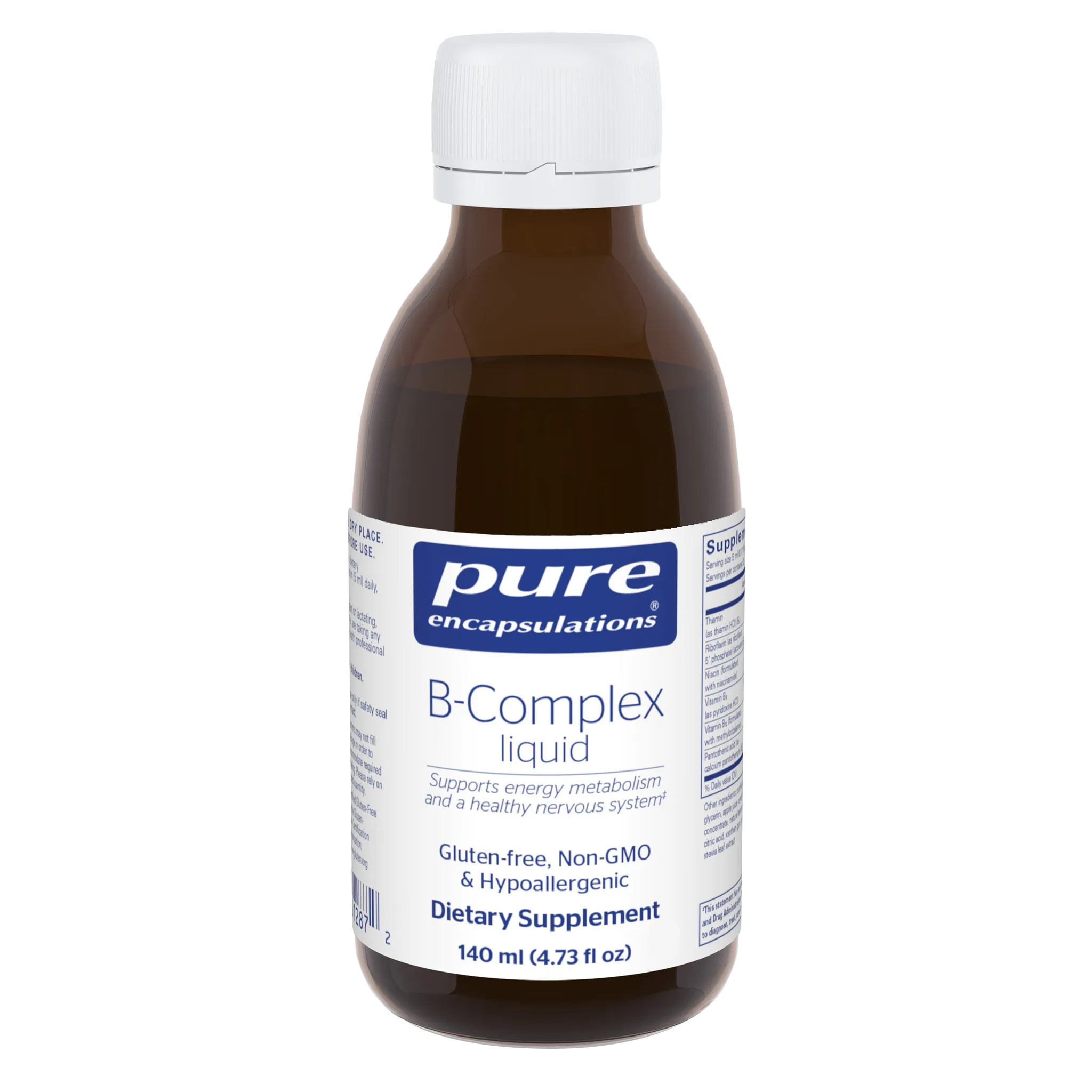
Liquid formulations also offer unparalleled dosing flexibility, which is critical for sensitive patient populations. Many individuals with ME/CFS or MCAS are highly reactive to new supplements and must titrate their dosages meticulously. A liquid format allows patients to start with micro-doses—perhaps just a few drops a day—and slowly build up to the suggested 1 teaspoon (5 ml) daily dose as their body tolerates it. Furthermore, this pure encapsulations formula is free from unnecessary binders, fillers, and common allergens that frequently trigger mast cell degranulation in highly sensitive individuals, making it a safe and foundational choice for chronic illness management.
Methylcobalamin vs. Cyanocobalamin
When selecting a B-complex, the specific chemical forms of the vitamins dictate their clinical efficacy. The most critical distinction lies in the form of Vitamin B12. Many standard, over-the-counter supplements use cyanocobalamin, a synthetic form of B12 attached to a cyanide molecule. Because it is synthetic, the body cannot use it directly; the liver must first expend energy to cleave off the cyanide molecule and convert it into an active form. For patients with chronic illness, liver function and enzymatic conversion are often sluggish, rendering cyanocobalamin highly inefficient. Furthermore, individuals with MTHFR genetic mutations physically cannot process this synthetic form properly, leading to functional cellular deficiencies despite normal blood test results.
In contrast, this B-Complex Liquid features methylcobalamin, the naturally occurring, bioactive form of Vitamin B12. Because methylcobalamin is already pre-methylated and in its active coenzyme state, it completely bypasses the liver's conversion bottleneck. It is immediately ready to cross the blood-brain barrier, drive the one-carbon methylation cycle, and begin repairing the myelin sheath. Clinical research demonstrates that methylcobalamin is retained in the body's tissues at a significantly higher rate than cyanocobalamin, resulting in far less urinary waste and vastly superior clinical outcomes for patients suffering from neurological symptoms, chronic fatigue, and autonomic neuropathy.
The Dangers of B6 Toxicity
While B vitamins are generally safe and water-soluble, Vitamin B6 (pyridoxine) presents a unique clinical challenge. Unlike other B vitamins, excess B6 can accumulate in the body's tissues and is highly neurotoxic at massive doses. Many energy drinks, workout powders, and cheap multivitamins contain dangerously high levels of B6. Severe toxicity is known to damage sensory and autonomic nerve fibers, paradoxically causing the exact small fiber neuropathy and POTS symptoms that patients are trying to manage. The half-life of B6 in nerve tissues is incredibly long, meaning it can take months or even years for the autonomic nervous system to heal once toxicity occurs.
This is why taking a carefully balanced, professionally formulated B-complex is vastly superior to blindly mega-dosing single B vitamins. The pure encapsulations B-Complex Liquid provides a safe, physiological dose of Vitamin B6 (4 mg per serving), which is more than enough to support the DAO enzyme and neurotransmitter synthesis without risking neurotoxic accumulation. By providing the entire family of B vitamins in balanced ratios—including activated B2 (riboflavin 5' phosphate) to help properly utilize the B6—this formula ensures that the metabolic pathways remain synchronized, preventing the dangerous biochemical imbalances that can occur when one vitamin is supplemented in extreme excess.

Follow the Science
High-Dose Thiamine for Long COVID Fatigue
The clinical evidence supporting the use of targeted B vitamins for post-viral syndromes has grown exponentially. If you are researching What Drugs Are Used for COVID Long Haulers?, it is important to note that nutritional interventions are showing remarkable efficacy in clinical trials. A recent open-label, randomized controlled trial evaluated the use of high-dose Vitamin B1 (thiamin) in 66 patients suffering from post-acute COVID-19 syndrome. The experimental group received 600 mg of Vitamin B1 daily for 8 weeks alongside standard supportive therapy. The results, highlighted in a 2024 MDPI scoping review, were striking.
The trial data revealed that the Vitamin B1 group demonstrated a significantly shorter duration for symptom improvement, with initial clinical effects observed within just two weeks. By week five, debilitating symptoms such as severe fatigue, myalgia, brain fog, and sleep disturbances had profoundly improved compared to the control group. Most impressively, from the seventh week onward, the recovery rate in the thiamin group was double that of the control group. This robust clinical response underscores thiamin's critical role in overriding the mitochondrial shutdown and restoring the aerobic energy pathways that are severely compromised following a SARS-CoV-2 infection.
Reversing Neurocognitive Deficits with B12
The neurological impact of Long COVID is heavily tied to functional Vitamin B12 deficiencies. A compelling 2024 observational study by Goderidze et al. investigated 312 patients with laboratory-confirmed COVID-19 who subsequently developed persistent neurological symptoms, including severe brain fog, impaired concentration, mood changes, and muscle weakness. The researchers discovered that a staggering 85% of these Long COVID patients had severe Vitamin B12 deficiencies, indicating that the virus rapidly depletes the body's cobalamin reserves to fuel its replication and the subsequent inflammatory response.
To address this, the patients were prescribed a targeted Vitamin B12 therapy protocol for two months. Following the completion of the protocol, all treated patients reported a significant reduction or complete disappearance of their neurocognitive symptoms and fatigue. This study provides powerful clinical validation that the "brain fog" experienced by Long COVID patients is not an irreversible brain injury, but rather a functional, metabolic starvation of the neurons that can be successfully reversed by restoring the myelin sheath and methylation pathways with highly bioavailable Vitamin B12.
The PreVitaCOV Trial
Recognizing the undeniable neurotropic properties of B vitamins, large-scale, multi-center clinical trials are now underway to standardize their use in primary care. If you are navigating the medical system and wondering How Does a Doctor Diagnose Long COVID?, the integration of these trials into mainstream medicine is a promising step forward. The PreVitaCOV trial, currently being conducted in Germany, is a Phase IIIb randomized, double-blind, placebo-controlled study evaluating a specific fixed-dose combination of Vitamin B1, B6, and B12 for Long COVID recovery.
The trial administers this specific neurotropic triad daily for 28 days, testing its efficacy against a placebo and alongside low-dose anti-inflammatory medications. The study recently cleared its pilot feasibility phase with an incredibly high 98% patient retention rate, indicating that the intervention is exceptionally well-tolerated by the sensitive Long COVID population. As the trial moves into its confirmatory phase, actively tracking improvements using the PROMIS fatigue and cognitive score systems, it stands to cement the B-vitamin complex as a globally recognized, evidence-based pillar of post-viral recovery and neurological rehabilitation.
The Path Forward
A Foundational Piece of the Puzzle
Living with invisible, unpredictable symptoms can be an incredibly isolating and frustrating experience. The profound fatigue, cognitive dysfunction, and autonomic chaos of Long COVID, ME/CFS, dysautonomia, and MCAS are not "all in your head"—they are the direct result of measurable, physiological disruptions at the deepest cellular levels. Validating this reality is the first step toward reclaiming your health. While there is no single miracle cure for complex chronic illness, understanding how to support your body's microscopic infrastructure provides a clear, actionable pathway forward. If you are figuring out How Can You Live with Long-Term COVID, restoring your mitochondrial function and nervous system integrity is paramount.
B-Complex Liquid represents a foundational piece of a comprehensive management strategy. By providing the essential, highly bioavailable coenzymes required to restart ATP production, rebuild the myelin sheath, and unclog histamine metabolism, this targeted supplement directly addresses the root metabolic dysfunctions driving your symptoms. However, supplements work best when integrated into a holistic care plan that includes aggressive pacing to avoid PEM crashes, meticulous symptom tracking, and ongoing guidance from a medical professional who understands the nuances of complex chronic illness. Always consult your healthcare provider before introducing new supplements, especially to ensure they align with your specific genetic profile and current medications.
Next Steps
Ready to support your cellular energy and nervous system health with highly bioavailable, activated nutrients?