Can Athletic Nutrients Support Energy Recovery in Long COVID and ME/CFS?
March 5, 2026
Athletic NutrientsLong COVIDME/CFS
Share:
Disclaimer: The information provided here is for educational purposes only and is not intended as medical advice. It should not be used to diagnose, treat, cure, or prevent any medical condition. Instead, use it as a starting point for discussion with your healthcare provider. Always consult with a qualified healthcare provider before starting any new medication, supplement, device, or making changes to your health regimen.
Months or even years after a mild viral infection, many individuals find themselves trapped in a body that no longer feels like their own. The profound, unyielding exhaustion of Long COVID and myalgic encephalomyelitis/chronic fatigue syndrome (ME/CFS) is not simply "tiredness"—it is a fundamental breakdown in how the body generates and utilizes energy at the cellular level. Patients often describe a sensation of their internal batteries being completely drained, where even minor physical or cognitive exertion triggers a debilitating crash known as post-exertional malaise (PEM). For those navigating these complex chronic conditions, alongside overlapping syndromes like dysautonomia and mast cell activation syndrome (MCAS), finding targeted nutritional support can feel like searching for a needle in a haystack.
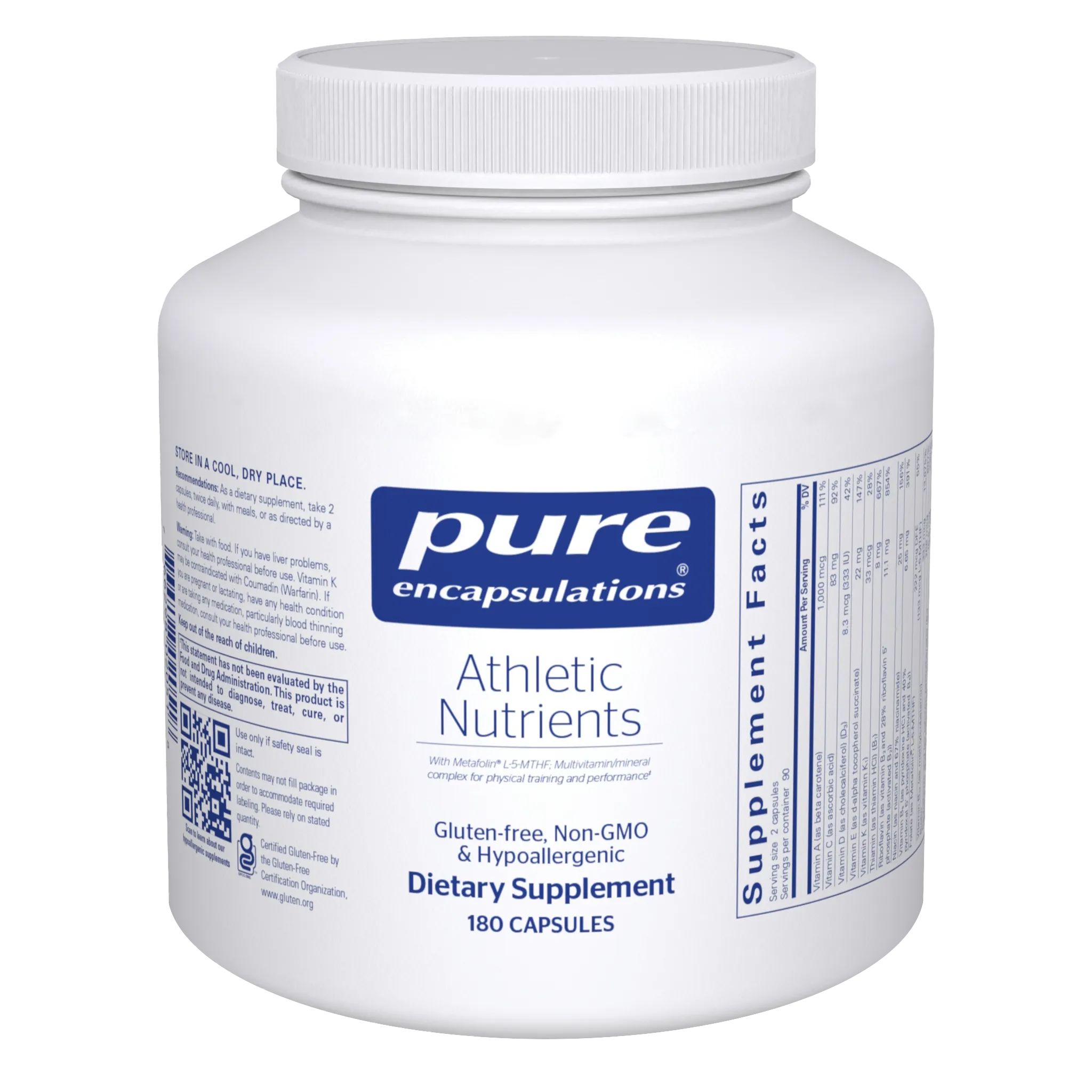
While standard multivitamins offer basic nutritional baselines, they often lack the specific biochemical cofactors required to address the severe mitochondrial dysfunction and oxidative stress seen in post-viral illnesses. This is where specialized formulations come into play. Athletic Nutrients by Pure Encapsulations was originally designed to support physical performance and muscle recovery in athletes. However, the very same biological pathways that athletes stress during intense physical exertion—the depletion of cellular ATP, the accumulation of oxidative damage, and the buildup of lactic acid—are the exact pathways that are chronically dysfunctional in patients with Long COVID and ME/CFS. By delivering a precise blend of activated vitamins, trace minerals, and targeted mitochondrial compounds like creatine monohydrate, coenzyme Q10 (CoQ10), alpha-ketoglutarate (AKG), and N-acetyl-l-cysteine (NAC), this comprehensive formula offers a multifaceted approach to supporting cellular bioenergetics and combating the systemic fatigue of complex chronic illness.
TL;DR
Athletic Nutrients provides targeted mitochondrial support for energy deficits in Long COVID and ME/CFS.
Key ingredients like CoQ10, creatine, and NAC support cellular bioenergetics and reduce oxidative stress.
The formula may help manage profound fatigue, brain fog, and post-exertional malaise (PEM).
Supplements should be part of a holistic strategy including pacing and medical oversight.
What is Athletic Nutrients?
A Comprehensive Approach to Cellular Bioenergetics
To understand how a supplement designed for athletic performance can be highly relevant for chronic illness, we must first examine its foundational architecture. Athletic Nutrients is not a single-ingredient intervention; rather, it is a highly synergistic, multi-nutrient matrix designed to support the entire spectrum of cellular energy production and tissue recovery. In a healthy body, energy is produced inside the mitochondria—the microscopic powerhouses of the cell—through a complex series of enzymatic reactions. This process requires a continuous supply of specific vitamins, minerals, and amino acid derivatives to function optimally. When the body is subjected to intense stress, whether from running a marathon or fighting off a persistent viral pathogen, the demand for these biochemical building blocks skyrockets.
The formula is built upon a robust foundation of highly bioavailable, activated vitamins and chelated minerals. For instance, it includes the activated forms of B vitamins, such as riboflavin 5' phosphate (B2), pyridoxal 5' phosphate (B6), and Metafolin® (L-5-MTHF). These activated forms bypass the need for enzymatic conversion in the liver, ensuring immediate availability for cellular metabolism. B vitamins are non-negotiable cofactors in the Krebs cycle (also known as the tricarboxylic acid or TCA cycle), the primary metabolic engine that generates electron carriers for ATP production. Without adequate B vitamins, the entire energy-producing apparatus grinds to a halt, leading to systemic fatigue and metabolic stalling.
The EnergizeATP Factors: Creatine, CoQ10, and AKG
Beyond standard vitamins, the formula includes a specialized "EnergizeATP" complex designed to directly intervene in mitochondrial energy synthesis. The first key component is creatine monohydrate. While widely known in sports nutrition, creatine plays a vital role in the phosphocreatine energy system. Inside the cell, ATP (adenosine triphosphate) is the universal energy currency. When a cell uses ATP, it breaks off a phosphate molecule, converting it into ADP (adenosine diphosphate), which is essentially a "dead battery." Creatine acts as an intracellular energy buffer by donating a phosphate group back to ADP, rapidly recycling it into usable ATP. This mechanism is crucial for tissues with high energy demands, specifically the skeletal muscles and the brain.
Working alongside creatine is coenzyme Q10 (CoQ10), a lipid-soluble antioxidant and an absolute requirement for the electron transport chain (ETC). The ETC is the final stage of mitochondrial energy production, consisting of four protein complexes embedded in the inner mitochondrial membrane. CoQ10 acts as a mobile electron shuttle, physically carrying electrons from Complex I and Complex II over to Complex III. If CoQ10 levels are depleted, the flow of electrons is interrupted, ATP production plummets, and electrons leak out of the chain, forming dangerous free radicals. By supplying exogenous CoQ10, the formula supports the structural integrity and functional capacity of this critical energy pathway.
The third pillar of the EnergizeATP complex is alpha-ketoglutarate (AKG). AKG is a crucial intermediate molecule within the Krebs cycle itself. It is formed when the enzyme isocitrate dehydrogenase acts upon isocitrate, and it is subsequently converted into succinyl-CoA. Beyond its role as a metabolic stepping stone, AKG acts as a powerful nitrogen scavenger and a signaling molecule that regulates cellular energy homeostasis via the AMPK and mTOR pathways. By providing AKG directly, the formula helps to "prime" the Krebs cycle, ensuring that the metabolic machinery has the necessary substrates to continue churning out energy even under conditions of physiological stress.
The MuscleRestore Complex: NAC, ALA, and L-Carnosine
Energy production is only half of the equation; the other half is managing the metabolic waste and oxidative damage generated by that production. The "MuscleRestore Complex" features N-acetyl-l-cysteine (NAC), a highly stable derivative of the amino acid cysteine. NAC's primary biological role is acting as a rate-limiting precursor to glutathione, the most abundant and potent intracellular antioxidant in the human body. Glutathione is responsible for neutralizing reactive oxygen species (ROS), detoxifying harmful metabolites, and protecting the delicate mitochondrial DNA from oxidative destruction. Because direct oral glutathione is poorly absorbed, providing NAC allows the cells to synthesize glutathione internally, exactly where it is needed most.
Complementing NAC is alpha lipoic acid (ALA), a unique compound often referred to as the "universal antioxidant" because it is both water- and fat-soluble. This dual solubility allows ALA to penetrate every part of the cell, including the lipid-rich mitochondrial membranes and the watery cytoplasm. ALA not only neutralizes free radicals directly but also has the remarkable ability to regenerate other depleted antioxidants, including vitamin C, vitamin E, and cellular glutathione. Furthermore, ALA serves as an essential cofactor for several mitochondrial enzyme complexes, directly linking antioxidant defense with energy metabolism.
Finally, the complex includes L-carnosine, a dipeptide composed of the amino acids beta-alanine and histidine. L-carnosine is highly concentrated in skeletal muscle tissue and the brain. Its primary function is to act as an intracellular buffer against lactic acid accumulation. During periods of metabolic stress or oxygen deprivation, cells often shift from efficient aerobic respiration to inefficient anaerobic glycolysis, producing lactic acid as a byproduct. This acidifies the cellular environment, leading to muscle burning, rapid fatigue, and impaired contractility. L-carnosine helps to soak up these excess hydrogen ions, stabilizing the cellular pH and delaying the onset of muscular exhaustion.
How Post-Viral Illness Impacts Energy Production
Mitochondrial Dysfunction and the Cellular Energy Crisis
To grasp why the specific ingredients in Athletic Nutrients are so relevant for patients with Long COVID and ME/CFS, we must examine the profound pathophysiological changes that occur during post-viral syndromes. At the core of these conditions is a state of severe, unremitting mitochondrial dysfunction. Recent research reviews have identified that the SARS-CoV-2 virus, and specifically its spike protein, can directly interact with mitochondrial membranes. This interaction disrupts the delicate balance of mitochondrial fusion and fission, impairs mitophagy (the clearing out of damaged mitochondria), and triggers a massive release of mitochondrial reactive oxygen species (mtROS).
When mitochondria are damaged, they cannot efficiently process oxygen and nutrients into ATP. This creates a systemic cellular energy crisis. Patients experience this microscopically as a failure of cellular bioenergetics, but macroscopically, it manifests as the crushing, leaden fatigue characteristic of ME/CFS and Long COVID. The body is essentially operating on a depleted battery that refuses to hold a charge. This energy deficit is particularly devastating for high-demand organs like the brain, leading to severe cognitive impairment or "brain fog," and the skeletal muscles, resulting in profound physical weakness and exercise intolerance.
Oxidative Stress and the Glutathione Deficit
A direct consequence of this mitochondrial damage is the explosion of oxidative stress. In a healthy system, the small amount of free radicals generated during ATP production is easily neutralized by the body's innate antioxidant defenses, primarily the glutathione system. However, in post-viral states, the production of reactive oxygen species overwhelms the system. A landmark 2024 study published in PNAS demonstrated that immune cells from both Long COVID and ME/CFS patients exhibit highly elevated oxidative stress and abnormal ROS levels. This chronic oxidative stress damages cellular proteins, peroxidizes lipid membranes, and mutates mitochondrial DNA, creating a vicious cycle of accelerating cellular damage.
As the body desperately tries to fight off this oxidative fire, it rapidly depletes its stores of glutathione. Neuroimaging studies utilizing magnetic resonance spectroscopy (MRS) have documented significant decreases in cortical glutathione in the brains of ME/CFS patients. When glutathione levels crash, neuroinflammation runs rampant. The brain's immune cells, the microglia, become chronically activated, releasing inflammatory cytokines that further disrupt neurotransmitter balance and cognitive function. This systemic redox imbalance is a primary driver of the neurological and muscular symptoms that patients endure daily.
The TCA Cycle Blockage and Metabolic Reprogramming
Perhaps the most fascinating and devastating impact of post-viral illness is the phenomenon of metabolic reprogramming. When the mitochondria are too damaged to perform oxidative phosphorylation safely, the body attempts to protect itself by shifting its metabolism toward glycolysis—a much less efficient way of making energy that occurs outside the mitochondria. This shift is often discussed in the context of advanced metabolomic testing of Long COVID and ME/CFS patients, which researchers are using to map exactly where the TCA cycle stalls.
Some hypotheses suggest Long COVID patients suffering from severe fatigue may have elevated levels of plasma alpha-ketoglutarate (AKG). In a healthy body, AKG is rapidly consumed by the Krebs cycle to make energy. If enzymatic pathways shut down due to oxidative stress, AKG could theoretically pool in the blood unused, meaning cells starve for energy despite having raw fuel available. This proposed metabolic gridlock is thought to contribute to rapid lactic acid buildup, muscle burning, and severe post-exertional malaise (PEM) experienced after minor exertion.
Athletic Nutrients: Supporting Mitochondrial and Muscle Recovery
Restoring the Phosphocreatine Energy Buffer
Athletic Nutrients offers a multi-targeted approach to bypassing these metabolic blockages and supporting cellular recovery. The inclusion of creatine monohydrate is particularly strategic for addressing the rapid energy depletion seen in post-viral fatigue. Because chronic illness places a massive, continuous energy demand on the body, natural creatine reserves in the central nervous system and skeletal muscles become severely depleted. By supplementing with exogenous creatine, patients can artificially expand their intracellular phosphocreatine pool.
This expanded buffer allows cells to rapidly recycle ADP back into ATP without having to rely entirely on the damaged mitochondrial Krebs cycle. For a patient with ME/CFS, this means that during a cognitive task or a short walk, the brain and muscles have a secondary, immediate energy reserve to draw upon. This mechanism helps to delay the onset of the metabolic crisis that triggers a PEM crash. Furthermore, creatine possesses inherent neuroprotective properties, helping to stabilize cellular membranes and reduce the localized brain inflammation often associated with Long COVID brain fog.
Unblocking the Krebs Cycle with Alpha-Ketoglutarate
To address the metabolic bottleneck identified in metabolomic studies, the formula provides alpha-ketoglutarate (AKG). While it may seem counterintuitive to supplement a molecule that is already pooling in the blood of some patients, exogenous AKG serves a different therapeutic purpose. It acts as an anaplerotic reaction—meaning it helps to replenish the depleted intermediates of the TCA cycle. By flooding the system with bioavailable AKG, it can help force the enzymatic reactions forward, essentially "jump-starting" the stalled Krebs cycle.
Moreover, AKG is a potent nitrogen scavenger. In states of high oxidative stress, reactive nitrogen species (RNS) can cause severe damage to cellular proteins. AKG binds to these toxic nitrogen compounds, neutralizing them and protecting the mitochondrial machinery from further degradation. Additionally, AKG directly activates the mTOR signaling pathway in skeletal muscle, which promotes protein synthesis and may help reduce the muscle wasting and severe deconditioning that often accompanies prolonged bed rest and chronic fatigue.
Neutralizing Free Radicals with NAC and Alpha Lipoic Acid
To extinguish the oxidative fire raging within the cells, the formula relies heavily on the synergistic action of N-acetyl-l-cysteine (NAC) and alpha lipoic acid (ALA). By providing a steady supply of NAC, the body is given the exact rate-limiting building block it needs to synthesize fresh glutathione. This newly minted glutathione goes to work immediately, sweeping through the cytoplasm and neutralizing the reactive oxygen species that are damaging the mitochondria. As glutathione levels are restored, the chronic activation of microglial cells in the brain begins to quiet down, often resulting in a noticeable clearing of cognitive brain fog.
Simultaneously, ALA works to repair the oxidative damage that has already occurred. Because ALA can cross the blood-brain barrier and penetrate the mitochondrial membrane, it acts as a frontline defender for the delicate electron transport chain. ALA also recycles oxidized ("used up") glutathione back into its active form, effectively doubling the antioxidant power of the NAC provided in the formula. Together, these two compounds create a robust shield that protects the cellular energy infrastructure from the continuous assault of post-viral inflammation.
Polyphenols and Systemic Antioxidant Defense
The antioxidant profile of Athletic Nutrients is further enhanced by the inclusion of PowerGrape® extract and a specialized green tea extract. These botanical ingredients are rich in polyphenols, specifically oligomeric proanthocyanidins (OPCs) and epigallocatechin gallate (EGCG). Polyphenols are powerful modulators of systemic inflammation. They work by inhibiting the activation of NF-κB, a master genetic switch that triggers the production of inflammatory cytokines throughout the body.
In the context of dysautonomia and POTS, which are frequently comorbid with Long COVID, these polyphenols offer significant cardiovascular benefits. They support endothelial function by promoting the release of nitric oxide, which helps to relax blood vessels and improve microcirculation. Improved blood flow means better oxygen delivery to the starving tissues, further alleviating the hypoxic conditions that drive lactic acid production and muscle pain. By combining targeted mitochondrial compounds with broad-spectrum botanical antioxidants, the formula addresses the energy crisis from multiple physiological angles.
Symptoms Athletic Nutrients May Help Manage
Targeted Symptom Relief for Complex Conditions
While Athletic Nutrients is not a cure for Long COVID, ME/CFS, or dysautonomia, its comprehensive blend of mitochondrial cofactors, antioxidants, and activated vitamins targets the specific biochemical deficits that drive many of the most debilitating symptoms. By supporting cellular energy production and reducing systemic oxidative stress, patients may experience improvements in several key areas of their daily functioning.
Profound Physical Fatigue: By supplying creatine monohydrate and CoQ10, the formula supports the rapid recycling of ATP and the efficient flow of electrons in the mitochondria, helping to raise the baseline of available cellular energy and combat the sensation of leaden, unyielding exhaustion.
Post-Exertional Malaise (PEM): The inclusion of L-carnosine and alpha-ketoglutarate helps to buffer the rapid accumulation of lactic acid and stabilize the Krebs cycle during exertion, potentially raising the threshold at which a metabolic crash is triggered.
Cognitive Impairment (Brain Fog): NAC and alpha lipoic acid work synergistically to cross the blood-brain barrier, restore depleted glutathione levels, and neutralize the neuroinflammation and oxidative stress that disrupt clear thinking and memory retrieval.
Muscle Aches and Weakness: By activating mTOR pathways via AKG and reducing oxidative tissue damage with PowerGrape® polyphenols, the formula supports the preservation of skeletal muscle integrity and reduces the deep, aching muscle pain associated with post-viral syndromes.
Exercise Intolerance: The combination of activated B vitamins and trace minerals ensures that the fundamental enzymatic pathways required for oxygen utilization and energy metabolism are fully supported, helping the body respond more appropriately to mild physical demands.
Endothelial and Vascular Dysfunction: Green tea extract and grape polyphenols promote healthy nitric oxide production, supporting better microcirculation and oxygen delivery to peripheral tissues, which is often impaired in patients with dysautonomia and POTS.
Practical Considerations: Forms, Dosing, and Absorption
Synergistic Low-Dose Formulation vs. Monotherapy
When evaluating Athletic Nutrients, it is crucial to understand the philosophy behind its formulation. The dosages of individual ingredients like creatine (250 mg) or NAC (50 mg) are lower than what is typically used in isolated, high-dose clinical trials. This is intentional. The formula is designed as a foundational, synergistic matrix rather than a targeted monotherapy. In complex chronic illnesses, bombarding a fragile system with massive doses of a single compound can sometimes trigger adverse reactions or metabolic imbalances. By providing smaller, balanced amounts of multiple interconnected cofactors, the formula gently supports the entire biochemical pathway without overwhelming the body's delicate homeostatic mechanisms.
For patients with severe deficiencies or those looking to replicate specific clinical trial outcomes, Athletic Nutrients serves as an excellent foundational baseline. It provides all the necessary background cofactors (like activated B vitamins and trace minerals) that allow higher-dose, standalone supplements (such as a separate 5-gram creatine powder or a 600mg NAC capsule) to function optimally. Without these foundational vitamins, high-dose interventions often fail because the downstream enzymatic pathways lack the necessary support to process the influx of raw materials.
Bioavailability and Absorption Cofactors
Bioavailability is a critical consideration for patients with post-viral conditions, as gut dysbiosis and impaired absorption are incredibly common. Pure Encapsulations utilizes highly bioavailable forms of nutrients to bypass these digestive hurdles. The minerals are provided in chelated forms, such as zinc citrate and copper glycinate, which are bound to organic acids or amino acids to facilitate active transport across the intestinal wall. The B vitamins are pre-methylated and activated (e.g., Metafolin® L-5-MTHF), ensuring that patients with MTHFR genetic mutations can utilize the folate immediately without requiring complex hepatic conversion.
To maximize absorption, it is highly recommended to take Athletic Nutrients with a meal. Several key ingredients, particularly CoQ10, vitamin D3, vitamin E, and the mixed carotenoids, are fat-soluble. Consuming the supplement alongside a meal that contains healthy fats (such as avocado, olive oil, or nuts) will significantly enhance the intestinal uptake of these vital lipid-based antioxidants. Taking the capsules with food also helps to mitigate any potential gastrointestinal upset, which can occasionally occur when taking comprehensive multivitamin complexes on an empty stomach.
Safety, Contraindications, and Timing
While generally very safe and well-tolerated, there are important contraindications to consider. The formula contains Vitamin K1 (33 mcg), which plays a crucial role in the blood coagulation cascade. Therefore, it is strictly contraindicated for individuals taking blood-thinning medications like Coumadin (Warfarin), as it can interfere with the drug's efficacy. Additionally, patients with pre-existing liver conditions should consult their healthcare provider before use, as the liver is the primary site of metabolism for many of these compounds.
Regarding timing, the suggested use is two capsules twice daily with meals. Because the formula contains cellular energy-promoting ingredients like B vitamins, CoQ10, and green tea extract (even though it is decaffeinated), it is generally best to take the doses earlier in the day—such as with breakfast and lunch. Taking energy-supporting supplements late in the evening may interfere with sleep architecture, which is already highly fragile in patients with Long COVID and ME/CFS. Consistency is key; because it takes time to rebuild intracellular antioxidant stores and repair mitochondrial membranes, patients should allow 8 to 12 weeks of continuous use to accurately assess the clinical benefits.
Follow the Science: Clinical Evidence for Key Ingredients
Creatine Monohydrate in Post-Viral Fatigue Trials
The scientific community is increasingly validating the use of mitochondrial and metabolic compounds for post-viral syndromes. Creatine monohydrate, a key component of Athletic Nutrients, has recently been the subject of groundbreaking clinical trials. A 2023 randomized, double-blind, placebo-controlled trial published in Food Science & Nutrition evaluated the use of creatine for post-COVID-19 fatigue syndrome. Patients receiving creatine experienced a massive 77.8% drop in concentration difficulties at 3 months, and reported zero concentration difficulties by the 6-month mark. Furthermore, MRI scans showed up to a 33% increase in tissue creatine levels in specific brain regions, directly correlating with the alleviation of brain fog and systemic fatigue.
Similarly, a 2024 Magnetic Resonance Spectroscopy (MRS) feasibility study investigated high-dose creatine supplementation in patients with ME/CFS. The researchers found that creatine concentrations significantly increased in key brain areas implicated in the disease, such as the pregenual anterior cingulate cortex. This increase in brain energy reserves directly correlated with statistically significant improvements in cognitive reaction times, hand-grip strength, and subjective overall fatigue, providing concrete neuroimaging evidence of creatine's efficacy in post-viral states.
N-Acetylcysteine (NAC) and Neuroinflammation
The use of NAC to combat the severe oxidative stress of chronic illness is also strongly supported by recent literature. A landmark 2024 study in PNAS demonstrated that immune cells from Long COVID and ME/CFS patients suffer from elevated reactive oxygen species. When these exhausted T-cells were exposed to ROS-modulating compounds like N-acetylcysteine, the cells were successfully rescued from oxidative exhaustion. This highlights NAC's ability to directly intervene at the cellular level to restore immune function.
Furthermore, pioneering clinical research by Dr. Dikoma Shungu has utilized neuroimaging to document a 36% decrease in cortical glutathione in the brains of ME/CFS patients. In a highly promising pilot study, supplementing ME/CFS patients with oral NAC successfully crossed the blood-brain barrier, restored cortical glutathione to normal levels, significantly reduced markers of systemic oxidative stress, and subjectively improved clinical symptoms. A large-scale, NIH-funded Phase II clinical trial (NCT04542161) is currently underway to further establish standardized dosing protocols for NAC in ME/CFS.
Alpha-Ketoglutarate and Metabolomic Biomarkers
The inclusion of Alpha-Ketoglutarate (AKG) is supported by ongoing advanced metabolomic profiling of post-viral patients. Supplementing with targeted TCA cycle intermediates is now a major focus of clinical research aimed at "re-starting" these stalled bioenergetic pathways and preserving muscle function during chronic illness.
The Path Forward
Validating the Invisible Struggle
Living with a complex chronic illness like Long COVID, ME/CFS, or dysautonomia is an exhausting, invisible battle. When your cellular batteries are fundamentally damaged, pushing through the fatigue is not only impossible—it is physiologically harmful. It is vital to recognize that your symptoms are not in your head; they are rooted in measurable, biochemical dysfunctions involving oxidative stress, mitochondrial impairment, and metabolic blockages. Validating this reality is the first and most crucial step toward meaningful management and recovery.
Integrating Supplements into a Broader Strategy
While the science behind mitochondrial cofactors like creatine, CoQ10, NAC, and AKG is incredibly promising, supplements are just one piece of a comprehensive, holistic management strategy. There is no magic pill that can instantly reverse post-viral pathophysiology. True recovery requires a multifaceted approach that includes aggressive rest, strict symptom tracking and pacing to avoid PEM crashes, nervous system regulation, and careful medical oversight. Athletic Nutrients provides a robust, scientifically grounded foundation of the exact biochemical building blocks your body needs to begin repairing its damaged energy infrastructure.
If you are struggling with the debilitating fatigue and cognitive impairment of a post-viral syndrome, targeted nutritional support can be a powerful tool in your arsenal. We encourage you to discuss comprehensive multivitamin and mitochondrial support with your healthcare provider to ensure it aligns with your specific clinical needs, current medications, and overall treatment plan. By slowly and steadily providing your cells with the right resources, you can help support your body's innate capacity for healing and recovery.
Sources
Slankamenac, J., et al. (2023). "Effects of six-month creatine supplementation on patient- and clinician-reported outcomes, and tissue creatine levels in patients with post-COVID-19 fatigue syndrome." Food Science & Nutrition. https://www.tandfonline.com/doi/full/10.1080/15502783.2025.2517278
Gudala, M., et al. (2024). "Six-Week Supplementation with Creatine in ME/CFS: A Magnetic Resonance Spectroscopy Feasibility Study at 3 Tesla." MDPI. https://www.mdpi.com/2072-6643/16/19/3308
Wood, E., et al. (2024). "Mitochondrial Reactive Oxygen Species: A Unifying Mechanism in Long COVID and Spike Protein-Associated Injury: A Narrative Review." Biomolecules. https://www.mdpi.com/2218-273X/15/9/1339?s=31
Pretorius, E., et al. (2024). "Oxidative stress and immune cell dysfunction in Long COVID and ME/CFS." PNAS. https://www.pnas.org/doi/10.1073/pnas.2426564122
ClinicalTrials.gov. "Assessment of N-Acetylcysteine for ME/CFS (NCT04542161)." https://clinicaltrials.gov/study/NCT04542161
ClinicalTrials.gov. "Alpha Ketoglutarate Enhances Geroprotection In Surgery (AEGIS) (NCT07031128)." https://clinicaltrials.gov/study/NCT07031128