Can Ascorbyl Palmitate Support Immune and Mast Cell Function in Long COVID?
March 5, 2026
Ascorbyl PalmitateVitamin CLong COVID
Share:
Disclaimer: The information provided here is for educational purposes only and is not intended as medical advice. It should not be used to diagnose, treat, cure, or prevent any medical condition. Instead, use it as a starting point for discussion with your healthcare provider. Always consult with a qualified healthcare provider before starting any new medication, supplement, device, or making changes to your health regimen.
Months after recovering from the initial SARS-CoV-2 infection, many people still fight debilitating symptoms with what we call Long COVID. But what is it that allows some people to recover within a couple of weeks while others suffer from long-term symptoms for months or even years? For patients navigating the complex, unpredictable terrain of Long COVID, myalgic encephalomyelitis/chronic fatigue syndrome (ME/CFS), and mast cell activation syndrome (MCAS), finding answers can feel like an endless, exhausting pursuit. You may find yourself dealing with profound brain fog, unexplainable allergic reactions, and a level of fatigue that sleep simply does not fix. These symptoms are not in your head; they are the result of profound physiological disruptions at the cellular level, often driven by chronic oxidative stress and immune dysregulation.
In the search for effective management strategies, identifying nutrients that can target these underlying mechanisms is crucial. Vitamin C is universally recognized for its immune-supporting properties, but standard water-soluble forms have distinct limitations when it comes to penetrating the lipid-rich membranes of our cells and nervous system. Enter ascorbyl palmitate—a specialized, fat-soluble derivative of vitamin C designed to bridge this gap. By integrating directly into cellular membranes, ascorbyl palmitate offers targeted antioxidant protection, supports healthy mast cell function, and aids in the vital synthesis of collagen. In this comprehensive guide, we will explore the intricate biochemistry of ascorbyl palmitate, examine how chronic illness impacts your cellular health, and discuss how this unique supplement may help you manage the debilitating symptoms of complex chronic conditions.
TL;DR
Ascorbyl palmitate is a fat-soluble vitamin C that may help protect cells from oxidative stress.
It supports healthy mast cell function and may assist in managing histamine overload in chronic conditions.
Research suggests it enhances immune cell activity and acts as a vital cofactor for collagen synthesis.
Always consult your healthcare provider before adding new supplements to your management plan.
What is Ascorbyl Palmitate?
The Dual Nature of Fat-Soluble Vitamin C
Vitamin C, scientifically known as ascorbic acid, is one of the most widely recognized and fundamentally important nutrients in the human body, playing a foundational role in everything from immune defense to tissue repair. However, standard ascorbic acid is strictly water-soluble, meaning it circulates freely in the bloodstream, extracellular fluid, and the aqueous compartments inside the cell. While highly effective in these environments, it cannot easily penetrate or remain within the lipid-rich (fatty) membranes that enclose our cells, mitochondria, and neural tissues. Ascorbyl palmitate bridges this critical physiological gap by chemically combining ascorbic acid with palmitic acid, a naturally occurring 16-carbon saturated fatty acid. This unique molecular marriage creates an amphipathic compound—one that possesses both water-soluble and fat-soluble properties simultaneously.
By gaining this crucial lipid solubility, ascorbyl palmitate can seamlessly integrate directly into the lipid bilayer of cell membranes, providing localized, targeted protection exactly where standard vitamin C cannot reach. The cell membrane is not just a static wall; it is a dynamic, fluid mosaic of phospholipids, cholesterol, and embedded proteins that dictates cellular communication, nutrient transport, and structural integrity. When ascorbyl palmitate embeds itself into this matrix, it positions its active antioxidant head at the surface while its fatty acid tail anchors it deeply within the hydrophobic core. This specialized localization is particularly crucial for tissues with exceptionally high lipid content, such as the brain, the central nervous system, and the myelin sheaths that insulate our nerves, all of which are highly susceptible to oxidative damage.
The Biochemistry of Ascorbic Acid and Palmitic Acid
At the molecular level, ascorbyl palmitate functions as a highly efficient and rapid electron donor, which is the core biochemical mechanism behind its potent antioxidant capabilities. When the body undergoes normal metabolic processes or encounters severe environmental stressors like viral infections, it generates reactive oxygen species (ROS). These ROS are highly unstable molecules that lack an electron and aggressively steal them from surrounding cellular structures to achieve stability. Ascorbyl palmitate intercepts this destructive process by willingly donating its own electrons to neutralize these free radicals, effectively halting the chain reaction of cellular damage before it can propagate. The addition of the palmitic acid tail does not alter or diminish the electron-donating capacity of the ascorbic acid head; rather, it acts purely as a strategic molecular delivery system.
This molecular anchor embeds the vitamin C molecule deeply within the hydrophobic (water-repelling) core of the cell membrane, ensuring it remains stationed at the site of potential damage. Consequently, the active antioxidant portion of the molecule is perfectly positioned at the membrane's aqueous interface, ready to intercept free radicals in the surrounding fluid before they can breach the cell's delicate interior architecture. This strategic positioning allows ascorbyl palmitate to act as a frontline defender for the cell, neutralizing threats at the perimeter. Furthermore, because it is anchored in the membrane, it is not rapidly flushed out of the body through the kidneys like water-soluble ascorbic acid, providing a more sustained, long-lasting reservoir of antioxidant protection that the cell can draw upon during times of continuous physiological stress.
Cellular Protection and the Prevention of Lipid Peroxidation
The primary and most vital advantage of this membrane-bound positioning is the prevention of lipid peroxidation, a highly destructive biochemical cascade that rapidly degrades the structural integrity of cells. Cell membranes are primarily composed of polyunsaturated fatty acids (PUFAs), which contain multiple double bonds that make them highly vulnerable to oxidative attack by free radicals. When ROS attack these fatty acids, they initiate a self-propagating cycle of lipid peroxidation that alters the membrane's structure, compromises its fluidity, disrupts critical cellular signaling pathways, and can ultimately trigger apoptosis (programmed cell death). Ascorbyl palmitate acts as a primary, localized line of defense against this process, neutralizing lipid peroxyl radicals directly within the lipid microenvironment before the chain reaction can accelerate.
Furthermore, while foundational research highlights vitamin C as a potent electron donor, clinical intervention studies have yet to show definitive changes in oxidation markers. In theory, fat-soluble forms like ascorbyl palmitate may work synergistically with other membrane-bound antioxidants like Vitamin E. When Vitamin E intercepts and neutralizes a free radical, it becomes oxidized and temporarily inactive. Ascorbyl palmitate is thought to step in and donate an electron to the oxidized Vitamin E, regenerating it back to its active state. This synergistic recycling process may help create a self-renewing antioxidant shield to support cellular health during chronic physiological stress. By helping preserve cell membrane integrity, ascorbyl palmitate supports the cell's ability to receive nutrients and communicate effectively.
How Chronic Illness Impacts Cellular and Immune Health
Oxidative Stress in Long COVID and ME/CFS
In complex chronic conditions like Long COVID and myalgic encephalomyelitis/chronic fatigue syndrome (ME/CFS), the body's natural, delicate balance between free radical production and antioxidant defense becomes profoundly and persistently disrupted. Viral infections, particularly the initial acute phase of SARS-CoV-2, trigger a massive, systemic inflammatory response that generates overwhelming amounts of reactive oxygen species (ROS) as the immune system attempts to eradicate the invading pathogen. However, in Long COVID, this intense oxidative stress does not resolve after the acute infection clears; instead, it becomes a chronic, self-perpetuating cycle of inflammation and cellular damage. The continuous overproduction of free radicals rapidly depletes the body's endogenous antioxidant reserves, including its vital stores of circulating vitamin C and glutathione.
This systemic depletion leaves cellular membranes, intricate mitochondrial networks, and delicate neural tissues highly vulnerable to ongoing, unchecked oxidative damage. As research into Long COVID immunopathogenesis highlights, this unchecked oxidative stress contributes significantly to the debilitating fatigue, profound cognitive dysfunction, and severe post-exertional malaise (PEM) that characterize these conditions. When you are trying to understand What Causes Long COVID?, it is essential to recognize that this persistent oxidative burden damages the mitochondria—the energy-producing powerhouses of the cell—leading to a severe energy deficit. The resulting mitochondrial dysfunction means that even minor physical or cognitive exertion can trigger a massive spike in ROS, leading to the devastating "crashes" or PEM that patients experience, further perpetuating the cycle of illness and exhaustion.
Mast Cell Activation and Histamine Overload
Another defining hallmark of Long COVID, ME/CFS, and related dysautonomias is the severe dysregulation of the immune system, particularly involving the behavior of mast cells. Mast cells are sentinel immune cells stationed strategically throughout the body's connective tissues, lining the blood vessels, gastrointestinal tract, and nervous system. They are packed with dense granules containing histamine, cytokines, heparin, and other potent inflammatory mediators. In a healthy, balanced state, they release these chemicals in carefully measured doses to orchestrate tissue repair, regulate blood flow, and defend against pathogens. However, chronic viral persistence, ongoing systemic inflammation, and severe oxidative stress can trigger mast cell activation syndrome (MCAS), causing these cells to become hyper-reactive and degranulate inappropriately in response to minor triggers like food, temperature changes, or stress.
Recent studies have clearly demonstrated that mast cell activation symptoms are highly prevalent in Long COVID, leading to a systemic, overwhelming flood of histamine and pro-inflammatory cytokines throughout the body. This continuous histamine overload drives a wide, unpredictable array of symptoms, including sudden allergic-like reactions, severe gastrointestinal distress, profound brain fog, and cardiovascular instability. The chronic depletion of vitamin C in these patients severely exacerbates this issue, as vitamin C is a critical, non-negotiable cofactor required for the enzymatic degradation of circulating histamine. Without adequate vitamin C, the body cannot clear the excess histamine, leaving patients trapped in a state of constant hyper-arousal and inflammation, struggling to find stability in their daily lives.
Endothelial Dysfunction and Connective Tissue Breakdown
The destructive impact of chronic illness extends deeply into the vascular system and connective tissues, often manifesting clinically as dysautonomia and postural orthostatic tachycardia syndrome (POTS). The endothelium, the delicate, single-cell inner lining of all blood vessels, relies heavily on a stable, low-oxidative cellular environment to properly regulate blood flow, blood pressure, and vascular tone. Chronic oxidative stress and systemic mast cell inflammation severely damage these endothelial cells, impairing their ability to produce endothelial nitric oxide synthase (eNOS), a crucial enzyme required for the production of nitric oxide, which facilitates healthy blood vessel dilation. This endothelial dysfunction leads to poor circulation, microclots, and the inability of the vascular system to respond appropriately to changes in posture or physical demand.
Furthermore, the structural integrity of these blood vessels depends entirely on collagen, the most abundant structural protein in the human body. In conditions where vitamin C is rapidly and continuously depleted by ongoing immune battles, collagen synthesis becomes severely compromised at the molecular level. This degradation of connective tissue integrity can lead to increased vascular permeability, commonly referred to as "leaky blood vessels," which directly contributes to the severe blood pooling in the lower extremities and the resulting orthostatic intolerance frequently seen in POTS patients. The interconnected, vicious web of oxidative stress, mast cell activation, and connective tissue breakdown creates a complex cycle that perpetuates the multifaceted, debilitating symptoms of these chronic illnesses, making comprehensive management essential.
Ascorbyl Palmitate: Supporting Cellular Defense and Mast Cell Function
Neutralizing Free Radicals at the Membrane Level
Ascorbyl palmitate offers a highly targeted, mechanistic therapeutic approach to breaking the relentless cycle of oxidative stress that drives many of the most debilitating chronic illness symptoms. Because of its unique, amphipathic fat-soluble nature, it successfully bypasses the inherent limitations of standard water-soluble vitamin C and integrates directly into the lipid bilayers of cellular and mitochondrial membranes. Once firmly embedded in this lipid matrix, it serves as an immediate, localized electron donor, neutralizing reactive oxygen species (ROS) at the exact site of vulnerability before they can initiate the destructive, self-propagating cascade of lipid peroxidation. This localized defense mechanism is crucial for halting the progressive cellular damage that underlies the profound fatigue and systemic dysfunction seen in post-viral syndromes.
This membrane-level protection is particularly vital for preserving mitochondrial health and function. Mitochondria, the microscopic energy-producing organelles within our cells, are wrapped in delicate double-lipid membranes and are the primary site of ROS generation during the normal process of cellular respiration. By protecting the mitochondrial membranes from oxidative damage, ascorbyl palmitate helps preserve the structural integrity of the electron transport chain (Complex I-IV), preventing the "leakage" of electrons that causes further oxidative stress. This preservation supports much more efficient adenosine triphosphate (ATP) production, the fundamental energy currency of the cell. This enhanced cellular energy synthesis is absolutely crucial for patients battling the profound, debilitating fatigue and cellular exhaustion associated with ME/CFS and Long COVID, helping to slowly rebuild the body's energy reserves from the ground up.
Modulating Mast Cells and Histamine Degradation
Beyond its critical role as a structural, membrane-bound antioxidant, ascorbyl palmitate exerts a profound and highly targeted influence on immune regulation, specifically regarding mast cell stability and histamine metabolism. Vitamin C is scientifically recognized in the medical literature as a potent natural mast cell stabilizer and a vital modulator of histamine levels in the bloodstream. At the cellular level, the integration of ascorbyl palmitate into the mast cell's lipid membrane helps to physically stabilize the cell, significantly reducing its propensity to spontaneously degranulate and release its inflammatory payload of histamine and cytokines in response to minor environmental or internal triggers. This stabilization is a cornerstone of managing the unpredictable reactivity seen in MCAS.
Furthermore, vitamin C is an absolute, non-negotiable essential cofactor for the function of diamine oxidase (DAO), the primary enzyme responsible for breaking down extracellular histamine in the gut lining and the bloodstream. It also directly influences the degradation of the imidazole ring of the histamine molecule itself, effectively neutralizing it and facilitating its safe excretion through the kidneys. By providing a sustained, fat-soluble form of vitamin C that remains in the body longer, ascorbyl palmitate ensures that the body has a steady, reliable supply of this crucial nutrient to support healthy mast cell function and actively mitigate the severe histamine overload frequently observed in MCAS and Long COVID. This dual action of preventing release and accelerating breakdown makes it a powerful tool for histamine management.
Enzymatic Cofactor for Collagen Synthesis
The profound structural benefits of ascorbyl palmitate are deeply rooted in its indispensable role as an obligatory enzymatic cofactor in the complex biosynthesis of collagen. Collagen formation is an intricate, multi-step biochemical process that occurs in the rough endoplasmic reticulum of the cell. It requires the critical hydroxylation of the amino acids proline and lysine to form procollagen, the stable triple-helix precursor to mature collagen fibers. This essential hydroxylation step is catalyzed by the specific enzymes prolyl 4-hydroxylase and lysyl hydroxylase, both of which absolutely require vitamin C to function properly. Vitamin C acts by continuously donating electrons to keep the crucial iron centers of these enzymes in their active, reduced state (Fe2+), preventing them from becoming oxidized and inactive.
Without adequate, sustained levels of vitamin C, the collagen molecules formed are structurally unstable, weak, and rapidly degrade at body temperature, leading to weakened connective tissues, fragile blood vessels, and severely impaired wound healing. By supporting robust, stable collagen synthesis, ascorbyl palmitate helps actively maintain and rebuild the structural integrity of the vascular endothelium and surrounding connective tissues. This is particularly beneficial and clinically relevant for patients dealing with dysautonomia and POTS, as stronger, more resilient blood vessels are significantly better equipped to maintain proper vascular tone, constrict effectively upon standing, and prevent the excessive venous blood pooling that triggers orthostatic tachycardia and debilitating dizziness.
Enhancing Immune Cell Activity and Iron Absorption
In addition to its vital structural and regulatory roles, ascorbyl palmitate actively and broadly supports the broader immune system and essential metabolic functions. Vitamin C is naturally highly concentrated in immune cells, particularly phagocytes (such as neutrophils and macrophages) and lymphocytes (T-cells and B-cells), often reaching levels 50 to 100 times higher than in the surrounding blood plasma. It significantly enhances the chemotaxis of these cells, meaning it improves their ability to accurately navigate toward sites of active infection or tissue inflammation. Once they arrive at the site, vitamin C boosts the phagocytic capacity of these cells, allowing them to more aggressively and effectively engulf and destroy invading viral or bacterial pathogens, while simultaneously protecting the immune cells themselves from the oxidative damage generated during this process.
Furthermore, vitamin C plays a pivotal, well-documented role in the absorption of dietary iron, specifically the non-heme iron found in plant-based foods and supplements. It accomplishes this crucial task by chemically reducing ferric iron (Fe3+) in the gastrointestinal tract to ferrous iron (Fe2+), a form that is much more readily recognized and absorbed by the intestinal epithelium. This enhanced iron absorption is absolutely critical for the formation of healthy red blood cells and the prevention of iron-deficiency anemia. By ensuring that oxygen is efficiently and reliably transported to tissues and organs throughout the body, ascorbyl palmitate supports overall systemic energy levels, combats cellular hypoxia, and helps restore the vitality that is so often stripped away by chronic, fatiguing illnesses.

Symptoms Ascorbyl Palmitate May Help Manage
Targeted Symptom Relief for Complex Conditions
When thoughtfully integrated into a comprehensive, medically supervised management plan, the unique biochemical properties of ascorbyl palmitate can help address several of the most debilitating and stubborn symptoms associated with Long COVID, ME/CFS, MCAS, and dysautonomia. By simultaneously targeting oxidative stress at the membrane level, calming mast cell hyperactivity, and reinforcing connective tissue weakness, this fat-soluble vitamin C derivative offers multifaceted, systemic support. Understanding exactly why it helps can empower you to make informed decisions about your symptom management strategy.
Brain Fog and Cognitive Fatigue: The human brain is composed of nearly 60% fat, making its intricate neural networks highly susceptible to lipid peroxidation caused by chronic oxidative stress. Because ascorbyl palmitate is fat-soluble, it can cross the blood-brain barrier more effectively than standard water-soluble vitamin C, providing localized, potent antioxidant protection directly to neural tissues, reducing neuroinflammation, and supporting clearer, more sustained cognitive function.
Histamine Intolerance and Allergic-Type Reactions: For patients struggling with MCAS, inappropriate and frequent mast cell degranulation leads to a systemic flood of histamine, causing severe flushing, hives, gastrointestinal distress, and rapid heart rate. Ascorbyl palmitate physically helps stabilize mast cell lipid membranes to prevent this release, while simultaneously acting as a crucial, required cofactor for the DAO enzyme that degrades circulating histamine, thereby significantly reducing the severity and frequency of these allergic-type responses.
Orthostatic Intolerance and Blood Pooling: The debilitating symptoms of POTS and dysautonomia are very often exacerbated by weakened vascular integrity, leading to excessive blood pooling in the lower extremities and abdomen upon standing. By serving as an essential enzymatic cofactor for robust collagen synthesis, ascorbyl palmitate directly supports the structural strength, elasticity, and responsiveness of blood vessels, aiding in better vascular tone, improved venous return, and more stable blood pressure regulation.
Post-Exertional Malaise (PEM) and Severe Fatigue: PEM is clinically characterized by a severe, disproportionate exacerbation of symptoms following even minimal physical or cognitive exertion, a process largely driven by underlying mitochondrial dysfunction and massive oxidative stress. Ascorbyl palmitate protects delicate mitochondrial membranes from free radical damage during exertion, supporting more efficient ATP (energy) production and helping to actively buffer the cellular stress that triggers these devastating crashes.
Frequent Infections and Immune Dysregulation: The prolonged burden of chronic illness often leaves the immune system deeply exhausted, dysregulated, and less capable of fighting off opportunistic pathogens or latent viral reactivations. Ascorbyl palmitate actively accumulates in key immune cells, significantly enhancing their chemotaxis (movement toward infections) and phagocytosis (ability to engulf and destroy microbes), thereby supporting a more resilient, responsive, and balanced immune defense system.
Practical Considerations: Forms, Dosing, and Absorption
Ascorbyl Palmitate vs. Standard Ascorbic Acid
When considering vitamin C supplementation for complex chronic illness, understanding the distinct pharmacokinetic differences between standard ascorbic acid and ascorbyl palmitate is absolutely crucial for optimizing your therapeutic outcomes. Standard ascorbic acid is highly effective for rapidly raising vitamin C levels in the bloodstream and the aqueous (water-based) tissues of the body. However, because it is strictly water-soluble, it is very quickly metabolized and excreted by the kidneys, often requiring frequent, high-dose administration throughout the day to maintain therapeutic blood levels. This rapid excretion and high dosing can sometimes cause significant gastrointestinal distress, bloating, or osmotic diarrhea, particularly in patients with sensitive guts or underlying gastrointestinal dysmotility.
In stark contrast, ascorbyl palmitate’s unique fat-soluble nature allows it to be efficiently absorbed and stored within the body's lipid compartments, adipose tissue, and cellular membranes. This lipid integration provides a much slower, more sustained, and controlled release of the active ascorbic acid molecule over time. While it may not spike blood plasma levels as rapidly or as high as standard water-soluble vitamin C, its unparalleled ability to embed directly into cell membranes offers superior, localized protection against lipid peroxidation. This targeted membrane defense is a critical advantage for preserving neurological function, protecting mitochondrial networks, and stabilizing mast cells in the context of chronic, systemic inflammation where cellular structures are under constant oxidative attack.
Optimal Dosing and Timing Strategies
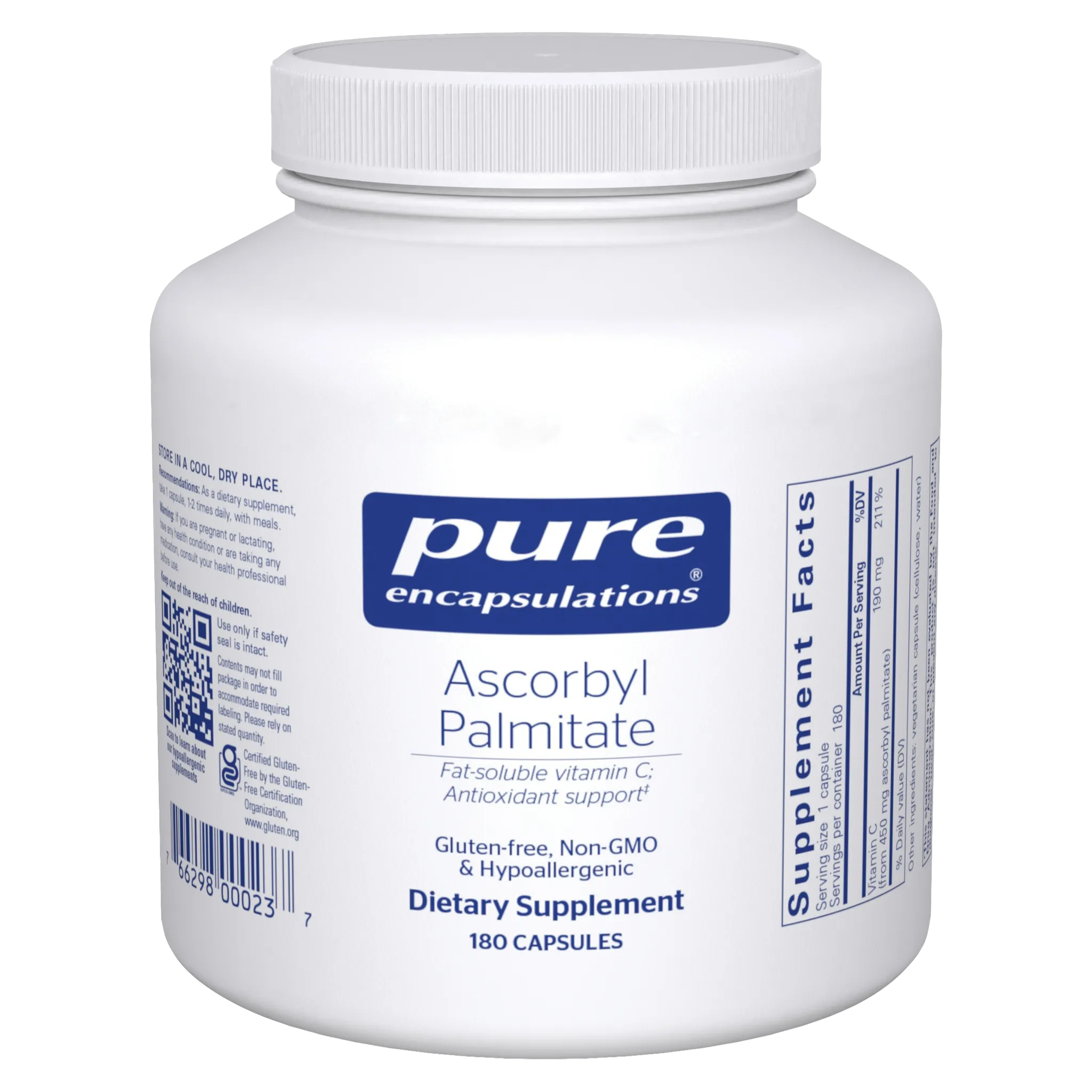
The suggested use for high-quality ascorbyl palmitate typically ranges from 1 to 2 capsules daily, providing a steady, reliable baseline of fat-soluble antioxidant support. Because it is a lipid-soluble compound, its bioavailability and absorption in the gastrointestinal tract are significantly enhanced when taken alongside a meal that contains healthy dietary fats. Consuming it with foods rich in omega-3 fatty acids, avocados, nuts, or olive oil actively stimulates the release of bile acids from the gallbladder and lipolytic enzymes from the pancreas. These digestive components facilitate the vital emulsification and micelle formation required for the absorption of the palmitate molecule through the intestinal wall and into the lymphatic system.
For patients dealing with severe, unrelenting fatigue or the complex symptom presentation of Long COVID, strategically spacing the dosage throughout the day—such as taking one capsule with breakfast and one with dinner—can help maintain consistent, round-the-clock antioxidant protection across the entire 24-hour cycle. It is also important to note that ascorbyl palmitate is very often used synergistically with standard water-soluble vitamin C in clinical practice. Many functional medicine practitioners recommend a comprehensive dual approach: utilizing standard ascorbic acid for immediate systemic, aqueous support and immune boosting, while concurrently using ascorbyl palmitate for targeted, long-lasting membrane protection and neurological support.
Potential Interactions and Safety Profile
Ascorbyl palmitate is generally considered exceptionally safe and very well-tolerated, especially since its fat-soluble nature often successfully bypasses the gastrointestinal irritation and bowel tolerance issues frequently associated with high doses of standard ascorbic acid. However, as with any targeted supplement regimen, there are important practical considerations and potential interactions to keep in mind. Because vitamin C actively and significantly enhances the intestinal absorption of non-heme iron, individuals with underlying genetic conditions characterized by iron overload, such as hemochromatosis, should strictly consult their healthcare provider and monitor their ferritin levels before initiating any form of vitamin C supplementation.
Additionally, very high doses of vitamin C can theoretically interact with certain prescription medications, including blood thinners like warfarin, by potentially altering their metabolism, absorption, or clinical efficacy. While the standard, suggested doses provided in high-quality ascorbyl palmitate supplements are generally very safe for the vast majority of patients, individuals undergoing active chemotherapy or radiation therapy must always clear any antioxidant supplements with their oncology team. High-dose antioxidants can sometimes inadvertently interfere with the intended oxidative mechanisms of these powerful cancer treatments. Always start with the lowest suggested dose to assess your individual tolerance and carefully monitor your body's response, particularly if you have highly sensitive mast cells or a severely reactive nervous system.

Follow the Science
Vitamin C's Role in Viral Recovery and Long COVID
The scientific and medical community has long recognized the absolutely critical role of vitamin C in supporting robust immune function and facilitating viral recovery, and an emerging body of recent research has brought this into sharp, urgent focus regarding SARS-CoV-2 and the development of Long COVID. A robust, well-established body of evidence demonstrates that acute viral infections rapidly and severely deplete systemic vitamin C levels due to the massive, overwhelming oxidative stress generated by the body's innate immune response. Research published in the context of Long COVID immunopathogenesis clearly highlights that this ongoing, unresolved oxidative burden contributes significantly to the persistent, multi-system symptoms experienced by long-haulers months or years after the initial infection.
Clinical observations and emerging data suggest that aggressively restoring these depleted antioxidant reserves is a fundamental, necessary step in mitigating the chronic inflammation that drives post-viral syndromes. While large-scale, double-blind, randomized controlled trials specifically isolating the effects of ascorbyl palmitate in Long COVID populations are still in the early stages of development, the foundational biochemistry of vitamin C as a potent, essential free radical scavenger and immune modulator provides a profoundly strong rationale for its clinical use. By supporting cellular recovery, protecting mitochondrial function, and reducing the systemic inflammatory load, targeted vitamin C supplementation addresses the core pathophysiological mechanisms that perpetuate Long COVID and ME/CFS symptoms.
Mast Cell Stabilization and Histamine Research
The complex intersection of vitamin C status and mast cell function is another critical area of intense scientific interest, particularly for the growing number of patients dealing with MCAS post-infection. Studies exploring the intricate link between mast cell activation and Long COVID heavily emphasize that dysregulated, hyper-reactive mast cells release a massive cascade of inflammatory mediators, including histamine, which directly perpetuate multi-systemic symptoms like brain fog, tachycardia, and severe gastrointestinal distress. Research has consistently and repeatedly shown that vitamin C acts as a powerful natural antihistamine in the human body.
It achieves this vital effect not by simply blocking histamine receptors (as traditional pharmaceutical antihistamines like H1 or H2 blockers do), but by actively promoting the enzymatic breakdown of histamine via the DAO pathway and physically stabilizing the mast cell membrane to prevent excessive degranulation in the first place. A comprehensive review of immunological dysfunction in Long COVID strongly underscores the absolute importance of addressing this underlying mast cell hyperactivity to achieve symptom relief. By providing a fat-soluble form of vitamin C that can directly integrate into the lipid bilayer of the mast cell itself, ascorbyl palmitate offers a highly targeted, mechanistic approach for maintaining cellular stability and significantly reducing the overall histamine burden in highly reactive, sensitive patients.
Bioavailability Studies of Fat-Soluble Vitamin C
The pharmacokinetic profile of vitamin C and its derivatives is an area of ongoing research in the nutritional sciences. Foundational studies on vitamin C highlight its role as a potent water-soluble antioxidant, though some clinical intervention studies have shown no significant change in markers of oxidation or clinical benefit. While more research is needed on lipid-soluble derivatives, amphipathic compounds like ascorbyl palmitate are theorized to exhibit enhanced cellular uptake, particularly in lipid-rich tissues such as the brain and central nervous system. Because it is designed to cross biological lipid membranes more readily than its water-soluble counterpart, ascorbyl palmitate may provide localized support against lipid peroxidation.
This enhanced tissue penetration and membrane integration is absolutely crucial for effectively addressing the localized, severe oxidative stress that damages mitochondrial networks and delicate neural pathways in complex conditions like ME/CFS and Long COVID. Furthermore, pharmacokinetic research strongly indicates that the addition of the palmitate tail allows the active vitamin C molecule to be retained in the body's lipid stores for significantly longer periods. This retention provides a sustained, steady-state antioxidant effect that perfectly complements the rapid, but highly transient, action of standard water-soluble vitamin C, offering a comprehensive, two-tiered approach to managing chronic oxidative stress.
The Path Forward
A Comprehensive Approach to Healing
Living daily with complex, invisible chronic conditions like Long COVID, ME/CFS, dysautonomia, and MCAS is an incredibly challenging, exhausting, and often deeply isolating journey. The highly unpredictable nature of your symptoms—ranging from debilitating brain fog and crushing, unyielding fatigue to sudden, terrifying allergic-type reactions—can make navigating daily life feel like an insurmountable uphill battle. It is profoundly important to validate that these symptoms are absolutely real and not in your head; they are the direct result of profound, measurable physiological disruptions, including chronic oxidative stress, severe immune dysregulation, and deep cellular exhaustion. If you are currently navigating the frustrating process of seeking answers, learning How Does a Doctor Diagnose Long COVID? can help you better advocate for the comprehensive care and validation you deserve.
While there is currently no single, simple miracle cure for these intricate, overlapping syndromes, deeply understanding the underlying biochemistry empowers you to make targeted, science-backed decisions about your health and symptom management. Supplements like ascorbyl palmitate represent one highly valuable, mechanistic tool in a much broader, comprehensive management strategy. When thoughtfully combined with essential practices like radical rest, meticulous symptom tracking, strict pacing to avoid post-exertional malaise, and a tailored, anti-inflammatory nutritional approach, targeted supplementation can help slowly restore the critical biochemical foundations necessary for healing, stabilizing your system, and ultimately improving your daily quality of life.
Integrating Ascorbyl Palmitate into Your Protocol
If you are actively struggling with the systemic inflammation, relentless histamine overload, or profound cellular fatigue that characterize these invisible illnesses, supporting your body's fundamental antioxidant defenses is a logical, necessary, and scientifically grounded step forward. Ascorbyl palmitate offers a unique, highly targeted fat-soluble approach to delivering the critical, life-sustaining benefits of vitamin C directly to the cellular membranes where it is needed most desperately. By protecting your vulnerable mitochondria, physically stabilizing your hyper-reactive mast cells, and supporting the essential collagen integrity of your blood vessels, this specialized nutrient can help address multiple, interconnected facets of your condition simultaneously.
As you continue to bravely navigate the daily complexities of chronic illness, we strongly encourage you to Learn more about managing fatigue with Long COVID and explore how targeted, mechanistic nutritional support can fit seamlessly into your personalized, comprehensive care plan. Remember that healing is a non-linear process that requires immense patience and self-compassion. Always consult closely with your primary healthcare provider or a specialist in complex chronic illness before introducing any new supplements to ensure they align perfectly with your specific medical needs, current lab results, and existing medication regimen.