Can Arthroben® Support Joint Pain and Connective Tissue in Long COVID and Dysautonomia?
March 5, 2026
ArthrobenJoint PainHypermobility
Share:
Disclaimer: The information provided here is for educational purposes only and is not intended as medical advice. It should not be used to diagnose, treat, cure, or prevent any medical condition. Instead, use it as a starting point for discussion with your healthcare provider. Always consult with a qualified healthcare provider before starting any new medication, supplement, device, or making changes to your health regimen.
Months or even years after a viral infection, many patients with complex chronic conditions find themselves battling a symptom that is frequently overlooked: severe, widespread joint and connective tissue pain. For individuals living with Long COVID, myalgic encephalomyelitis/chronic fatigue syndrome (ME/CFS), dysautonomia, and mast cell activation syndrome (MCAS), musculoskeletal discomfort is rarely just "wear and tear." Instead, it is often the result of a complex interplay between systemic inflammation, autonomic nervous system dysfunction, and underlying connective tissue laxity. When your body is trapped in a state of chronic immune activation, the very scaffolding that holds your joints, ligaments, and blood vessels together can become compromised, leading to debilitating pain and reduced mobility.
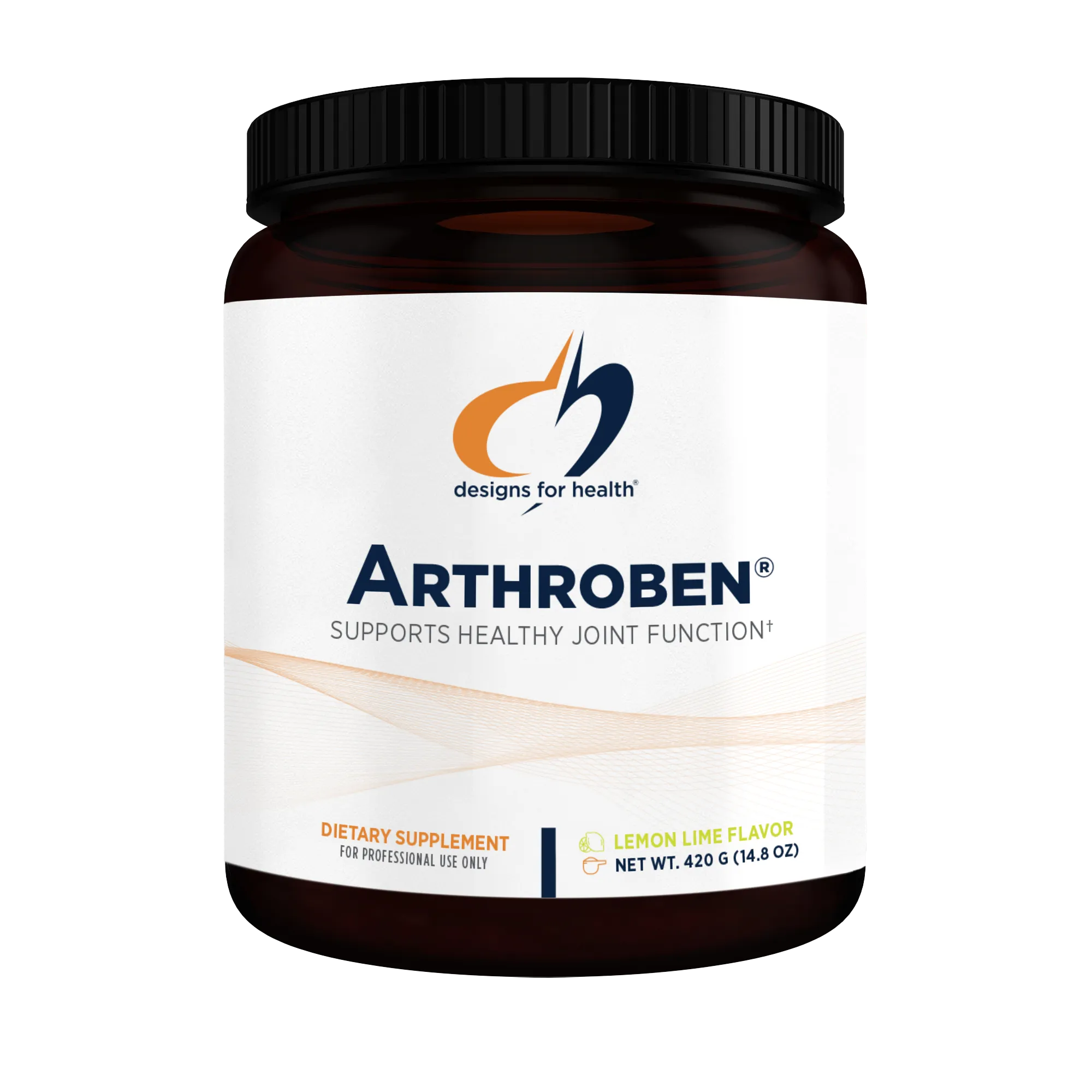
In the search for validating, science-backed management strategies, targeted nutritional support can play a crucial role in rebuilding what chronic illness breaks down. Arthroben® by Designs for Health has emerged as a highly specialized supplement formulated to address these exact structural vulnerabilities. By combining specific bioactive collagen peptides with potent, plant-derived flavonoids, this unique blend aims to do more than just mask pain. It is designed to actively support cartilage regeneration, strengthen ligaments, and calm the aggressive inflammatory pathways that degrade connective tissue. In this comprehensive guide, we will explore the deep biochemical mechanisms behind Arthroben® and how it may support individuals navigating the physical toll of complex chronic illness.
TL;DR
Arthroben® combines bioactive collagen peptides and botanical flavonoids to support joint health and connective tissue repair.
It may help manage musculoskeletal pain and instability common in Long COVID, ME/CFS, and dysautonomia.
The supplement targets underlying inflammation and provides building blocks for cartilage and ligament regeneration.
What is Arthroben®?
A Targeted Approach to Connective Tissue
Arthroben® is a highly absorbable, specialized dietary supplement powder designed to support healthy connective tissue, joint mobility, and a balanced inflammatory response. In a healthy body, connective tissue—which includes cartilage, tendons, ligaments, and the extracellular matrix—provides structural integrity, absorbs shock, and facilitates smooth movement. This tissue is primarily composed of collagen, a tough, fibrous protein, and proteoglycans, which hold water to keep joints lubricated and resilient. Maintaining this structural matrix requires a constant, delicate balance between anabolic (building) and catabolic (breaking down) cellular processes.
When this balance is disrupted by chronic inflammation, oxidative stress, or genetic variations in collagen synthesis, the body begins to break down joint tissue faster than it can repair it. Arthroben® is formulated to intervene in this destructive cycle by providing both the raw building blocks needed for tissue repair and the biological signals required to stimulate that repair. Unlike traditional over-the-counter pain relievers that simply block pain signals, this supplement targets the underlying metabolic imbalances within the joint capsule and surrounding connective structures.
The efficacy of Arthroben® lies in its specific ingredients, which are supported by a systematic review evaluating the effects of collagen peptide supplementation on collagen synthesis and recovery from joint injury. A standard 14-gram serving delivers a precise combination of bioactive collagen peptides and a proprietary botanical blend, working synergistically to address both the structural and biochemical aspects of joint health. This multi-pronged approach makes it particularly relevant for individuals whose joint pain is driven by systemic, multi-systemic conditions rather than simple mechanical overuse.
The Power of Bioactive Collagen Peptides
The foundation of Arthroben® consists of 10 grams of a specialized blend of two bioactive collagen peptides: FORTIGEL® and TENDOFORTE®. Collagen peptides are short chains of amino acids derived from the hydrolysis of full-length collagen proteins. In a healthy physiological state, these peptides are absorbed through the intestinal tract and travel via the bloodstream to target tissues. Once they reach the joints, they do not merely act as passive building blocks; they actively bind to receptor sites on the surface of specific connective tissue cells, triggering a cascade of regenerative activity.
FORTIGEL® is specifically engineered to target chondrocytes, the specialized cells responsible for maintaining articular cartilage. When stimulated by these specific peptides, chondrocytes increase their production of Type II collagen and aggrecan, the primary components of the cartilage matrix. Meanwhile, TENDOFORTE® is optimized to target fibroblasts, the cells that manufacture the extracellular matrix of tendons and ligaments. By stimulating these distinct cell types, the collagen peptides in Arthroben® support the comprehensive rebuilding of the entire joint apparatus, enhancing both the cushioning of cartilage and the tensile strength of ligaments.
Dual-Pathway Botanical Support
The third crucial component of Arthroben® is Univestin®, a 250 mg proprietary blend of two potent bioflavonoids: baicalin, extracted from the roots of Chinese Skullcap (Scutellaria baicalensis), and catechins, derived from the heartwood of the Cutch Tree (Acacia catechu). In traditional botanical medicine, these plants have been utilized for centuries to manage systemic swelling and pain. Modern biochemistry has revealed that these specific flavonoids possess profound anti-inflammatory and antioxidant properties at the molecular level.
In a healthy immune system, the inflammatory response is a temporary, localized mechanism used to heal injuries. However, in chronic illness, pro-inflammatory enzymes become hyperactive, flooding the joints with destructive chemicals. Univestin® works by modulating these enzymatic pathways, specifically targeting the cyclooxygenase (COX) and lipoxygenase (LOX) enzymes. By gently downregulating these pathways, the baicalin and catechins in Arthroben® help protect the newly synthesized collagen from being immediately degraded by inflammatory cytokines, allowing the joint to effectively heal and stabilize.
How Hypermobility and Chronic Illness Impact Connective Tissue
The Connective Tissue and Dysautonomia Overlap
To understand why a joint support supplement like Arthroben® is highly relevant to complex chronic illness, we must examine the profound, interconnected relationship between connective tissue, dysautonomia, and post-viral syndromes. Recent epidemiological data highlights that generalized joint hypermobility (GJH)—often seen in conditions like hypermobile Ehlers-Danlos Syndrome (hEDS) and Hypermobility Spectrum Disorders (HSD)—is vastly overrepresented in chronic illness cohorts. In fact, Long COVID can result in considerable disability, with surveys showing over 26% of adults with Long COVID experience substantial activity limitations. Furthermore, a landmark 2024 case-control study revealed that individuals with hypermobile joints are roughly 30% more likely to develop Long COVID following a viral infection.
This overlap is driven by shared pathophysiology. Connective tissue is not just found in joints; it forms the structural scaffolding of blood vessels, the gastrointestinal tract, and the nervous system. In patients with variant, overly elastic collagen, blood vessels are abnormally compliant. When a patient with POTS (postural orthostatic tachycardia syndrome) stands up, gravity causes blood to pool heavily in the lax veins of the lower body. To compensate for this lack of cerebral blood flow, the autonomic nervous system triggers a massive release of adrenaline, causing the rapid, uncomfortable heart rate characteristic of dysautonomia. Therefore, compromised connective tissue directly exacerbates autonomic dysfunction.
When a patient with preexisting connective tissue laxity contracts a virus like SARS-CoV-2, the resulting immune cascade can be devastating. The virus triggers systemic inflammation, which further degrades the already fragile extracellular matrix. This creates a vicious cycle: viral infection worsens connective tissue integrity, which in turn exacerbates blood pooling, leading to more severe dysautonomia and profound fatigue. Managing this structural vulnerability is a critical, yet often overlooked, component of managing fatigue with Long COVID.
Mast Cell Activation and Matrix Degradation
Another crucial piece of the chronic illness puzzle is mast cell activation syndrome (MCAS). Mast cells are specialized immune cells that reside primarily in connective tissues, acting as the body's first line of defense against pathogens and environmental triggers. In a healthy state, they release chemical mediators like histamine to orchestrate localized immune responses. However, in conditions like Long COVID and ME/CFS, these cells can become hyperactive and dysregulated, constantly degranulating and flooding the surrounding tissues with inflammatory chemicals.
This chronic mast cell activation has a direct, catabolic effect on joint and ligament health. When mast cells degranulate, they release not only histamine but also matrix metalloproteinases (MMPs) and tryptase. These specific enzymes are designed to break down collagen and proteoglycans, effectively dissolving the extracellular matrix to allow other immune cells to enter the tissue. In a state of chronic MCAS, this enzymatic degradation never stops, actively destroying the structural integrity of cartilage and ligaments. This explains why many patients experience a sudden onset of severe, widespread joint pain and increased hypermobility following a viral infection or an MCAS flare.
The Vicious Cycle of Inflammation and Laxity
The combination of viral persistence, autonomic dysfunction, and mast cell activation creates a hostile environment for connective tissue. The chronic neuro-inflammation breaks down the fascia—the connective tissue surrounding muscles and nerves—leaving sensory nerves irritated and unprotected. This contributes to the severe, fibromyalgia-like pain and small fiber neuropathy frequently seen across hEDS, Long COVID, and ME/CFS populations. The constant breakdown of tissue outpaces the body's natural ability to synthesize new collagen, leading to progressive joint instability and pain.
Furthermore, as joints become more unstable due to ligament laxity, the surrounding muscles must work overtime to hold the skeleton together. This constant, low-grade muscle tension drains cellular energy (ATP) and heavily contributes to the profound physical exhaustion and post-exertional malaise (PEM) that characterizes these conditions. By understanding this interconnected web, it becomes clear that supporting collagen synthesis and halting inflammatory degradation is not just about relieving knee pain; it is about stabilizing the entire physiological system. This stabilization is essential when figuring out how to maintain your independence with chronic illness.
Arthroben®: Supporting Cartilage, Ligaments, and Inflammation
FORTIGEL® and Cartilage Regeneration
Arthroben® addresses the complex degradation of joint tissue through highly specific, targeted mechanisms of action. The first mechanism involves the regeneration of articular cartilage via the FORTIGEL® bioactive collagen peptides. Cartilage is a specialized, avascular tissue (meaning it lacks a direct blood supply), which makes it notoriously slow to heal. It relies on chondrocytes to slowly synthesize and turn over the extracellular matrix. When taken orally, the specific molecular weight and amino acid sequence of FORTIGEL® allows it to survive digestion, cross the intestinal barrier, and accumulate in the synovial fluid surrounding the joints.
Once in the joint capsule, these peptides bind to specific integrin receptors on the surface of chondrocytes. This binding event triggers an intracellular signaling cascade that upregulates the transcription of genes responsible for producing Type II collagen and aggrecan. Aggrecan is a massive proteoglycan molecule that binds to hyaluronic acid, creating a highly hydrated gel that gives cartilage its shock-absorbing properties. By directly stimulating this anabolic pathway, FORTIGEL® helps shift the metabolic balance of the joint from degradation to active regeneration, slowly rebuilding the protective cushioning between bones.
TENDOFORTE® for Ligament and Tendon Strength
While cartilage provides cushioning, ligaments and tendons provide the crucial tensile strength needed to keep joints stable—a major concern for patients with hypermobility or dysautonomia. The TENDOFORTE® peptides in Arthroben® are specifically optimized to interact with fibroblasts, the primary cells of ligaments and tendons. Ligaments connect bone to bone, while tendons connect muscle to bone; both rely on a highly organized matrix of Type I collagen and elastin to function correctly.
At the cellular level, TENDOFORTE® peptides stimulate fibroblasts to significantly increase the biosynthesis of new extracellular matrix molecules. In vitro pre-clinical studies have demonstrated that human fibroblasts exposed to these specific peptides produce 1.2 to 2.4 times more tissue matrix. Furthermore, the synthesis of elastin—the critical protein that allows ligaments to stretch and return to their original shape without tearing—increases by approximately 50%. This targeted strengthening of the connective tissue envelope helps reduce joint subluxations (partial dislocations) and micro-tears, providing much-needed structural support for hypermobile patients.
Univestin®'s Dual COX and LOX Inhibition
Rebuilding collagen is only half the battle; to achieve lasting joint health, the aggressive inflammatory pathways that destroy connective tissue must be calmed. This is where the Univestin® botanical blend exerts its primary mechanism of action. When cells are damaged or stressed, an enzyme called phospholipase A2 releases arachidonic acid from the cell membrane. This acid is then converted into highly inflammatory signaling molecules by two primary enzyme pathways: Cyclooxygenase (COX-1 and COX-2) and 5-Lipoxygenase (5-LOX). The COX pathway produces pain-inducing prostaglandins, while the 5-LOX pathway produces inflammatory leukotrienes.
Traditional non-steroidal anti-inflammatory drugs (NSAIDs) typically block only the COX pathways. While this reduces pain, it shunts all the excess arachidonic acid down the 5-LOX pathway, leading to an overproduction of leukotrienes that can cause severe gastrointestinal damage and mucosal toxicity. Univestin® acts as a sophisticated dual inhibitor of both the COX and 5-LOX pathways. By simultaneously blocking both enzymatic routes, baicalin and catechins safely and comprehensively dampen the inflammatory cascade without the harsh gastrointestinal side effects associated with traditional NSAIDs. This balanced inhibition is crucial for patients with chronic illness, who often already suffer from sensitive, inflamed GI tracts.
Antioxidant Defense Against Oxidative Stress
In addition to enzymatic inhibition, the Univestin® blend provides potent antioxidant defense. Chronic illness is characterized by high levels of oxidative stress, where reactive oxygen species (ROS)—unstable molecules missing an electron—damage cellular structures and degrade the extracellular matrix. The synovial fluid in inflamed joints is often flooded with these destructive free radicals, which actively unravel collagen fibers and cause chondrocyte cell death.
The specific bioflavonoids in Arthroben®, particularly the catechins from Acacia catechu, act as powerful electron donors. They neutralize ROS before they can damage the joint tissue. In fact, in vitro studies show that Univestin has an Oxygen Radical Absorbance Capacity (ORAC) value that is over 36 times higher than standard citrus bioflavonoids. Furthermore, baicalin specifically modulates inflammatory gene expression by inhibiting the production of tumor necrosis factor-alpha (TNF-α) and Nuclear Factor-kappa B (NF-κB), two master regulators of systemic inflammation. By quenching oxidative stress and silencing pro-inflammatory genes, Arthroben® creates a protected, permissive environment where the collagen peptides can successfully rebuild the joint matrix.
Symptoms Arthroben® May Help Manage
Targeted Musculoskeletal Relief
Because Arthroben® acts on multiple biochemical pathways—stimulating collagen synthesis while simultaneously halting inflammatory degradation—it can help manage a wide array of symptoms associated with compromised connective tissue. For patients navigating the physical toll of chronic illness, this targeted support can translate to significant improvements in daily functioning and comfort.
Activity-Related Joint Pain: By providing the building blocks for cartilage repair and downregulating COX/LOX inflammatory pathways, Arthroben® helps reduce the deep, aching pain in knees, hips, and shoulders that often follows physical exertion.
Joint Stiffness and Reduced Mobility: The baicalin and catechins in Univestin® rapidly calm synovial inflammation, which can help reduce morning stiffness and improve the overall range of motion in affected joints.
Frequent Subluxations and Instability: By stimulating fibroblasts to produce more elastin and Type I collagen via TENDOFORTE®, the supplement helps strengthen the ligaments and tendons that hold joints in place, potentially reducing the frequency of partial dislocations common in hypermobility.
Delayed Onset Muscle Soreness (DOMS): The potent antioxidant capacity of the botanical blend helps neutralize the oxidative stress generated during movement, supporting faster recovery and less fascial pain after physical therapy or daily activities.
Systemic Connective Tissue Support
Beyond localized joint pain, the systemic nature of connective tissue means that supporting its integrity can have far-reaching benefits for patients with complex, multi-systemic conditions. While Arthroben® is primarily formulated for musculoskeletal health, its mechanisms of action intersect with the broader pathophysiology of dysautonomia and chronic inflammation.
Vascular Laxity and Blood Pooling: By supporting systemic collagen and elastin synthesis, the peptides may help maintain the structural integrity of blood vessel walls, which is a crucial factor in managing the venous pooling associated with POTS and orthostatic intolerance.
Gastrointestinal Irritation: Unlike traditional NSAIDs that can damage the stomach lining, the dual COX/LOX inhibition of Univestin® provides systemic anti-inflammatory support without exacerbating the GI symptoms frequently seen in MCAS and Long COVID patients.
Fatigue Driven by Muscle Tension: As ligaments become stronger and joints more stable, the surrounding muscles do not have to work as hard to maintain posture and skeletal alignment, potentially reducing the chronic energy drain that contributes to systemic fatigue.
Systemic Inflammatory Burden: By inhibiting master inflammatory regulators like NF-κB and TNF-α, the bioflavonoids help lower the overall inflammatory load in the body, supporting a calmer immune system during post-viral recovery.
Practical Considerations: Forms, Dosing, and Absorption
Optimal Dosing and Preparation
Arthroben® is formulated as a highly absorbable powder, which ensures efficient delivery and maximizes the bioavailability of its key ingredients. The suggested use is to mix 14 grams (approximately one scoop) into 8 ounces of water per day, or as directed by a healthcare practitioner. Because it contains no artificial sweeteners and mixes easily, it can be seamlessly incorporated into a daily hydration routine. For patients with dysautonomia who already consume large amounts of water and electrolytes, adding this unflavored or naturally flavored powder to their morning fluid intake is a convenient way to support joint health.
Consistency is critical when using targeted nutritional therapies for tissue regeneration. While the botanical flavonoids in Univestin® are designed to provide relatively rapid relief from inflammatory pain, the structural rebuilding of cartilage and ligaments takes significant time. Connective tissue has a very slow metabolic turnover rate due to its lack of direct blood supply. Clinical studies suggest that while improvements in comfort may be noticed within a few weeks, optimal tissue remodeling and structural benefits from the collagen peptides typically require a minimum of 3 to 6 months of continuous daily supplementation.
Bioavailability and Absorption Factors
The bioavailability of the ingredients in Arthroben® is a key factor in its efficacy. The FORTIGEL® and TENDOFORTE® collagen peptides are hydrolyzed, meaning the long, complex collagen protein chains have been enzymatically broken down into very small, specific amino acid sequences. This low molecular weight allows the peptides to easily pass through the intestinal wall intact, rather than being completely broken down into individual amino acids during digestion. This intact absorption is what allows them to act as active signaling molecules when they reach the joint capsule.
To further enhance the synthesis of new collagen, it is highly recommended to ensure adequate Vitamin C intake alongside Arthroben®. Vitamin C is an essential cofactor for the enzymes prolyl hydroxylase and lysyl hydroxylase, which are responsible for stabilizing the triple-helix structure of newly formed collagen molecules. Without sufficient Vitamin C, the fibroblasts cannot properly cross-link the collagen fibers, resulting in weak, defective tissue. Patients may consider taking their daily scoop of Arthroben® alongside a Vitamin C-rich food or a gentle, buffered Vitamin C supplement to maximize the anabolic response.
Safety Profile and Long-Term Use
One of the most significant advantages of Arthroben® is its highly favorable safety profile, particularly for long-term use. Traditional NSAIDs carry "black box" warnings for severe cardiovascular and gastrointestinal risks when used chronically. Because the Univestin® blend in Arthroben® provides balanced inhibition of both the COX and LOX pathways, it protects the stomach lining from the leukotriene-induced damage typical of selective COX inhibitors. A comprehensive 26-week safety study demonstrated a massive threshold for human safety, with no observed adverse effects even at very high doses.
Furthermore, the bioactive collagen peptides are generally recognized as safe (GRAS) and have shown no adverse effects or toxicities in extensive clinical trials. Arthroben® is free from common allergens and artificial additives, making it suitable for patients with sensitive systems or MCAS. However, as with any supplement, individuals should consult their healthcare provider before beginning a new regimen, especially if they are pregnant, nursing, or taking prescription blood thinners, as bioflavonoids can occasionally interact with certain medications. Careful management of these variables is especially important when planning 5 tips for surviving the holidays with a chronic illness, where routine and safety are paramount.

Follow the Science
Clinical Evidence for Cartilage and Tendon Repair
The specific ingredients in Arthroben® are supported by peer-reviewed clinical data demonstrating their ability to structurally alter connective tissue. A systematic review evaluated the effects of collagen peptide supplementation on body composition, collagen synthesis, and recovery from joint injury and exercise. The researchers highlighted that collagen peptides can support collagen synthesis and aid in recovery. This provides evidence that oral supplementation with these specific peptides may help stimulate the regeneration of human cartilage tissue.
Similarly, the TENDOFORTE® peptides have been rigorously tested for their impact on ligament and tendon health. In a 6-month cross-over study conducted by the Australian Institute of Sport, researchers followed subjects with long-term, chronic Achilles tendinopathy who were unresponsive to traditional therapies. When 5 grams of TENDOFORTE® was combined with a specialized strengthening program, 12 out of 20 participants were able to successfully return to running within 3 months. The peptide group saw massive, statistically significant improvements in their clinical assessment scores, demonstrating the peptides' ability to accelerate the repair of dense, fibrous connective tissue.
Rapid Relief from Botanical Flavonoids
While collagen rebuilding takes months, the Univestin® blend in Arthroben® has been studied for its ability to provide relief from joint discomfort. In cellular and animal models, Univestin was tested for its anti-inflammatory properties. Researchers found that the extract acted as a dual inhibitor of COX and 5-LOX enzymes, and abated swelling and restored function in a mouse model of joint inflammation. The botanical blend effectively reduced edema and inhibited pro-inflammatory eicosanoids in these preclinical models.
Another study evaluating the short-term efficacy of Univestin found that participants taking 500 mg per day experienced an increase in joint flexibility within just 3 days (72 hours), with comprehensively improved joint function and range of motion by day 7. A subsequent 90-day double-blind, placebo-controlled trial demonstrated that these physical benefits continued to improve steadily over the three-month period. This dual-action timeline—rapid inflammatory relief from flavonoids combined with long-term structural repair from peptides—makes the formulation uniquely suited for chronic joint management.
The Hypermobility and Long COVID Connection
The clinical relevance of these ingredients is further amplified by recent research linking connective tissue integrity to post-viral syndromes. A major 2024/2025 case-control study published in BMJ Public Health explicitly investigated variant connective tissue as a risk factor for Long COVID. Drawing from over 3,000 participants, the researchers found that individuals with generalized joint hypermobility (GJH) were 30% more likely to experience prolonged symptoms after a COVID-19 infection, with "extreme hypermobility" carrying an even higher risk.
The emerging body of evidence validates the clinical strategy of using targeted connective tissue support, like the collagen peptides and LOX/COX inhibitors found in Arthroben®, to help stabilize the physiological scaffolding of patients battling interconnected, multi-systemic conditions.
The Path Forward
Validating the Structural Reality of Invisible Illness
Living with conditions like Long COVID, ME/CFS, dysautonomia, and MCAS often means navigating a medical system that struggles to understand the complexity of your symptoms. For decades, patients with widespread joint pain, profound fatigue, and hypermobility have faced medical gaslighting, with their physical suffering dismissed as purely psychological or simply "unexplained." The emerging scientific evidence proving that these conditions are deeply interconnected—and rooted in measurable physiological dysfunction like connective tissue degradation, vascular laxity, and systemic inflammation—is profoundly validating. Your pain is real, it is structural, and it has a biological basis.
Understanding the mechanisms behind your symptoms is the first step toward reclaiming your quality of life. While there is no single miracle cure for variant connective tissue or post-viral syndromes, recognizing the role of the extracellular matrix allows for highly targeted, scientifically grounded interventions. By addressing the root causes of joint degradation—halting the destructive inflammatory cascade and supplying the specific peptides needed for cellular repair—patients can begin to stabilize their physical foundation, reducing the daily burden of pain and instability.
A Comprehensive Management Approach
It is important to remember that supplements are just one piece of a comprehensive, multidisciplinary management strategy. Arthroben® is designed to be a powerful tool in your toolkit, working synergistically alongside other essential practices like strict pacing to avoid post-exertional malaise (PEM), careful symptom tracking, physical therapy tailored for hypermobility, and the medical management of dysautonomia and mast cell activation. Rebuilding connective tissue requires patience, consistency, and a holistic approach to calming the nervous and immune systems.
As you navigate your path forward, always consult with a knowledgeable healthcare provider who understands the nuances of complex chronic illness before starting any new supplement regimen. They can help you integrate targeted nutritional support safely into your broader care plan. With the right tools, validating care, and a deep understanding of your body's unique biochemistry, it is possible to support your joints, manage your symptoms, and improve your daily quality of life.