Can Arterosil HP Support Vascular Health in Long COVID, ME/CFS, and POTS?
March 5, 2026
Arterosil HPLong COVIDPOTS
Share:
Disclaimer: The information provided here is for educational purposes only and is not intended as medical advice. It should not be used to diagnose, treat, cure, or prevent any medical condition. Instead, use it as a starting point for discussion with your healthcare provider. Always consult with a qualified healthcare provider before starting any new medication, supplement, device, or making changes to your health regimen.
Imagine standing up from a chair, only to feel your heart immediately begin to race, your vision blur, and your legs grow heavy as blood pools in your lower extremities. For individuals living with Postural Orthostatic Tachycardia Syndrome (POTS), Long COVID, and Myalgic Encephalomyelitis/Chronic Fatigue Syndrome (ME/CFS), this profound autonomic and vascular dysfunction is a daily, debilitating reality. Often, standard blood tests return "normal," leaving patients frustrated and without answers. However, emerging research points to a microscopic, often-overlooked structure lining our blood vessels as a potential root cause for many of these systemic symptoms: the endothelial glycocalyx.
When this delicate, gel-like vascular lining is damaged by viral infections, chronic inflammation, or oxidative stress, the entire cardiovascular and autonomic system suffers. Blood vessels become "leaky," microcirculation is impaired, and tissues are starved of oxygen, driving severe fatigue, brain fog, and exercise intolerance. As researchers uncover the critical role of the endothelial glycocalyx in complex chronic illnesses, targeted nutritional support has become a vital area of interest. Arterosil® HP, featuring a unique marine extract called rhamnan sulfate, offers a novel, clinically researched approach to rebuilding and protecting this essential vascular shield.
TL;DR
The endothelial glycocalyx is a vital vascular lining often damaged in Long COVID, ME/CFS, and POTS.
Damage to this layer impairs microcirculation, driving severe fatigue, brain fog, and autonomic dysfunction.
Arterosil® HP contains rhamnan sulfate, which may help support and rebuild this protective vascular barrier.
Restoring endothelial health may help improve blood flow and manage complex chronic symptoms.
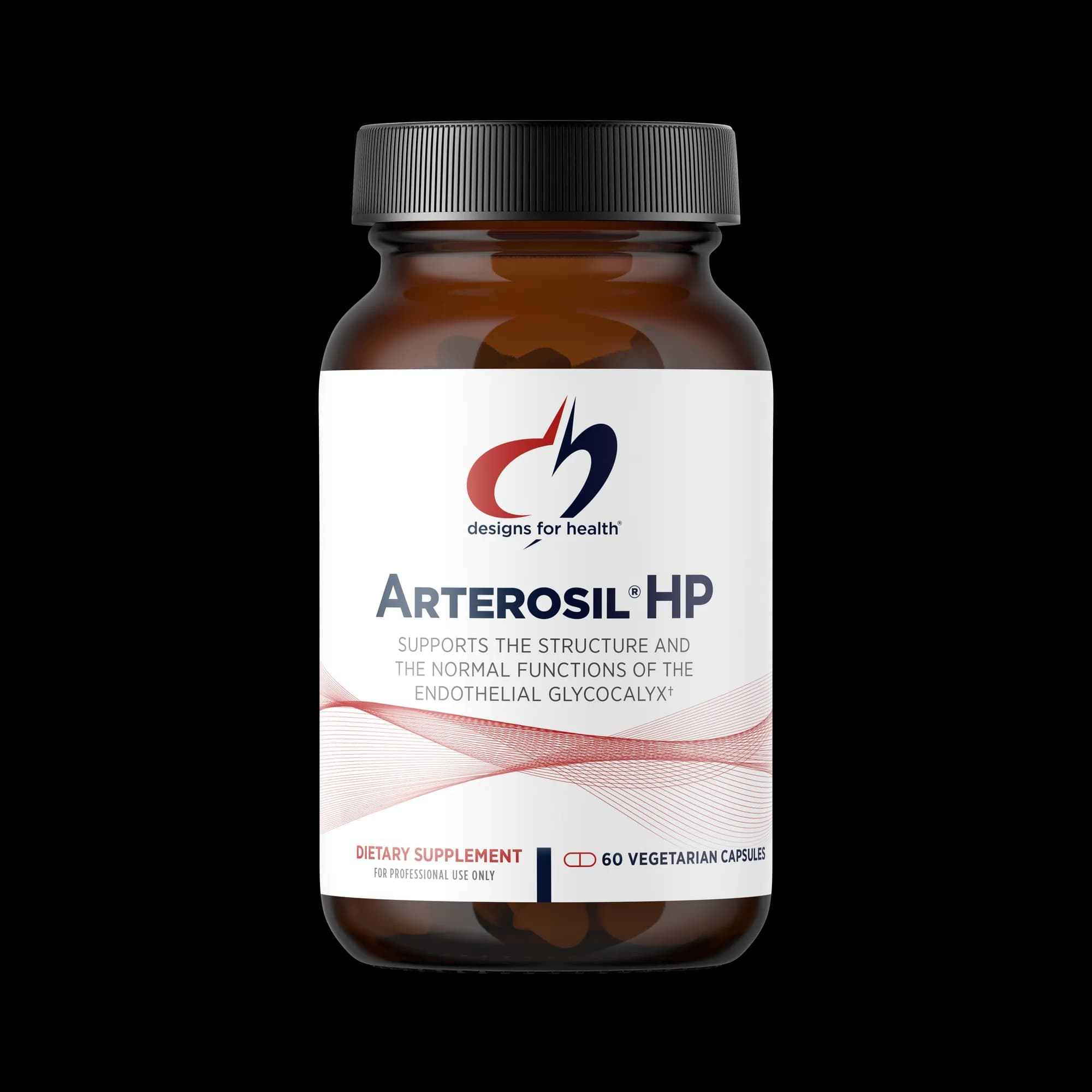
What is Arterosil® HP?
To understand how Arterosil® HP works, we must first look at its primary bioactive ingredient: rhamnan sulfate. Rhamnan sulfate is a highly specialized, complex sulfated polysaccharide—a type of long-chain carbohydrate—extracted from a rare species of green marine algae known as Monostroma nitidum. In the natural world, these complex carbohydrates help protect the seaweed from harsh marine environments.
Extracting intact rhamnan sulfate from marine algae is a highly complex and delicate biochemical process. Because the molecular configurations of these polysaccharides are intricate and easily degraded by harsh extraction methods, standard seaweed supplements often lack the bioactive compounds necessary to enact clinical change. Arterosil® HP utilizes a proprietary, clinically researched extract known as MonitumRS™. This trademarked formulation ensures that the full-spectrum, high-molecular-weight rhamnan sulfate is preserved, allowing it to survive digestion and reach the vascular system intact.
By providing a highly bioavailable form of rhamnan sulfate, MonitumRS™ delivers the exact structural components the body needs to repair damaged blood vessels. This targeted approach sets Arterosil® HP apart from general cardiovascular supplements, offering a precise mechanism of action for endothelial repair.
The primary target of Arterosil® HP is the endothelial glycocalyx (EGX). The EGX is a micro-thin, slippery, gel-like layer that coats the inner lining (endothelium) of the body's entire 100,000-kilometer network of blood vessels. You can think of it as the non-stick "Teflon coating" of your cardiovascular system. It is primarily composed of a dense mesh of glycoproteins, proteoglycans (such as syndecan-1), and glycosaminoglycans (such as heparan sulfate and hyaluronic acid). In a healthy body, this structure is robust, dynamic, and constantly regenerating.
The EGX serves several absolutely critical functions for systemic health. First, it acts as a physical barrier, preventing cholesterol, platelets, and white blood cells from inappropriately adhering to or penetrating the blood vessel walls. Second, it regulates vascular permeability; a healthy EGX ensures that fluid stays inside the blood vessels rather than leaking out into surrounding tissues. Finally, the EGX acts as the primary "mechanosensor" for the cardiovascular system. As blood flows over the gel-like layer, the EGX bends like seaweed in a current, sensing the shear stress and signaling the endothelial cells to produce nitric oxide (NO), a molecule that tells blood vessels to dilate and improve blood flow.
Despite its critical importance, the EGX is highly fragile. It can be rapidly degraded or "shed" in response to high blood glucose, oxidative stress, systemic inflammation, and viral infections. When the EGX is stripped away, the underlying endothelial cells are left bare and vulnerable. This loss of protection leads to stiff, inflamed, and leaky blood vessels, setting the stage for widespread cardiovascular and autonomic dysfunction. Rebuilding this layer is the primary goal of rhamnan sulfate supplementation.
In addition to MonitumRS™, Arterosil® HP contains a comprehensive 900 mg proprietary blend of fruit, vegetable, and green tea extracts. This blend includes potent botanical ingredients such as grape seed and skin extract, green tea leaf extract, tomato, broccoli, wild cherry, and olive fruit extract. These ingredients were specifically selected for their high concentrations of polyphenols, flavonoids, and natural antioxidants, which play a crucial supporting role in vascular health.
The primary enemy of a healthy endothelial glycocalyx is oxidative stress—a state where unstable molecules called reactive oxygen species (ROS) outnumber the body's natural antioxidant defenses. ROS act like microscopic shrapnel, physically tearing apart the delicate glycosaminoglycan chains of the EGX. By flooding the system with diverse, plant-based antioxidants, the Arterosil® HP blend helps neutralize these free radicals before they can damage the vascular lining.
Furthermore, these specific phytonutrients have been shown to support overall endothelial function independently of the glycocalyx. Together with rhamnan sulfate, this antioxidant blend creates a comprehensive environment for vascular healing and protection.
How Long COVID, ME/CFS, and POTS Impact the Endothelial Glycocalyx
In complex chronic illnesses like Long COVID and ME/CFS, the endothelial glycocalyx undergoes severe, sustained damage—a process clinically referred to as "shedding." During an acute SARS-CoV-2 infection, the virus binds directly to ACE2 receptors located on the endothelial cells lining the blood vessels. This binding triggers a massive immune response, releasing a flood of inflammatory cytokines (such as IL-6 and TNF-alpha) into the bloodstream. This "cytokine storm" activates an enzyme called heparanase, which acts like molecular scissors, cutting the heparan sulfate chains and stripping the EGX away from the vessel walls.
In Long COVID, this vascular damage does not resolve after the acute infection clears. Emerging research suggests that lingering viral spike proteins, persistent immune dysregulation, or reactivated latent viruses (like Epstein-Barr Virus, often seen in ME/CFS) cause chronic, low-grade inflammation that continually degrades the glycocalyx. Clinical studies have confirmed this by measuring elevated levels of syndecan-1 (SDC-1) in the blood of Long COVID patients months after their initial infection. SDC-1 is a core structural protein of the EGX; when it is found floating freely in the blood, it is a definitive biomarker of ongoing glycocalyx destruction.
When the EGX is shed, the consequences are systemic. The protective barrier is lost, exposing the bare endothelium to circulating toxins, immune cells, and cholesterol. This state of chronic vascular vulnerability, known as endotheliopathy, is now believed to be a central driver of the multisystem symptoms experienced by patients with Long COVID and ME/CFS, shifting the medical understanding of these conditions from purely immunological to fundamentally vascular.
One of the most significant breakthroughs in understanding Long COVID and ME/CFS is the discovery of fibrinaloid microclots, pioneered by researchers like Dr. Resia Pretorius. The formation of these microclots is directly tied to the health of the endothelial glycocalyx. In a healthy vessel, the EGX hides the sticky adhesion molecules of the endothelium, preventing blood from clotting unnecessarily. However, when the EGX is stripped away by viral inflammation, the bare, inflamed endothelium is exposed, triggering a massive alarm bell for the body's coagulation system.
Platelets become hyperactivated upon contact with the damaged endothelium, and fibrinogen (a clotting protein) misfolds into dense, amyloid-like microclots. Unlike normal blood clots, these fibrinaloid microclots are highly resistant to the body's natural breakdown processes (fibrinolysis). They circulate through the bloodstream until they become lodged in the body's smallest blood vessels—the capillaries. This physical blockage prevents red blood cells from delivering oxygen and nutrients to the surrounding tissues, a state known as cellular hypoxia.
This widespread microvascular blockage and resulting hypoxia perfectly explain the profound fatigue and post-exertional malaise (PEM) seen in Long COVID and ME/CFS. When muscles and organs are starved of oxygen, the body is forced to rely on inefficient anaerobic energy production, leading to rapid lactic acid buildup and cellular exhaustion. Furthermore, when these microclots block capillaries in the brain, they contribute to neuroinflammation and the severe cognitive dysfunction commonly described as "brain fog."
The degradation of the endothelial glycocalyx also plays a pivotal role in the development of dysautonomia and Postural Orthostatic Tachycardia Syndrome (POTS), conditions frequently diagnosed alongside Long COVID and ME/CFS. POTS is characterized by an abnormal increase in heart rate upon standing, driven by the body's inability to properly regulate blood vessel constriction. The EGX is the primary mechanosensor of the vascular system; it senses the physical force of blood flow and signals the autonomic nervous system to adjust vascular tone accordingly.
When the EGX is damaged, this crucial sensory mechanism is lost. Blood vessels fail to constrict properly when a patient stands up, causing blood to pool heavily in the legs and abdomen. To compensate for this sudden drop in blood returning to the brain, the sympathetic nervous system goes into overdrive, releasing surges of adrenaline that cause the heart to race (tachycardia), hands to tremble, and anxiety to spike. This explains why POTS is not merely a "heart problem," but rather a profound failure of vascular communication.
Additionally, a stripped glycocalyx makes blood vessels highly permeable, or "leaky." Without the dense gel layer to keep fluid contained, blood plasma leaks out of the capillaries and into the surrounding tissues. This leads to a state of chronic low blood volume (hypovolemia), which is a hallmark finding in POTS patients. This hypovolemia further exacerbates orthostatic intolerance, creating a vicious cycle of sympathetic overactivation, vascular leakage, and debilitating dizziness. Learn more about the mechanisms of POTS here.
Arterosil® HP: Supporting Vascular Integrity and Function
The primary mechanism by which Arterosil® HP supports vascular health is through the direct structural repair of the endothelial glycocalyx. Because the active ingredient, MonitumRS™, is a complex sulfated polysaccharide, it acts as a "heparan sulfate mimetic." Heparan sulfate is one of the most abundant and critical glycosaminoglycans that make up the healthy EGX mesh. When the body's natural heparan sulfate is cleaved away by inflammation or viral enzymes, the structural integrity of the entire vascular lining collapses.
By providing these ready-made structural building blocks, the supplement helps to rapidly restore the thickness and density of the gel-like barrier. This mimetic action is crucial because the body's natural synthesis of new glycocalyx components is often too slow to keep up with the rapid degradation caused by chronic conditions like Long COVID and ME/CFS.
As the EGX is rebuilt, the physical barrier between the bloodstream and the endothelial wall is restored. This helps prevent circulating platelets from coming into contact with the sticky adhesion molecules on the bare endothelium, thereby interrupting the primary trigger for fibrinaloid microclot formation. By addressing the structural root cause of endothelial vulnerability, Arterosil® HP helps to break the cycle of hypercoagulability and vascular damage.
Beyond structural repair, restoring the endothelial glycocalyx is essential for normalizing vascular function and blood flow. As mentioned earlier, the EGX acts as the mechanosensor for the blood vessels. When blood flows over a healthy, thick glycocalyx, the physical shear stress causes the core proteins (like syndecans) to bend. This bending action triggers a biochemical cascade inside the endothelial cell, activating an enzyme called endothelial nitric oxide synthase (eNOS).
eNOS is responsible for producing nitric oxide (NO), a powerful signaling molecule that tells the smooth muscles surrounding the blood vessels to relax and dilate. In patients with dysautonomia and ME/CFS, a damaged EGX means eNOS is not properly activated, leading to stiff, constricted blood vessels and severely impaired microcirculation. By rebuilding the mechanosensory layer with rhamnan sulfate, Arterosil® HP helps restore the vessels' ability to sense blood flow and produce adequate nitric oxide.
This restoration of nitric oxide production is vital for overcoming the tissue hypoxia that drives profound fatigue and post-exertional malaise (PEM). When blood vessels can properly dilate, oxygen-rich blood can finally bypass micro-blockages and reach the starved muscle and brain tissues. Furthermore, proper nitric oxide signaling helps stabilize the autonomic nervous system's control over vascular tone, providing critical support for patients managing the orthostatic intolerance and blood pooling associated with POTS.
In addition to its structural benefits, the rhamnan sulfate in Arterosil® HP exhibits potent anti-inflammatory properties at the cellular level. Chronic illness is characterized by a persistent state of systemic inflammation, driven by overactive immune pathways. By downregulating the NF-κB inflammatory pathway, rhamnan sulfate helps calm the localized inflammation occurring directly at the blood vessel wall.
Furthermore, a restored glycocalyx physically blocks inflammatory white blood cells (leukocytes) from infiltrating the vascular tissue. In a state of endothelial dysfunction, leukocytes bind to the bare vessel walls and release toxic enzymes that cause further tissue damage. The thick, gel-like barrier supported by Arterosil® HP may help prevent this abnormal adhesion, protecting the underlying tissues from immune-mediated destruction.
Finally, the proprietary blend of fruit and vegetable extracts in Arterosil® HP provides a crucial secondary layer of defense. The high concentration of polyphenols and antioxidants neutralizes reactive oxygen species (ROS) circulating in the blood. By helping to neutralize these free radicals before they can physically shear the newly rebuilt glycocalyx, the antioxidant blend supports the maintenance of the structural repairs facilitated by MonitumRS™ over time, promoting long-term vascular resilience.
Symptoms Arterosil® HP May Help Manage
Severe Fatigue and Post-Exertional Malaise (PEM): By rebuilding the glycocalyx and restoring nitric oxide production, Arterosil® HP helps improve microcirculation. This allows oxygen and nutrients to reach starved muscle tissues, potentially reducing the severity of cellular exhaustion and crashes after exertion.
Brain Fog and Cognitive Dysfunction: A healthy endothelial glycocalyx maintains the integrity of the blood-brain barrier and ensures adequate cerebral blood flow. Repairing vascular damage may help clear micro-blockages in the brain, alleviating neuroinflammation and improving mental clarity.
POTS Symptoms (Tachycardia and Dizziness): By restoring the vascular mechanosensors, Arterosil® HP supports proper blood vessel constriction and dilation. This can help reduce the severe blood pooling in the lower extremities that triggers the rapid heart rate and dizziness characteristic of POTS.
Cold Extremities and Poor Circulation: Patients with dysautonomia often experience freezing hands and feet due to chronic vasoconstriction. Supporting endothelial health promotes healthy vasodilation, allowing warm, oxygenated blood to reach the body's furthest extremities.
Vascular Inflammation and Hypercoagulability: By covering the bare, sticky endothelium, rhamnan sulfate helps prevent the abnormal activation of platelets. This structural protection may help mitigate the formation of fibrinaloid microclots and calm localized vascular inflammation.
Practical Considerations: Forms, Dosing, and Absorption
When considering a rhamnan sulfate supplement, bioavailability and extract quality are paramount. Rhamnan sulfate is a large, complex, high-molecular-weight polysaccharide. In its raw form within Monostroma nitidum seaweed, it is tightly bound to other cellular structures, making it difficult for the human digestive system to break down and absorb effectively. Simply eating the raw seaweed or taking a generic, low-quality extract will not yield the clinical benefits observed in cardiovascular studies, as the active compounds will largely pass through the digestive tract unabsorbed.
Arterosil® HP overcomes this challenge through its proprietary MonitumRS™ extract. This specialized formulation utilizes advanced extraction techniques to isolate the full-spectrum rhamnan sulfate while preserving its delicate, complex molecular structure. This ensures that the polysaccharide remains intact as it passes through the stomach and is effectively absorbed into the bloodstream, where it can physically interact with the vascular endothelium. This high degree of bioavailability is what allows Arterosil® HP to act as a true heparan sulfate mimetic.
The standard suggested use for Arterosil® HP is two capsules per day, taken with a meal, or as directed by your healthcare practitioner. Consistency is key when attempting to rebuild a microscopic biological structure like the endothelial glycocalyx. Because the EGX is highly dynamic and constantly turning over, providing a steady, daily supply of structural building blocks is necessary to outpace the ongoing degradation caused by chronic illness.
Taking the supplement with a meal is highly recommended for two reasons. First, the proprietary blend of fruit and vegetable extracts contains various fat-soluble antioxidants and phytonutrients. Consuming the capsules alongside a meal that contains healthy fats (such as olive oil, avocado, or nuts) can significantly enhance the intestinal absorption of these beneficial compounds. Second, taking complex polysaccharides on an empty stomach can occasionally cause mild gastrointestinal upset in sensitive individuals; food helps buffer this effect.
Arterosil® HP is generally well-tolerated by most patients, with no major allergens listed in its formulation. The primary ingredient is derived from a natural marine source, and the supporting blend consists of common fruit and vegetable extracts. However, because patients with Long COVID, ME/CFS, and Mast Cell Activation Syndrome (MCAS) often have highly sensitive systems and hyper-reactive immune responses, it is always wise to introduce any new supplement slowly and monitor for individual tolerability.
It is crucial to note that because Arterosil® HP profoundly impacts vascular health, endothelial function, and potentially the coagulation cascade (by covering the sticky endothelium), it may interact with prescription medications. Patients currently taking blood thinners (anticoagulants or antiplatelets), blood pressure medications, or those with bleeding disorders must consult their healthcare provider before starting Arterosil® HP. The supplement may amplify the effects of these medications, requiring careful medical supervision and potential dosage adjustments.

Follow the Science
While large-scale, Phase III human clinical trials are still ongoing, prominent clinical case series have demonstrated significant cardiovascular benefits associated with Arterosil® HP. A 2023 case series evaluated six patients with high cardiovascular risk. Despite being on personalized functional medicine regimens, including statins, their plaque burden had not improved, highlighting a state of persistent endothelial dysfunction.
The patients were administered a daily dietary supplement containing Monostroma nitidum-derived rhamnan sulfate (Arterosil® HP) for six months. The results were striking: at the end of the trial, 100% of the patients experienced a reduction in total plaque burden. The average reduction was a statistically significant 5.55 mm, and the maximum carotid plaque thickness was visibly reduced on ultrasound imaging. This human data strongly supports the hypothesis that rebuilding the endothelial glycocalyx can reverse severe vascular pathology.
By restoring the protective gel layer, the rhamnan sulfate physically prevented LDL cholesterol and inflammatory cells from continuing to penetrate the arterial wall. This allowed the body's natural healing mechanisms to begin clearing the existing plaque. For patients with Long COVID and ME/CFS, this demonstrates the profound regenerative capacity of the vascular system when provided with the correct structural support.
The mechanisms behind these clinical results have been heavily validated in recent pre-clinical and animal models. A 2023 microfluidic chip study simulated blood flow shear stress. When researchers exposed the cells to high circulating glucose, the endothelial glycocalyx was severely damaged, losing 30% of its mass. However, introducing MonitumRS™ completely prevented and repaired this damage, restoring the EGX to baseline levels comparable to healthy cells.
Furthermore, a study utilizing ApoE-deficient mice (a standard model for studying atherosclerosis) demonstrated the systemic benefits of oral rhamnan sulfate. Mice fed a high-fat diet and treated with rhamnan sulfate showed a remarkable 60% reduction in atherosclerotic plaque area throughout the aorta compared to the control group. The treatment significantly reduced vascular inflammation, macrophage accumulation, and smooth muscle cell proliferation, confirming the compound's potent anti-inflammatory and barrier-enhancing properties.
Additional studies have shown that rhamnan sulfate can protect against severe systemic inflammation. When mice were injected with lipopolysaccharide (LPS)—a bacterial toxin that causes massive cytokine release and strips the vascular EGX—oral administration of rhamnan sulfate attenuated the spikes in inflammatory cytokines (IL-6, IL-1β, and TNF-α). It successfully protected syndecan-4 (a core EGX protein) from degrading, highlighting its potential utility in managing the cytokine-driven vascular damage seen in viral syndromes.
The scientific community is increasingly recognizing the central role of endothelial dysfunction in complex chronic illnesses. Researchers like Wirth et al. have proposed comprehensive models explaining how endothelial and adrenergic receptor dysfunction drive the neurological and systemic symptoms of ME/CFS and Long COVID. Their work highlights how vascular disturbances reduce cerebral blood flow, impair neurovascular coupling, and drive the dysautonomia that plagues these patient populations.
To further validate targeted interventions, rigorous clinical trials are currently underway. For example, a registered trial at the University of Texas at Austin (NCT05651230) is investigating the effects of seaweed-derived rhamnan sulfate on vascular function in adults with cardiovascular risk factors. As this body of research grows, therapies aimed at protecting and regenerating the endothelial glycocalyx are poised to become a cornerstone of treatment for infection-associated chronic illnesses.
The Path Forward
Living with the unpredictable and debilitating symptoms of Long COVID, ME/CFS, and POTS can feel like an endless battle against your own body. The profound fatigue, racing heart, and cognitive fog are not merely "in your head"—they are the tangible results of microscopic vascular damage and systemic endothelial dysfunction. Understanding that your symptoms have a physical, biological root cause in the degradation of the endothelial glycocalyx is a crucial step toward validation and targeted management.
While Arterosil® HP offers a scientifically backed, targeted approach to rebuilding this vital vascular shield, it is important to remember that supplements are just one piece of a comprehensive management puzzle. True vascular healing requires a multifaceted approach. This includes aggressive pacing to prevent post-exertional malaise, utilizing compression garments and high sodium/fluid intake to manage POTS hypovolemia, and working with a knowledgeable medical team to address underlying viral persistence or immune dysregulation.
At RTHM, we understand the frustration of navigating a medical system that often overlooks the complex, invisible nature of vascular and autonomic dysfunction. We are committed to bringing you the most advanced, clinically researched tools to support your healing journey. By addressing the structural integrity of your blood vessels, you can begin to restore the foundation of your cardiovascular and autonomic health, paving the way for improved energy, clearer thinking, and a better quality of life.
Disclaimer: This blog is for educational purposes only and does not constitute medical advice. Arterosil® HP is a dietary supplement and is not intended to diagnose, treat, cure, or prevent any disease. Always consult your healthcare provider before starting any new supplement regimen, especially if you are taking blood thinners, blood pressure medications, or have a complex chronic illness.