Can a Synergistic Antioxidant Formula Support Cellular Healing in Long COVID and ME/CFS?
March 5, 2026
Antioxidant FormulaLong COVIDME/CFS
Share:
Disclaimer: The information provided here is for educational purposes only and is not intended as medical advice. It should not be used to diagnose, treat, cure, or prevent any medical condition. Instead, use it as a starting point for discussion with your healthcare provider. Always consult with a qualified healthcare provider before starting any new medication, supplement, device, or making changes to your health regimen.
Months or even years after an initial viral infection, many patients find themselves trapped in a cycle of profound exhaustion, cognitive impairment, and unpredictable physical crashes. If you are living with Long COVID, myalgic encephalomyelitis/chronic fatigue syndrome (ME/CFS), mast cell activation syndrome (MCAS), or dysautonomia, you already know that these conditions are far more complex than simple "tiredness." They represent a fundamental disruption in how your body produces energy, regulates immunity, and manages internal stress at the microscopic level.
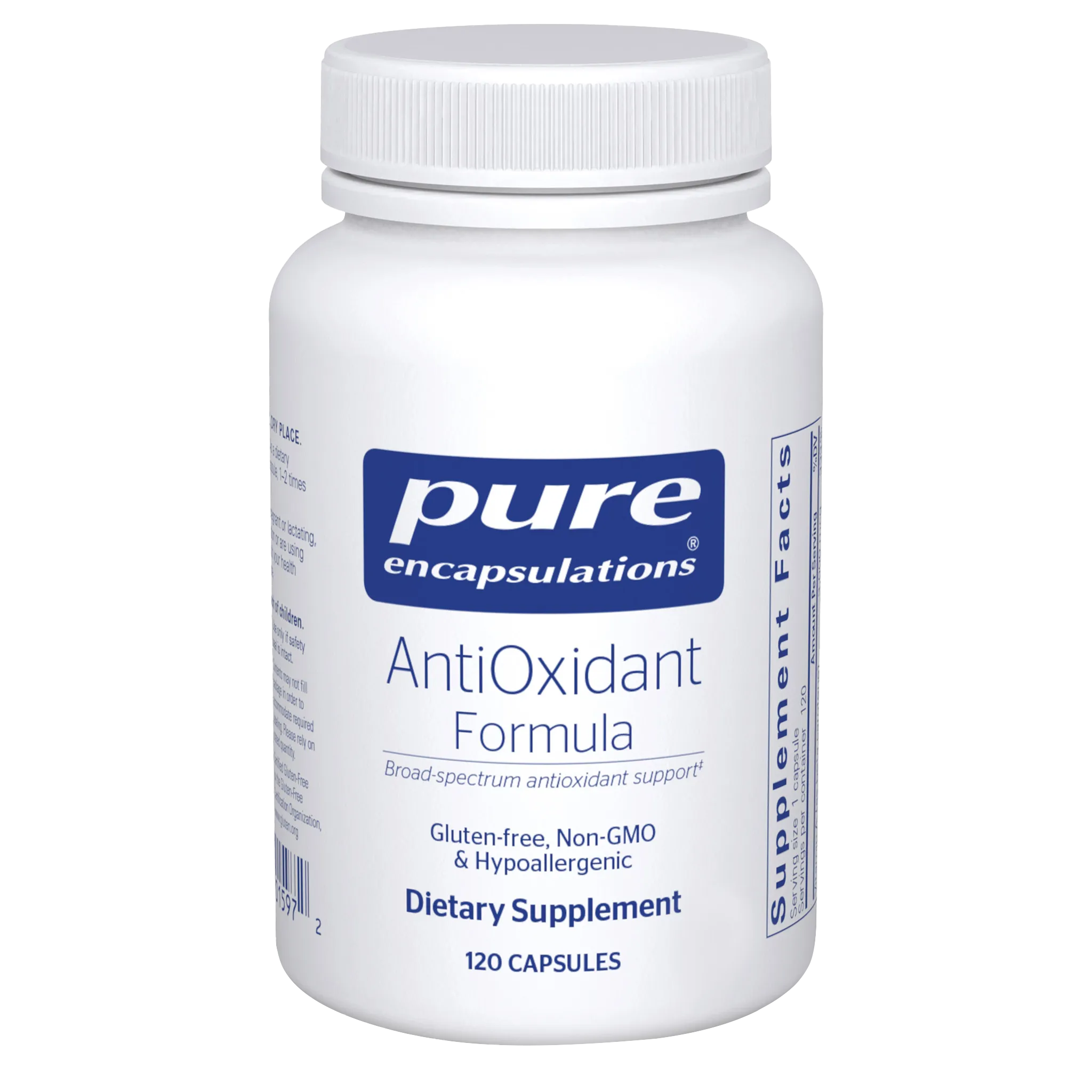
Recent clinical research has increasingly pointed to a central culprit behind these debilitating symptoms: persistent, unmanaged oxidative stress. When the body's natural defense mechanisms are overwhelmed by viral fragments, chronic inflammation, or immune dysregulation, cellular structures—particularly the energy-producing mitochondria—sustain heavy damage. This article explores how a comprehensive, synergistic AntiOxidant Formula may help neutralize this internal damage, support mitochondrial bioenergetics, and provide a foundational layer of physiological support for patients navigating complex chronic illness.
TL;DR
Oxidative stress and mitochondrial damage drive fatigue and brain fog in Long COVID and ME/CFS.
A synergistic antioxidant blend may help neutralize free radicals and support cellular energy production.
Ingredients like NAC and Milk Thistle support glutathione synthesis and reduce systemic inflammation.
Always consult your healthcare provider before starting new supplements to ensure safety and proper dosing.
What is the AntiOxidant Formula?
To understand the value of an antioxidant supplement, we must first understand how the body naturally defends itself at the molecular level. Every second of every day, your cells generate energy through a process called oxidative phosphorylation. A natural byproduct of this energy production is the creation of free radicals—atoms, ions, or molecules that possess one or more unpaired electrons. Because electrons strongly prefer to exist in pairs, these free radicals are highly unstable and reactive. In a healthy body, a moderate amount of these reactive oxygen species (ROS) is actually necessary for cellular signaling and immune defense against pathogens.
However, to prevent these free radicals from indiscriminately attacking healthy tissue, the body relies on an endogenous (internal) defense system. This system is primarily driven by three master antioxidant enzymes: superoxide dismutase (SOD), catalase, and glutathione peroxidase. These enzymes patrol the cellular environment, intercepting free radicals and safely neutralizing them before they can cause harm. When this delicate balance between free radical production and antioxidant defense is maintained, cells function optimally, and tissues remain healthy.
When a severe viral infection or chronic inflammatory state occurs, this balance is violently disrupted. The body produces an overwhelming surge of free radicals, rapidly depleting its natural stores of protective enzymes. This state, known as oxidative stress, allows unpaired electrons to bind to and destroy cellular compounds, including lipids, proteins, and DNA. Without sufficient antioxidant reserves, the cell's structural integrity is compromised, leading to widespread dysfunction.
Dietary antioxidants are external compounds that disarm free radicals through a brilliant mechanism: they voluntarily donate one of their own electrons to the unstable free radical. By 'pairing up' with the free electron, the antioxidant creates an innocuous cellular compound that the body can easily eliminate as waste. Crucially, a true antioxidant is stable enough to donate an electron without becoming a dangerous free radical itself. This electron donation halts the destructive chain reaction of oxidative damage in its tracks.
While taking a single antioxidant (like isolated Vitamin C) can be helpful, recent clinical research points to the fact that a synergistic combination of antioxidants is significantly more effective than the total effect of each antioxidant taken alone. Different antioxidants operate in different cellular compartments. For example, water-soluble antioxidants protect the fluid inside the cell, while fat-soluble antioxidants protect the lipid-rich cell membranes. A comprehensive AntiOxidant Formula provides a broad spectrum of these compounds, ensuring that all areas of the cell receive adequate protection.
Furthermore, antioxidants rely on one another to function continuously. When Vitamin E donates an electron to neutralize a free radical, it becomes temporarily inactive. It requires other nutrients, such as Vitamin C or specific B vitamins, to recycle it back into its active form. By providing a carefully calibrated blend of vitamins, minerals, and botanical extracts, a synergistic formula ensures that the body's antioxidant network remains robust, active, and capable of handling the intense oxidative burden seen in chronic illnesses.
How Long COVID and ME/CFS Impact Cellular Health
In conditions like Long COVID and ME/CFS, the primary site of oxidative damage is the mitochondria—the microscopic powerhouses responsible for generating adenosine triphosphate (ATP), the energy currency of the cell. During an acute viral infection, pathogens often hijack the host's cellular machinery, intentionally altering mitochondrial bioenergetics to favor viral replication. This disruption causes the mitochondrial electron transport chain to "leak" electrons, resulting in a massive overproduction of mitochondrial reactive oxygen species, often referred to as an "ROS storm".
This ROS storm is catastrophic for cellular energy. The excess free radicals attack the mitochondria's own lipid-rich membranes in a process called lipid peroxidation. As the membranes degrade, the mitochondria lose their ability to efficiently produce ATP. This severe energy impairment is a core reason why patients with ME/CFS and Long COVID experience debilitating fatigue and post-exertional malaise (PEM). The body simply cannot generate enough energy to meet even basic metabolic demands, and any physical or cognitive exertion further depletes the already damaged mitochondrial network. You can learn more about this connection in our article on how Long COVID can trigger ME/CFS.
Oxidative stress and chronic inflammation do not exist in isolation; they mutually reinforce one another in a vicious, self-perpetuating cycle. When excessive ROS damage cellular structures, the immune system interprets this damage as an ongoing threat. In response, it activates inflammatory pathways, such as the NF-κB transcription factor, which triggers the release of pro-inflammatory cytokines like IL-1β and IL-6. These cytokines then stimulate immune cells to produce even more free radicals, hoping to clear the perceived infection.
In Long COVID and MCAS, this loop becomes stuck in the "on" position. The continuous release of inflammatory mediators keeps the body in a state of high alert, exhausting its endogenous antioxidant reserves. This systemic inflammation can cross the blood-brain barrier, leading to neuroinflammation. The brain, which is highly metabolically active and uniquely vulnerable to oxidative damage, struggles to function under this stress. This neuroinflammatory state directly contributes to the severe cognitive deficits, memory issues, and concentration difficulties commonly labeled as "brain fog." We explore these immune mechanisms deeply in our guide to autoimmunity and immune dysregulation in Long COVID.
Another critical system impacted by unmanaged oxidative stress is the vascular endothelium—the delicate inner lining of your blood vessels. Excessive free radicals, particularly reactive nitrogen species, strip the endothelium of its protective properties. This oxidative damage impairs the production of nitric oxide, a molecule essential for keeping blood vessels relaxed and dilated. As a result, patients often experience vasoconstriction and poor blood flow, which exacerbates symptoms of dysautonomia and postural orthostatic tachycardia syndrome (POTS).
Furthermore, this endothelial injury triggers a clotting cascade. The damaged blood vessels release von Willebrand factor (vWF) and promote the formation of microthrombosis, or fibrin amyloid microclots. These tiny, persistent clots trap inflammatory molecules and physically block the microscopic capillaries, preventing oxygen and vital nutrients from reaching muscle tissues and organs. This localized oxygen deprivation (hypoxia) forces cells to rely on inefficient anaerobic metabolism, leading to a buildup of lactic acid and contributing to the severe muscle pain and heaviness frequently reported by patients.
AntiOxidant Formula: Supporting Cellular Energy and Immune Function
To combat the profound oxidative damage seen in complex chronic illnesses, a multi-targeted approach is required. One of the most critical components of this AntiOxidant Formula is N-acetyl-l-cysteine (NAC). NAC is a highly bioavailable precursor to glutathione, the body's master intracellular antioxidant. In conditions like Long COVID and ME/CFS, intracellular glutathione levels are rapidly exhausted as the body desperately tries to neutralize the ROS storm. Because oral glutathione is often poorly absorbed in the gut, providing the body with NAC allows cells to synthesize their own glutathione directly where it is needed most.
Beyond glutathione replenishment, NAC possesses unique properties that directly address Long COVID pathology. It acts as a potent mucolytic, breaking the disulfide bonds in thick respiratory mucus to ease shortness of breath. Furthermore, recent clinical data suggests that NAC provides vital endothelial protection. By dampening the overactive immune response and reducing circulating levels of von Willebrand factor, NAC may help inhibit the formation of microclots, thereby restoring proper microvascular blood flow and oxygen delivery to oxygen-starved tissues.
The formula also features Milk Thistle extract (Silybum marianum), standardized to provide its active flavonoid complex, silymarin. While traditionally known for liver support, silymarin is a profound modulator of systemic oxidative stress. It works primarily by activating the Nrf2 transcription factor, often called the "master regulator" of antioxidant defense. When activated, Nrf2 travels to the cell's nucleus and upregulates the genetic expression of the body's innate cytoprotective enzymes, including superoxide dismutase (SOD) and catalase.
In the context of ME/CFS and Long COVID, silymarin's ability to inhibit the NF-κB inflammatory pathway is crucial. By blocking this pathway, silymarin prevents the downstream release of pro-inflammatory cytokines that drive systemic pain and fatigue. Additionally, following a viral infection, the liver often struggles to efficiently convert carbohydrates into glycogen, leading to profound energy crashes. Silymarin protects hepatic cells from oxidative damage, ensuring the liver can maintain stable energy reserves for the body to draw upon during physical or cognitive exertion.
Mitochondrial energy production relies heavily on specific micronutrients to function. Riboflavin (Vitamin B2) is converted inside the cell into flavin adenine dinucleotide (FAD), a cofactor strictly required for Complex I and Complex II of the mitochondrial electron transport chain. Without adequate riboflavin, the mitochondria cannot pass electrons efficiently, leading to a halt in ATP production. Furthermore, the enzyme responsible for recycling oxidized glutathione back into its active form is highly dependent on FAD, making riboflavin essential for sustained antioxidant defense.
Zinc and Selenium serve as structural anchors for the body's most powerful antioxidant enzymes. Zinc is a vital cofactor for Copper/Zinc Superoxide Dismutase (Cu/Zn-SOD), which neutralizes highly toxic superoxide radicals within the mitochondrial intermembrane space. Zinc also possesses direct antiviral properties, helping to inhibit viral replication. Selenium is incorporated into selenoproteins, most notably Glutathione Peroxidase (GPx). GPx is concentrated around the mitochondria, where it safely converts destructive hydrogen peroxide into water, maintaining mitochondrial membrane integrity and preventing lipid peroxidation.
Because the mitochondria are encased in lipid (fat) membranes, they require fat-soluble antioxidants for protection. The formula includes Vitamin A (as beta carotene), Vitamin E (as d-alpha tocopherol succinate), and a proprietary mixed carotenoid blend (lutein, lycopene, and zeaxanthin). These compounds embed themselves directly into the cellular and mitochondrial membranes. When free radicals attempt to steal electrons from the membrane's structural fats, Vitamin E and the carotenoids intercept the attack, halting the chain reaction of lipid peroxidation.
This lipid-level protection is what allows the mitochondria to physically survive the ROS storms associated with post-viral syndromes. By combining water-soluble antioxidants (like NAC and Riboflavin) to protect the cellular fluid, with fat-soluble antioxidants (like Vitamin E and Carotenoids) to protect the cellular walls, this synergistic formula provides comprehensive, 360-degree defense against the oxidative stress driving chronic illness symptoms.

Symptoms This Synergistic Blend May Help Manage
Because oxidative stress impacts nearly every system in the body, replenishing your antioxidant defenses can have a wide-ranging impact on your daily quality of life. While supplements are not cures, clinical research and patient experiences suggest that a synergistic antioxidant blend may help manage several debilitating symptoms associated with Long COVID, ME/CFS, and dysautonomia:
Brain Fog and Cognitive Impairment: By reducing neuroinflammation and supporting the synthesis of brain glutathione via NAC, antioxidants help protect delicate neural pathways, potentially improving memory, focus, and executive function.
Severe Fatigue and Post-Exertional Malaise (PEM): By protecting the mitochondrial electron transport chain from lipid peroxidation, nutrients like Riboflavin, Selenium, and Vitamin E support more efficient cellular ATP production, helping to raise your baseline energy levels and reduce the severity of crashes.
Shortness of Breath and Respiratory Issues: The mucolytic properties of NAC help break down thick respiratory secretions, while the anti-inflammatory effects of silymarin (Milk Thistle) help soothe irritated lung tissue left behind by viral infections.
Muscle and Joint Pain: By neutralizing the free radicals that trigger the NF-κB inflammatory cascade, synergistic antioxidants help lower systemic pro-inflammatory cytokines, which may alleviate widespread muscular aching and joint stiffness.
Dysautonomia and POTS Symptoms: By protecting the vascular endothelium from oxidative damage and supporting healthy nitric oxide production, antioxidants help maintain proper blood vessel dilation and circulation, potentially reducing dizziness and heart rate fluctuations.
Practical Considerations: Forms, Dosing, and Absorption
When incorporating a comprehensive supplement like the AntiOxidant Formula into your routine, understanding how to maximize its absorption is key. Because this formula contains a blend of both water-soluble nutrients (like Riboflavin and NAC) and fat-soluble nutrients (like Vitamins A, E, and mixed carotenoids), it is highly recommended to take the capsules with a meal that contains healthy fats. Fats from foods like avocado, olive oil, or nuts stimulate the release of bile, which is necessary for the intestinal absorption of lipid-soluble antioxidants. Taking the supplement on an empty stomach may result in the poor absorption of these critical membrane-protecting vitamins.
The synergistic design of this formula also means that the ingredients actively support one another's bioavailability. For instance, the presence of Selenium and Riboflavin ensures that the glutathione produced by the NAC can be continuously recycled and utilized by the body. This interconnected network prevents any single antioxidant from becoming depleted too quickly, providing a sustained defense against oxidative stress throughout the day.
The suggested use for this pure encapsulations formula is 1 capsule taken 1 to 2 times daily with meals, or as directed by a healthcare professional. For patients dealing with the severe oxidative burden of Long COVID or ME/CFS, dividing the dose (taking one capsule in the morning and one in the evening) is often the most effective strategy. Many antioxidants, particularly NAC, have a relatively short half-life in the bloodstream. By splitting the dosage, you maintain a more consistent level of free radical scavenging activity, preventing the "peaks and valleys" that can leave cells vulnerable to damage between doses.
It is important to remember that repairing deep cellular and mitochondrial damage takes time. While some patients may notice subtle improvements in respiratory clearance or cognitive clarity within a few weeks, rebuilding robust intracellular glutathione levels and repairing lipid membranes typically requires consistent supplementation over 3 to 6 months. Tracking your symptoms and energy envelopes during this period is crucial for evaluating the supplement's efficacy.
While the ingredients in this formula are generally well-tolerated, there are important safety considerations. NAC can have mild blood-thinning properties and may interact with anticoagulant medications or bleeding disorders. Milk Thistle is a potent modulator of liver enzymes (specifically the cytochrome P450 system), which means it can alter the speed at which your body metabolizes certain prescription medications. If you are taking medications for dysautonomia, MCAS (such as ketotifen), or other chronic conditions, you must discuss this supplement with your prescribing doctor to ensure there are no contraindications.
Additionally, when introducing powerful antioxidants and mitochondrial supports, some patients with ME/CFS or Long COVID may experience a temporary exacerbation of symptoms, sometimes referred to as a "detox reaction" or Herxheimer reaction. As cellular metabolism "wakes up" and begins clearing accumulated waste products, you may feel increased fatigue or mild body aches. Starting with a lower dose (one capsule daily) and slowly titrating up under medical supervision can help mitigate these initial adjustment periods.

Follow the Science
The clinical evidence supporting the use of antioxidants for post-viral syndromes has grown exponentially. A highly publicized cohort study conducted by researchers at the Yale School of Medicine investigated the use of NAC (combined with guanfacine) for the treatment of Long COVID neurocognitive symptoms, commonly known as brain fog. The researchers hypothesized that NAC's robust antioxidant and anti-inflammatory properties could protect neural regions from stress, mimicking treatments used for traumatic brain injury. The study found that the combined therapy was successful in relieving brain fog for their small cohort of patients.
Further supporting NAC's efficacy, a multi-center, randomized, placebo-controlled trial evaluated the long-term impact of oral NAC on post-COVID recovery. Patients receiving 600 mg of NAC twice daily for six months showed a statistically significant acceleration in respiratory recovery and overall health-related quality of life compared to the placebo group.
The connection between oxidative stress and profound fatigue is no longer just a theory. A landmark 2024/2025 study published in the Proceedings of the National Academy of Sciences (PNAS) compared peripheral blood lymphocytes in Long COVID donors, ME/CFS donors, and healthy controls. The researchers discovered that both Long COVID and ME/CFS patients exhibited severe oxidative stress, reduced ATP levels, and a decrease in protective mitochondrial enzymes.
Fascinatingly, the study revealed striking sex-specific differences in how this oxidative damage manifests. Female patients exhibited significantly higher total ROS levels and hyperproliferation of immune T-cells, while male patients showed pronounced mitochondrial lipid oxidative damage despite normal total ROS levels. Both groups showed elevated levels of glutathione as a compensatory, yet ultimately insufficient, antioxidant response. This data firmly establishes that targeted antioxidant therapy is a biologically sound intervention for repairing the specific cellular damage seen in these patient populations.
The inclusion of Milk Thistle (silymarin) in antioxidant protocols is backed by robust statistical data. A comprehensive systematic review and meta-analysis evaluating silymarin's impact on systemic inflammation found profound results. Silymarin supplementation significantly decreased C-Reactive Protein (CRP), a primary clinical marker of systemic inflammation. It also significantly reduced malondialdehyde (MDA), a direct marker of oxidative stress and lipid peroxidation.
Furthermore, the meta-analysis showed that silymarin massively upregulated the body's endogenous antioxidant enzymes, significantly increasing both Superoxide Dismutase (SOD) and Glutathione Peroxidase (GPx). By simultaneously lowering inflammatory markers and boosting the body's innate defense mechanisms, silymarin provides a dual-action approach to managing the complex pathophysiology of post-viral fatigue and immune dysregulation.
The Path Forward
Living with a complex chronic illness like Long COVID, ME/CFS, or dysautonomia is an exhausting, unpredictable journey. It is completely valid to feel overwhelmed by the sheer number of symptoms you manage daily. While the science behind oxidative stress and mitochondrial dysfunction is complex, it offers a deeply validating truth: your symptoms are rooted in measurable, physiological cellular damage, not anxiety or deconditioning. By understanding the mechanisms driving your illness, you can make informed, targeted decisions about your care.
It is vital to remember that no single supplement is a cure-all. The AntiOxidant Formula is designed to be one foundational pillar within a comprehensive management strategy. Rebuilding cellular energy and neutralizing ROS storms must be paired with aggressive pacing, careful symptom tracking, and nervous system regulation. If you continue to push through post-exertional malaise, you will generate more free radicals than any supplement can neutralize. True recovery requires creating an environment where your cells have the resources and the rest they need to repair themselves.
Because these conditions involve intricate immune and autonomic dysregulation, adding new supplements to your regimen should always be done collaboratively with a knowledgeable healthcare provider. A physician who understands post-viral illnesses can help you navigate potential medication interactions, order specific lab tests to diagnose Long COVID biomarkers (like CRP or vWF), and tailor your dosage to your specific metabolic needs.
If you and your medical team determine that addressing oxidative stress and supporting mitochondrial health is the right next step for your treatment plan, a synergistic blend of NAC, Milk Thistle, Selenium, and essential vitamins may provide the comprehensive cellular defense your body is fighting for.
Sources
Antioxidant effects and mechanism of silymarin in oxidative stress
Oxidative Stress-Related Mechanisms in SARS-CoV-2 Infections
Potential New Treatment for "Brain Fog" in Long COVID Patients
Efficacy of N-acetylcysteine on long-term health-related quality of life in patients with COVID-19
Normalization of von Willebrand factor with N-acetylcysteine in Long COVID
Oxidative stress is a shared characteristic of ME/CFS and Long COVID
The Impact of Silymarin on Inflammation and Oxidative Stress: A Systematic Review and Meta-Analysis
Post-COVID Condition and Neuroinflammation: Possible Management with Antioxidants