Can Geranylgeraniol (GG) Support Muscle Health and Energy in Long COVID?
March 5, 2026
GeranylgeraniolLong COVIDME/CFS
Share:
Disclaimer: The information provided here is for educational purposes only and is not intended as medical advice. It should not be used to diagnose, treat, cure, or prevent any medical condition. Instead, use it as a starting point for discussion with your healthcare provider. Always consult with a qualified healthcare provider before starting any new medication, supplement, device, or making changes to your health regimen.
Months or even years after a viral infection, many individuals find themselves battling a complex web of debilitating symptoms—crushing fatigue, severe muscle weakness, and a profound lack of cellular energy. For those living with Long COVID, myalgic encephalomyelitis/chronic fatigue syndrome (ME/CFS), and dysautonomia, this exhaustion is not simply "being tired." It is a physiological energy crisis rooted deep within the cells. As researchers continue to unravel the mechanisms behind these invisible illnesses, one area of intense focus is mitochondrial dysfunction and the biochemical pathways that fuel our cellular powerhouses.
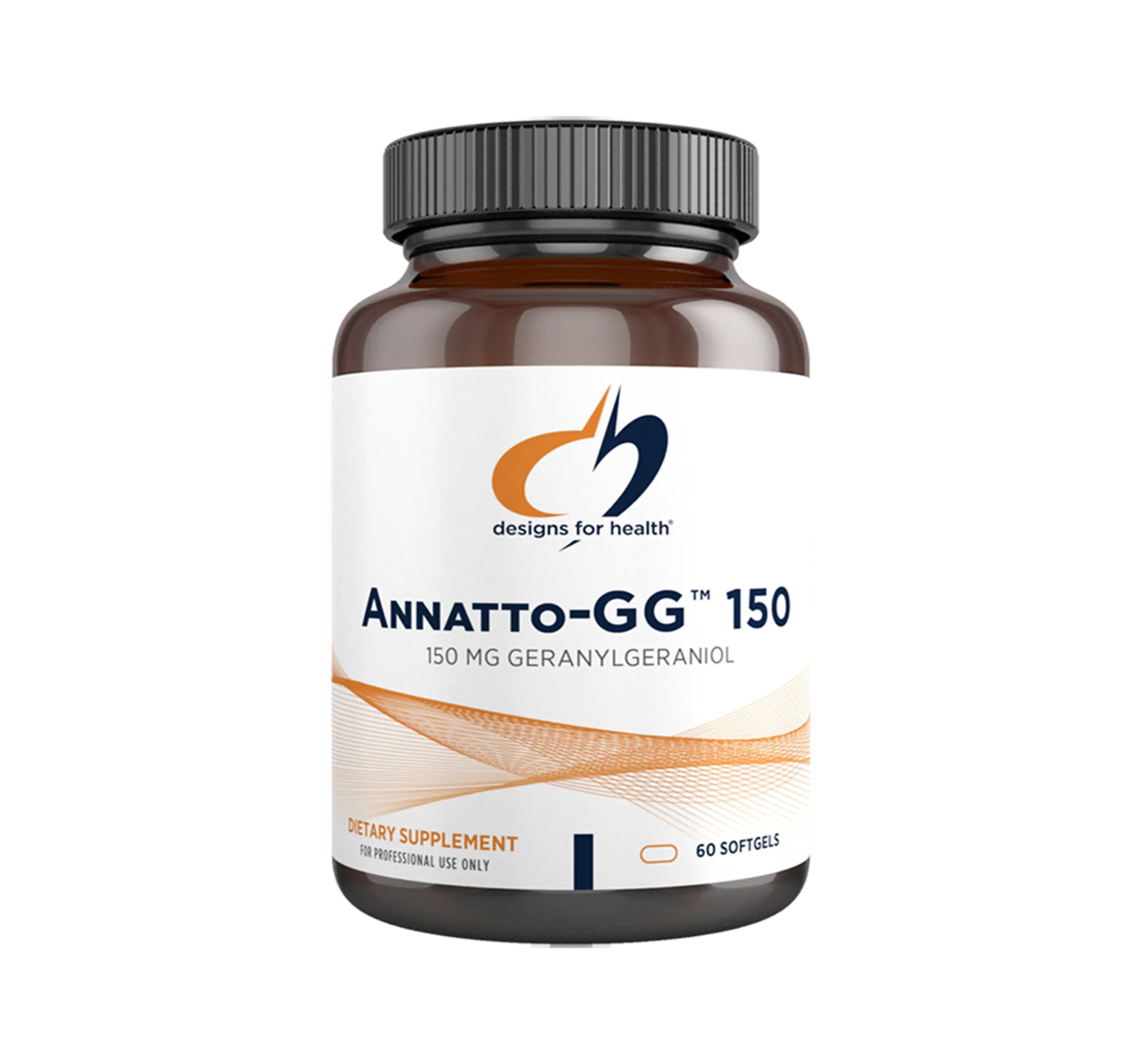
In the search for answers, functional medicine has begun looking beyond traditional supplements to the foundational building blocks of cellular health. Enter geranylgeraniol (GG), a naturally occurring compound that plays an indispensable role in how our bodies generate energy, maintain muscle integrity, and regulate hormones. While standard CoQ10 supplements have long been recommended for fatigue, GG offers a fascinating "upstream" approach—providing the exact raw materials the body needs to synthesize its own CoQ10 natively. This article explores the deep science behind Annatto-GG™ 300, detailing how this unique isoprenoid compound supports the mevalonate pathway, combats medication-induced muscle myopathy, and offers a novel strategy for managing the profound energy deficits seen in complex chronic conditions.
TL;DR
Geranylgeraniol (GG) is a natural compound that supports cellular energy and native CoQ10 production.
GG may help manage fatigue and muscle weakness associated with chronic conditions and statin use.
Supplementing with GG bypasses absorption issues of traditional CoQ10, directly fueling mitochondrial health.
Always consult your healthcare provider before adding new supplements to your chronic illness management plan.
What is Geranylgeraniol (GG)?
The Mevalonate Pathway and Cellular Synthesis
Geranylgeraniol (GG) is an endogenous isoprenoid compound, meaning it is naturally synthesized within the human body. To understand its profound importance, we must first look at the mevalonate pathway—a fundamental metabolic sequence responsible for producing cholesterol, steroid hormones, Coenzyme Q10 (CoQ10), and various cellular signaling proteins. Within this pathway, the body converts a molecule called HMG-CoA into mevalonate, which is then synthesized downstream into farnesyl pyrophosphate (FPP) and eventually geranylgeranyl pyrophosphate (GGPP). GG is the alcohol form of this crucial intermediate, acting as an essential building block for multiple downstream life-sustaining processes.
At the molecular level, GG is perhaps best known as the obligate substrate for the endogenous synthesis of CoQ10. CoQ10 is a vital lipid-soluble antioxidant and an indispensable component of the mitochondrial electron transport chain, where the body produces adenosine triphosphate (ATP)—the primary energy currency of the cell. Without sufficient GG, the body physically cannot construct the tail structure of the CoQ10 molecule. Research indicates that supplying the body with exogenous GG directly fuels this pathway, allowing cells to manufacture their own CoQ10 natively rather than relying entirely on dietary or supplemental CoQ10 sources, which often struggle to penetrate the mitochondrial membrane.
The Mechanics of Protein Prenylation
Beyond energy production, GG is absolutely critical for a cellular process known as protein prenylation (specifically, geranylgeranylation). In simple terms, protein prenylation is the process of attaching a lipid "anchor" to a protein. Many essential signaling proteins in the body—such as the small GTPases Rap1, RhoA, and Rab—are produced in a water-soluble form floating in the cell's cytoplasm. However, to do their jobs, these proteins must be attached to the inner surface of the cell membrane. GG provides the lipid tail that anchors these proteins to the membrane, allowing them to facilitate cell signaling, muscle fiber maintenance, DNA repair, and cellular survival mechanisms.
When the body lacks sufficient GG, these critical proteins remain unanchored and inactive. This leads to a breakdown in cellular communication and structural integrity, particularly in highly demanding tissues like skeletal muscle. By maintaining adequate levels of GG, the body ensures that these microscopic signaling networks remain intact, preserving muscle mass and helping to prevent the degradation of cellular infrastructure.
Endogenous Hormone and Vitamin K2 Production
GG also plays a surprisingly central role in the regulation of steroid hormones and bone health. The transport of cholesterol into the mitochondria is the rate-limiting step of steroidogenesis (the creation of hormones like testosterone). GG supports the prenylation of signaling proteins required for luteinizing hormone-mediated testosterone synthesis.
Furthermore, GG is the specific structural side-chain required to synthesize Menaquinone-4 (MK-4), the highly active, endogenous form of Vitamin K2. The human body utilizes an enzyme called UBIAD1 to convert dietary Vitamin K1 into MK-4, a nutrient essential for directing calcium into the bones and teeth rather than allowing it to calcify in the arteries. Because the side chain of MK-4 is literally a geranylgeranyl group, an endogenous deficiency in GG creates a biological bottleneck.
How Chronic Illness and Medications Impact the Mevalonate Pathway
Mitochondrial Dysfunction in Post-Viral Syndromes
Complex chronic conditions like Long COVID and myalgic encephalomyelitis/chronic fatigue syndrome (ME/CFS) are characterized by profound, debilitating exhaustion that worsens with physical or cognitive effort—a phenomenon known as post-exertional malaise (PEM). Emerging research suggests that this energy crisis is deeply rooted in mitochondrial dysfunction. When the body is subjected to severe viral infections, chronic inflammation, or immune dysregulation, the mitochondria (the cellular powerhouses) can become damaged or hijacked. Recent studies have explored novel biomarkers of mitochondrial dysfunction in Long COVID patients.
This mitochondrial impairment directly impacts the mevalonate pathway. Chronic oxidative stress and systemic inflammation can downregulate the enzymes responsible for synthesizing endogenous isoprenoids like GG and CoQ10. When GG levels plummet, the body loses its ability to manufacture the CoQ10 necessary to run the electron transport chain. This creates a vicious cycle: damaged mitochondria produce less energy and more oxidative free radicals, which further depletes the body's antioxidant reserves and suppresses the mevalonate pathway, leading to even lower levels of GG and CoQ10. This biochemical gridlock is a primary driver of the severe, unyielding fatigue experienced by those living with Long-Term COVID.
The Impact of Statins and Medication-Induced Depletion
The depletion of GG is heavily exacerbated by certain widely prescribed medications, most notably statins and bisphosphonates. Statins are prescribed to lower cholesterol by inhibiting HMG-CoA reductase, the enzyme at the very top of the mevalonate pathway. While highly effective for cardiovascular health, statins indiscriminately block the downstream synthesis of all isoprenoids, including GG. This "collateral depletion" is the primary cause of Statin-Associated Muscle Symptoms (SAMS), a condition characterized by severe muscle pain, cramping, and weakness that affects up to 30% of statin users. For patients already battling the symptoms of Long COVID, statin-induced GG depletion can severely amplify muscle fatigue and physical intolerance.
Similarly, nitrogen-containing bisphosphonates (used to treat osteoporosis) intentionally block the mevalonate pathway further downstream by inhibiting an enzyme called FPP synthase. In the context of chronic illness, where patients may be on multiple overlapping pharmaceutical regimens, the iatrogenic (medication-induced) depletion of GG represents a massive, often overlooked barrier to cellular recovery and muscle maintenance.
Muscle Atrophy and the Atrogin-1 Enzyme
When the body is deprived of GG, whether through chronic illness, aging, or medication, skeletal muscle tissue suffers immensely. The lack of GG halts the critical process of protein prenylation, meaning muscle cells can no longer anchor the signaling proteins required for repair and maintenance. This biological failure triggers a massive upregulation of a muscle-specific enzyme called atrogin-1 (a ubiquitin E3 ligase). Atrogin-1 is explicitly responsible for muscle protein degradation and atrophy.
In human and animal studies, the suppression of the mevalonate pathway has been shown to increase atrogin-1 expression by 100% to 400%. This leads to rapid muscle fiber loss, structural abnormalities, and up to a 35% reduction in muscle force. For patients with ME/CFS or dysautonomia, who already struggle with muscle deconditioning due to exercise intolerance, this chemically induced muscle wasting creates an insurmountable hurdle. The body is actively breaking down its own muscle tissue because it lacks the GG required to signal cellular survival and repair. Understanding what causes Long COVID fatigue requires looking at these exact microscopic pathways of muscle degradation.
Geranylgeraniol: Supporting Muscle Function and Cellular Energy
Bypassing the Statin Blockade
Supplementing with Annatto-GG™ 300 offers a highly targeted, mechanistic approach to restoring the disrupted mevalonate pathway. Because GG is introduced downstream from the HMG-CoA reductase enzyme, it effectively bypasses the pharmacological blockade created by statin medications. This "add-back" mechanism is revolutionary for cellular health. It allows patients to maintain the cholesterol-lowering benefits of their prescribed medications while simultaneously rescuing their muscle tissue from isoprenoid starvation. Research discusses the potential role of geranylgeraniol in managing statin-associated muscle symptoms from a COVID-19 related perspective.
By bypassing this enzymatic roadblock, GG supplementation directly turns off the muscle-wasting signals that plague chronic illness patients. In vitro studies on C2C12 muscle cells have shown that adding GG successfully protects myoblasts from statin-dependent cytotoxicity. Specifically, GG supplementation was shown to reduce statin-induced atrogin-1 expression by 65%, completely reversing muscle fiber loss and restoring the prenylation of RAP1 GTPase. This means the body can once again anchor its repair proteins to the cell membrane, halting muscle atrophy and promoting the regeneration of healthy skeletal muscle tissue.
Fueling Endogenous CoQ10 Synthesis
One of the most profound therapeutic angles of GG supplementation is its ability to restore mitochondrial energy production by fueling endogenous CoQ10 synthesis. While many patients with Long COVID or ME/CFS take oral CoQ10 supplements, these large, lipophilic molecules have notoriously poor bioavailability, often struggling to cross the cellular and mitochondrial membranes. GG, however, has a molecular weight roughly one-third that of CoQ10. It diffuses effortlessly across lipid bilayers and enters the cellular organelles where it is needed most.
Once inside the cell, GG acts as the raw fuel for the body's native CoQ10 manufacturing process. Instead of attempting to force exogenous CoQ10 into the mitochondria, GG provides the exact substrate the body needs to synthesize its own CoQ10 directly at the site of the electron transport chain. This endogenous production is vastly more efficient at restoring ATP concentrations and rescuing mitochondrial respiration. By rebuilding the cellular energy grid from the inside out, GG helps combat the profound, crushing fatigue that leaves many wondering how long Long COVID lasts.
Rescuing Bone Health and Cellular Autophagy
In addition to muscle and energy support, GG supplementation plays a vital role in rescuing bone health, particularly for those suffering from bisphosphonate toxicity. A 2019 in vitro study by Fliefel et al. explored GGOH as a mevalonate pathway activator in the rescue of bone cells treated with Zoledronic Acid. By fueling the UBIAD1 enzyme, GG also ensures the continuous synthesis of Vitamin K2 (MK-4), which is critical for maintaining bone mineral density and helping to prevent arterial calcification.
Furthermore, GG has been shown to stimulate cytoprotective autophagy—the cellular "recycling" process where the body clears out damaged proteins and dysfunctional mitochondria. In the context of post-viral syndromes, where cells are often littered with viral debris and oxidative damage, this enhanced autophagy is crucial for cellular renewal. By upregulating autophagy markers like Beclin 1 and MAP LC-3IIb, GG helps the body clean house, reducing systemic inflammation and paving the way for the regeneration of healthy, highly functional cells.
Symptoms Annatto-GG™ 300 May Help Manage
Targeting Cellular Exhaustion
Based on its mechanisms of action within the mevalonate pathway, Annatto-GG™ 300 targets several specific symptoms associated with chronic illness, aging, and medication use. By addressing the root cause of mitochondrial dysfunction, it provides foundational support for systemic energy recovery:
Severe Fatigue and Post-Exertional Malaise (PEM): By acting as the direct precursor for endogenous CoQ10 synthesis, GG helps restore mitochondrial ATP production, combating the deep cellular energy deficits that drive chronic fatigue and PEM.
Brain Fog and Cognitive Dysfunction: The brain requires massive amounts of ATP to function. By supporting mitochondrial respiration and endogenous CoQ10 production, GG may help clear the cognitive exhaustion and neuroinflammation associated with Long COVID brain fog.
Low Libido and Hormonal Imbalance: GG supports the prenylation of signaling proteins required for steroidogenesis, helping to naturally regulate and support healthy testosterone production, which often declines with age and chronic stress.
Rescuing Muscle and Bone Integrity
In addition to energy production, GG's role in protein prenylation and vitamin synthesis makes it highly effective for managing structural and musculoskeletal symptoms:
Statin-Associated Muscle Pain (Myalgia): GG directly bypasses the statin blockade, restoring the geranylgeranyl pyrophosphate (GGPP) needed to help prevent muscle cell death and alleviate medication-induced muscle aching and cramping.
Muscle Weakness and Atrophy: By restoring protein prenylation and suppressing the muscle-destroying enzyme atrogin-1, GG helps maintain muscle mass, structural integrity, and physical strength, which are often lost during prolonged chronic illness.
Bone Density Loss: By fueling the UBIAD1 enzyme, GG ensures the endogenous synthesis of Vitamin K2 (MK-4), which is critical for directing calcium into the bones and preventing medication-related osteonecrosis.
Practical Considerations: Forms, Dosing, and Absorption
Bioavailability and Cellular Absorption
When considering supplementation for mitochondrial health, bioavailability is often the deciding factor between clinical success and failure. For decades, the standard protocol for statin myopathy and chronic fatigue has been oral CoQ10 supplementation. However, extensive clinical trials have shown that oral CoQ10 has highly limited gastrointestinal absorption (often less than 2%). Because of its large molecular weight and lipophilic nature, even massive doses of CoQ10 struggle to penetrate the cell membrane and enter the mitochondria.
Geranylgeraniol solves this bioavailability crisis. With a molecular weight roughly one-third that of CoQ10, GG diffuses easily across cell membranes and into cellular organelles. Annatto-GG™ 300 utilizes GG-Gold®, a patented form of GG extracted from the seeds of the annatto plant (Bixa orellana). This highly purified, plant-derived extract ensures that the active isoprenoids remain stable and highly absorbable. Once inside the cell, GG acts as raw material, allowing the body to synthesize its own CoQ10 directly within the mitochondria, completely bypassing the absorption limitations of traditional CoQ10 supplements.
Optimal Dosing and Timing
Clinical research and functional medicine protocols have helped establish clear dosing guidelines for GG. Annatto-GG™ 300 provides a potent 300 mg dose of trans-geranylgeraniol per softgel. Because GG is a lipid-soluble compound, it is highly recommended to take the softgel with a meal that contains healthy fats (such as olive oil, avocado, or nuts) to maximize gastrointestinal absorption.
For patients managing complex chronic conditions, the timing of effects can vary. While some individuals may notice improvements in energy and a reduction in muscle aching within a few weeks, cellular repair takes time. Rebuilding mitochondrial density, restoring protein prenylation, and reversing muscle atrophy is a gradual biochemical process. Practitioners generally recommend consistent daily supplementation for at least 8 to 12 weeks to allow the endogenous synthesis of CoQ10 and MK-4 to reach therapeutic levels and for structural muscle changes to become clinically apparent.
Safety, Interactions, and Contraindications
Geranylgeraniol has demonstrated an excellent safety profile in human trials. An 8-week, randomized, double-blind, placebo-controlled human trial investigated the systemic effects of escalating doses of annatto-derived GG. The study concluded that GG is highly safe, showing no adverse alterations in comprehensive metabolic panels, liver enzymes, blood chemistry, or hematology. Furthermore, animal studies have shown that GG may help prevent statin-induced skeletal muscle fatigue without interfering with the statin's therapeutic ability to lower serum cholesterol or causing adverse effects on cardiovascular function.
However, as with any potent biochemical precursor, there are practical considerations. Because GG influences the mevalonate pathway and steroidogenesis, individuals with hormone-sensitive conditions should consult their healthcare provider before initiating supplementation. Additionally, while GG is specifically used to rescue cells from bisphosphonate and statin toxicity, patients actively undergoing treatment for certain cancers or taking specialized metabolic inhibitors should have their prescribing physician review the supplement to ensure it does not conflict with their specific oncological or pharmacological protocols. Always discuss new supplements with your doctor, especially when managing a complex illness or asking how a doctor diagnoses Long COVID.
Follow the Science: Clinical Evidence for GG
Clinical Trials on Statin-Associated Myopathy
The scientific literature surrounding geranylgeraniol is rapidly expanding, particularly regarding its ability to rescue muscle tissue from pharmacological damage. A key 2023 paper published in Frontiers in Physiology by Kok-Yong Chin discusses the potential role of geranylgeraniol in managing statin-associated muscle symptoms from a COVID-19 related perspective.
This preclinical data is currently being put to the test in human trials. Texas Tech University Health Sciences Center is conducting an ongoing 12-week, randomized, placebo-controlled clinical trial testing annatto-derived GG on adults experiencing new-onset statin muscle pain. The study measures muscle performance and symptom relief across three arms: Placebo, Low-Dose GG (150 mg/day), and High-Dose GG (300 mg/day).
Research on Hormonal Support and Bone Health
Beyond muscle rescue, recent clinical trials have validated GG's role in supporting endocrine and skeletal health.
In the realm of bone health, research strongly supports GG as an independent bone-protecting agent. Furthermore, studies on human osteoblasts have proven that direct application of GG effectively bypasses bisphosphonate blockades, restoring cell viability and helping to prevent medication-related osteonecrosis.
Emerging Applications for Post-Viral Syndromes
While large-scale, double-blind RCTs exclusively testing GG for Long COVID or ME/CFS are still pending, the mechanistic overlap is undeniable. Recent research into ME/CFS and Long COVID has identified severe CD8 T-cell dysfunction and profound mitochondrial impairment as core drivers of symptom severity. Because these conditions involve deep tissue inflammation and ATP deficits, functional medicine experts are increasingly utilizing GG to intervene precisely in the heart of isoprenoid biochemistry. By stimulating cellular energy production and rebuilding muscle structural health, GG offers a biologically plausible, highly targeted intervention for the severe fatigue that leaves many patients wondering if Long COVID is considered a disability.
The Path Forward
Validating Your Experience
Living with a complex chronic condition like Long COVID, ME/CFS, or dysautonomia often feels like an endless battle against your own biology. The profound fatigue, muscle weakness, and cognitive exhaustion are not in your head—they are the result of microscopic cellular gridlock and mitochondrial dysfunction. Validating this physiological reality is the first step toward reclaiming your health. While there is no single miracle cure for these intricate syndromes, understanding and supporting the foundational biochemical pathways of your body can lead to meaningful improvements in your quality of life.
A Comprehensive Approach to Healing
Annatto-GG™ 300 represents a cutting-edge approach to cellular restoration. By bypassing enzymatic blockades and providing the exact raw materials needed for endogenous CoQ10 synthesis, protein prenylation, and hormone regulation, geranylgeraniol addresses fatigue and muscle atrophy at their root source. However, supplements are most effective when utilized as part of a comprehensive, multi-disciplinary management strategy. Pacing, aggressive rest, symptom tracking, and working closely with a medical team familiar with the drugs used for COVID long haulers are all essential components of the healing journey.
If you are struggling with relentless fatigue, medication-induced muscle pain, or the unpredictable nature of post-viral syndromes, it may be time to look deeper into your cellular health. Always consult with your healthcare provider before adding new supplements to your regimen to ensure they align with your specific medical needs and treatment goals. With the right tools and targeted nutritional support, you can help your cells rebuild, repair, and generate the energy you need to move forward.