Can Annatto-E/GG Support Energy and Muscle Recovery in Long COVID and ME/CFS?
March 5, 2026
Annatto-E/GGLong COVIDME/CFS
Share:
Disclaimer: The information provided here is for educational purposes only and is not intended as medical advice. It should not be used to diagnose, treat, cure, or prevent any medical condition. Instead, use it as a starting point for discussion with your healthcare provider. Always consult with a qualified healthcare provider before starting any new medication, supplement, device, or making changes to your health regimen.
Months or even years after recovering from an initial viral infection, many individuals find themselves fighting a daily, exhausting battle against debilitating symptoms. The profound muscle fatigue, unpredictable energy crashes, and persistent brain fog associated with Long COVID and myalgic encephalomyelitis/chronic fatigue syndrome (ME/CFS) can make simply getting out of bed feel like running a marathon. For patients navigating these invisible illnesses, the frustration of normal lab results paired with a profound loss of functional capacity is a heavy burden to bear. You are not alone in this experience, and your symptoms are rooted in very real, measurable physiological disruptions at the cellular level.
Emerging research into post-viral syndromes has increasingly pointed toward severe oxidative stress, mitochondrial dysfunction, and disrupted cellular signaling as key drivers of these relentless symptoms. When the microscopic powerhouses of your cells cannot produce enough energy, or when your muscle tissues are starved of essential biochemical building blocks, the entire body struggles to function. This is where targeted nutritional support, specifically with advanced compounds like Annatto-E/GG, comes into play. By combining highly bioavailable tocotrienols with geranylgeraniol (GG), this unique formulation aims to bypass metabolic roadblocks, restore endogenous energy production, and protect vulnerable tissues from ongoing inflammatory damage.
TL;DR
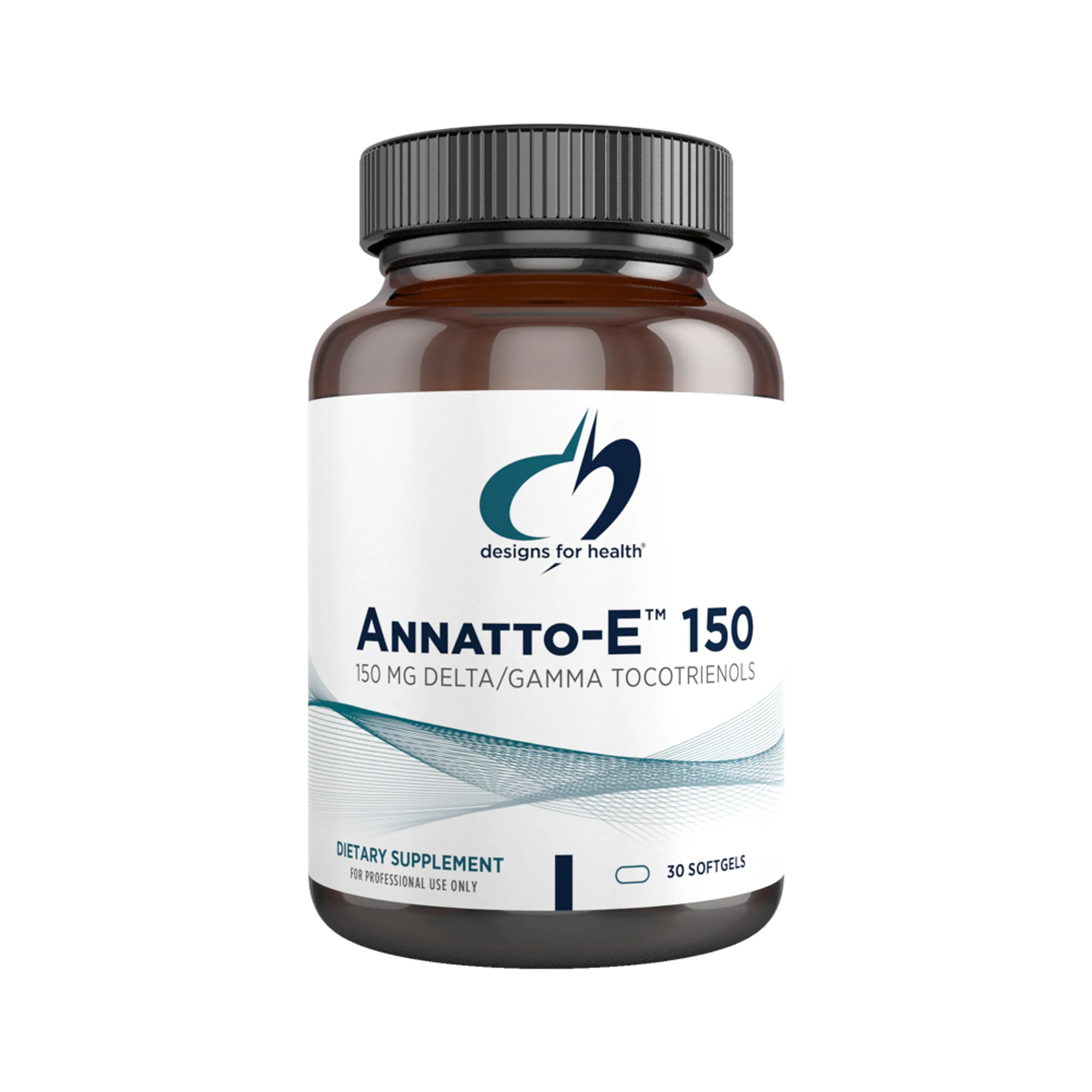
Annatto-E/GG combines tocotrienols and geranylgeraniol (GG) to support cellular energy and combat oxidative stress.
Tocotrienols offer potent antioxidant support, potentially helping manage inflammation and brain fog.
GG supports endogenous CoQ10 synthesis, which may help rescue muscle cells and reduce fatigue.
Always consult your healthcare provider before adding new supplements to your chronic illness management protocol.
What is Annatto-E/GG?
The Power of Annatto-Derived Tocotrienols
Vitamin E is not a single compound, but rather a family of eight structurally related, lipid-soluble molecules: four tocopherols and four tocotrienols. For decades, standard nutritional supplements have relied almost exclusively on alpha-tocopherol, the most common dietary form of Vitamin E. However, recent clinical and biochemical research has shifted focus toward the profound, untapped health benefits of tocotrienols. These specialized molecules possess unique structural properties that allow them to interact with cellular membranes in ways that traditional tocopherols simply cannot, offering vastly superior antioxidant and anti-inflammatory support.
The source of these tocotrienols is critically important for their efficacy. While tocotrienols can be found in palm oil and rice bran, the annatto plant (Bixa orellana), native to the Amazon rainforest, is entirely unique. Annatto is the only known natural source that produces 100% pure, tocopherol-free tocotrienols. The extract derived from annatto seeds yields a highly potent ratio of approximately 90% delta-tocotrienol and 10% gamma-tocotrienol. This specific composition is vital because research indicates that these delta and gamma isomers are the most biologically active and readily absorbed forms by the human body.
Furthermore, the absence of tocopherols in annatto extract is a distinct clinical advantage. Scientific studies have repeatedly demonstrated that alpha-tocopherol actively interferes with the absorption and beneficial functions of tocotrienols. When both forms are taken together, the larger tocopherol molecules outcompete the tocotrienols for transport mechanisms in the gut and liver. By utilizing a completely tocopherol-free extract like DeltaGold®, patients can ensure maximum absorption and utilization of these powerful antioxidant compounds without any biochemical interference.
Geranylgeraniol (GG): The Cellular Building Block
Geranylgeraniol (GG) is a naturally occurring isoprenoid compound that plays a fundamental, non-negotiable role in human biology. It is synthesized deep within the body's cells via the mevalonate pathway, a critical metabolic route responsible for producing cholesterol and other essential biomolecules. Within this pathway, GG serves as an indispensable building block for several vital physiological processes. Without adequate levels of GG, the body's ability to maintain cellular energy, repair muscle tissue, and regulate bone health is severely compromised.
One of the most critical functions of GG is its role as the obligatory precursor for the endogenous synthesis of Coenzyme Q10 (CoQ10) and Vitamin K2 (specifically the MK-4 form). CoQ10 is an essential electron carrier in the mitochondrial electron transport chain, necessary for the production of adenosine triphosphate (ATP), the energy currency of the cell. The body physically cannot manufacture its own CoQ10 without utilizing GG as the structural foundation. Additionally, GG is required for the synthesis of skeletal muscle proteins and the maintenance of healthy testosterone levels, making it a cornerstone of physical vitality and endurance.
Equally important is GG's role in a cellular process known as protein geranylgeranylation. This is a post-translational modification where GG attaches lipid anchors to specific signaling proteins, allowing them to bind to the inner cellular membrane. These proteins, such as RAP1, Rho, and Rac, are responsible for regulating cell survival, vesicular transport, and the structural integrity of the cytoskeleton. When GG levels drop—due to aging, chronic illness, or certain medications—these proteins cannot attach to the membrane, leading to cellular dysfunction and, ultimately, muscle cell death (apoptosis).
The Synergy of DeltaGold® and GG-Gold®
Annatto-E/GG combines these two powerful compounds using patented, highly purified extracts: DeltaGold® for the tocotrienols and GG-Gold® for the geranylgeraniol. Both ingredients are extracted from the same South American annatto seeds, ensuring a clean, plant-derived source. While each compound offers profound individual benefits, their combination creates a unique biochemical synergy that significantly enhances their therapeutic potential, particularly regarding absorption and bioavailability.
One of the primary challenges with fat-soluble nutrients like Vitamin E is their poor absorption rate in the human digestive tract. Separate nutritional research suggests that lipid-based molecules like geranylgeraniol may help improve the emulsification and absorption of tocotrienols.
This potential synergistic relationship means that Annatto-E/GG aims to provide the body with potent antioxidants and essential metabolic building blocks, while supporting their delivery to the systemic circulation and intracellular targets where they are needed most. For patients dealing with the complex metabolic disruptions of chronic illness, enhanced delivery systems are crucial for supporting the body's natural healing processes.
How Long COVID and ME/CFS Impact Cellular Energy and Muscle Health
Oxidative Stress and Mitochondrial Dysfunction
To understand how Annatto-E/GG supports recovery, we must first examine how conditions like Long COVID and ME/CFS disrupt the body at a cellular level. A primary driver of the debilitating fatigue and post-exertional malaise (PEM) seen in these illnesses is severe, unremitting oxidative stress. When the body is exposed to a viral infection like SARS-CoV-2, it triggers a massive inflammatory response. The immune system releases a flood of reactive oxygen species (ROS) to fight the pathogen. However, in post-viral syndromes, this "ROS storm" fails to resolve, leaving the body in a state of chronic oxidative burden.
This persistent oxidative stress wreaks havoc on the mitochondria, the energy-producing powerhouses of the cells. The ROS attack the delicate polyunsaturated fatty acids that make up the mitochondrial membranes, causing a destructive chain reaction known as lipid peroxidation. As the mitochondrial membranes become damaged and leaky, the electron transport chain becomes uncoupled and inefficient. Instead of producing abundant ATP for energy, the damaged mitochondria produce even more free radicals, creating a vicious cycle of energy depletion and cellular damage that leaves patients feeling profoundly exhausted.
In response to this overwhelming stress, the body often enters what researchers call the "cell danger response." This is a hypometabolic state where the mitochondria intentionally throttle back energy production to protect the cell from further damage and to limit the resources available to perceived intracellular pathogens. While protective in the short term, getting stuck in this low-energy state contributes heavily to the chronic fatigue, brain fog, and exercise intolerance that define ME/CFS and the symptoms of Long COVID.
The Mevalonate Pathway and Muscle Fatigue
Muscle fatigue, weakness, and deep tissue pain are hallmark symptoms for many patients with complex chronic conditions. Emerging evidence suggests that disruptions in the mevalonate pathway play a significant role in this muscular dysfunction. Chronic systemic inflammation, viral persistence, and the intense oxidative stress associated with these illnesses can impair the enzymatic steps of the mevalonate pathway. When this pathway is suppressed, the body's endogenous production of geranylgeraniol (GG) and, consequently, CoQ10, drops precipitously.
This biochemical starvation mirrors the pathology seen in statin-induced myopathy (muscle pain caused by cholesterol-lowering drugs). Statins work by intentionally blocking the mevalonate pathway to lower cholesterol, but they inadvertently deplete the body of GG and CoQ10 in the process. Research published in Oxidative Medicine and Cellular Longevity has shown that this depletion of GG is the primary driver of muscle toxicity. Without GG, muscle cells cannot perform protein geranylgeranylation, leading to the breakdown of the cellular cytoskeleton and triggering programmed cell death (apoptosis) in the muscle fibers.
For patients with Long COVID and ME/CFS, a similar, inflammation-driven suppression of the mevalonate pathway may be starving their skeletal muscles of these exact same vital compounds. When muscle tissues lack the GG required for structural integrity and the CoQ10 required for mitochondrial respiration, they cannot sustain force production or recover efficiently from exertion. This metabolic bottleneck directly contributes to the heavy, leaden feeling in the limbs and the severe exacerbation of symptoms following physical or cognitive effort.
Endothelial Dysfunction and Microvascular Health
Another critical factor in the pathophysiology of these invisible illnesses is endothelial dysfunction. The endothelium is the delicate inner lining of the blood vessels, responsible for regulating blood flow, preventing abnormal clotting, and ensuring that oxygen and nutrients are efficiently delivered to the tissues. In Long COVID, the spike protein of the virus and the ensuing immune response directly damage these endothelial cells, leading to widespread vascular inflammation and the formation of microscopic blood clots (microthrombi).
When the microvasculature is compromised, the delivery of oxygen to the brain and skeletal muscles is severely impaired. This state of localized hypoxia (low oxygen) forces the cells to rely on anaerobic metabolism, which produces lactic acid and yields very little ATP. This metabolic shift is highly inefficient and rapidly leads to cellular exhaustion. The brain is particularly sensitive to this lack of oxygen, which manifests clinically as severe cognitive dysfunction, memory issues, and the pervasive "brain fog" that so many patients experience.
Furthermore, the damaged endothelium loses its ability to produce adequate nitric oxide, a molecule essential for dilating blood vessels during physical activity. When a patient with ME/CFS or Long COVID attempts to exert themselves, their blood vessels cannot dilate properly to meet the increased oxygen demand of the muscles. This vascular failure exacerbates the mitochondrial energy crisis, triggering a cascade of inflammatory signals that culminate in a debilitating post-exertional crash.
Annatto-E/GG: Supporting Mitochondrial Function and Antioxidant Defense
Neutralizing Free Radicals with Tocotrienols
The structural advantage of tocotrienols lies in their unique molecular anatomy. While traditional tocopherols possess a long, saturated phytyl tail that anchors them rigidly within the cellular membrane, tocotrienols feature a shorter, unsaturated farnesyl side chain. This unsaturated structure allows them to move rapidly and flexibly throughout the cellular lipid bilayer. Because they are not rigidly anchored, they can intercept and neutralize free radicals up to 50 times faster than standard Vitamin E, providing unparalleled protection against oxidative damage.
This rapid mobility is crucial for halting lipid peroxidation, the destructive chain reaction that ravages the cell membranes of patients with complex chronic illnesses. When reactive oxygen species (ROS) attack the polyunsaturated fatty acids in cell membranes, they create peroxyl radicals that compromise cellular integrity. Research published in MDPI demonstrates that delta- and gamma-tocotrienols are incredibly efficient at scavenging these peroxyl radicals, drastically reducing intermediate metabolites of lipid peroxidation and preserving the structural health of the mitochondria.
Beyond direct radical scavenging, tocotrienols actively modulate genetic expression to lower systemic inflammation. Delta-tocotrienol has been shown to strongly inhibit the nuclear factor-kappa B (NF-κB) signaling pathway, which is a primary master-switch for the inflammatory response. By blocking NF-κB, tocotrienols reduce the downstream production of pro-inflammatory cytokines like IL-6 and TNF-alpha, helping to calm the chronic immune overactivation frequently seen when exploring what causes Long COVID.
Restoring Endogenous CoQ10 Synthesis with GG
Coenzyme Q10 (CoQ10) is a cornerstone nutrient for mitochondrial function, acting as a crucial electron carrier in the electron transport chain to generate cellular energy (ATP). However, what many patients and practitioners overlook is that the body must synthesize its own CoQ10 to maintain optimal intracellular levels. Geranylgeraniol (GG) serves as an absolute, obligatory building block—or substrate—for this endogenous synthesis. Without adequate GG, the body physically cannot produce sufficient CoQ10, leading to a severe bottleneck in mitochondrial energy production.
The mevalonate pathway is responsible for producing GG, but this pathway is frequently disrupted by chronic illness, aging, and certain medications. When the pathway is inhibited, the downstream production of GG plummets, taking CoQ10 synthesis down with it. Clinical data published in Frontiers in Physiology highlights that supplementing with exogenous GG bypasses these metabolic roadblocks, providing the raw fuel necessary for the body to independently synthesize its own CoQ10 from the inside out.
This endogenous synthesis is often far more effective than taking standard CoQ10 supplements. Traditional CoQ10 has a large molecular weight of approximately 870 Daltons, making it notoriously difficult to absorb across the intestinal wall and into the cells. In contrast, GG is a much smaller molecule, weighing only 290 Daltons. This small size allows GG to be highly cell-permeable, rapidly entering the cells where it can immediately be utilized by the mitochondria to restore the electron transport chain and combat profound fatigue.
Rescuing Muscle Cells via Protein Geranylgeranylation
Perhaps the most critical, yet least discussed, mechanism of GG is its role in protein geranylgeranylation. This biochemical process involves attaching a lipid anchor (derived from GG) to small GTP-binding proteins, such as RAP1, Rho, and Rac. These proteins act as molecular switches that control vital cellular functions, including the organization of the actin cytoskeleton, vesicular transport, and the transmission of survival signals within the cell. Without the lipid anchor provided by GG, these proteins remain inactive and floating in the cytosol.
When muscle cells are deprived of GG, the lack of prenylated RAP1 proteins triggers a catastrophic breakdown of the muscle fiber's internal structure. The cell loses its ability to repair itself, and pro-apoptotic (cell death) pathways are activated. Separate preclinical research has shown that restoring GG levels may help rescue these muscle cells. By providing the necessary lipid anchors, GG is thought to reactivate survival signals and support cellular health.
For patients experiencing the deep, aching muscle fatigue and weakness associated with post-exertional malaise, this mechanism is highly relevant. By supporting protein geranylgeranylation, Annatto-E/GG helps to preserve muscle force production and protect the structural integrity of the skeletal muscles. This cellular support allows the tissues to better withstand the demands of daily activity, potentially raising the threshold for exertion before a crash occurs and improving overall physical resilience.
Symptoms Annatto-E/GG May Help Manage
Post-Exertional Malaise (PEM) and Muscle Fatigue: By supplying geranylgeraniol (GG) to support endogenous CoQ10 synthesis and protein prenylation, Annatto-E/GG helps rescue muscle cells from metabolic starvation, potentially reducing the severity of muscle weakness and the deep tissue aches that follow exertion.
Cognitive Dysfunction (Brain Fog): The highly mobile, unsaturated structure of delta- and gamma-tocotrienols allows them to efficiently cross cell membranes and neutralize the neuroinflammation and localized oxidative stress in the brain that contribute to memory issues and cognitive fatigue.
Cardiovascular and Autonomic Symptoms: Tocotrienols help protect the delicate endothelial lining of blood vessels from lipid peroxidation and oxidative damage, supporting healthier microvascular circulation and oxygen delivery, which is often impaired in dysautonomia and Long COVID.
General Low Energy and Stamina: By bypassing disrupted metabolic pathways and directly fueling the mitochondrial electron transport chain with the precursors needed for ATP production, this combination helps restore the foundational cellular energy required for daily functioning.
Practical Considerations: Forms, Dosing, and Absorption
Why Tocopherol-Free Formulations Matter
When considering Vitamin E supplementation, understanding the competitive nature of these molecules is essential. The human body has specific transport proteins, such as the alpha-tocopherol transfer protein (α-TTP) in the liver, which preferentially bind to alpha-tocopherol. If you consume a supplement that contains both tocopherols and tocotrienols, the abundant alpha-tocopherol will monopolize these transport mechanisms, effectively blocking the tocotrienols from entering the systemic circulation and reaching the tissues where they are needed.
This is why the 100% tocopherol-free nature of the annatto extract used in Annatto-E/GG is a critical clinical advantage. By completely removing alpha-tocopherol from the equation, the delta- and gamma-tocotrienols face no biochemical competition. They are free to be absorbed, transported, and embedded into the cellular membranes at maximum efficiency. This ensures that patients actually receive the profound antioxidant and anti-inflammatory benefits that clinical trials attribute to tocotrienols, rather than simply creating expensive, unabsorbed waste.
Furthermore, the specific ratio of 90% delta-tocotrienol and 10% gamma-tocotrienol found in DeltaGold® is not arbitrary; it represents the optimal balance for biological activity. Delta-tocotrienol, in particular, has consistently demonstrated the highest potency in scavenging reactive oxygen species and inhibiting the NF-κB inflammatory pathway. By concentrating these specific isomers, the formulation delivers a highly targeted therapeutic payload designed to combat the severe oxidative stress characteristic of post-viral syndromes.
The Bioavailability Advantage of GG-Gold
The inclusion of GG-Gold® in this formulation solves one of the most persistent problems in nutritional medicine: the poor bioavailability of large, fat-soluble molecules. As previously noted, traditional CoQ10 supplements are massive molecules (870 Daltons) that tend to crystallize in the digestive tract, resulting in extremely poor absorption rates. Even when modified into "ubiquinol" forms, the large molecular size remains a significant barrier to entering the cells where mitochondrial respiration actually occurs.
Geranylgeraniol, weighing in at only 290 Daltons, effortlessly bypasses these absorption hurdles. Because it is highly cell-permeable, it travels rapidly from the digestive tract into the bloodstream and directly into the intracellular space. Once inside the cell, the body's own enzymatic machinery takes over, utilizing the GG to synthesize CoQ10 endogenously. Separate nutritional theories emphasize that this "inside-out" approach of using GG may help raise baseline cellular CoQ10 levels more effectively than trying to force large, exogenous CoQ10 molecules into the cell from the outside.
Additionally, the presence of GG is believed to support the absorption of the accompanying tocotrienols. By acting as a natural emulsifier in the gut, GG may help form mixed micelles—tiny lipid droplets that are easily absorbed by the intestinal lining. This potential synergistic surfactant effect aims to increase the plasma concentration of the tocotrienols, helping the patient receive therapeutic support from the dose.
Dosing, Timing, and Potential Interactions
For patients managing complex chronic conditions, standard dosing for Annatto-E/GG typically ranges from 150 mg to 300 mg of each active compound per day. Because both tocotrienols and geranylgeraniol are lipid-soluble molecules, it is highly recommended to take the supplement alongside a meal that contains healthy dietary fats (such as avocado, olive oil, or nuts). The presence of dietary fat further stimulates the release of bile acids and pancreatic enzymes, optimizing the micelle formation process and maximizing intestinal absorption.
The safety profile of both DeltaGold® and GG-Gold® is exceptionally strong. A recent 8-week, randomized, dose-escalated trial published in MDPI confirmed that daily supplementation of GG up to 300 mg is highly safe, with no negative impacts on blood health markers, liver function, or kidney function. In fact, the study noted beneficial secondary effects, including the support of healthy hormone profiles and the maintenance of bioavailable testosterone levels, which are often depleted in chronic fatigue states.
It is particularly important to note the interaction between GG and statin medications. Because statins intentionally block the mevalonate pathway, they severely deplete the body's natural GG levels, leading to statin-induced myopathy. Supplementing with Annatto-E/GG is highly beneficial for these patients, as it safely replenishes the missing GG and rescues the muscle tissue without interfering with the cholesterol-lowering efficacy of the statin drug itself. As always, patients should consult their healthcare provider before adding new supplements to their regimen.
Follow the Science
Clinical Evidence for Tocotrienols in Chronic Illness
The therapeutic potential of annatto-derived tocotrienols has been rigorously evaluated in numerous clinical trials, particularly concerning cardiovascular health, lipid management, and metabolic resilience. A notable 30-week clinical trial demonstrated that a daily dose of 250 mg of annatto tocotrienols significantly reduced total cholesterol, LDL cholesterol, and triglycerides. More importantly for chronic illness patients, this dose dramatically downregulated the gene expression of systemic inflammatory cytokines (including TNF-alpha and IL-6) by up to 64%, showcasing its potent ability to calm an overactive immune response.
Furthermore, researchers are actively investigating the metabolomic signatures of viral recovery to understand why some patients develop Long COVID while others heal completely. Studies tracking the blood plasma of individuals recovering from COVID-19 have found that the metabolism of Vitamin E is heavily enriched in those who recover successfully. Specifically, higher abundances of tocotrienol metabolites in the plasma correlate strongly with milder disease progression and better resolution of symptoms, suggesting that these specific antioxidants play a crucial role in mitigating viral-induced oxidative damage.
Additional trials have highlighted the benefits of tocotrienols for liver health and metabolic syndrome, conditions that frequently co-occur with chronic fatigue. A 24-week randomized, double-blind trial in patients with non-alcoholic fatty liver disease (NAFLD) found that 600 mg of annatto tocotrienol daily significantly reduced hepatic steatosis (liver fat), lowered liver injury biomarkers, and improved insulin resistance, demonstrating the compound's profound ability to restore metabolic homeostasis in stressed tissues.
GG's Role in Muscle Rescue and Statin Myopathy
The scientific literature surrounding geranylgeraniol (GG) has exploded in recent years, driven largely by its remarkable ability to rescue muscle tissue from metabolic toxicity. In vitro studies published in Oxidative Medicine and Cellular Longevity examined skeletal muscle cells treated with statin drugs, which mimic the mevalonate pathway suppression seen in chronic inflammation. The statins caused a severe drop in mitochondrial respiration and triggered muscle cell death. However, co-treatment with GG fully reverted this toxicity, restoring cell viability, activating survival signals, and completely reversing the statin-induced muscle fiber loss.
These cellular findings have been successfully translated into living models. A pivotal in vivo study published in Translational Research tested the efficacy of GG in rodents experiencing severe statin-induced skeletal muscle fatigue. The researchers found that co-administration with GG completely abrogated the muscle fatigue, preserving force production and physical performance. Crucially, the study verified that GG achieved this muscular rescue without causing any adverse side effects to cardiac function or vascular smooth muscle, confirming its targeted safety profile.
Given this overwhelming preclinical success, GG is now the subject of rigorous human clinical trials. Phase 1 and Phase 2 interventional trials are actively investigating the efficacy of annatto-derived GGOH in human patients suffering from statin-associated myopathy. These studies are evaluating muscle pain questionnaires, physical performance metrics, and blood markers to conclusively map the mitigation of muscle pain, cramps, and tiredness, providing a strong scientific foundation for its use in any condition characterized by acquired mitochondrial myopathy.
The Future of Isoprenoid Research
As our understanding of complex chronic illnesses evolves, the medical community is increasingly shifting its focus away from merely suppressing symptoms and toward addressing the root biochemical causes of cellular dysfunction. The research into isoprenoids like geranylgeraniol and specialized antioxidants like tocotrienols represents the cutting edge of this paradigm shift. By providing the body with the exact molecular building blocks it needs to repair damaged pathways, we can support genuine cellular recovery.
Future research is already expanding the applications of these compounds into the realms of neuroinflammation and neurodegenerative disease. Because tocotrienols readily cross the blood-brain barrier and GG is essential for neural cell signaling, their combined potential to address the severe cognitive dysfunction and brain fog associated with post-viral syndromes is immense. As more data emerges from ongoing clinical trials, these patented, plant-derived extracts are poised to become foundational elements in the management of complex, multi-systemic illnesses.
For patients and practitioners alike, the science underscores the critical importance of utilizing standardized, highly bioavailable formulations. The synergy between DeltaGold® and GG-Gold® is not merely a marketing claim; it is a documented biochemical reality that solves the inherent absorption challenges of lipid-soluble nutrients. By following the science and choosing formulations backed by rigorous clinical data, patients can confidently integrate these powerful tools into their comprehensive recovery protocols.
The Path Forward
A Comprehensive Approach to Chronic Illness
Living with a complex chronic condition like Long COVID, ME/CFS, or dysautonomia is an incredibly challenging journey that demands immense resilience. It is entirely valid to feel overwhelmed by the unpredictable nature of your symptoms and the profound impact they have on your daily life. While advanced nutritional supplements like Annatto-E/GG offer powerful, science-backed support for your cellular health, it is important to remember that they are one piece of a much larger, comprehensive management strategy. True recovery requires a multifaceted approach that honors the complexity of your illness.
Integrating targeted supplements should always be done alongside foundational management techniques. Practices such as aggressive resting, strict pacing to avoid post-exertional malaise, and diligent symptom tracking are essential for stabilizing your baseline and preventing severe crashes. By managing your energy envelope carefully, you create a physiological environment where the mitochondrial support provided by tocotrienols and geranylgeraniol can actually take effect, rather than constantly being depleted by overexertion.
Patience is also a vital component of this process. Repairing damaged mitochondrial membranes, restoring endogenous CoQ10 synthesis, and rescuing muscle tissues from metabolic starvation takes time. These are deep, structural biochemical changes that do not happen overnight. By maintaining a consistent protocol and working closely with a medical team that understands the nuances of how to diagnose Long COVID and related conditions, you can slowly begin to rebuild your cellular resilience and improve your overall quality of life.
Integrating Annatto-E/GG into Your Protocol
If you are struggling with profound muscle fatigue, persistent brain fog, or the heavy burden of post-exertional crashes, addressing the underlying oxidative stress and mitochondrial dysfunction is a critical step forward. Annatto-E/GG offers a unique, highly bioavailable combination of tocopherol-free tocotrienols and geranylgeraniol designed specifically to bypass metabolic roadblocks and restore cellular energy production from the inside out.
Before starting any new supplement, it is crucial to consult with your healthcare provider to ensure it aligns with your specific medical history, current medications, and overall treatment goals. A knowledgeable practitioner can help you determine the optimal dosage and integrate this powerful formulation safely into your broader care plan.
Sources
Clinical trial supports cardiovascular benefits of annatto tocotrienols (NutraIngredients)
Dietary Annatto-Extracted Tocotrienol Reduces Inflammation and Oxidative Stress (MDPI)
The Effects of Geranylgeraniol on Blood Safety and Sex Hormone Profiles (MDPI)
Annatto Tocotrienol May Improve Outcomes Related to NAFLD (Nutraceuticals World)