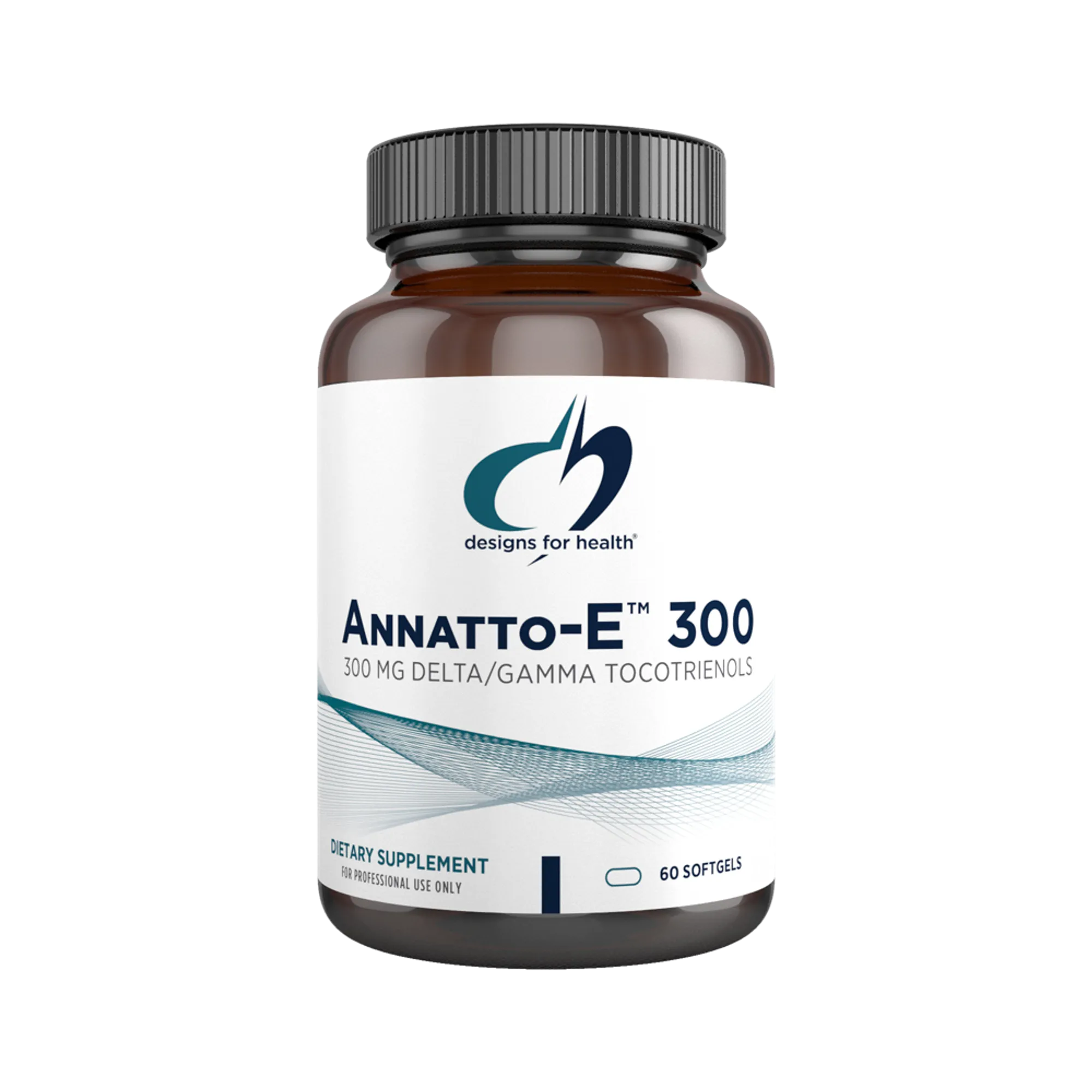
Can Annatto-E® 300 (Tocotrienols) Support Cellular Healing in Long COVID and ME/CFS?
March 5, 2026
Annatto-E 300TocotrienolsLong COVID
Share:
Disclaimer: The information provided here is for educational purposes only and is not intended as medical advice. It should not be used to diagnose, treat, cure, or prevent any medical condition. Instead, use it as a starting point for discussion with your healthcare provider. Always consult with a qualified healthcare provider before starting any new medication, supplement, device, or making changes to your health regimen.
Months or even years after a viral infection, many patients find themselves trapped in a cycle of debilitating fatigue, brain fog, and cardiovascular instability. When routine lab tests return normal, it is easy to feel dismissed by the traditional medical system. However, emerging research into Long COVID, myalgic encephalomyelitis/chronic fatigue syndrome (ME/CFS), and dysautonomia reveals that these conditions are driven by profound, measurable physiological dysfunctions. At the core of these invisible illnesses is severe cellular damage—specifically, rampant oxidative stress, mitochondrial failure, and systemic inflammation that prevents the body from healing. Breaking this cycle requires targeted interventions that can reach the cellular level to neutralize damage and restore metabolic function.
One of the most promising, yet historically overlooked, tools in functional medicine for addressing this cellular damage is a specific form of Vitamin E known as tocotrienols. Unlike the standard Vitamin E found in most commercial supplements, tocotrienols possess a unique molecular structure that allows them to rapidly penetrate cell membranes, neutralize destructive free radicals, and calm systemic inflammation. Annatto-E® 300 provides a pure, concentrated dose of these powerful compounds, completely free from the interfering effects of traditional tocopherols. In this comprehensive guide, we will explore the intricate biochemistry of tocotrienols, how chronic illness damages our cellular machinery, and how Annatto-E® 300 can support your body's innate healing processes.
TL;DR
Tocotrienols are a potent form of Vitamin E that support cellular repair and reduce oxidative stress.
They may help manage Long COVID and ME/CFS symptoms by calming systemic inflammation.
Annatto-E® 300 provides pure tocotrienols without alpha-tocopherol interference, ensuring optimal absorption and efficacy.
Always consult your healthcare provider before starting new supplements, especially if you take blood thinners.
What Are Tocotrienols (Annatto-E® 300)?
The Vitamin E Family Tree
Vitamin E is widely recognized as a crucial antioxidant, but it is not a single molecular compound; rather, it is a complex family of eight distinct, fat-soluble isomers. This family is divided into two main categories: four tocopherols (alpha, beta, gamma, and delta) and four tocotrienols (alpha, beta, gamma, and delta). For decades, standard medical advice and commercial multivitamins have focused almost exclusively on alpha-tocopherol, largely because it is the most abundant form found in the human bloodstream and tissues. However, this narrow focus has overshadowed the profound therapeutic potential of the tocotrienol family. Emerging clinical research demonstrates that tocotrienols possess unique biochemical properties and physiological benefits that tocopherols simply cannot replicate, particularly in the realms of neuroprotection, cardiovascular health, and cellular repair.
The History of Vitamin E Misunderstanding
The dominance of alpha-tocopherol in the medical community stems from early 20th-century research that identified it as the primary vitamin responsible for preventing fetal resorption in animal models. Because alpha-tocopherol was the easiest to isolate and study, it became synonymous with "Vitamin E" in the public consciousness and the pharmaceutical industry. It wasn't until the late 20th and early 21st centuries that researchers began to isolate and study tocotrienols in depth. What they discovered was paradigm-shifting: while alpha-tocopherol is a decent baseline antioxidant, it lacks the advanced anti-inflammatory, cholesterol-lowering, and neuroprotective capabilities of tocotrienols. Unfortunately, because the supplement industry was already saturated with cheap, synthetic alpha-tocopherol, the far more potent tocotrienols remained a niche area of study until recent breakthroughs in functional medicine brought them to the forefront of chronic illness management.
The Structural Advantage of Tocotrienols
The functional differences between tocopherols and tocotrienols stem directly from their distinct molecular architectures. Both subfamilies share a chromanol ring head, which is responsible for their antioxidant capabilities, but they differ significantly in their hydrophobic side chains, or "tails." Tocopherols possess a long, fully saturated phytyl tail that anchors them deeply and rigidly into the lipid bilayers of cellular membranes. In contrast, tocotrienols feature a shorter, unsaturated farnesyl tail containing three double bonds. This structural variation is not merely a biochemical curiosity; it fundamentally alters how the molecule behaves within the human body. The unsaturated tail allows tocotrienols to move with remarkable fluidity and speed across and within cell membranes, enabling them to hunt down and neutralize reactive oxygen species (ROS) with exceptional efficiency. In fact, this structural agility is understood to grant tocotrienols up to 50 times the antioxidant potency of standard alpha-tocopherol when protecting cellular membranes from lipid peroxidation.
The Annatto Difference and DeltaGold®
While tocotrienols can be sourced from palm oil and rice bran oil, these botanical sources naturally contain a significant percentage of tocopherols alongside the tocotrienols. This mixed composition presents a critical problem for clinical efficacy, which we will explore in depth later. The Bixa orellana plant, commonly known as the annatto tree and native to the Amazon rainforest, offers a biological anomaly that is highly prized in functional medicine. Annatto is the only known natural botanical source that produces 100% pure tocotrienols, completely devoid of any tocopherols. Specifically, the annatto extract yields approximately 90% delta-tocotrienol and 10% gamma-tocotrienol. This unique, tocopherol-free profile is the foundation of DeltaGold®, the patented ingredient utilized in Annatto-E® 300. By isolating these highly active delta and gamma isomers without the interference of alpha-tocopherol, this formulation maximizes the bioavailability and therapeutic impact of the tocotrienols, providing targeted support for patients battling complex, chronic inflammatory conditions.
How Chronic Illness Impacts Cellular Health
The Cytokine Storm and Endothelial Damage in Long COVID
To understand why tocotrienols are so valuable, we must first examine the physiological devastation caused by complex chronic illnesses. When exploring What Causes Long COVID?, researchers frequently point to profound vascular and immune dysfunction. When the SARS-CoV-2 virus enters the body, it binds to ACE2 receptors, which are densely concentrated on the endothelial cells lining our blood vessels. This viral infiltration triggers a massive, dysregulated immune response often referred to as a "cytokine storm," flooding the bloodstream with pro-inflammatory molecules like Interleukin-6 (IL-6) and Tumor Necrosis Factor-alpha (TNF-α). This relentless inflammation damages the delicate endothelial lining, leading to severe oxidative stress and a loss of vascular elasticity. As the endothelium becomes dysfunctional, it promotes a hypercoagulable state, resulting in the formation of microscopic blood clots (fibrinaloid microclots) that obstruct capillary blood flow. This systemic vascular damage and subsequent tissue hypoxia are primary drivers of the debilitating fatigue, brain fog, and cardiovascular symptoms seen in Long COVID.
The NO/ONOO- Cycle in ME/CFS
In patients living with ME/CFS, the cellular dysfunction is often characterized by a catastrophic breakdown in mitochondrial energy production. Dr. Martin Pall's heavily researched NO/ONOO- (Nitric Oxide/Peroxynitrite) cycle model provides a clear biochemical explanation for this energy failure. According to this model, an initial stressor—such as a severe viral infection, environmental toxin, or extreme physical trauma—causes a massive spike in the production of nitric oxide (NO) and superoxide within the cells. These two molecules rapidly combine to form peroxynitrite (ONOO-), an incredibly destructive and highly reactive free radical. Peroxynitrite aggressively attacks the mitochondrial membranes, damaging the electron transport chain and halting the production of adenosine triphosphate (ATP), the cellular energy currency. This creates a vicious, self-perpetuating cycle: the damaged mitochondria leak more free radicals, which create more peroxynitrite, which causes further mitochondrial destruction, locking the patient in a state of profound, unyielding exhaustion. This mechanism helps explain Can Long COVID Trigger ME/CFS? Unraveling the Connection, as the initial viral insult triggers the exact oxidative cascade that defines ME/CFS.
Mast Cell Activation Syndrome (MCAS) and Histamine Overload
Another critical piece of the chronic illness puzzle is mast cell activation syndrome (MCAS), a condition frequently comorbid with Long COVID and dysautonomia. Mast cells are the body's first responders, packed with inflammatory mediators like histamine, cytokines, and leukotrienes. In a healthy body, these cells release their contents in a measured way to fight off infections or heal injuries. However, in patients with MCAS, the mast cells become hyper-sensitized and unstable, degranulating inappropriately in response to minor triggers like foods, temperature changes, or even physical exertion. This constant release of histamine and inflammatory chemicals creates a state of chronic systemic inflammation, further driving oxidative stress and exacerbating endothelial damage. The resulting symptoms—ranging from severe allergic reactions and gastrointestinal distress to neurological impairment—add another layer of complexity to the patient's suffering, requiring interventions that can stabilize cellular membranes and calm the hyperactive immune response.
The Cell Danger Response and Lipid Peroxidation
Whether triggered by Long COVID, ME/CFS, or MCAS, these conditions frequently initiate what researchers call the Cell Danger Response (CDR), a primitive cellular defense mechanism. When cells are overwhelmed by viral remnants, oxidative stress, or peroxynitrite radicals, they intentionally shut down their normal metabolic functions and enter a hypometabolic state of "hibernation" to prevent the spread of the perceived threat. A key feature of this state is rampant lipid peroxidation, a process where free radicals steal electrons from the lipids in cell membranes, causing the membranes to degrade and lose their structural integrity. Because mitochondria are composed of a double-lipid membrane, they are particularly vulnerable to this oxidative degradation. As long as lipid peroxidation continues unchecked, the cells remain trapped in the Cell Danger Response, unable to resume normal ATP production or repair damaged tissues. Breaking this cycle requires potent, membrane-soluble antioxidants capable of crossing the lipid bilayer and neutralizing the free radicals at their source.
Annatto-E® 300: Supporting Cellular Healing and Cardiovascular Function
Neutralizing Peroxynitrite and Halting Lipid Peroxidation
The delta- and gamma-tocotrienols found in Annatto-E® 300 are uniquely equipped to intervene in the destructive biochemical cycles that drive chronic illness. Because their unsaturated farnesyl tails allow them to move rapidly through cellular membranes, these tocotrienols act as frontline defenders against lipid peroxidation. When peroxynitrite and other reactive oxygen species attempt to steal electrons from the mitochondrial membranes, the tocotrienols intercept the radicals, donating an electron and neutralizing the threat without becoming destructive radicals themselves. Research suggests tocotrienols are effective at scavenging peroxynitrite, the specific radical responsible for driving the NO/ONOO- cycle in ME/CFS. By halting the degradation of the mitochondrial double-membrane, tocotrienols help stabilize the cellular environment, signaling to the body that the oxidative threat has passed and allowing the cells to safely transition out of the Cell Danger Response and resume normal ATP energy production.
Downregulating Systemic Inflammation and Cytokine Production
Beyond their direct antioxidant capabilities, delta- and gamma-tocotrienols exert profound anti-inflammatory effects at the genetic and molecular levels. In conditions like Long COVID and MCAS, the immune system is locked in a hyperactive state, constantly churning out inflammatory cytokines. Tocotrienols have been shown to actively suppress the activation of Nuclear Factor kappa B (NF-κB), a master protein complex that controls the transcription of DNA and regulates the immune response to infection. By inhibiting NF-κB, tocotrienols effectively turn down the genetic dial on inflammation, significantly reducing the production of pro-inflammatory cytokines like TNF-α, IL-6, and C-reactive protein (CRP). This systemic dampening of the immune response is crucial for patients suffering from chronic, widespread inflammation, as it helps alleviate the constant burden on the immune system and reduces the collateral damage to healthy tissues and organs.
Cardiovascular Support and Endothelial Healing
The cardiovascular implications of complex chronic illnesses are profound, often manifesting as dysautonomia, postural orthostatic tachycardia syndrome (POTS), and persistent endothelial dysfunction. Annatto-E® 300 provides targeted support for the cardiovascular system through multiple distinct mechanisms. First, delta- and gamma-tocotrienols naturally downregulate and degrade HMG-CoA reductase, the primary liver enzyme responsible for synthesizing cholesterol. This action helps maintain healthy lipid profiles and reduces the burden of oxidized LDL cholesterol, which is highly damaging to blood vessels. Second, clinical studies have demonstrated that tocotrienols suppress the expression of adhesion molecules on the surface of endothelial cells. In a healthy state, this prevents monocytes (a type of white blood cell) from sticking to the blood vessel walls and forming atherosclerotic plaques. In the context of Long COVID, this suppression of endothelial adhesion helps soothe the inflamed vascular lining, promoting better blood flow, reducing the risk of microclot formation, and supporting the restoration of normal autonomic nervous system function.
Protecting Neurological Function and Brain Health
The brain is incredibly vulnerable to the systemic inflammation and oxidative stress generated by chronic illness. Because it consumes roughly 20% of the body's oxygen supply and is composed largely of lipids (fats), it is highly susceptible to lipid peroxidation and free radical damage. Furthermore, the neuroinflammation driven by activated microglia (the brain's immune cells) is a primary cause of the cognitive impairment and brain fog experienced by many patients. Delta- and gamma-tocotrienols possess the unique ability to cross the blood-brain barrier, delivering their potent antioxidant and anti-inflammatory benefits directly to the central nervous system. Once inside the brain, tocotrienols help neutralize neurotoxic free radicals, protect delicate neuronal membranes from oxidative degradation, and suppress microglial activation. This targeted neuroprotection is essential for preserving cognitive function, improving memory recall, and alleviating the profound neurological fatigue that often accompanies complex chronic conditions.

Symptoms Annatto-E® 300 May Help Manage
By addressing oxidative stress, systemic inflammation, and cardiovascular dysfunction at the cellular level, the tocotrienols in Annatto-E® 300 may help manage several debilitating symptoms associated with Long COVID, ME/CFS, and dysautonomia. While supplements are not cures, supporting these fundamental biochemical pathways can significantly improve a patient's quality of life, especially when patients wonder Do Long COVID Symptoms Come and Go?.
Profound Fatigue and Low Energy: By neutralizing the peroxynitrite radicals that damage mitochondrial membranes, tocotrienols help protect the electron transport chain. This allows the mitochondria to safely resume ATP (energy) production, potentially alleviating the crushing, unyielding fatigue that characterizes ME/CFS and Long COVID.
Post-Exertional Malaise (PEM): PEM, or "crashing," occurs when the body's energy demands exceed its broken cellular capacity, leading to a massive spike in oxidative stress. The potent antioxidant capacity of delta- and gamma-tocotrienols helps buffer this exercise-induced oxidative damage, potentially reducing the severity and duration of PEM episodes.
Brain Fog and Cognitive Impairment: The brain is highly susceptible to oxidative stress and lipid peroxidation due to its high fat content and oxygen demands. Tocotrienols can cross the blood-brain barrier to neutralize neuroinflammation and protect neurons, which may help clear the cognitive dysfunction and memory issues often described as "brain fog."
Cardiovascular Symptoms and Palpitations: By soothing endothelial inflammation, reducing monocyte adhesion, and supporting healthy lipid metabolism, tocotrienols promote better vascular elasticity and blood flow. This can be particularly beneficial for managing the rapid heart rates, blood pressure fluctuations, and vascular discomfort associated with dysautonomia and POTS.
Widespread Joint and Muscle Pain: Chronic systemic inflammation is a primary driver of the diffuse musculoskeletal pain seen in many complex illnesses. By inhibiting the NF-κB pathway and reducing the circulation of pro-inflammatory cytokines like CRP and TNF-α, tocotrienols help quiet the systemic inflammatory response, potentially easing chronic pain and stiffness.
Practical Considerations: Forms, Dosing, and Absorption
The Alpha-Tocopherol Interference Problem
When considering Vitamin E supplementation, understanding the interactions between different isomers is absolutely critical for clinical success. For decades, researchers were puzzled by inconsistent results in tocotrienol clinical trials until a major biochemical conflict was discovered: the "alpha-tocopherol interference" phenomenon. The human liver contains a specific transport protein called the alpha-tocopherol transfer protein (α-TTP). As the name suggests, this protein has a highly preferential binding affinity for alpha-tocopherol. When a patient ingests a supplement containing both tocopherols and tocotrienols (such as those derived from palm or rice bran oil), the abundant alpha-tocopherol aggressively monopolizes the α-TTP receptors. Because the tocotrienols cannot bind to the transport proteins, they are rapidly broken down by cytochrome P450 enzymes and excreted from the body before they can ever reach the bloodstream or target tissues. Furthermore, studies indicate that alpha-tocopherol actively blocks the cellular uptake of delta-tocotrienol in specific tissues, effectively starving the cells of the more potent antioxidant.
Why Tocopherol-Free Annatto is Crucial
Because of this profound interference, functional medicine practitioners and researchers emphasize that tocotrienols must be taken in isolation to achieve their therapeutic benefits. This is why the source of the tocotrienols is paramount. Formulations that contain more than 15% to 20% alpha-tocopherol are generally considered ineffective for delivering tocotrienol benefits. Annatto-E® 300 utilizes DeltaGold®, which is sourced exclusively from the annatto tree. Because annatto naturally produces 100% tocotrienols (90% delta and 10% gamma) and zero tocopherols, it completely bypasses the α-TTP competition in the liver. This tocopherol-free profile ensures that the highly active delta and gamma isomers are successfully absorbed into the bloodstream, distributed to vital organs, and incorporated into cellular membranes where they can exert their powerful antioxidant and anti-inflammatory effects. If a patient is taking a separate alpha-tocopherol supplement or a multivitamin containing it, practitioners typically recommend separating the doses by at least six hours to prevent transport competition.
Dosing, Absorption, and Timing
Because tocotrienols are fat-soluble vitamins, their bioavailability is heavily dependent on dietary fat. Taking Annatto-E® 300 on an empty stomach will result in poor absorption and diminished clinical efficacy. It is highly recommended to take the softgel alongside a meal that contains healthy fats, such as avocados, olive oil, nuts, or fatty fish, to stimulate bile production and facilitate proper intestinal absorption. The 300 mg dosage provided by Annatto-E® 300 aligns perfectly with the optimal therapeutic windows identified in recent clinical trials, which generally utilize between 250 mg and 500 mg daily for managing systemic inflammation and cardiovascular health. While some patients may notice improvements in energy and cognitive clarity within a few weeks, it typically takes three to six months of consistent supplementation to observe significant changes in inflammatory biomarkers, lipid profiles, and endothelial function. Always consult with a healthcare provider to determine the optimal dosing schedule for your specific medical needs.
Safety, Tolerability, and Potential Contraindications
Tocotrienols, particularly those derived from annatto, have demonstrated an excellent safety profile in human clinical trials. A comprehensive 12-week safety evaluation published in the Journal of the American College of Nutrition tested DeltaGold at doses up to 860 mg per day and reported zero adverse events, with no negative alterations in liver enzymes, kidney function, or electrolyte balance. However, because tocotrienols possess natural anti-platelet and mild blood-thinning properties—which is highly beneficial for addressing the microclots seen in Long COVID—they must be used with caution in certain populations. Patients currently taking prescription anticoagulants (blood thinners) like warfarin, or those with bleeding disorders, should consult their physician before starting Annatto-E® 300, as the supplement may amplify the effects of these medications. Additionally, supplementation should typically be paused two weeks prior to any scheduled surgical procedures.

Follow the Science
Reductions in Systemic Inflammation and Oxidative Stress
The clinical efficacy of annatto-derived tocotrienols is supported by a robust and growing body of peer-reviewed research, particularly regarding their ability to modulate inflammation and oxidative stress. A landmark clinical trial led by Dr. Asaf Qureshi and published in the British Journal of Medicine and Medical Research investigated the effects of DeltaGold in hypercholesterolemic individuals. The researchers found that an optimal dose of 250 mg per day yielded profound results in just four weeks. Participants experienced a 40% reduction in C-reactive protein (CRP), a primary biomarker for systemic inflammation. Furthermore, the trial recorded a 34% decrease in malondialdehyde (MDA), a specific marker of lipid peroxidation and oxidative stress, while total antioxidant status increased by 22%. These dramatic reductions in inflammatory and oxidative biomarkers highlight the potent, targeted action of delta- and gamma-tocotrienols in human subjects.
Cardiovascular and Metabolic Benefits
The cardiovascular benefits of tocotrienols extend beyond basic lipid management, showing promise in reversing complex metabolic dysfunctions. A randomized, double-blind, placebo-controlled trial evaluated the use of delta-tocotrienol in combination with resveratrol for patients suffering from Metabolic Syndrome, a condition characterized by high blood pressure, insulin resistance, and central obesity. After 24 weeks of supplementation, the treatment group demonstrated significant improvements across all metabolic risk factors. Systolic and diastolic blood pressure dropped by 5.2% and 5.8%, respectively, and participants saw a measurable reduction in waist circumference and overall weight. Additionally, separate research has suggested that tocotrienols may outperform standard tocopherols in managing atherosclerotic cardiovascular diseases.
Neuroprotection and Cognitive Health
Emerging clinical data is also validating the neuroprotective properties of tocotrienols, which is particularly relevant for patients experiencing the cognitive decline and brain fog associated with Long COVID and ME/CFS. The brain's high oxygen consumption makes it highly vulnerable to vascular damage and oxidative stress. A two-year clinical trial (NCT01973400) tracked diabetic patients receiving either tocotrienol supplementation or a placebo to evaluate the progression of subclinical brain infarcts (microscopic areas of tissue death). Interim analyses revealed that patients supplementing with tocotrienols demonstrated a significant reduction in the volume of white matter lesions on their MRI scans compared to the placebo group. Because white matter lesions are strongly correlated with cognitive impairment and neurodegeneration, this study provides compelling evidence that tocotrienols can successfully cross the blood-brain barrier to protect delicate neural tissues and preserve cognitive function.
Addressing the Viral and Immune Roots of Chronic Illness
Modern research into the pathogenesis of Long COVID and ME/CFS increasingly points to viral persistence and immune exhaustion as foundational triggers. A comprehensive 2023 review published in the Journal of Translational Medicine proposed a unifying model wherein latent viral reactivation (such as Epstein-Barr Virus) triggered by SARS-CoV-2 infection produces chronic innate inflammation, oxidative stress, and fibrinaloid microclots. The researchers emphasized the critical need for therapeutic interventions that target this profound oxidative stress and systemic inflammation. By neutralizing peroxynitrite radicals and downregulating NF-κB inflammatory pathways, the tocotrienols in Annatto-E® 300 directly address the biochemical chaos outlined in these advanced disease models, offering a scientifically grounded tool for supporting cellular recovery in post-viral syndromes.
The Path Forward
A Comprehensive Approach to Recovery
Managing complex chronic conditions like Long COVID, ME/CFS, and dysautonomia requires a multifaceted, highly individualized approach. While Annatto-E® 300 offers powerful, scientifically backed support for cellular healing, reducing oxidative stress, and dampening systemic inflammation, it is not a standalone cure. True recovery relies on integrating targeted supplementation with foundational management strategies. This includes rigorous symptom tracking, strict adherence to pacing to prevent post-exertional malaise, prioritizing restorative sleep, and working closely with a medical team to address underlying viral persistence or immune dysregulation. Supplements are tools designed to support your body's innate healing mechanisms, providing the biochemical building blocks necessary to repair damaged tissues and restore metabolic balance. When patients ask How Long Does Long COVID Last?, the answer often depends on how comprehensively these underlying cellular dysfunctions are addressed.
Validating Your Experience
Living with an invisible, unpredictable chronic illness is an incredibly isolating and frustrating experience. When routine blood work returns "normal" despite debilitating fatigue, brain fog, and cardiovascular instability, it is easy to feel dismissed by the traditional medical system. Please know that your symptoms are real, they are rooted in complex physiological dysfunctions like endothelial damage and mitochondrial failure, and they are valid. The emerging research into the NO/ONOO- cycle, microclots, and the Cell Danger Response proves that these conditions have a profound biological basis. You are not alone in this fight, and the scientific community is continuously uncovering new therapeutic pathways to help you regain your quality of life.
Next Steps
If you are struggling with systemic inflammation, profound fatigue, or cardiovascular symptoms, tocotrienols may be a valuable addition to your management protocol. Always consult with your healthcare provider before introducing a new supplement, especially if you are currently taking medications for blood pressure, cholesterol, or blood clotting, to ensure it aligns safely with your specific medical history.
Sources
Vitamin E: Tocotrienols and Alpha-Tocopherol Interference (Dr. Perry Chinn)
Alpha-tocopherol improves uptake and distribution of tocotrienol (Nutraceutical Business Review)
Tocotrienols: Emerging Science and Innovations of Vitamin E (WholeFoods Magazine)
Clinical Trial: Tocotrienols in Diabetic Neuropathy and Brain Lesions (ClinicalTrials.gov)