Can Essential Amino Acids Help Manage Severe Fatigue and Muscle Weakness in Long COVID and ME/CFS?
March 5, 2026
Amino Acid SynergyLong COVIDME/CFS
Share:
Disclaimer: The information provided here is for educational purposes only and is not intended as medical advice. It should not be used to diagnose, treat, cure, or prevent any medical condition. Instead, use it as a starting point for discussion with your healthcare provider. Always consult with a qualified healthcare provider before starting any new medication, supplement, device, or making changes to your health regimen.
Months or even years after a viral infection, many individuals find themselves trapped in a cycle of profound exhaustion, muscle weakness, and cognitive dysfunction. For patients navigating the complex realities of Long COVID, myalgic encephalomyelitis/chronic fatigue syndrome (ME/CFS), and dysautonomia, standard blood tests often return "normal," leaving them without answers. Yet, at the cellular level, their bodies are fighting a silent metabolic war. Researchers at the University of Bergen and other leading scientists have discovered that these conditions fundamentally alter how the body produces energy, shifting away from efficient mitochondrial processes and heavily depleting the body's reserves of vital nutrients.
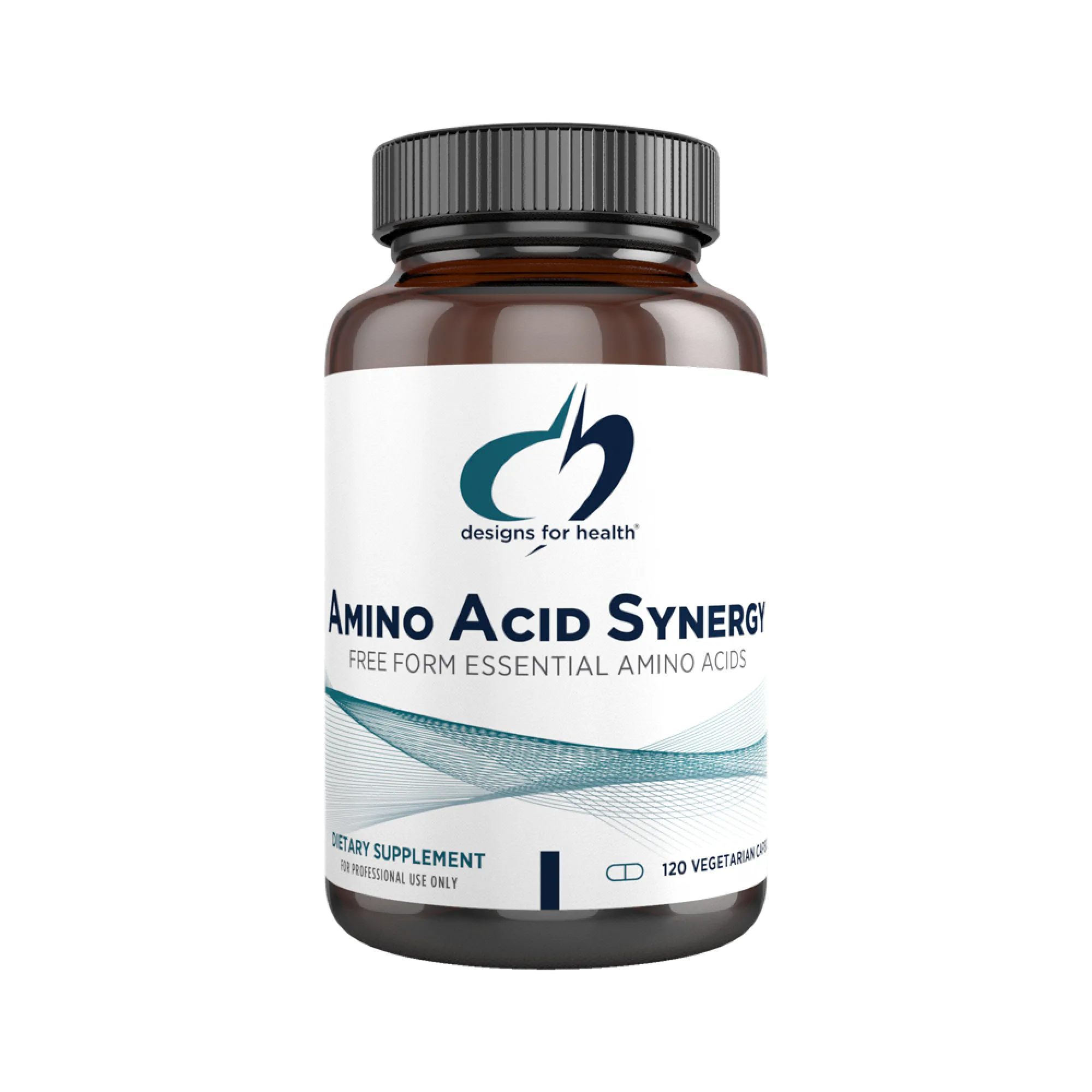
One of the most critical casualties of this metabolic dysfunction is the body's pool of amino acids. Often referred to as the building blocks of life, amino acids do far more than just build muscle; they are the chemical messengers of the brain, the regulators of the immune system, and the alternative fuel sources for starving cells. When these reserves run dry, the resulting energy crash can be debilitating. In this article, we will explore the science behind Amino Acid Synergy by Designs for Health, diving deep into how free-form essential amino acids, combined with targeted cofactors like Alpha-Ketoglutarate and Vitamin B6, can help bypass damaged metabolic pathways, support mitochondrial function, and improve the quality of life for those living with complex chronic illnesses.
TL;DR
Free-form essential amino acids bypass digestion, providing rapid energy and muscle support for chronic illness patients.
Alpha-Ketoglutarate and Vitamin B6 (P5P) help rescue mitochondrial function and clear toxic metabolic byproducts.
Amino Acid Synergy may help manage post-exertional malaise, brain fog, and muscle wasting.
Always combine nutritional support with pacing strategies and consult your healthcare provider.
What is Amino Acid Synergy?
The Building Blocks of Cellular Function
Amino acids are the fundamental organic compounds that combine to form proteins, earning them the title of the "building blocks of life." In a healthy human body, these molecules are responsible for virtually every major physiological process, from synthesizing structural tissues like muscle and collagen to producing the enzymes that drive cellular metabolism. Beyond their structural role, amino acids act as critical signaling molecules and precursors for neurotransmitters, ensuring that the brain and nervous system can communicate effectively with the rest of the body. There are twenty standard amino acids required for human health, which are categorized into essential, non-essential, and conditionally essential groups based on the body's ability to synthesize them endogenously.
Essential amino acids (EAAs) cannot be manufactured by the body and must be obtained strictly through dietary sources or specialized supplementation. This group includes histidine, isoleucine, leucine, lysine, methionine, phenylalanine, threonine, tryptophan, and valine. When a person consumes protein-rich foods, the digestive system must undergo a complex, energy-intensive process to break down the intricate peptide bonds linking these amino acids together. This process requires adequate stomach acid, specifically hydrochloric acid and pepsin, followed by pancreatic enzymes like trypsin and chymotrypsin in the small intestine, to eventually liberate the individual amino acids for absorption into the bloodstream.
The Advantage of Free-Form Amino Acids
Amino Acid Synergy by Designs for Health is a specialized clinical formulation that provides a comprehensive blend of essential amino acids in their "free form." Unlike the protein-bound amino acids found in food or standard protein powders (such as whey or casein), free-form amino acids are not linked together by peptide bonds. Because they exist as individual, unbound molecules, they require absolutely zero enzymatic digestion in the stomach or intestines. This unique molecular structure allows them to bypass the gastrointestinal breakdown process entirely, passing directly through the intestinal lining and into the peripheral bloodstream with remarkable speed and efficiency.
For healthy individuals, digesting whole proteins is a normal and efficient process. However, for patients battling complex chronic illnesses, the energy required to digest, cleave, and absorb complex proteins can be overwhelmingly taxing. Research published in The Journal of Nutrition demonstrates that the intestinal uptake of non-bound, free-form amino acids can be nearly four times more rapid than their protein-bound counterparts. This rapid absorption creates an immediate spike in blood plasma amino acid concentrations, delivering vital building blocks to starving tissues without drawing excessive blood flow to the digestive tract, which can often trigger fatigue or cramping in sensitive individuals.
The Synergistic Cofactors: Alpha-Ketoglutarate and Vitamin B6
What sets Amino Acid Synergy apart from standard amino acid blends is the strategic inclusion of two critical metabolic cofactors: Alpha-Ketoglutarate (AKG) and Vitamin B6 (as Pyridoxal-5-Phosphate, or P5P). Alpha-Ketoglutarate is a vital, rate-determining intermediate molecule in the tricarboxylic acid (TCA) cycle, also known as the Krebs cycle, which takes place inside the mitochondria. It plays a central role in cellular energy (ATP) production and acts as a primary precursor for the synthesis of glutamine, a conditionally essential amino acid that fuels the immune system and protects the gastrointestinal lining.
Vitamin B6, specifically in its metabolically active P5P form, is an absolute biological requirement for over 140 distinct enzymatic reactions in the body, the vast majority of which govern amino acid metabolism. Once the free-form amino acids enter the bloodstream, they rely entirely on P5P-dependent transaminase enzymes to be properly utilized for protein synthesis, neurotransmitter creation, or energy production. By providing the amino acids alongside the exact cofactors required to metabolize them, this formulation ensures that the body can efficiently utilize the nutrients without creating secondary biochemical bottlenecks, making it an invaluable tool for clinical nutritional support.
How Chronic Illness Impacts Amino Acid Metabolism
The Metabolic Shift in Long COVID and ME/CFS
To understand why amino acid supplementation is so critical, we must first examine what causes Long COVID and ME/CFS at a cellular level. In a healthy state, cells generate the vast majority of their energy (ATP) through a highly efficient mitochondrial process called oxidative phosphorylation (OXPHOS), which primarily burns glucose and fatty acids. However, chronic viral infections, severe oxidative stress, and persistent inflammation can physically damage the mitochondria. Recent metabolomic research has revealed that patients with Long COVID and ME/CFS suffer from persistent bioenergetic disruption, characterized by a forced shift away from OXPHOS toward a far less efficient, "dirtier" form of energy production called glycolysis.
When the primary mitochondrial engines are damaged—specifically Complex V of the electron transport chain—the upstream TCA cycle begins to back up. Desperate to maintain cellular function and prevent complete energy failure, the body begins scavenging for alternative fuel sources. It turns to its own structural proteins, breaking down skeletal muscle to harvest circulating amino acids. These amino acids are then aggressively funneled into the broken TCA cycle in a frantic attempt to generate ATP. This constant, pathological catabolism of muscle tissue is a primary driver of the profound physical weakness and muscle wasting frequently reported by patients.
Ammonia Accumulation and Post-Exertional Malaise (PEM)
This metabolic shift comes with a severe toxic cost. Amino acids naturally carry nitrogen atoms, and when they are burned for fuel rather than used for structural repair, this nitrogen is stripped away, generating ammonia as a toxic byproduct. In a healthy body, the urea cycle efficiently clears this ammonia. However, a June 2024 systems modeling study discovered a shared, fundamental disruption in amino acid metabolism across both ME/CFS and Long COVID patients, specifically a severe downregulation in the pathways required to process nitrogen waste.
Because these metabolic pathways are impaired, toxic ammonia and lactic acid rapidly accumulate in the blood, muscles, and brain, particularly after minor physical or cognitive exertion. This biochemical poisoning directly drives the hallmark symptom of these conditions: post-exertional malaise (PEM), or "crashes." The muscles burn and refuse to fire, the brain becomes engulfed in a thick, toxic fog, and the patient is forced into a state of forced rest while the body struggles to slowly clear the metabolic debris. This helps explain why Long COVID symptoms come and go in direct response to exertion levels.
The Kynurenine Pathway and Neurotransmitter Depletion
Chronic illness also fundamentally alters how the body utilizes its remaining amino acids. During periods of chronic immune activation, inflammatory cytokines force the body to shunt essential amino acids down pathological pathways. A prime example is the degradation of the amino acid tryptophan. Instead of being converted into serotonin—the neurotransmitter responsible for mood regulation and sleep—inflammation forces tryptophan down the "kynurenine pathway." This process generates neurotoxic metabolites that directly contribute to brain fog and neuroinflammation.
Furthermore, this inflammatory shunting rapidly consumes the body's available stores of Vitamin B6. A highly detailed 2020 study published in PLOS One analyzed the "PAr Index" (a measure of Vitamin B6 degradation) in lymphoma survivors suffering from cancer-related chronic fatigue. The researchers found that increased destruction of Vitamin B6 correlated directly with known markers of immune activation and inflammation. As B6 is depleted, the body loses its ability to convert amino acids into vital neurotransmitters like dopamine and GABA, leading to severe autonomic nervous system dysregulation, depression, and the profound mental fatigue seen in dysautonomia and POTS.
Amino Acid Synergy: Supporting Energy and Muscle Recovery
Bypassing the Digestive Bottleneck
When the body is trapped in a state of chronic fatigue and metabolic dysfunction, attempting to restore amino acid levels by simply eating more protein is often ineffective. Digesting a heavy steak or a dense protein shake requires a massive expenditure of ATP and draws significant blood flow to the splanchnic (gut) region. For patients with dysautonomia or POTS, this blood pooling in the gut can trigger severe tachycardia, dizziness, and post-prandial fatigue. By utilizing the free-form amino acids in Amino Acid Synergy, patients can completely bypass this digestive bottleneck. The amino acids enter the bloodstream almost instantly, providing immediate nutritional support without the energetic tax or the autonomic symptom flares associated with heavy meals.
Once in the bloodstream, these free-form amino acids act as rapid signaling molecules. Clinical trials have demonstrated that the rapid influx of free amino acids triggers a profoundly different physiological response than the slow trickle of digested proteins. This rapid plasma spiking is essential for overcoming the anabolic resistance often seen in chronic illness, forcing the body to switch from a state of muscle breakdown (catabolism) to a state of tissue repair and regeneration.
Rescuing the TCA Cycle with Alpha-Ketoglutarate
The inclusion of Alpha-Ketoglutarate (AKG) in this formula provides a multi-targeted approach to rescuing mitochondrial function. As a direct intermediate in the Krebs cycle, AKG acts as an alternative fuel source that can bypass damaged upstream metabolic pathways. Metabolomic research has shown that ME/CFS patients exhibit severely depleted AKG levels 24 hours post-exercise, indicating an exhausted TCA cycle. By supplementing with exogenous AKG, the body is provided with the raw materials needed to keep the mitochondrial engines turning, directly supporting the production of ATP and alleviating the severity of cellular energy crashes.
Beyond energy production, AKG serves as a powerful nitrogen scavenger. It chemically binds to the toxic ammonia generated by dysfunctional amino acid metabolism, converting it into glutamate, a safe and usable amino acid. This process effectively neutralizes the metabolic poisons that drive post-exertional malaise. Furthermore, studies have shown that AKG is a primary precursor for glutamine synthesis. By providing a stable source of AKG, the supplement allows the body to generate its own glutamine on demand, protecting the integrity of the gastrointestinal lining and supporting immune function without the instability issues associated with direct glutamine supplementation.
Vitamin B6 (P5P) as the Ultimate Metabolic Cofactor
Providing the body with free-form amino acids is only half the battle; the cells must also have the biochemical tools required to use them. This is where Vitamin B6, in its active Pyridoxal-5-Phosphate (P5P) form, becomes indispensable. P5P acts as the essential co-factor for transaminase enzymes, which are responsible for transferring nitrogen groups between amino acids. This allows the body to safely funnel the supplemented amino acids into the TCA cycle for energy or convert them into specific non-essential amino acids as needed for tissue repair.
Crucially, P5P is also required for the decarboxylation reactions that synthesize neurotransmitters. By ensuring adequate levels of active B6, Amino Acid Synergy supports the conversion of circulating amino acids into dopamine, serotonin, and GABA. This targeted nutritional support helps counteract the neurotransmitter depletion driven by chronic inflammation, offering a mechanistic pathway to alleviate the severe cognitive dysfunction, mood instability, and autonomic nervous system erraticism that plague patients with complex chronic conditions.
Rebuilding Muscle with BCAAs
The formula includes a precise ratio of Branched-Chain Amino Acids (BCAAs)—leucine, isoleucine, and valine. Unlike other amino acids that must be processed by the liver, BCAAs are metabolized directly within the skeletal muscle tissue. Leucine, in particular, acts as a master metabolic switch, directly activating the mammalian target of rapamycin (mTORC1) pathway. Clinical evidence indicates that activating this pathway is an absolute requirement for stimulating muscle protein synthesis and halting the pathological muscle wasting seen in prolonged bed rest or chronic illness.
By delivering a concentrated, rapidly absorbed dose of BCAAs alongside the other essential amino acids, the supplement provides both the signaling trigger (leucine) and the physical building blocks required to rebuild damaged muscle fibers. This synergistic action helps patients maintain their lean body mass, improve their physical stamina, and slowly rebuild their functional capacity without triggering the severe metabolic blowback associated with traditional exercise regimens.
Symptoms Amino Acid Synergy May Help Manage
Post-Exertional Malaise (PEM) and Severe Fatigue: By providing alternative, easily accessible fuel sources for the TCA cycle and utilizing Alpha-Ketoglutarate to scavenge toxic ammonia, the supplement helps reduce the metabolic poisoning that drives severe energy crashes after physical or cognitive exertion.
Muscle Wasting and Physical Weakness: The rapid delivery of free-form Branched-Chain Amino Acids (BCAAs), particularly leucine, directly activates the mTORC1 pathway, stimulating muscle protein synthesis and helping to halt the catabolic breakdown of skeletal muscle tissue.
Cognitive Dysfunction (Brain Fog): The inclusion of active Vitamin B6 (P5P) ensures the body has the necessary cofactors to convert circulating amino acids into vital neurotransmitters like dopamine and GABA, supporting mental clarity, focus, and neurological stability.
Gastrointestinal Distress and Leaky Gut: Alpha-Ketoglutarate serves as a highly stable precursor to glutamine, the primary fuel source for enterocytes (intestinal cells). This supports the repair and maintenance of the gut mucosal barrier, which is often compromised in chronic illness.
Post-Prandial Tachycardia (Dysautonomia): Because free-form amino acids require zero enzymatic digestion, they do not cause the massive pooling of blood in the digestive tract that typically triggers rapid heart rates, dizziness, and fatigue after eating heavy protein meals.
Delayed Muscle Recovery: By bypassing the digestive system, the essential amino acids are immediately available in the peripheral bloodstream to begin repairing micro-tears in muscle tissue, significantly reducing the duration and severity of post-activity muscle soreness.
Practical Considerations: Forms, Dosing, and Absorption
Maximizing Bioavailability with Free-Form Amino Acids
The bioavailability of a supplement dictates how much of the active ingredient actually reaches your systemic circulation to exert a therapeutic effect. Because Amino Acid Synergy utilizes free-form amino acids, its bioavailability profile is exceptionally high. As research on amino acid kinetics demonstrates, these unbound molecules do not require cleavage by stomach acid or pancreatic enzymes. They are rapidly absorbed via sodium-dependent active transporters in the small intestine, leading to a swift and significant spike in blood plasma amino acid levels. This rapid absorption is particularly beneficial for individuals with compromised gastrointestinal function, low stomach acid (hypochlorhydria), or pancreatic insufficiency, ensuring that vital nutrients are absorbed regardless of digestive health.
However, this rapid absorption also means that the amino acids are processed quickly by the body. If a massive dose of free-form amino acids is taken all at once, the body may not be able to utilize them for protein synthesis fast enough, leading to the excess being oxidized (burned) for energy or converted into urea. Therefore, understanding the optimal dosing strategy is critical to maximizing the anabolic and restorative benefits of the supplement without overwhelming the body's metabolic pathways.
Optimal Dosing and Timing
The suggested use for Amino Acid Synergy is to take 4 capsules per day, ideally between meals, or as directed by your healthcare practitioner. Taking the capsules between meals serves a specific physiological purpose. When taken on an empty stomach, the free-form amino acids do not have to compete with dietary proteins or other nutrients for intestinal transporters, ensuring maximum absorption speed and efficiency. Furthermore, taking them away from meals prevents the amino acids from being delayed by the slow digestion of complex carbohydrates and fats in the stomach.
For patients dealing with the symptoms of Long COVID or ME/CFS, it may be beneficial to split the dosage throughout the day—for example, taking two capsules mid-morning and two capsules mid-afternoon. This provides a sustained, steady supply of essential building blocks and metabolic cofactors to the tissues, helping to stabilize energy levels and manage the severe afternoon crashes that are common in chronic fatigue conditions. As always, it is crucial to start with a lower dose and gradually titrate up to assess individual tolerance.
Potential Side Effects and Drug Interactions
While free-form amino acids are generally recognized as safe and well-tolerated, they can cause mild gastrointestinal distress in some individuals. Because free amino acids have a high osmolarity, taking too many at once can draw excess water into the intestines, potentially causing bloating, cramping, or osmotic diarrhea. If you experience nausea when taking the capsules on a completely empty stomach, try taking them with a small, easily digestible carbohydrate snack (like a piece of fruit) to buffer the stomach without significantly slowing absorption.
It is also important to be aware of potential drug interactions. The formula contains L-Arginine, an amino acid that serves as a direct precursor to nitric oxide, a potent vasodilator. While this can help improve blood flow, it can also lower blood pressure. Patients taking antihypertensive medications or nitrates for heart conditions should consult their doctor, as the combination could lead to synergistic drops in blood pressure (hypotension), causing dizziness or lightheadedness. Additionally, the amino acid L-Phenylalanine can compete with Levodopa (a medication used for Parkinson's disease) for absorption across the blood-brain barrier, potentially reducing the drug's efficacy. Always consult with a healthcare provider before introducing a new, potent amino acid blend into your regimen.
Follow the Science
Amino Acids and Long COVID Fatigue
The scientific community is increasingly recognizing the critical role of amino acid metabolism in the pathology of post-viral syndromes. A milestone October 2023 study published in Cell Reports Medicine utilized machine learning to track 117 patients following acute COVID-19 infection. The researchers discovered that significantly low plasma levels of the amino acid taurine were the most striking predictor of adverse Long COVID outcomes. Patients with depleted amino acid profiles experienced drastically more ongoing symptoms and severe fatigue, highlighting the systemic nutritional depletion caused by the virus.
Further clinical trials are actively testing targeted amino acid blends to help manage this fatigue. Oxford University researchers recently initiated a Phase IIa clinical trial (NCT05152849) utilizing AXA1125, an endogenous metabolic modulator composed of branched-chain amino acids (BCAAs), arginine, glutamine, and N-Acetylcysteine. The trial demonstrated promising potential in improving functional clinical outcomes and reducing skeletal muscle weakness in Long COVID patients. The researchers noted that the BCAAs feed directly into the TCA cycle for ATP energy production, validating the mechanistic approach of utilizing free-form amino acids to bypass damaged metabolic pathways.
ME/CFS, Metabolism, and Post-Exertional Malaise
In the realm of myalgic encephalomyelitis/chronic fatigue syndrome (ME/CFS), metabolomic profiling has provided hard data linking amino acid dysfunction to post-exertional malaise. A study analyzing plasma metabolomics 24 hours after a maximal exercise challenge found that ME/CFS patients failed to recover their energy pools. Out of 11 severely altered metabolites, Alpha-Ketoglutarate (AKG) was the second most highly significant. Unlike healthy controls whose metabolic markers stabilized, ME/CFS patients exhibited severely depleted AKG levels post-exercise, proving that their TCA cycles were exhausted and unable to meet the energy demands of physical exertion.
Additionally, the degradation of vital cofactors has been clinically documented. A 2020 study published in PLOS One analyzed the "PAr Index"—a measure of Vitamin B6 catabolism—in patients suffering from chronic cancer-related fatigue. The researchers found that the increased destruction of Vitamin B6 correlated directly with known markers of systemic inflammation (like CRP and Interleukin-6). This establishes a clear, data-driven link between chronic immune activation, the rapid depletion of essential metabolic cofactors like P5P, and the onset of debilitating clinical fatigue.
The Anabolic Power of Free-Form Amino Acids
The physiological differences between free-form and intact proteins have been rigorously tested in clinical settings. A 2022 double-blind randomized trial published in The Journal of Nutrition compared the ingestion of 30 grams of intact milk protein against an exact equivalent of 30 grams of free amino acids. Using isotope tracers, the researchers proved that plasma amino acid concentrations increased vastly more rapidly following the ingestion of the free amino acids.
While both forms successfully stimulated muscle protein synthesis in healthy young adults, the rapid absorption kinetics of free-form amino acids make them uniquely suited for clinical applications. In patients with compromised gastrointestinal tracts, severe autonomic dysfunction, or profound metabolic exhaustion, the ability to deliver essential building blocks directly to the tissues without the energetic cost of digestion is a profound therapeutic advantage. This research underscores why clinical-grade formulations like Amino Acid Synergy prioritize free-form molecules over standard protein isolates.
The Path Forward
A Comprehensive Approach to Pacing and Recovery
Living with a complex chronic illness often feels like trying to navigate a maze in the dark. The profound fatigue, the unpredictable symptom flares, and the constant battle against your own metabolism can be incredibly isolating. It is crucial to understand that learning how to live with Long-Term COVID or ME/CFS requires a multifaceted approach. While targeted nutritional support like Amino Acid Synergy can provide the essential building blocks and metabolic cofactors your body desperately needs to repair itself, supplements are just one piece of the puzzle. They must be combined with aggressive pacing strategies, heart rate monitoring, and a deep respect for your body's energy envelope to truly help manage post-exertional crashes.
Validating the Invisible Struggle
If you are struggling to maintain your muscle mass, fighting through thick brain fog, or feeling completely depleted after minor exertion, your symptoms are real, they are valid, and they are rooted in measurable physiological dysfunction. The scientific community is finally uncovering the metabolic mechanisms behind these invisible illnesses, and with that knowledge comes the power to intervene. By supporting your mitochondria, rescuing your TCA cycle, and providing your body with easily accessible free-form amino acids, you can help shift your system from a state of constant breakdown toward a state of gradual repair.
Always consult with your healthcare provider before starting any new supplement regimen, especially if you are taking prescription medications or have underlying kidney or liver conditions. Together with your medical team, you can develop a comprehensive, science-backed strategy to support your cellular health and improve your daily quality of life.