Can Amino Acids Support Muscle Recovery and Brain Fog in Long COVID?
March 5, 2026
Amino Acid SupremeLong COVIDME/CFS
Share:
Disclaimer: The information provided here is for educational purposes only and is not intended as medical advice. It should not be used to diagnose, treat, cure, or prevent any medical condition. Instead, use it as a starting point for discussion with your healthcare provider. Always consult with a qualified healthcare provider before starting any new medication, supplement, device, or making changes to your health regimen.
Months or even years after recovering from an initial viral infection, many people find themselves fighting a daily, exhausting battle against debilitating symptoms. The profound fatigue, heavy limbs, and cognitive dysfunction—often referred to as brain fog—are hallmark signs of complex chronic conditions like Long COVID, myalgic encephalomyelitis/chronic fatigue syndrome (ME/CFS), and dysautonomia. For those living with these invisible illnesses, the exhaustion is not merely a feeling of being tired; it is a fundamental, cellular-level energy crisis that affects every system in the body, leaving patients desperate for validating answers and effective management strategies.
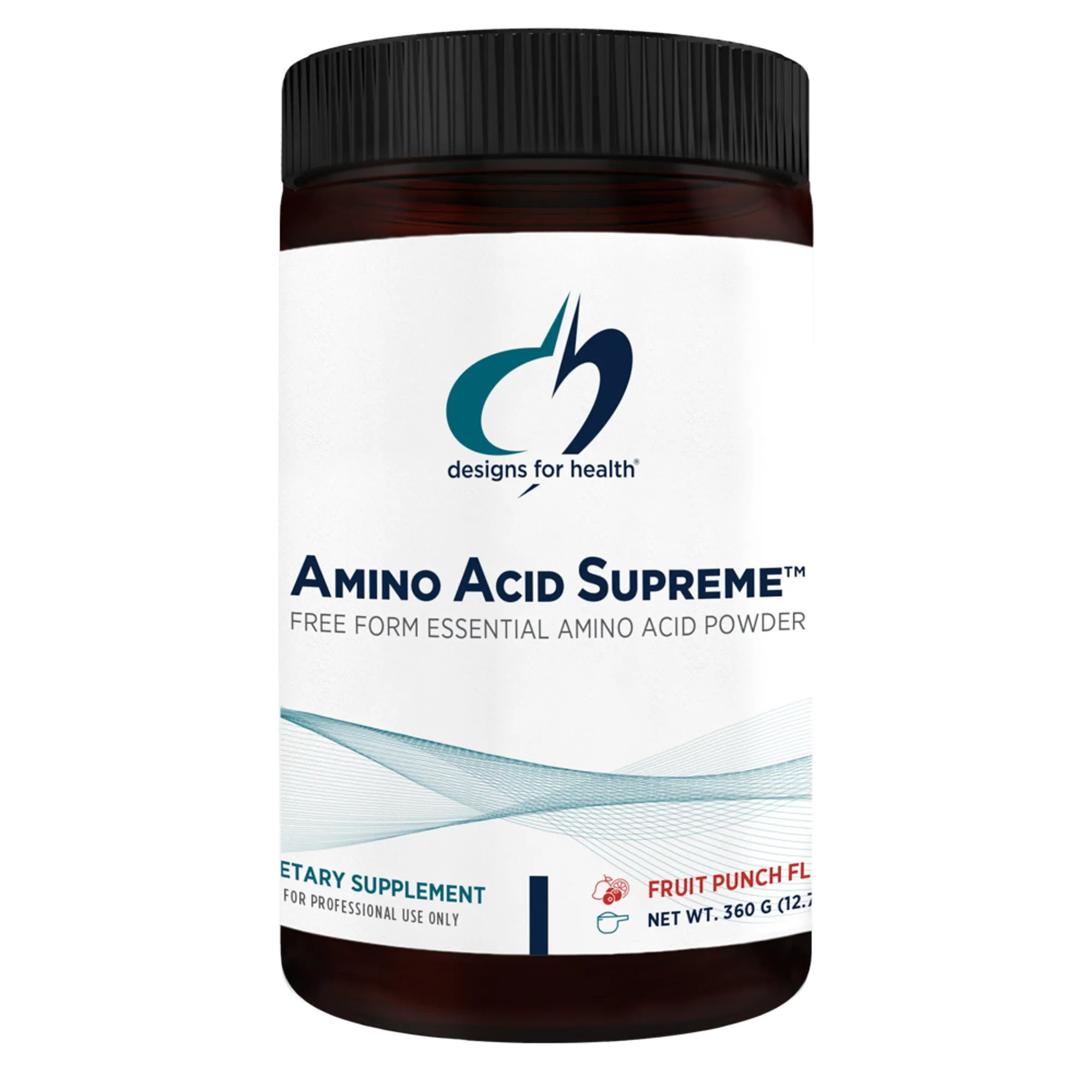
When traditional medical tests return "normal" results, it can be incredibly frustrating to articulate just how broken your body feels. However, emerging metabolomic research is finally validating what patients have known all along: the fatigue is rooted in objective, measurable disruptions of cellular energy production and metabolic function. One of the most significant discoveries in this field is the severe depletion of essential amino acids. By understanding how the body "burns" these vital building blocks to survive, we can begin to explore targeted nutritional interventions, like Amino Acid Supreme™, designed to support mitochondrial function, muscle recovery, and neurological stability.
TL;DR
Essential amino acids (EAAs) may support muscle repair and mitochondrial function in chronic conditions.
Free-form amino acids bypass digestion for rapid absorption, aiding those with gastrointestinal issues.
Targeted EAA supplementation may help manage fatigue, brain fog, and post-exertional malaise.
Always consult a healthcare provider before starting new supplements, especially if taking existing medications.
What is Amino Acid Supreme™ and How Do Essential Amino Acids Function?
The Essential Building Blocks of Protein Synthesis
Of the twenty amino acids required by the human body to construct proteins, synthesize hormones, and maintain cellular structure, nine are classified as "essential." These nine essential amino acids (EAAs)—which include histidine, isoleucine, leucine, lysine, methionine, phenylalanine, threonine, tryptophan, and valine—cannot be synthesized de novo (from scratch) by the human body. Because we lack the specific genetic material and enzymatic machinery to create them, they must be obtained entirely through diet or targeted supplementation. These molecules are the fundamental building blocks that govern the body's transition from a catabolic state of tissue breakdown to an anabolic state of tissue repair and growth.
The primary mechanism by which EAAs stimulate the repair and growth of skeletal muscle is through a highly complex cellular signaling pathway known as the mechanistic target of rapamycin complex 1 (mTORC1). Among the essential amino acids, the branched-chain amino acids (BCAAs)—specifically leucine—act as direct nutrient sensors within the cell. When leucine enters the cellular environment and reaches the surface of the lysosome, it triggers the translocation and activation of mTORC1. Once activated, mTORC1 signals downstream effectors, such as S6 kinase 1 (S6K1) and 4E-binding protein 1 (4E-BP1), which directly initiate the translation of messenger RNA into new, functional muscle proteins.
However, the activation of this pathway is entirely dependent on the concentration gradient of amino acids in the blood. A rapid influx of EAAs creates the necessary chemical gradient for cellular uptake, pushing the body into a state of active repair. This is why the precise timing and bioavailability of amino acid ingestion are critical for maximizing metabolic recovery.
The Muscle-Brain Metabolic Axis
Beyond their role in building physical tissue, essential amino acids are deeply integrated into the body's systemic stress response through what researchers call the muscle-brain metabolic axis. Skeletal muscle acts as a massive physiological reservoir for EAAs. During states of extreme physiological stress, chronic illness, or rigorous endurance exercise, the body requires a constant stream of energy and chemical precursors to survive. If dietary intake or cellular energy production is insufficient, the body will initiate muscle catabolism—breaking down its own muscle tissue to release stored EAAs back into the bloodstream.
Once liberated from muscle tissue, these essential amino acids travel to the liver, where they undergo gluconeogenesis to be converted into emergency energy, and to the brain, where they ensure the continuous synthesis of vital neurotransmitters. This evolutionary survival mechanism prioritizes central nervous system function over muscle preservation. Therefore, maintaining high rates of muscle protein synthesis through adequate EAA availability doesn't just build physical strength; it preserves the body's biological "savings account" of neurotransmitter precursors, protecting the brain during periods of prolonged physiological stress.
Neurotransmitter Precursors and the Blood-Brain Barrier
In the central nervous system, specific essential amino acids act as the direct, mandatory precursors for the brain's primary neurotransmitters. The "aromatic" amino acids, primarily tryptophan and phenylalanine, undergo precise enzymatic conversions to regulate mood, focus, and autonomic function. Tryptophan is synthesized into serotonin via the rate-limiting enzyme tryptophan hydroxylase, governing sleep cycles and emotional stability. Meanwhile, phenylalanine is converted into tyrosine, which is then transformed by tyrosine hydroxylase into L-DOPA, and subsequently into the catecholamines: dopamine, norepinephrine, and epinephrine.
Because these amino acids are large molecules, they cannot passively diffuse into the brain; they must actively cross the highly selective Blood-Brain Barrier (BBB) using specific Large Neutral Amino Acid (LNAA) transporters. Interestingly, BCAAs and aromatic amino acids must compete for these exact same transporters. During prolonged stress or exertion, as muscles aggressively consume BCAAs for energy, plasma BCAA levels drop. This drop suddenly allows excess tryptophan to cross the BBB unchallenged, leading to an acute spike in brain serotonin. This phenomenon, known as the "central fatigue hypothesis," creates a sensation of deep lethargy and mental exhaustion, highlighting why balanced amino acid pools are critical for cognitive endurance.
How Long COVID and ME/CFS Impact Amino Acid Metabolism
"Burning the Furniture": The Shift to Amino Acid Catabolism
To understand the profound exhaustion experienced by individuals with Long COVID and ME/CFS, we must examine how these conditions fundamentally alter cellular metabolism. Healthy bodies rely primarily on glucose (carbohydrates) and fatty acids to produce adenosine triphosphate (ATP)—the cellular energy currency—inside the mitochondria. However, recent research highlights intrinsic mitochondrial dysfunction, endothelial abnormalities, and a muscle fiber type shift towards a more glycolytic phenotype as main contributors to reduced exercise capacity in Long COVID. Viral insults and chronic inflammation impair specific metabolic gateways, effectively blocking the cell's ability to convert carbohydrates into usable energy.
Because the cells cannot efficiently use their preferred fuel sources, the body is forced into a state of metabolic emergency. To survive and keep the vital organs functioning, the body begins catabolizing (breaking down) its own amino acids to fuel the mitochondria. Medical researchers often compare this destructive process to "burning the furniture to keep the lights on in the house." This relentless scavenging leads to a profound, systemic depletion of amino acid pools in both the blood plasma and skeletal muscle, directly contributing to the heavy, lead-like limb sensation that patients frequently report.
Metabolomic profiling of patients with Long COVID and ME/CFS has identified specific, predictable amino acid deficits that correlate directly with symptom severity. For instance, levels of glutamine and asparagine are often severely depleted. Glutamine is the primary fuel for rapidly dividing immune cells; the constant state of systemic inflammation in these conditions causes the demand for glutamine to skyrocket. Furthermore, branched-chain amino acids (BCAAs) are heavily scavenged for emergency catabolic fuel, leaving the muscles starved of the very signaling molecules required to initiate repair and recovery.
The Ammonia Problem and Cognitive Dysfunction
When the body is forced to burn amino acids for energy instead of using them for structural repair, it creates a highly toxic metabolic byproduct: ammonia. In a healthy, functioning metabolism, specific amino acids like alanine and ornithine act as chemical scavengers. They trap the excess ammonia and safely clear it from the body via the urea cycle in the liver. This elegant waste-management system ensures that the blood remains free of neurotoxic compounds during normal daily activities and exercise.
However, because patients with Long COVID and ME/CFS have critically low levels of these specific scavenger amino acids, the urea cycle becomes impaired and sluggish. As a result, ammonia begins to build up in the bloodstream and skeletal muscles as a toxic byproduct of this anaerobic-like energy production. This accumulation of ammonia can cross the blood-brain barrier, where it is strongly suspected by neurologists to be a primary biological driver of the severe cognitive dysfunction, neurotoxicity, and debilitating "brain fog" that characterizes these complex chronic illnesses.
Post-Exertional Malaise (PEM) and Cellular Depletion
This catastrophic metabolic breakdown perfectly explains the physiology behind post-exertional malaise (PEM), the hallmark symptom where patients experience a severe exacerbation of symptoms following minor physical or cognitive effort. Even mild exertion pushes this fragile, compromised metabolic system over the edge. It immediately drains whatever small ATP and amino acid reserves are left in the tissues, causes lactic acid to rapidly accumulate, and triggers localized cellular hypoxia in the skeletal muscles.
Once these vital metabolic pools are drained, the body lacks the raw materials required to quickly rebuild them. Replenishing these specific amino acid and ATP pools can take the body days, weeks, or even months, resulting in the prolonged and unpredictable "crash" that patients endure. Understanding this mechanism is crucial for validating the patient experience; it proves that pushing through the fatigue is biologically harmful. For more information on how these conditions overlap, you can read our detailed guide on Can Long COVID Trigger ME/CFS? Unraveling the Connection.
Amino Acid Supreme™: Supporting Metabolic and Neurological Function
Free-Form Amino Acids for Rapid Cellular Delivery
Amino Acid Supreme™ is specifically formulated to address these profound metabolic deficits by providing essential amino acids in their "free form." In a standard diet, amino acids are bound together by complex peptide bonds to form intact proteins (like those found in meat, eggs, or dairy). To utilize these proteins, the digestive system must secrete stomach acid and pancreatic enzymes to cleave the peptide bonds, a process that requires significant energy and optimal gastrointestinal function. For patients dealing with dysautonomia and Long COVID symptoms, gut motility and enzymatic production are often severely compromised.
Free-form amino acids bypass this energy-intensive digestive process entirely. Because they are already separated into single, unbound molecules, they require no enzymatic breakdown in the stomach or intestines. Upon ingestion, they are immediately available for absorption through the intestinal wall and directly into the bloodstream. This rapid absorption creates the sharp spike in extracellular plasma concentration required to trigger the mTORC1 pathway, ensuring that the amino acids are rapidly set for metabolic use and muscle protein synthesis rather than lingering in a sluggish digestive tract.
Alpha-Ketoglutarate (AKG) and Unblocking the Krebs Cycle
A defining feature of Amino Acid Supreme™ is the inclusion of Alpha-Ketoglutarate (AKG), a critical intermediate molecule in the mitochondrial Krebs cycle (also known as the citric acid cycle). Inside the mitochondria, the Krebs cycle is the primary engine of cellular energy production, taking metabolic substrates and converting them into ATP. For this cycle to continue smoothly, AKG must be continuously converted into a subsequent molecule called succinyl-CoA, a reaction driven by the Alpha-Ketoglutarate Dehydrogenase Complex.
In post-viral conditions, oxidative stress and viral damage often cause this specific enzyme complex to stall, essentially "jamming" the Krebs cycle. When this blockade occurs, ATP production plummets, and the body is starved of energy. By supplementing with highly bioavailable AKG, the formula provides a direct, alternative substrate to the mitochondria. This targeted metabolic support helps to bypass enzymatic bottlenecks, "unblock" the stalled Krebs cycle, and restore the flow of electrons required for efficient cellular energy production, directly combating systemic fatigue.
Pyridoxal-5-Phosphate (P5P) as the Master Conductor
To ensure that the essential amino acids are properly utilized, the formula includes Vitamin B6 in its biologically active coenzyme form: Pyridoxal-5-Phosphate (P5P). Unlike standard, inactive vitamin B6 supplements (pyridoxine hydrochloride) which must be converted by a struggling liver into an active form, P5P is already primed for immediate cellular use. P5P acts as an absolute biochemical powerhouse, serving as an essential cofactor for over 140 distinct enzymatic reactions in the human body, specifically governing how amino acids are built, broken down, and repurposed.
At a molecular level, P5P drives two critical processes: transamination and decarboxylation. Transamination allows the body to transfer amino groups to synthesize new proteins and clear metabolic waste. Decarboxylation is the exact chemical step required to strip the carboxyl group off amino acids, converting them into vital neurotransmitters. Without adequate P5P, the brain cannot convert glutamate into the calming neurotransmitter GABA, nor can it convert tryptophan into serotonin. By providing P5P alongside essential amino acids, the formula ensures the nervous system has both the raw materials and the chemical catalysts needed to restore neurological stability.

Symptoms Amino Acid Supreme™ May Help Manage
Physical and Muscular Symptoms
Muscle Weakness and Atrophy: By providing a rapid influx of free-form leucine and other essential amino acids, the supplement directly activates the mTORC1 signaling pathway. This helps shift the body out of a catabolic (muscle-wasting) state and into an anabolic state, promoting the repair and maintenance of skeletal muscle tissue that is often lost during prolonged periods of bed rest or chronic illness.
Post-Exertional Malaise (PEM): The inclusion of Alpha-Ketoglutarate (AKG) supports the mitochondrial Krebs cycle, helping to restore efficient ATP energy production. By pre-emptively supplying the blood with essential amino acids, the body is less likely to scavenge and break down its own muscle tissue during mild exertion, potentially reducing the severity and duration of metabolic crashes.
Heavy, "Lead-Like" Limbs: This common sensation is often driven by the accumulation of lactic acid and the severe depletion of localized ATP and branched-chain amino acids in the muscle tissue. Replenishing these specific metabolic pools helps restore normal cellular respiration and muscular endurance.
Cognitive and Neurological Symptoms
Brain Fog and Cognitive Fatigue: When the body burns amino acids for fuel, it produces toxic ammonia that clouds cognitive function. By supplying the necessary amino acid precursors to support the liver's urea cycle, the body can more efficiently trap and excrete this ammonia, helping to clear the neurotoxic burden that drives brain fog.
Mood Instability and Anxiety: The active coenzyme Pyridoxal-5-Phosphate (P5P) is the mandatory catalyst required to convert dietary amino acids into neurotransmitters. By supporting the enzymatic conversion of glutamate into GABA (the brain's primary calming neurotransmitter), the formula helps soothe an overactive, hyper-vigilant nervous system.
Sleep Disturbances: Essential amino acids like tryptophan are the direct biological precursors to serotonin, which is subsequently converted into melatonin in the pineal gland. Providing these raw materials, alongside the P5P required to process them, supports the natural circadian rhythms often disrupted in complex chronic illnesses.
Autonomic and Systemic Symptoms
Immune System Dysregulation: Chronic viral responses and systemic inflammation cause the immune system to rapidly consume specific amino acids, particularly glutamine, to fuel the proliferation of white blood cells. Supplementing with a balanced profile of free-form amino acids helps prevent the immune system from draining the body's structural reserves.
Dysautonomia-Related Fatigue: The autonomic nervous system relies heavily on catecholamines (dopamine, norepinephrine, and epinephrine) to regulate heart rate and blood vessel constriction. By providing phenylalanine and the P5P required to synthesize these neurotransmitters, the formula supports the neurological pathways necessary for maintaining vascular tone and autonomic stability.
Practical Considerations: Forms, Dosing, and Absorption
The Advantage of Free-Form Supplementation
When considering amino acid supplementation, the physical form of the nutrient dictates its clinical efficacy, especially for individuals with complex chronic conditions. Amino Acid Supreme™ utilizes a free-form powder delivery system, which offers significant advantages over traditional protein shakes or encapsulated supplements. Because the amino acids are unbound, they do not require the secretion of hydrochloric acid or pancreatic enzymes for digestion. This is profoundly beneficial for patients suffering from dysautonomia, gastroparesis, or general gastrointestinal hypomotility, where the digestive tract struggles to break down heavy, complex meals.
Furthermore, the powder format allows the amino acids to be dissolved in water, facilitating rapid gastric emptying. This ensures that the nutrients bypass the stomach quickly and enter the small intestine, where they are immediately absorbed into the portal vein. This rapid absorption is what creates the sharp, necessary spike in blood plasma amino acid concentrations required to signal the body to begin muscle protein synthesis and halt catabolic tissue breakdown.
Optimal Timing and Dosage Strategies
To maximize the bioavailability and neurological benefits of Amino Acid Supreme™, timing is a critical factor. It is generally recommended to consume free-form amino acids away from other heavy protein meals. When you consume intact dietary proteins (like a piece of chicken), the resulting flood of various amino acids can compete for the same absorption transporters in the intestinal wall and the Blood-Brain Barrier. By taking the supplement on an empty stomach or between meals, you ensure that the specific essential amino acids, particularly the neurotransmitter precursors, have unimpeded access to the central nervous system.
For patients managing post-exertional malaise and Long COVID symptoms, strategic dosing around periods of necessary exertion can be highly beneficial. Consuming the supplement shortly before or immediately after a physical therapy session, a cognitive task, or a necessary errand can pre-emptively supply the blood with branched-chain amino acids. This helps saturate the Blood-Brain Barrier transporters, potentially blunting the central fatigue serotonin spike and providing the mitochondria with immediate substrates to prevent a severe metabolic crash.
Potential Interactions and Contraindications
While essential amino acids are natural compounds required for human life, targeted high-dose supplementation requires careful consideration. Because amino acid metabolism produces nitrogenous waste (like urea and ammonia) that must be filtered by the kidneys, individuals with pre-existing chronic kidney disease (CKD) or those on medically mandated protein-restricted diets must consult their nephrologist or primary care provider before introducing an amino acid supplement to ensure it aligns with their renal clearance capabilities.
Additionally, because Amino Acid Supreme™ provides high doses of neurotransmitter precursors (like phenylalanine and tryptophan) and the active P5P enzyme required to synthesize them, patients taking psychiatric medications must exercise caution. Medications that alter neurotransmitter levels, such as Selective Serotonin Reuptake Inhibitors (SSRIs) or Monoamine Oxidase Inhibitors (MAOIs), can interact with these precursors. Always consult with a qualified healthcare practitioner to ensure that the supplement safely complements your existing pharmaceutical regimen and overall management strategy.

Follow the Science: Clinical Evidence for Amino Acid Therapy
Metabolomic Profiling in Post-Viral Illness
The clinical understanding of post-viral fatigue has evolved dramatically over the last decade, shifting from psychological theories to hard, objective metabolic science. A 2024 opinion article published in Trends in Endocrinology and Metabolism highlighted intrinsic mitochondrial dysfunction, endothelial abnormalities, and a muscle fiber type shift towards a more glycolytic phenotype as main contributors to reduced exercise capacity in Long COVID. Furthermore, rapid skeletal muscle tissue damage and intramuscular infiltration of immune cells were noted to contribute to post-exertional malaise (PEM) symptoms.
These findings directly mirror pioneering research conducted on ME/CFS, which analyzed the blood of ME/CFS patients and found stunningly identical abnormalities in energy production pathways. Just like in Long COVID, ME/CFS patients exhibited abnormally high levels of pooled AKG. Researchers concluded this was objective evidence of a "Cell Danger Response"—a state where the mitochondria detect a persistent threat and intentionally shift from energy production mode into a hypometabolic defense mode, effectively shutting down the Krebs cycle and forcing the body to catabolize amino acids for survival.
Evidence for BCAA and AKG Supplementation
Because the fatigue is rooted in these stalled enzymatic pathways, clinical trials are increasingly focusing on targeted metabolic therapies.
Essential amino acid supplementation is often discussed for its clinical efficacy in supporting muscle protein synthesis and recovery. By providing a highly bioavailable source of BCAAs, targeted supplementation may competitively block tryptophan from crossing the Blood-Brain Barrier during exertion, potentially blunting the neurological serotonin spike that drives the sensation of central fatigue.
P5P's Role in Neurological Stability
The inclusion of Pyridoxal-5-Phosphate (P5P) in amino acid therapy is supported by robust neurological research demonstrating its indispensable role in neurotransmitter synthesis. Research utilizing animal models has demonstrated that the administration of active vitamin B6 can enhance GAD67 protein levels in the hippocampus. This specific enzymatic boost significantly increased the production of GABA, the brain's primary inhibitory neurotransmitter, illustrating that P5P availability may support the brain's ability to calm hyperexcitability and neuroinflammation.
Similarly, research examining human neuroblastoma cells found that a deficiency in P5P directly caused a severe loss of AADC enzyme activity. Because the AADC enzyme is entirely dependent on P5P to convert amino acid precursors into dopamine and serotonin, a lack of this vital cofactor literally throttles the brain's ability to produce mood-regulating chemicals. This establishes adequate P5P levels as an absolute biological prerequisite for treating the mood disorders, anxiety, and cognitive fatigue so prevalent in complex chronic illnesses.
The Path Forward
Validating the Metabolic Reality of Chronic Illness
Living with a complex chronic illness often means fighting two battles simultaneously: the exhausting physical symptoms of the disease itself, and the emotional toll of having those symptoms misunderstood or dismissed by the traditional medical system. It is vital to understand that the crushing fatigue, the heavy limbs, and the dense brain fog you experience are not psychological manifestations or signs of deconditioning. As metabolomic science clearly shows, these symptoms are the direct result of an objectively measurable metabolic blockade. Your body is fighting a cellular energy crisis, and your symptoms are a valid, physiological response to that struggle.
While the science of post-viral illness is complex, understanding the root mechanisms—like the stalling of the Krebs cycle and the catabolism of essential amino acids—provides a beacon of hope. It shifts the narrative from a mysterious, untreatable condition to a specific biochemical challenge that can be supported with targeted interventions. For more insights on navigating this journey, explore our guide on How Can You Live with Long-Term COVID.
A Comprehensive Management Strategy
While Amino Acid Supreme™ offers a powerful tool for supporting muscle protein synthesis, unblocking mitochondrial energy production, and providing the raw materials for neurological stability, it is important to remember that supplements are just one piece of a comprehensive management puzzle. True metabolic recovery in conditions like Long COVID and ME/CFS requires a holistic, multifaceted approach. Aggressive resting, strict energy pacing, and meticulously tracking your symptom triggers are non-negotiable strategies for preventing the metabolic crashes that drain your cellular reserves.
We encourage you to work closely with a healthcare provider who understands the intricacies of what causes Long COVID and dysautonomia. A knowledgeable practitioner can help you integrate targeted nutritional support with nervous system regulation techniques, dietary modifications, and appropriate medical treatments to create a personalized roadmap toward improved quality of life.
Next Steps
If you are struggling with profound fatigue, muscle weakness, or cognitive dysfunction, supporting your body's foundational metabolic pathways may be a critical step forward. Always consult with your healthcare provider before introducing new supplements to ensure they are safe and appropriate for your specific medical history and current treatment plan.