Can Aloe/200x™ Support Gut Healing for Long COVID and MCAS Patients?
March 5, 2026
Aloe/200x™Long COVIDMCAS
Share:
Disclaimer: The information provided here is for educational purposes only and is not intended as medical advice. It should not be used to diagnose, treat, cure, or prevent any medical condition. Instead, use it as a starting point for discussion with your healthcare provider. Always consult with a qualified healthcare provider before starting any new medication, supplement, device, or making changes to your health regimen.
Living with complex chronic conditions like Long COVID, myalgic encephalomyelitis/chronic fatigue syndrome (ME/CFS), and mast cell activation syndrome (MCAS) often feels like navigating a labyrinth with no clear exit. For many patients, the gastrointestinal tract becomes a central battleground, manifesting as severe bloating, unpredictable bowel habits, new food sensitivities, and debilitating systemic inflammation. When the gut barrier is compromised, it sets off a cascade of immune dysregulation that can amplify symptoms throughout the entire body, from crushing fatigue to severe brain fog. Finding targeted, gentle ways to soothe this inflammation and restore the integrity of the gut lining is a critical step in managing these unpredictable illnesses.
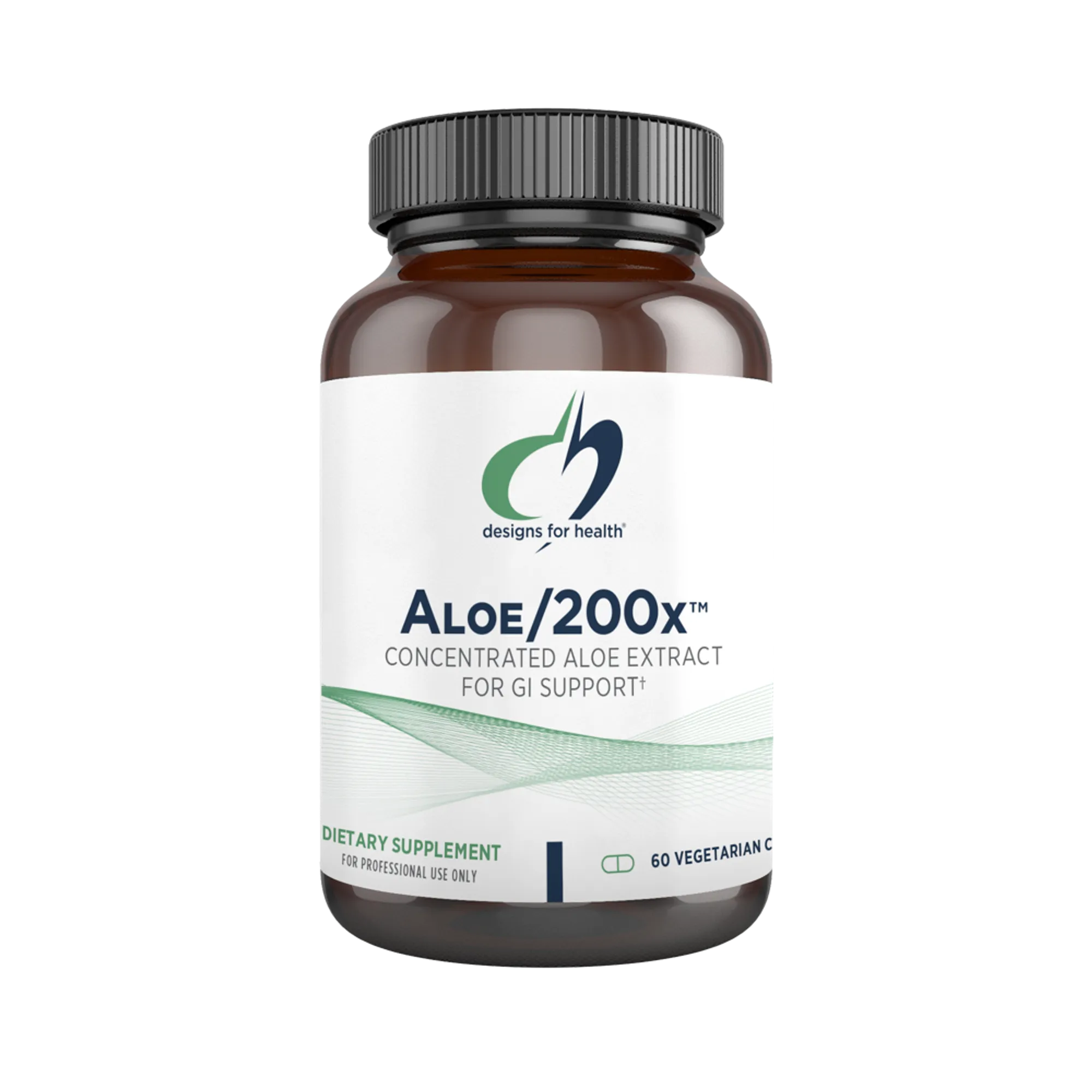
Enter Aloe/200x™, a highly concentrated, specialized formulation of aloe vera extract designed to support gastrointestinal health and immune function. While aloe vera is commonly known as a topical remedy for sunburns, its internal applications are deeply rooted in complex cellular biology. By utilizing a unique low-heat dehydration process, this supplement preserves the delicate, long-chain polysaccharides that are essential for modulating the immune system and repairing the intestinal mucosa. In this comprehensive guide, we will explore the intricate mechanisms behind Aloe/200x™, how it interacts with the compromised gut in chronic illness, and why preserving the natural integrity of this ancient plant is vital for modern therapeutic use.
TL;DR
Aloe/200x™ is a concentrated aloe extract that supports gut healing and immune function in chronic illness.
Its cold-processed polysaccharides help manage inflammation, rebuild the gut barrier, and support a healthy microbiome.
Natural compounds in the extract may help stabilize mast cells, easing MCAS and gastrointestinal symptoms.
Always consult your healthcare provider before adding new supplements to your management protocol.
What is Aloe/200x™?
The Anatomy of the Aloe Vera Plant
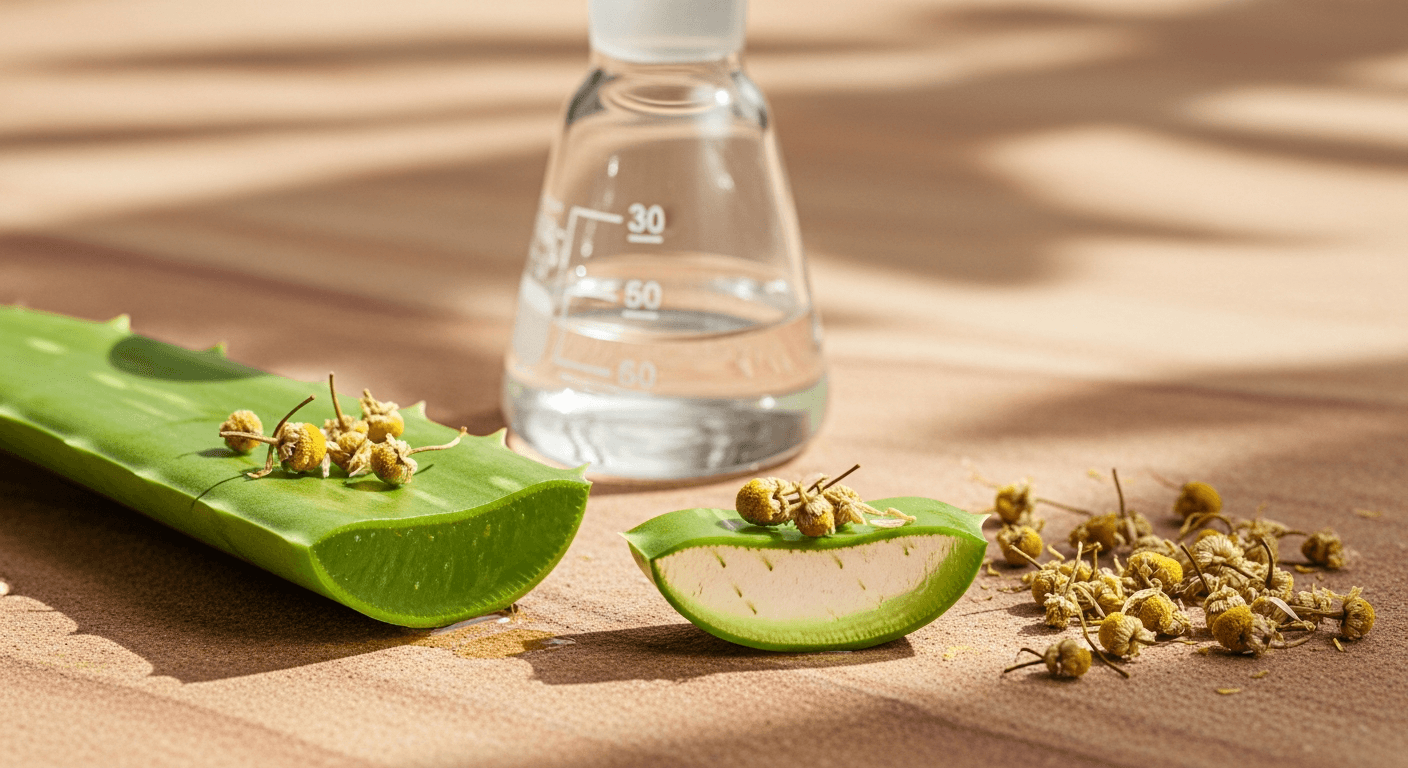
To truly understand the therapeutic potential of Aloe/200x™, we must first look at the biological architecture of the Aloe barbadensis plant. The aloe leaf is composed of distinct layers, each housing entirely different biochemical compounds. The outer green rind provides structural support, while the layer immediately beneath it contains the "latex," a yellow sap rich in anthraquinones like aloin, which act as powerful, often harsh laxatives. However, the innermost part of the leaf contains a clear, mucilaginous gel. This inner gel is a complex matrix of water, vitamins, minerals, enzymes, and, most importantly, bioactive carbohydrates. In high-quality supplements designed for gastrointestinal healing, it is this inner gel that is meticulously extracted, leaving the irritating latex behind.
Within this inner gel lies the true medicinal powerhouse of the plant: a specific class of complex sugars known as polysaccharides. The most prominent and clinically significant of these is acemannan, a long-chain polymer composed of acetylated mannose and glucose molecules. In a healthy body, these polysaccharides interact directly with the immune system and the gastrointestinal lining. Because human digestive enzymes cannot easily break down the intricate beta-(1→4) glycosidic bonds that hold acemannan together, these molecules travel largely intact through the stomach and small intestine, arriving in the colon where they serve highly specialized physiological functions.
The Power of Long-Chain Polysaccharides
The length and structural integrity of these polysaccharide chains directly dictate their biological efficacy. Long-chain polysaccharides act as a profound immunomodulatory signal when they come into contact with the gut-associated lymphoid tissue (GALT), which houses the majority of the body's immune cells. When these intact chains bind to specific receptors on the surface of immune cells, such as Toll-like receptor 4 (TLR4), they initiate a cascade of intracellular communication that helps regulate inflammation. If these chains are broken down or degraded by excessive heat or harsh chemical processing, they lose their ability to dock with these cellular receptors, rendering the extract biologically inert.
Furthermore, these intact long-chain polysaccharides serve as a premium prebiotic substrate for the gut microbiome. As they reach the large intestine, beneficial bacteria ferment the acemannan, producing crucial metabolic byproducts known as short-chain fatty acids (SCFAs). These SCFAs, particularly butyrate, are the primary energy source for colonocytes (the cells lining the colon) and are essential for maintaining a tight, impermeable gut barrier. By providing this specific fermentable fiber, the polysaccharides in aloe vera actively cultivate a microbial environment that favors anti-inflammatory bacterial species over opportunistic pathogens.
The Unique 200:1 Concentration Process
What sets Aloe/200x™ apart from standard aloe juices or powders is its extraordinary concentration and meticulous processing. The "200x" designation means that it takes 200 pounds of raw, inner-leaf aloe vera gel fillets to produce just one single pound of this potent extract. This massive concentration ensures that patients receive a clinically relevant dose of acemannan and other bioactive constituents without having to consume large volumes of liquid, which can be difficult for those with severe gastrointestinal distress or volume sensitivities. This density of active ingredients maximizes the potential for mucosal healing and immune modulation.
Equally critical to the concentration is the method of preservation. Aloe/200x™ utilizes a specialized low-heat dehydration system, ensuring that the product never reaches a temperature higher than 99° Fahrenheit. High heat, which is commonly used in commercial aloe processing to pasteurize and rapidly dry the gel, violently breaks the delicate beta-glycosidic bonds, shattering the long polysaccharide chains into smaller, less effective fragments. By keeping the temperature strictly below 99°F and leaving the extract unfiltered, this unique process retains the natural, complex makeup of the plant, delivering the polysaccharides to the gut exactly as they are found in nature.
How Long COVID and MCAS Impact the Gastrointestinal System
Viral Persistence and Microbiome Dysbiosis
In conditions like Long COVID and ME/CFS, the gastrointestinal tract often undergoes profound and sustained physiological changes. Research has increasingly shown that the gut can act as a reservoir for viral persistence. In Long COVID, SARS-CoV-2 RNA and spike proteins can remain embedded in the intestinal tissue for months or even years after the acute infection has passed. This persistent viral presence continuously triggers local immune cells, creating a state of chronic, low-grade inflammation in the gut lining. This localized immune battle drastically alters the environment of the microbiome, making it hostile to beneficial bacteria.
As a result, patients frequently develop severe microbiome dysbiosis. Studies have demonstrated that individuals with Long COVID exhibit a marked depletion of beneficial, butyrate-producing bacteria such as Faecalibacterium prausnitzii and Bifidobacterium. Simultaneously, there is an overgrowth of pro-inflammatory, opportunistic pathogens. This loss of beneficial flora means the gut is no longer producing adequate short-chain fatty acids, starving the colonocytes of their primary energy source and leaving the intestinal lining vulnerable to damage. You can learn more about how this dysbiosis presents clinically in our guide on Gastrointestinal Symptoms Seen with Long COVID.
Intestinal Permeability and the "Leaky Gut" Cycle
The combination of viral persistence, localized inflammation, and the loss of protective short-chain fatty acids inevitably leads to a breakdown of the intestinal barrier, commonly referred to as "leaky gut" or intestinal permeability. The cells lining the gut are held together by tight junction proteins, such as zonulin, occludin, and claudin. In chronic illness, inflammatory cytokines cause these tight junctions to loosen and separate. Recent studies analyzing Long COVID patients have found elevated biomarkers of this barrier breakdown, indicating that the gut is no longer functioning as an effective filter.
When the gut barrier becomes permeable, bacterial endotoxins—specifically lipopolysaccharides (LPS)—and undigested food particles leak from the intestinal tract directly into the systemic bloodstream. Once in the blood, these endotoxins are recognized as foreign invaders by the systemic immune system, triggering a massive release of pro-inflammatory cytokines like IL-6 and TNF-alpha. This systemic hyperinflammation travels along the gut-brain axis, driving the severe neurological symptoms, brain fog, and crushing fatigue that characterize ME/CFS and Long COVID. It is a vicious cycle: gut inflammation causes permeability, which causes systemic inflammation, which further damages the gut.
Mast Cell Activation in the Gut Lining
This cycle of permeability and inflammation is deeply intertwined with mast cell activation syndrome (MCAS), a condition frequently comorbid with Long COVID and dysautonomia. Over 70% of the body's mast cells reside within the gastrointestinal lining, acting as the mucosal immune system's first responders. When the gut barrier is compromised and endotoxins leak through, these local mast cells become hyper-sensitized. They begin to degranulate inappropriately, releasing floods of histamine, leukotrienes, and prostaglandins into the surrounding tissue.
This localized histamine release causes severe smooth muscle contractions, leading to the debilitating cramping, sudden diarrhea, and severe bloating that many patients experience. Furthermore, the constant release of mast cell mediators physically degrades the mucosal lining even further, exacerbating the intestinal permeability. The gut becomes trapped in a state of hyper-reactivity, where even previously tolerated foods or minor stressors trigger a massive, painful immune response. Breaking this cycle requires interventions that can simultaneously soothe the mucosa, rebuild the tight junctions, and stabilize the erratic mast cells.
Aloe/200x™: Supporting Gut Healing and Immune Modulation
Prebiotic Fermentation and Short-Chain Fatty Acids
Aloe/200x™ offers a multi-targeted approach to disrupting the vicious cycles of gut inflammation and dysbiosis. Its primary mechanism of action begins with the prebiotic power of its intact, long-chain polysaccharides. Because the low-heat dehydration process preserves the acemannan, these complex carbohydrates reach the colon intact, where they are eagerly fermented by the depleted beneficial bacteria. In vitro studies have shown that aloe vera polysaccharides significantly boost the growth of Lactobacillus and Bifidobacterium species, the exact populations that are often decimated in Long COVID.
As these beneficial microbes ferment the acemannan, they produce copious amounts of short-chain fatty acids (SCFAs), particularly acetate and butyrate. Butyrate acts as a profound anti-inflammatory signaling molecule within the gut. It binds to specific receptors on the colonocytes, suppressing the activation of Nuclear Factor-kappa B (NF-κB), the master genetic switch that drives the production of inflammatory cytokines. By increasing SCFA production, Aloe/200x™ helps lower the localized inflammatory fire, creating an environment where the gut lining can begin to heal and regenerate.
Macrophage Polarization and Inflammation Control
Beyond feeding the microbiome, the acemannan in Aloe/200x™ interacts directly with the immune cells stationed in the gut-associated lymphoid tissue. One of its most remarkable mechanisms is its ability to influence macrophage polarization. Macrophages are white blood cells that can exist in different states: the "M1" state is highly pro-inflammatory and aggressive, while the "M2" state is anti-inflammatory and focused on tissue repair. In chronic illnesses like ME/CFS, macrophages are often stuck in the destructive M1 phase, constantly churning out inflammatory signals.
Research indicates that aloe polysaccharides can promote the shift of macrophages from the M1 to the M2 state. By binding to Toll-like receptors on the macrophage surface, acemannan signals the cell to stop producing damaging cytokines like TNF-alpha and instead begin secreting tissue-repairing growth factors. This immunomodulatory effect helps to calm the hyperactive immune response in the gut lining, reducing the collateral damage to the intestinal tissue and helping to quiet the systemic immune alarm that drives post-exertional malaise (PEM) and fatigue.
Mast Cell Stabilization via Calcium Channel Modulation
For patients dealing with MCAS, Aloe/200x™ offers a fascinating, highly specific biochemical benefit. Beyond the soothing polysaccharides, aloe vera contains trace amounts of natural anthraquinone compounds, such as aloe-emodin. Recent pharmacological breakthroughs have identified these compounds as potent mast cell stabilizers. In order for a mast cell to degranulate and release histamine, it requires a massive influx of calcium ions into its cellular fluid (cytosol). Without this calcium spike, the mast cell cannot fire.
A landmark 2021 study published in Biochemical Pharmacology discovered that aloe-emodin rapidly decreases this cytosolic calcium concentration by activating the mitochondrial calcium uniporter (MCU). Essentially, it forces the mast cell's mitochondria to absorb the excess calcium, starving the cell of the trigger it needs to release histamine. This mechanism provides a profound stabilizing effect on the hyper-reactive mast cells lining the gastrointestinal tract, helping to reduce the sudden onset of cramping, bloating, and food reactions that plague MCAS patients.
Restoring Tight Junctions and Mucosal Integrity
Finally, the synergistic effects of SCFA production, macrophage polarization, and mast cell stabilization culminate in the repair of the intestinal barrier. By reducing the localized inflammation and neutralizing oxidative stress, Aloe/200x™ creates the necessary conditions for the gut lining to rebuild its tight junction proteins. The mucilaginous properties of the extract also physically coat the irritated mucosal lining, providing a soothing, protective barrier against harsh stomach acids and inflammatory endotoxins.
As the tight junctions are repaired and the "leaky gut" is sealed, the translocation of bacterial endotoxins into the bloodstream is halted. This cuts off the primary fuel source for the systemic hyperinflammation that drives many of the neurological and cardiovascular symptoms in Long COVID and dysautonomia. By addressing the root cause of the barrier breakdown at the cellular level, Aloe/200x™ supports a profound, systemic reduction in immune burden, allowing the body to redirect its energy toward overall recovery and cellular repair.

Symptoms Aloe/200x™ May Help Manage
Gastrointestinal Distress and Motility Issues
Because of its targeted action on the mucosal lining and the microbiome, Aloe/200x™ can help manage a wide spectrum of debilitating symptoms associated with complex chronic illnesses. By addressing the root mechanisms of inflammation and permeability, patients may experience relief across multiple bodily systems.
Severe Bloating and Distension: By promoting the growth of beneficial bacteria and reducing the overgrowth of gas-producing opportunistic pathogens, aloe helps normalize the fermentation process in the gut, reducing painful bloating.
Abdominal Cramping and Spasms: The mast cell stabilizing properties of aloe compounds help prevent the sudden release of histamine and leukotrienes, which are primary drivers of violent smooth muscle contractions in the intestinal wall.
Unpredictable Bowel Habits: By soothing the inflamed mucosa and regulating the immune response, aloe supports more normalized gut motility, helping to manage the alternating cycles of diarrhea and constipation often seen in post-infectious IBS.
Acid Reflux and Heartburn: The mucilaginous, gel-like nature of the polysaccharides provides a physical, soothing coating to the esophageal and gastric lining, helping to protect against acid irritation and promote tissue healing.
Systemic Inflammation and Brain Fog
The benefits of healing the gut barrier extend far beyond the digestive tract. By stopping the leak of endotoxins into the bloodstream, Aloe/200x™ helps manage systemic symptoms driven by the gut-brain axis.
Cognitive Dysfunction (Brain Fog): When intestinal permeability is reduced, fewer lipopolysaccharides (LPS) enter the blood to trigger neuroinflammation. This reduction in systemic cytokines can lead to improved mental clarity and focus.
Post-Exertional Malaise (PEM): By shifting macrophages to an anti-inflammatory state and reducing the overall immune burden, the body expends less energy fighting localized gut inflammation, potentially raising the baseline threshold for exertion.
Joint and Muscle Ache: Systemic inflammation driven by a leaky gut often deposits inflammatory complexes in the joints and soft tissues; sealing the gut barrier helps reduce this widespread, migratory pain.
Food Sensitivities and Histamine Reactions
For patients dealing with MCAS and severe dietary restrictions, stabilizing the gut environment is the first step toward expanding nutritional tolerance and reducing systemic reactivity.
Reactions to High-Histamine Foods: By stabilizing the mast cells in the gut lining via calcium channel modulation, aloe helps raise the threshold at which these cells degranulate in response to dietary histamine triggers.
New-Onset Food Intolerances: Repairing the tight junctions prevents large, undigested protein molecules from entering the bloodstream, which stops the systemic immune system from mistakenly identifying common foods as dangerous invaders.
Nutrient Malabsorption: A healed, less inflamed intestinal mucosa is significantly more efficient at absorbing vital micronutrients, helping to resolve the cellular starvation and vitamin deficiencies that exacerbate chronic fatigue.
Practical Considerations: Forms, Dosing, and Absorption
Inner Leaf Gel vs. Whole Leaf Latex
When considering aloe vera supplementation for chronic gastrointestinal issues, understanding the distinction between different parts of the plant is a matter of safety and efficacy. The outer leaf of the aloe plant contains a yellow sap known as latex, which is incredibly rich in a compound called aloin. Aloin is a powerful stimulant laxative that works by irritating the colon lining to induce bowel movements. For a healthy person dealing with occasional constipation, this might be effective. However, for a patient with Long COVID, ME/CFS, or MCAS who already has a highly inflamed, hyper-reactive, or permeable gut, consuming aloin can be disastrous.
Ingesting whole-leaf aloe products that have not been properly decolorized or filtered can trigger violent abdominal cramping, severe diarrhea, and dangerous electrolyte imbalances. Furthermore, the FDA and international safety boards have raised significant concerns about the toxicity and potential carcinogenicity of high-aloin, non-decolorized whole leaf extracts. This is why Aloe/200x™ is meticulously crafted using only the inner gel fillets. By entirely avoiding the outer leaf and the latex, this supplement delivers the soothing, immunomodulatory polysaccharides without the harsh, gut-irritating effects of aloin, making it exceptionally safe for compromised digestive systems.
The Importance of Low-Heat Dehydration
The bioavailability and therapeutic power of aloe vera are entirely dependent on the structural integrity of its polysaccharides. Acemannan is a long, delicate chain of sugars held together by specific chemical bonds. In the mass-market supplement industry, aloe is often processed using high-heat pasteurization and rapid spray-drying techniques to save time and money. Unfortunately, temperatures above 99°F violently break these bonds, shattering the long-chain polysaccharides into tiny, biologically inactive fragments. When these fragmented sugars reach the gut, they cannot properly bind to the TLR4 receptors on immune cells, nor do they serve as effective prebiotics for the microbiome.
Aloe/200x™ utilizes a proprietary low-heat dehydration process that strictly maintains temperatures below 99°F. This careful, slow processing ensures that the acemannan chains remain entirely intact, exactly as they are found in the living plant. Furthermore, the product is intentionally left unfiltered. Filtering aloe gel often removes the complex matrix of synergistic phytonutrients, enzymes, and trace minerals that naturally occur alongside the polysaccharides. By remaining unfiltered and cold-processed, Aloe/200x™ provides a highly bioavailable, complete profile of active constituents that the body can readily recognize and utilize for mucosal repair.
Dosing Strategies and Potential Interactions
Because Aloe/200x™ is a 200:1 concentrate, a little goes a long way. The suggested use is typically one capsule per day, which provides 500 mg of the dense extract. For patients with highly sensitive systems, such as those with severe MCAS, it is always recommended to start with a fraction of a dose to test for individual tolerance. While aloe is generally a mast cell stabilizer, a small subset of patients may have a specific sensitivity to salicylates (plant compounds found in aloe) and should monitor their symptoms carefully when introducing the supplement.
Timing and absorption are also important considerations. Taking Aloe/200x™ on an empty stomach, perhaps 20-30 minutes before a meal, allows the mucilaginous polysaccharides to coat the stomach and upper intestinal lining without competing with food digestion. This can be particularly soothing for those dealing with acid reflux or gastritis. Regarding interactions, because aloe can physically coat the intestinal lining and potentially slow the transit time of the gut, it may slightly delay or reduce the absorption of certain oral medications. It is generally advisable to take aloe supplements at least two hours apart from vital prescription medications and to always consult your healthcare provider before adding it to your regimen.
Follow the Science
Clinical Trials on Inflammatory Bowel Conditions
The scientific literature surrounding aloe vera's impact on gastrointestinal health is robust, particularly regarding inflammatory conditions that mirror the mucosal damage seen in Long COVID. A landmark double-blind, randomized, placebo-controlled trial published in Alimentary Pharmacology & Therapeutics investigated the use of oral aloe vera gel for patients with active ulcerative colitis. In this study, 44 hospital outpatients were given either aloe vera inner-leaf gel or a placebo for four weeks. The results were highly significant: 47% of the patients taking aloe achieved clinical response or remission, compared to only 14% in the placebo group. Furthermore, histological examinations showed a significant decrease in objective inflammatory scores in the aloe group.
Similarly, systematic reviews have evaluated aloe's efficacy in Irritable Bowel Syndrome (IBS), a condition frequently diagnosed in patients post-viral infection. A 2018 meta-analysis published in the Journal of Neurogastroenterology and Motility reviewed multiple randomized controlled trials involving 151 IBS patients. The researchers concluded that short-term use of aloe vera was safe and significantly more effective than a placebo at improving overall IBS symptom scores and response rates. These clinical outcomes strongly support the mechanistic data that aloe polysaccharides actively reduce mucosal inflammation and promote tissue healing.
Emerging Research on Mast Cell Stabilization
For patients with MCAS, the most exciting scientific developments revolve around aloe's ability to modulate cellular calcium channels. A breakthrough 2021 study in Biochemical Pharmacology isolated aloe-emodin, a natural anthraquinone in the plant, and tested its effects on mast cell degranulation. The researchers found that this compound acts as a highly potent mast cell stabilizer by activating the mitochondrial calcium uniporter (MCU), which rapidly clears calcium from the cytosol and prevents the release of histamine. Remarkably, the study noted that the inhibitory action of this aloe compound rivaled or outperformed several standard clinical mast cell stabilizing drugs, providing a profound scientific basis for its use in functional medicine protocols for MCAS.
Microbiome Modulation Studies
The prebiotic capacity of aloe polysaccharides has also been rigorously quantified in laboratory settings. An in vitro study published in the Journal of Agricultural and Food Chemistry utilized a bioreactor containing human fecal microbiota to test the fermentation of acemannan. The researchers found that the aloe polysaccharides significantly boosted the synthesis of acetate and other short-chain fatty acids. Furthermore, the acemannan stimulated the growth of beneficial Lactobacillus species by up to 3.1-fold and Bifidobacterium species by up to 3.3-fold. This data confirms that the long-chain polysaccharides preserved in low-heat extracts like Aloe/200x™ are highly effective at restoring the microbial balance that is so often lost in chronic, post-viral illnesses.
The Path Forward
Integrating Aloe into a Comprehensive Protocol
Navigating the daily realities of Long COVID, ME/CFS, dysautonomia, and MCAS is an exhausting, often overwhelming journey. When your gastrointestinal system is locked in a state of chronic inflammation and hyper-reactivity, it can feel like your own body is working against you. It is entirely valid to feel frustrated by the unpredictable nature of your symptoms and the lack of straightforward answers in standard medical care. However, understanding the cellular mechanisms driving your symptoms—such as microbiome dysbiosis, intestinal permeability, and mast cell activation—provides a clear, actionable roadmap for targeted healing. You can learn more about the complexities of these overlapping conditions in our article, What Causes Long COVID?.
Aloe/200x™ is not a magic cure, but rather a highly specialized, scientifically grounded tool designed to support the foundational healing of your gut mucosa. By delivering intact, long-chain polysaccharides directly to your microbiome and immune cells, it helps to quiet the localized inflammatory fire, stabilize erratic mast cells, and provide the building blocks necessary to repair the intestinal barrier. When integrated into a comprehensive management strategy that includes pacing, dietary modifications, and nervous system regulation, targeted nutritional support can help break the vicious cycle of systemic inflammation. For more insights on managing daily life, explore our guide on How Can You Live with Long-Term COVID.
Listening to Your Body's Responses
As you consider adding new supplements to your protocol, remember that your body's responses are unique. The extreme bio-individuality seen in complex chronic illness means that careful, slow introductions are always the best approach. Listen to your body, track your symptoms, and celebrate the small victories—whether that is a reduction in bloating, a slightly expanded safe-food list, or a day with slightly less brain fog. Healing the gut is a marathon, not a sprint, and providing your body with gentle, natural, and scientifically validated support is a profound act of self-care.
Next Steps in Your Healing Journey
If you are struggling with the gastrointestinal manifestations of chronic illness and are looking for a targeted way to support mucosal healing and immune modulation, consider discussing this concentrated extract with your medical team. Always consult your healthcare provider before beginning any new supplement, especially to ensure it aligns with your current medications and specific health needs.
Sources
Acemannan and Fructans from Aloe vera (Aloe barbadensis Miller) Plants as Novel Prebiotics - Journal of Agricultural and Food Chemistry
In vitro assessment of the prebiotic potential of Aloe vera mucilage and its impact on the human microbiota - Food & Function
SARS-CoV-2 gut persistence, intestinal permeability, and spike protein in pediatric Long COVID - PolyBio Research Foundation
HHV-6-IgG antibodies correlate with evidence of leaky gut in patients with Long COVID - HHV-6 Foundation
Aloe Vera Polysaccharides as Therapeutic Agents: Benefits Versus Side Effects in Biomedical Applications - MDPI Molecules
Aloe-emodin, a naturally occurring anthraquinone, is a highly potent mast cell stabilizer through activating mitochondrial calcium uniporter - Biochemical Pharmacology
Randomized, double-blind, placebo-controlled trial of oral aloe vera gel for active ulcerative colitis - Alimentary Pharmacology & Therapeutics
Aloe vera Is Effective and Safe in Short-term Treatment of Irritable Bowel Syndrome: A Systematic Review and Meta-analysis - Journal of Neurogastroenterology and Motility
Safety Evaluation of Aloe Vera Extract: A Review of Toxicity and Genotoxicity Studies - Regulatory Toxicology and Pharmacology