Can Allicillin™ Support Gut Health and Immune Function in Long COVID and ME/CFS?
March 5, 2026
AllicillinLong COVIDME/CFS
Share:
Disclaimer: The information provided here is for educational purposes only and is not intended as medical advice. It should not be used to diagnose, treat, cure, or prevent any medical condition. Instead, use it as a starting point for discussion with your healthcare provider. Always consult with a qualified healthcare provider before starting any new medication, supplement, device, or making changes to your health regimen.
Garlic (Allium sativum) has been utilized for millennia for its profound medicinal properties, but modern biochemistry has finally unraveled the exact molecular mechanisms behind its efficacy. For individuals battling complex chronic illnesses like Long COVID, myalgic encephalomyelitis/chronic fatigue syndrome (ME/CFS), and dysautonomia, finding targeted support for the gut and immune system is a critical piece of the management puzzle. These conditions are frequently characterized by severe gut dysbiosis, persistent systemic inflammation, and a hyper-reactive immune system that drains the body's cellular energy reserves.
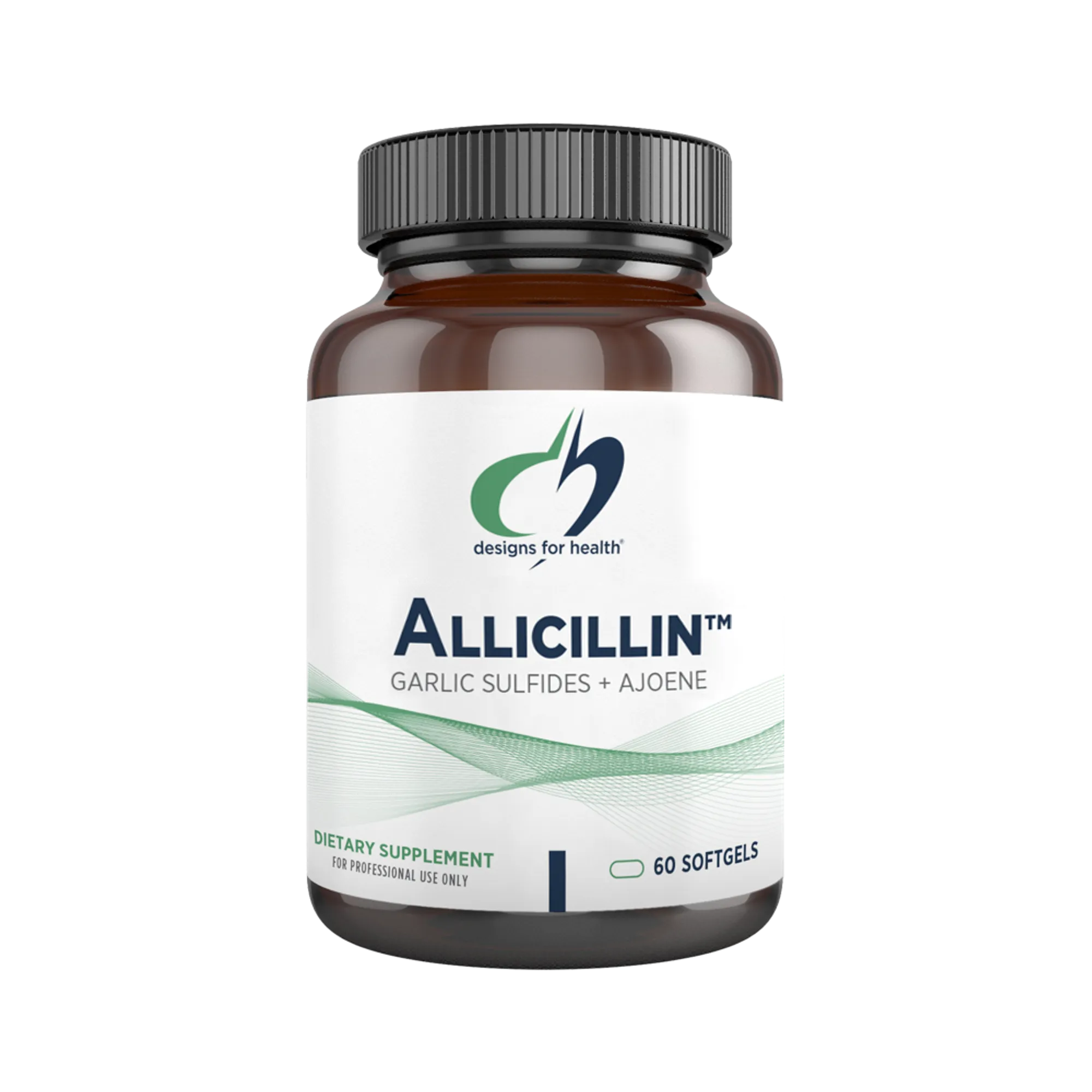
Enter Allicillin™, a highly specialized supplement designed to deliver the potent therapeutic benefits of garlic without the notorious gastrointestinal side effects. By utilizing an advanced enteric coating and combining garlic oil with parsley oil, Allicillin™ provides a standardized dose of bioactive organosulfur compounds directly to the intestines. This targeted delivery system helps modulate the gut microbiome, eradicate pathogenic overgrowth, and support robust liver and immune function, offering a scientifically grounded tool for patients navigating the complexities of post-viral syndromes.
TL;DR
Allicillin™ delivers targeted garlic compounds to the gut without causing gastrointestinal irritation.
It supports the microbiome by reducing pathogenic bacteria and promoting beneficial microbes.
Garlic compounds may help manage systemic inflammation and immune dysregulation in chronic illnesses.
Always consult a healthcare provider before starting, as garlic can interact with certain medications.
What is Allicillin™?
The Power of Garlic Organosulfur Compounds
Garlic has been utilized for millennia for its profound medicinal properties, but modern biochemistry has finally unraveled the exact molecular mechanisms behind its efficacy. When a garlic clove is crushed or damaged, an enzyme called alliinase is rapidly activated. This enzyme converts the inert precursor alliin into a highly volatile and unstable compound known as allicin. Because allicin degrades quickly, specialized distillation and extraction processes are used to stabilize it into highly bioavailable, fat-soluble organosulfur compounds (OSCs). These primary active compounds—namely diallyl sulfide (DAS), diallyl disulfide (DADS), and diallyl trisulfide (DATS)—are the driving force behind garlic's therapeutic potential.
In addition to these sulfides, the maceration of garlic in edible oils produces ajoene, a highly stable, sulfur-rich molecule that exists in both E-ajoene and Z-ajoene stereoisomers. Ajoene is considered one of the most pharmacologically potent derivatives of garlic, exhibiting profound effects on cellular metabolism, immune modulation, and antimicrobial defense. Together, these bioactive compounds form the foundation of Allicillin™, providing a concentrated, standardized dose of 20 mg of garlic sulfides per softgel to support systemic health without the instability of raw garlic. Understanding these mechanisms is crucial when exploring Can Long COVID Trigger ME/CFS? Unraveling the Connection, as both conditions share underlying inflammatory pathways that these compounds target.
The Synergistic Role of Parsley Oil
While garlic provides powerful biochemical support, its clinical application is often limited by its notorious side effects: severe gastrointestinal irritation and pungent breath and body odor. This odor is caused by volatile sulfur compounds (VSCs), specifically allyl methyl sulfide (AMS), which are metabolized by the liver, enter the bloodstream, and are eventually exhaled through the lungs. To counteract this, Allicillin™ incorporates parsley oil (Petroselinum crispum), which acts as a brilliant biochemical deodorizer. While garlic has many applications, including in dermatology, parsley is naturally rich in enzymes and highly bioavailable flavonoids like apigenin and luteolin.
When parsley oil is co-digested with garlic oil, the oxidized polyphenols physically and chemically capture the garlic-derived thiols and disulfides. This neutralizing reaction binds the malodorous VSCs before they can enter systemic circulation and be exhaled through the respiratory tract. Beyond its deodorizing capabilities, parsley oil contains its own therapeutic essential oils, such as apiol and myristicin. These compounds provide synergistic anti-inflammatory and mild diuretic properties, aiding the kidneys in flushing out metabolic waste products and supporting overall detoxification pathways.
The Enteric-Coated Advantage
The delivery mechanism of a supplement is just as critical as its active ingredients, especially for volatile compounds like garlic oil. The human stomach is a highly acidic environment, with a pH ranging from 1.5 to 3.5. When raw garlic or standard, uncoated garlic capsules dissolve in the stomach, the harsh acid can rapidly degrade the delicate thiosulfinates. Simultaneously, the release of these potent oils in the stomach causes severe gastric irritation, acid reflux, and the dreaded "garlic burps." Allicillin™ utilizes an advanced enteric coating to bypass this issue entirely.
An enteric coating is a specialized polymer barrier applied to the softgel that is designed to remain completely intact within the acidic stomach environment. It only begins to dissolve once it reaches the neutral pH environment of the small intestine. Clinical evaluations demonstrate that high-quality enteric-coated garlic supplements are designed to release their active compounds directly into the intestinal tract, maximizing their potential therapeutic effects. This targeted delivery not only maximizes the bioavailability and absorption of the organosulfur compounds but also dramatically enhances patient compliance by eliminating upper gastrointestinal discomfort.
How Complex Chronic Illness Impacts the Gut and Immune System
Gut Dysbiosis and the Microbiome-Brain Axis
In complex chronic conditions like Long COVID, ME/CFS, and dysautonomia, the gastrointestinal tract is rarely spared. Research consistently demonstrates that these illnesses are characterized by profound gut dysbiosis—a severe imbalance between beneficial commensal bacteria and pathogenic microbes. In healthy individuals, the gut microbiome produces essential short-chain fatty acids (SCFAs) like butyrate, which maintain the integrity of the intestinal lining and regulate systemic immunity. However, in post-viral syndromes, there is a documented depletion of SCFA-producing bacteria and an overgrowth of pro-inflammatory species.
This dysbiosis frequently manifests as Small Intestinal Bacterial Overgrowth (SIBO), a condition where bacteria inappropriately colonize the small intestine. The resulting fermentation produces hydrogen and methane gases, leading to severe bloating, altered motility, and the release of systemic endotoxins (lipopolysaccharides) into the bloodstream. This "leaky gut" phenomenon drives neuroinflammation across the microbiome-brain axis, contributing heavily to the debilitating brain fog and cognitive impairment seen in these patient populations. You can learn more about how these issues present clinically in our guide to Gastrointestinal Symptoms Seen with Long COVID.
Persistent Inflammation and Immune Dysregulation
The hallmark of Long COVID and ME/CFS is an immune system that has become stuck in a maladaptive, hyper-reactive state. Following an initial viral infection, the immune response fails to resolve, leading to chronic, low-grade systemic inflammation. Studies suggest that residual viral particles, such as the SARS-CoV-2 spike protein, may persist in tissue reservoirs, continuously triggering Toll-like receptors (TLR4) and activating the NF-κB inflammatory cascade. This results in a persistent "cytokine storm" characterized by elevated levels of interleukin-6 (IL-6) and interleukin-1 beta (IL-1β).
This relentless immune activation exhausts the body's cellular resources and drives the severe post-exertional malaise (PEM) that defines ME/CFS. Mast cell activation syndrome (MCAS) often emerges in this highly inflammatory environment, where mast cells inappropriately degranulate, releasing histamine and further amplifying tissue inflammation. Understanding What Causes Long COVID requires looking at this vicious cycle of immune dysregulation, where the body is constantly fighting an invisible battle, draining the mitochondrial energy needed for basic daily functioning.
Endothelial Dysfunction and Micro-clotting
Beyond the gut and immune system, chronic post-viral illness severely impacts the vascular system. The endothelium—the delicate inner lining of blood vessels—becomes inflamed and damaged, a condition known as endothelial dysfunction. This damage promotes a hypercoagulable state, leading to the formation of persistent, amyloid-like micro-clots in the capillaries. These micro-clots physically block the delivery of oxygen and vital nutrients to muscle tissues and the brain, fundamentally impairing cellular respiration.
When tissues are starved of oxygen (hypoxia), the mitochondria cannot produce adequate adenosine triphosphate (ATP), forcing the body into inefficient anaerobic metabolism. This metabolic shift produces excess lactic acid, causing the profound muscle pain, heaviness, and rapid fatigue experienced by patients. The interconnected nature of these pathologies—where gut inflammation drives immune hyper-reactivity, which in turn damages the vascular system—highlights why comprehensive, multi-target interventions are necessary. This complex web of symptoms is a key reason why researchers are constantly exploring What Drugs Are Used for COVID Long Haulers?.
Allicillin™: Supporting Gut, Immune, and Liver Function
Direct Antimicrobial and Anti-Biofilm Action
Allicillin™ provides profound support for the gastrointestinal tract through the direct antimicrobial properties of its organosulfur compounds. Diallyl disulfide (DADS) and diallyl trisulfide (DATS) are highly reactive lipophilic molecules that exert broad-spectrum activity against pathogenic bacteria, fungi (such as Candida albicans), and parasites. They achieve this primarily through thiol modification, a process where the sulfur compounds form covalent disulfide bonds with the free sulfhydryl groups of crucial bacterial enzymes. This cross-linking fundamentally inactivates the enzymes, halting bacterial metabolism and inducing pathogen cell death without harming human host cells.
Furthermore, these compounds are exceptionally adept at dismantling bacterial biofilms—protective, glue-like matrices that pathogens use to shield themselves from the immune system and pharmaceutical antibiotics. Ajoene, a key component of the garlic extract, acts as a potent Quorum Sensing Inhibitor (QSI). It binds to specific RNA chaperones within bacteria, effectively cutting off their chemical communication networks. By silencing quorum sensing, ajoene prevents pathogens from coordinating virulence factor expression and biofilm formation, leaving them vulnerable to the body's natural immune defenses.
Modulating the Gut Microbiome and SCFA Production
Beyond eradicating pathogens, the compounds in Allicillin™ actively reshape and restore the gut microbiome. Recent research demonstrates that garlic OSCs selectively nourish beneficial, commensal bacteria while suppressing harmful taxa. In animal models of dysbiosis, treatment with DADS significantly decreased populations of inflammatory Proteobacteria and Escherichia-Shigella, while vastly enriching Short-Chain Fatty Acid (SCFA)-producing bacteria such as Ruminococcaceae and Allobaculum.
This microbial shift has profound downstream effects on host metabolism. By increasing the abundance of specific commensals, garlic compounds trigger an increase in the intestinal production of secondary bile acids and indoles (derivatives of tryptophan metabolism). Indoles are crucial ligands for the Aryl Hydrocarbon Receptor (AhR), a transcription factor essential for maintaining the integrity of the gut barrier (preventing "leaky gut") and suppressing mucosal inflammation. Additionally, the increased production of butyrate provides the primary energy source for colonocytes, facilitating the repair of the damaged intestinal lining.
Hepatoprotective Effects and AMPK Activation
The liver bears a massive burden in chronic illness, tasked with filtering out the constant stream of endotoxins, metabolic waste, and pharmaceutical byproducts. Allicillin™ offers robust hepatoprotective (liver-protecting) benefits, driven largely by the metabolic regulation of ajoene. At the cellular level, ajoene is a potent activator of AMP-activated protein kinase (AMPK) via the LKB1 signaling pathway. AMPK serves as the master energy sensor of the cell; when activated, it shuts down energy-consuming pathways like lipogenesis (fat storage) and ramps up energy-producing pathways like fatty acid oxidation.
By activating AMPK and inhibiting the SREBP-1c transcription factor, ajoene actively prevents the accumulation of fat within liver cells, protecting against Non-Alcoholic Fatty Liver Disease (NAFLD). Furthermore, garlic OSCs protect the liver from oxidative injury by preserving hepatic reduced glutathione—the liver's master antioxidant. In studies of drug-induced liver toxicity, pretreatment with garlic derivatives successfully neutralized toxic metabolites, maintained protein thiol content, and prevented the dangerous elevation of liver enzymes (ALT/AST), ensuring the liver can continue its vital detoxification role.
Anti-Inflammatory and Endothelial Support
The systemic benefits of Allicillin™ extend deeply into the immune and vascular systems. Garlic compounds are profound immunomodulators, capable of stimulating innate defenses while simultaneously suppressing chronic, tissue-damaging inflammation. In-vitro studies utilizing macrophage models have shown that Z-ajoene rapidly downregulates lipopolysaccharide-induced inflammatory proteins. It achieves this by decreasing the phosphorylation of STAT3, a transcription factor that drives the chronic inflammatory cascades often seen in Long COVID and ME/CFS.
On the vascular front, the organosulfur compounds in garlic are metabolized by red blood cells into hydrogen sulfide (H2S), a crucial gaseous signaling molecule. H2S acts as a potent vasodilator, relaxing the smooth muscle cells lining the blood vessels and improving capillary perfusion. Additionally, compounds like allicin and ajoene possess natural antiplatelet properties, inhibiting the hyper-aggregation of platelets. This dual action—dilating blood vessels and gently thinning the blood—directly counteracts the endothelial dysfunction and micro-clotting pathologies that drive tissue hypoxia and severe fatigue in post-viral syndromes.
Symptoms Allicillin™ May Help Manage
Gastrointestinal and Digestive Symptoms
Because Allicillin™ is specifically formulated with enteric-coated delivery, its primary site of action is the gastrointestinal tract. By modulating the microbiome, eradicating pathogenic overgrowth, and soothing mucosal inflammation, it targets the root causes of many debilitating digestive issues commonly experienced by patients with complex chronic illnesses.
Severe Bloating and Distension: By acting as a natural antimicrobial against methane- and hydrogen-producing bacteria, Allicillin™ helps manage the excessive gas production characteristic of Small Intestinal Bacterial Overgrowth (SIBO).
Altered Bowel Habits (Diarrhea/Constipation): Modulating the gut microbiome and promoting the growth of SCFA-producing bacteria helps regulate intestinal motility and restore normal bowel function.
Abdominal Pain and Cramping: The anti-inflammatory properties of garlic and the soothing, antispasmodic effects of parsley oil work synergistically to reduce spasms and inflammation in the intestinal lining.
Food Sensitivities: By strengthening the tight junctions of the gut barrier and reducing intestinal permeability ("leaky gut"), the supplement helps prevent undigested food particles from triggering systemic immune responses.
Systemic and Immune-Related Symptoms
The gut is the headquarters of the immune system, and healing the gastrointestinal tract has profound systemic ripple effects. By reducing the endotoxin load on the liver and modulating systemic inflammatory cytokines, Allicillin™ can help alleviate symptoms that extend far beyond the digestive system.
Brain Fog and Cognitive Impairment: Reducing the translocation of lipopolysaccharides (LPS) from the gut into the bloodstream lowers neuroinflammation, which is a primary driver of cognitive dysfunction in Long COVID.
Post-Exertional Malaise (PEM) and Severe Fatigue: By supporting endothelial function, improving capillary blood flow via hydrogen sulfide production, and reducing the metabolic burden of chronic infection, the body can allocate more resources to mitochondrial ATP production.
Frequent or Lingering Infections: The broad-spectrum antimicrobial, antiviral, and antifungal properties of diallyl sulfides and ajoene support the innate immune system in clearing persistent opportunistic infections.
Autonomic Flare-ups (Dysautonomia): Improving vagus nerve signaling by reducing gut inflammation can help stabilize the autonomic nervous system, indirectly supporting the management of tachycardia and blood pressure fluctuations.
Practical Considerations: Forms, Dosing, and Absorption
The Importance of Enteric Coating
When utilizing garlic therapeutically, the form and delivery method dictate the clinical outcome. Raw garlic and standard garlic powders are highly susceptible to degradation by stomach acid, and they frequently cause severe gastrointestinal distress, heartburn, and nausea. Allicillin™ utilizes an advanced enteric coating to solve this problem. This specialized polymer shell remains completely intact in the highly acidic environment of the stomach (pH 1.5–3.5) and only dissolves when it reaches the neutral pH of the small intestine.
This targeted delivery system is crucial for two reasons. First, it completely eliminates the gastric irritation and pungent "garlic burps" that cause many patients to abandon garlic supplementation. Second, it ensures maximum bioavailability. Standard dissolution testing demonstrates that enteric-coated garlic products maximize potential therapeutic effects by releasing directly into the intestinal lumen, where they can be rapidly absorbed into the bloodstream or act locally on gut dysbiosis.
Timing, Meals, and Maximizing Absorption
To get the most out of Allicillin™, timing and meal composition are critical factors. Clinical bioassays tracking the absorption of garlic metabolites (like allyl methyl sulfide) reveal that the bioavailability of enteric-coated garlic can vary dramatically depending on how it is taken. Interestingly, researchers have also found that garlic extracts can reduce the risk of cardiovascular disease and dementia by scavenging oxidants and protecting neurons.
Because high-protein and high-fat meals significantly slow down gastric emptying, the enteric-coated softgel can be trapped in the stomach for prolonged periods. The constant churning and exposure to acid can prematurely degrade the polymer coating, destroying the active compounds before they reach the intestines. Therefore, for optimal absorption, it is generally recommended to take Allicillin™ with a light meal or a simple carbohydrate snack, ensuring it passes swiftly into the small intestine without delay.
Safety, Bleeding Risks, and Drug Interactions
While garlic is a natural compound, concentrated extracts are biologically powerful and carry specific safety considerations. The most significant clinical risk associated with high-dose garlic supplementation is its antiplatelet (blood-thinning) effect. Because compounds like ajoene and allicin inhibit platelet aggregation, Allicillin™ can increase the risk of bruising and bleeding. It should be used with extreme caution—or avoided entirely—by individuals taking prescription anticoagulants like warfarin (Coumadin) or antiplatelet drugs like clopidogrel (Plavix), as the combination can lead to dangerous hemorrhaging.
Additionally, garlic extracts can interact with specific metabolic pathways in the liver. Human studies indicate that while garlic is likely safe with most medications, it may cause interactions with a few specific drugs, potentially altering their effectiveness. Finally, when using potent antimicrobials to treat severe gut dysbiosis or SIBO, patients may experience a "Herxheimer reaction"—a temporary exacerbation of fatigue, brain fog, and flu-like symptoms caused by the rapid die-off of pathogenic bacteria and the subsequent release of endotoxins. Always start with a low dose and consult your healthcare provider to monitor for these interactions.
Follow the Science
Clinical Evidence in Post-Viral Syndromes
The scientific community is increasingly investigating the role of garlic derivatives in managing the complex pathologies of post-viral illnesses. A recent multi-country cohort study evaluated the effects of stabilized garlic extracts on patients suffering from Post-Acute Sequelae of SARS-CoV-2 (PASC). The results were highly encouraging, with participants reporting a 71% increase in self-reported wellness and significant decreases in debilitating Long COVID symptoms such as severe fatigue, persistent cough, and muscle pain after just one month of supplementation.
Mechanistic studies back up these clinical findings. A 2023 in-vitro study published in MDPI demonstrated that specific garlic constituents powerfully inhibited the expression of pro-inflammatory genes (IL-1β, IL-6, and IL-8) that are typically triggered by the SARS-CoV-2 spike protein. By blocking the NF-κB pathway via Toll-like receptor 4 (TLR4), garlic compounds actively suppress the persistent cytokine storms that drive neuroinflammation and systemic symptom exacerbation in Long COVID patients.
Studies on Gut Microbiota and SIBO
The application of garlic extracts for severe gastrointestinal dysfunction is well-documented, particularly in the context of Small Intestinal Bacterial Overgrowth (SIBO), a frequent comorbidity in ME/CFS and dysautonomia. Leading gastroenterologists and SIBO researchers frequently utilize high-potency garlic extracts as a natural alternative to pharmaceutical antibiotics like Rifaximin. Clinical experience and emerging research indicate that garlic's organosulfur compounds are uniquely effective at eradicating the methane-producing archaea responsible for severe constipation-dominant SIBO, which is notoriously difficult to treat.
Furthermore, genomic sequencing of the gut microbiome in animal models has shown that treatment with diallyl disulfide (DADS) actively helps manage disease-induced dysbiosis. Studies demonstrate that DADS supplementation significantly decreases populations of pathogenic Proteobacteria while promoting the growth of beneficial, butyrate-producing bacteria like Oscillibacter and Ruminiclostridium. This targeted modulation helps restore the integrity of the intestinal barrier and reduces the systemic endotoxemia that triggers post-exertional malaise.
Research on Liver Health and Metabolic Function
The hepatoprotective properties of garlic are supported by robust pharmacological research. A comprehensive study investigating high-fat diet-induced hepatic steatosis (fatty liver) in mice found that treatment with ajoene-rich garlic extract yielded statistically significant, dose-dependent decreases in liver fat accumulation. The researchers identified that ajoene achieved this by activating the AMPK pathway, which effectively shut down the lipogenic (fat-creating) genes in the liver.
Additional studies highlight garlic's ability to protect the liver from severe chemical and pharmaceutical toxicity. In models of acetaminophen (Tylenol) overdose, ajoene pretreatment successfully prevented the depletion of hepatic glutathione and suppressed dangerous spikes in liver enzymes (ALT). Similarly, in models of chemotherapy-induced hepatotoxicity, garlic extracts significantly normalized lipid profiles and reduced markers of inflammatory cell proliferation, demonstrating its vital role in supporting the body's primary detoxification organ during chronic illness management.
The Path Forward
Integrating Allicillin™ into Your Protocol
Living with Long COVID, ME/CFS, dysautonomia, or MCAS is a profoundly challenging journey. The symptoms are often invisible, unpredictable, and deeply exhausting. It is entirely validating to feel frustrated when standard medical tests return "normal" while your body feels anything but. Addressing the root causes of these conditions—such as gut dysbiosis, persistent inflammation, and immune dysregulation—requires patience and a multi-targeted approach. Allicillin™ offers a scientifically grounded tool to help restore balance to the gut microbiome and support systemic immune function, without the harsh side effects of raw garlic.
However, it is important to remember that no single supplement is a cure-all. Healing from complex chronic illness requires a comprehensive management strategy. This includes strict pacing to avoid triggering post-exertional malaise (PEM), detailed symptom tracking to identify specific food or environmental triggers, and nervous system regulation techniques. By combining these foundational lifestyle strategies with targeted nutritional support, you can slowly begin to rebuild your cellular resilience and improve your daily quality of life. If you are wondering How Long Does Long COVID Last?, remember that incremental, supportive steps are the key to long-term management.
A Comprehensive Approach to Healing
If you are struggling with persistent gastrointestinal symptoms, suspected SIBO, or signs of immune dysregulation, Allicillin™ may be a valuable addition to your therapeutic toolkit. Its unique blend of enteric-coated garlic and parsley oils ensures maximum absorption and tolerability, allowing you to harness the potent antimicrobial and anti-inflammatory benefits of organosulfur compounds safely.
As always, because garlic extracts have potent biological effects—particularly regarding blood thinning and drug interactions—it is crucial to consult with your healthcare provider before starting any new supplement regimen, especially if you are on prescription medications or managing a complex post-viral syndrome. Ready to support your gut and immune health?
Sources
Diallyl sulfide, diallyl disulfide, and diallyl trisulfide mechanisms of action
Ajoene, a Sulfur-Rich Molecule from Garlic, Inhibits Genes Controlled by Quorum Sensing
The potential therapeutic approaches targeting gut health in ME/CFS
Ajoene Inhibits High Fat Diet-Induced Hepatic Steatosis Through AMPK Activation
The immunomodulatory effects of Z-ajoene and STAT3 phosphorylation
Garlic Extracts and the Prevention of Cardiovascular Disease and Dementia
Common Herbal Dietary Supplement–Drug Interactions (P-gp transporters)
Single bulb garlic extract on non-alcoholic fatty liver disease
Protective Effect of Ajoene on Acetaminophen-induced Hepatic Injury