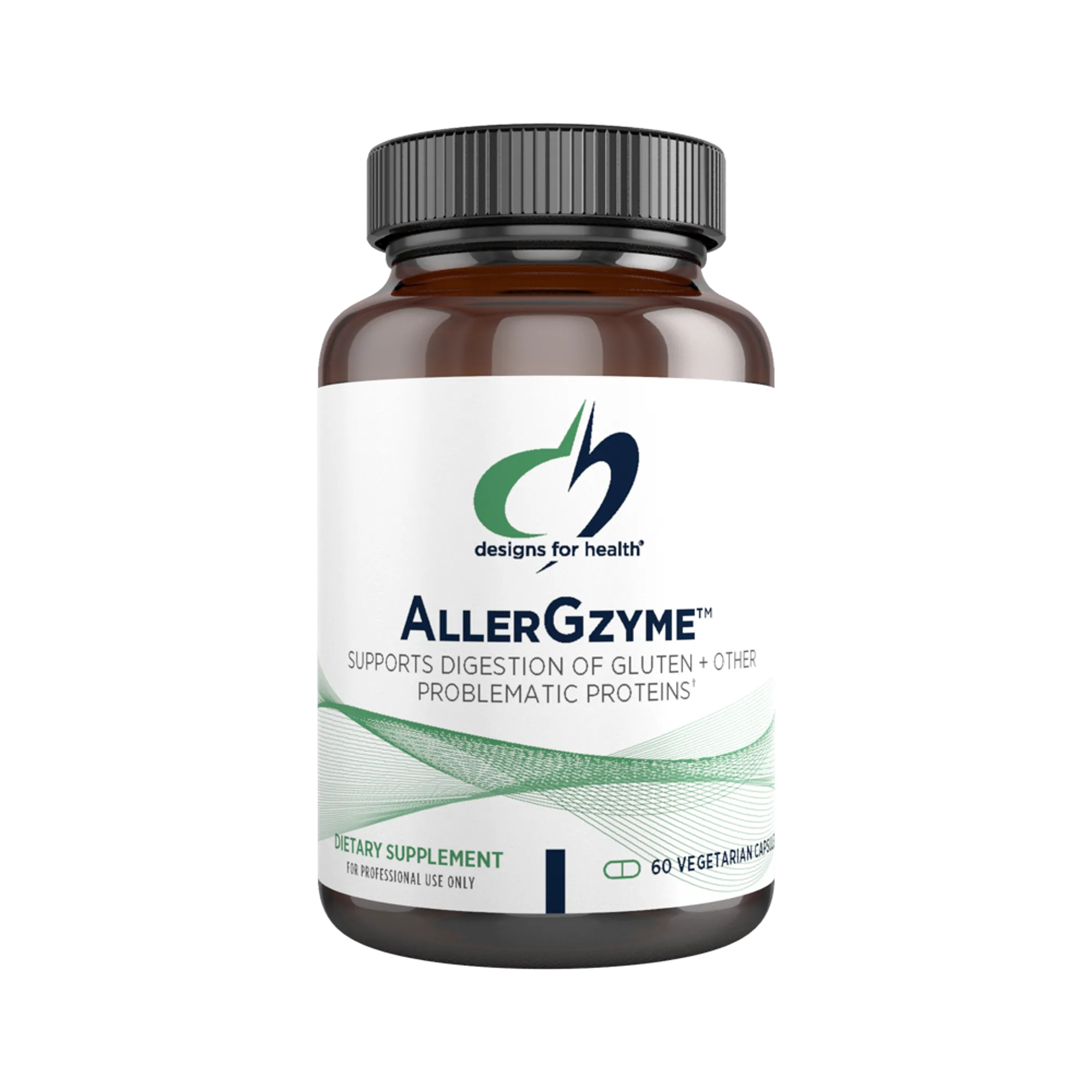
Can AllerGzyme™ Help Manage Food Sensitivities in Long COVID and MCAS?
March 5, 2026
AllerGzymeGastrointestinal HealthLong COVID
Share:
Disclaimer: The information provided here is for educational purposes only and is not intended as medical advice. It should not be used to diagnose, treat, cure, or prevent any medical condition. Instead, use it as a starting point for discussion with your healthcare provider. Always consult with a qualified healthcare provider before starting any new medication, supplement, device, or making changes to your health regimen.
Months or even years after recovering from an initial SARS-CoV-2 infection, many individuals find themselves fighting a confusing and debilitating array of new symptoms. Among the most frustrating of these are sudden, severe gastrointestinal issues and newly developed food sensitivities. Foods that were once perfectly safe—like dairy, gluten, soy, or eggs—suddenly trigger profound bloating, abdominal pain, brain fog, and overwhelming fatigue. For patients navigating the complexities of Long COVID, myalgic encephalomyelitis/chronic fatigue syndrome (ME/CFS), and mast cell activation syndrome (MCAS), eating can transform from a source of nourishment into a source of deep anxiety and physical distress.
In the wake of the pandemic, researchers have discovered that these food intolerances are rarely traditional allergies, but rather the result of a profoundly disrupted gut microbiome, a compromised intestinal barrier, and hyperactive immune cells. When the digestive system lacks the specific enzymes needed to fully break down complex dietary proteins, these intact molecules can cross the "leaky gut" lining and trigger systemic inflammation. This is where targeted enzyme therapy becomes a crucial tool. AllerGzyme™ by Designs for Health is a clinical-grade proteolytic enzyme blend designed specifically to break down difficult-to-digest proteins before they can provoke an immune response. By supporting the complete degradation of these dietary antigens, AllerGzyme™ offers a promising strategy to help manage food sensitivities, soothe gastrointestinal distress, and improve the overall quality of life for those living with complex chronic conditions.
TL;DR
Long COVID and MCAS can cause severe food sensitivities due to gut inflammation and mast cell activation.
AllerGzyme™ provides targeted digestive enzymes to help break down difficult proteins like gluten and dairy.
Taking digestive enzymes with meals may help reduce bloating, abdominal pain, and systemic symptom flares.
Enzyme support is a helpful tool alongside diet changes and mast cell stabilizers for chronic illness.
What is AllerGzyme™?
The Role of Specialized Digestive Enzymes
In a healthy human body, the digestive process relies on a highly coordinated cascade of enzymatic reactions to break down the food we eat into absorbable micronutrients. Protease enzymes (or proteolytic enzymes) are a specific class of digestive enzymes responsible for hydrolyzing, or breaking down, dietary proteins into smaller peptide chains and individual amino acids. When the body's natural production of these enzymes is sufficient, proteins are completely dismantled in the stomach and small intestine, allowing the resulting amino acids to be safely absorbed through the intestinal wall and utilized for cellular repair, neurotransmitter synthesis, and energy production. However, certain complex proteins found in modern diets—most notably gluten, casein (dairy), soy, and egg proteins—possess unique molecular structures that make them inherently resistant to standard human digestive enzymes.
For individuals with compromised digestion, such as those suffering from the gastrointestinal symptoms seen with Long COVID, the inability to fully break down these resilient proteins creates a significant physiological burden. When these proteins remain partially undigested, they travel further down the gastrointestinal tract as large, intact macromolecules. The immune system, particularly the innate immune cells lining the gut, often misidentifies these large protein fragments as foreign invaders or pathogens. This misidentification triggers localized inflammation, gas production by dysbiotic bacteria, and a host of uncomfortable digestive symptoms. AllerGzyme™ is specifically formulated to address this enzymatic shortfall by providing a robust, broad-spectrum blend of exogenous (supplemental) proteases designed to target and dismantle these stubborn protein structures before they can cause harm.
The Glutalytic® Dual-Action Mechanism
The cornerstone of the AllerGzyme™ formulation is Glutalytic®, a patented and highly specialized enzyme blend engineered specifically to degrade the complex protein matrix of gluten. Gluten is notoriously difficult to digest because it is heavily enriched with the amino acids proline and glutamine. The peptide bonds connecting these specific amino acids are highly resistant to cleavage by standard digestive proteases. Historically, digestive supplements aimed at gluten relied almost entirely on a single enzyme known as DPP-IV (dipeptidyl peptidase IV). While DPP-IV is effective at cleaving proline bonds, it is an exopeptidase, meaning it can only snip amino acids from the external ends of the long protein chain. Relying solely on an exopeptidase is often too slow to fully degrade the gluten molecule before it reaches the small intestine and triggers an inflammatory response.
Glutalytic® overcomes this biological limitation by utilizing a sophisticated, dual-action cleavage mechanism that mimics a more efficient digestive process. It combines DPP-IV with a potent Endo-Peptidase Complex. Unlike exopeptidases, endopeptidases act like molecular scissors that cut directly into the middle of the long, complex protein chains, breaking them into numerous smaller fragments. By cleaving the internal bonds first, the endopeptidases rapidly create exponentially more accessible "ends" for the exopeptidases (like DPP-IV) to attack. A randomized, double-blind, placebo-controlled study was conducted to evaluate the tolerance and efficacy of Glutalytic, though the provided source text does not detail the specific degradation rates.
Bromelain’s Proteolytic Power
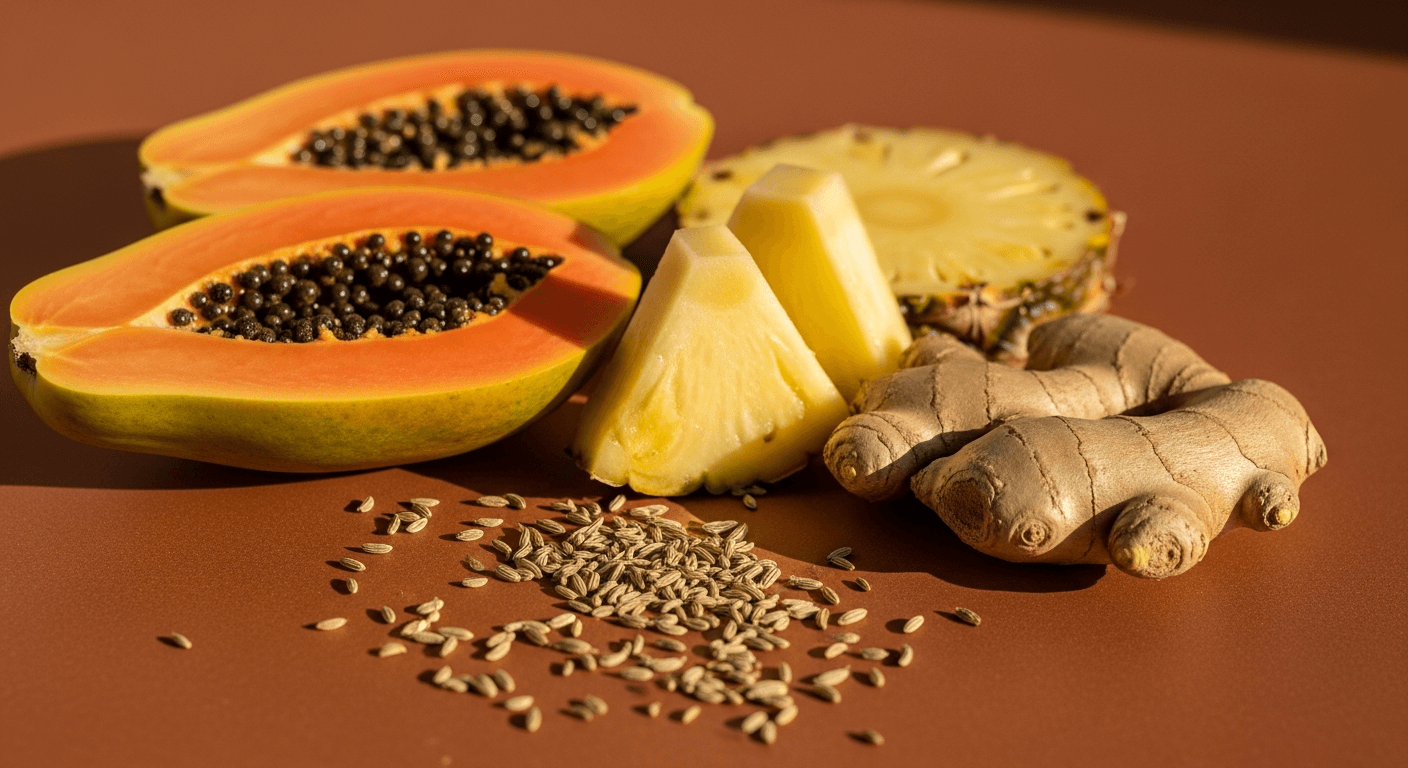
In addition to the Glutalytic® blend, AllerGzyme™ incorporates Bromelain, a powerful proteolytic enzyme complex extracted from the stem and fruit of the pineapple (Ananas comosus). Bromelain has been utilized in traditional medicine for centuries, but modern clinical research has revealed its profound capabilities as both a digestive aid and a systemic anti-inflammatory agent. As a digestive enzyme, bromelain is uniquely resilient; it can survive and remain active across the highly variable pH levels of the human gastrointestinal tract, from the highly acidic environment of the stomach to the more alkaline environment of the small intestine. This broad pH tolerance ensures that bromelain can continuously assist in the hydrolysis of complex dietary proteins throughout the entire digestive journey.
Beyond its role in breaking down food, bromelain possesses significant supportive properties that are highly relevant to chronic illness. When bromelain interacts with the mucosal lining of the gut, it helps to modulate the local immune response and reduce localized inflammation. By reducing this localized inflammation, bromelain helps to soothe the digestive tract, reduce mucosal swelling, and support the integrity of the intestinal barrier. This dual functionality makes bromelain an invaluable component of the AllerGzyme™ formula, providing both mechanical digestive support and biological tissue soothing.
A Comprehensive Approach to Difficult Proteins
While Glutalytic® is famous for its action on gluten, the comprehensive protease profile within AllerGzyme™—which includes specific strains of Bacillus subtilis and Aspergillus—is designed to tackle a wide spectrum of dietary triggers. Patients with complex chronic illnesses rarely react to just one food; they often develop a rotating list of sensitivities that can include whey, casein, soy, egg, almond, peanut, and pea proteins. The diverse array of endo- and exo-peptidases in this formula ensures that multiple types of peptide bonds can be targeted simultaneously. This broad-spectrum approach is crucial for providing reliable digestive comfort, especially when consuming mixed meals where hidden proteins or cross-contamination might occur.
It is critically important to understand the intended clinical application of this supplement. AllerGzyme™ is designed to help minimize the adverse effects of occasional consumption of these difficult proteins in individuals with mild to moderate sensitivities and intolerances. It acts as a digestive safeguard and a tool to reduce symptom burden. However, it is not a cure, nor is it intended for individuals diagnosed with celiac disease or severe, IgE-mediated anaphylactic food allergies. For patients navigating the unpredictable waters of post-viral food intolerances, this targeted enzymatic support offers a practical way to regain some dietary flexibility and reduce the fear associated with eating.
How Long COVID and MCAS Impact Digestion
Viral Persistence and Intestinal Barrier Dysfunction
To understand why food sensitivities suddenly develop after a viral infection, we must examine the profound impact that SARS-CoV-2 has on the gastrointestinal system. The virus enters host cells by binding to ACE2 receptors, which are abundantly expressed along the epithelial lining of the intestines. Research suggests that the virus may persistently replicate in the gut tissue for months, or even years, after the acute infection has cleared. This viral persistence creates a state of chronic, localized inflammation that directly damages the delicate architecture of the intestinal lining, particularly the microscopic villi responsible for nutrient absorption and enzyme production.
This chronic inflammation degrades the tight junctions—the protein structures that glue intestinal cells together—leading to a condition known as intestinal permeability, or "leaky gut." When the gut barrier is compromised, it loses its ability to selectively filter what enters the bloodstream. A 2024 study evaluating Post-COVID Syndrome found significantly elevated biomarkers indicating that microbial endotoxins and undigested food proteins were actively translocating from the gut into the systemic circulation. When large, intact dietary proteins (like gluten or casein) slip through these gaps, the immune system immediately flags them as dangerous foreign antigens, launching an aggressive inflammatory attack that manifests as sudden and severe food intolerances.
Mast Cell Hyperactivation and the Histamine Bucket
The breakdown of the gut barrier is intimately connected to the hyperactivation of mast cells, a key feature of mast cell activation syndrome (MCAS). Mast cells are frontline innate immune cells heavily concentrated in the mucosal lining of the gut. In a healthy state, they protect against pathogens and help regulate tissue repair. However, pivotal research by Dr. Lawrence Afrin and colleagues suggests that the severe stress of a COVID-19 infection can leave mast cells in a state of chronic, hyper-vigilant dysregulation. These abnormal mast cells begin to degranulate—releasing massive amounts of inflammatory mediators like histamine, tryptase, and prostaglandins—in response to benign triggers, including normal dietary proteins and the physical act of digestion.
This mast cell dysfunction perfectly explains why patients wonder what causes Long COVID symptoms to flare so violently after eating. The damaged intestinal villi also lose their ability to produce Diamine Oxidase (DAO), the primary enzyme responsible for breaking down dietary histamine. With low DAO production and hyperactive mast cells constantly dumping endogenous histamine into the system, the patient's "histamine bucket" quickly overflows. When they consume difficult-to-digest proteins or high-histamine foods, the resulting immune cascade triggers not only severe gastrointestinal cramping and bloating but also systemic symptoms like tachycardia, flushing, and profound neurological brain fog.
The Protease-Pain Connection and Dysbiosis
Another critical factor in post-viral digestive dysfunction is the profound alteration of the gut microbiome, known as dysbiosis. Acute COVID-19 and subsequent Long COVID heavily deplete beneficial, immunomodulatory bacteria while allowing opportunistic, pathogenic bacteria to overgrow. Studies on the microbiome-gut-brain axis are cited to explore this imbalance, though the provided source text does not detail SCFA production. Without sufficient SCFAs, the gut remains in a constant state of low-grade inflammation and heightened sensitivity.
Fascinatingly, this dysbiosis also alters the enzymatic environment of the gut. Certain overgrown pathogenic bacteria produce high levels of their own rogue protease enzymes. When these bacterial proteases interact with the nerve endings in the gut wall, they can cause the nerves to fire uncontrollably, sending massive pain signals to the brain. This protease-driven nerve activation is now believed to be a major contributor to the visceral hypersensitivity and widespread "nociplastic" pain seen in conditions like irritable bowel syndrome (IBS), ME/CFS, and fibromyalgia. By introducing beneficial, targeted digestive proteases like those in AllerGzyme™, we can help ensure dietary proteins are broken down efficiently before they can be fermented by these pathogenic bacteria, thereby reducing gas production and nerve irritation.
The Vicious Cycle of Food Sensitivities
For patients asking how can you live with long-term COVID when eating causes so much pain, understanding this vicious cycle is the first step toward management. The cycle begins with viral damage and dysbiosis, which leads to a leaky gut and a deficiency in natural digestive enzymes. Because the body cannot properly break down proteins, large macromolecules enter the bloodstream, triggering mast cell degranulation and systemic inflammation. This inflammation further damages the gut lining, worsening the leaky gut and ensuring that even more foods become triggers over time.
Breaking this cycle requires a multi-pronged approach. Patients must address the underlying immune dysregulation, support the rebuilding of the gut microbiome, and critically, reduce the antigenic load on the immune system during meals. This is exactly where supplemental digestive enzymes play a vital role. By mechanically breaking down the dietary proteins that the compromised gut can no longer handle, exogenous enzymes intercept the triggers before they can interact with the hyperactive immune system, providing a crucial window of opportunity for the gut lining to begin healing.
AllerGzyme™: Supporting Comfortable Digestion
Breaking Down Dietary Antigens Before They Trigger Immune Responses
The primary mechanism by which AllerGzyme™ supports patients with complex chronic illnesses is through the concept of antigenic load reduction. In immunology, an antigen is any substance that causes the immune system to produce antibodies against it. In the context of a leaky gut and MCAS, large, undigested protein molecules act as potent dietary antigens. When a patient consumes a meal containing gluten, dairy, or soy, their compromised digestive system struggles to dismantle these complex structures. AllerGzyme™ intervenes directly at this stage. By flooding the stomach with a high concentration of specialized endo- and exo-peptidases, the supplement rapidly hydrolyzes these proteins into single amino acids and very short peptide chains.
This rapid degradation is crucial because single amino acids and tiny di-peptides are not recognized as threats by the immune system. They are the natural, expected end-products of digestion. By ensuring that proteins are fully broken down before they leave the stomach and enter the highly permeable small intestine, AllerGzyme™ effectively "hides" the food from the hyper-vigilant mast cells lining the gut wall. Research has been conducted on the tolerance and efficacy of Glutalytic, though specific antibody reductions are not detailed in the provided source text. This interruption helps avoid the massive release of histamine and other inflammatory mediators that drive post-meal symptom flares.
Soothing the Gut Lining with Bromelain
While the Glutalytic® and peptidase complexes handle the mechanical breakdown of proteins, the bromelain in AllerGzyme™ provides targeted biological support to the inflamed gut tissue. Chronic viral persistence and mast cell degranulation leave the intestinal mucosa swollen, irritated, and highly sensitive. Bromelain exerts a profound anti-inflammatory effect by actively modulating the signaling pathways that drive this tissue damage. Specifically, bromelain has been shown to inhibit the NF-κB (nuclear factor-kappa B) pathway, which acts as a master switch for inflammation in the body. By downregulating this pathway, bromelain reduces the production of tissue-damaging prostaglandins and inflammatory cytokines right at the site of digestion.
Furthermore, bromelain offers a unique mechanism for localized pain relief by supporting the cleavage of proenkephalins into natural enkephalins. These enkephalins bind to opioid receptors in the gut, creating a potent, natural analgesic effect that can significantly reduce the severe abdominal cramping and visceral pain that many Long COVID and MCAS patients experience after eating. This dual action of reducing inflammation and directly mitigating pain makes bromelain an exceptionally valuable therapeutic agent for compromised gastrointestinal tracts.
Interrupting the Inflammatory Cascade
The benefits of complete protein digestion extend far beyond the gut. When the intestinal barrier is compromised, the translocation of undigested proteins and bacterial endotoxins (like lipopolysaccharides, or LPS) into the bloodstream triggers a systemic inflammatory cascade. This systemic inflammation is a major driver of the profound fatigue, joint pain, and vascular instability seen in dysautonomia and ME/CFS. A study on high-FODMAP diets and mast cell activation demonstrated that luminal LPS plays a key role in driving mast cell activation and further degrading the colonic barrier.
By utilizing AllerGzyme™ to ensure that dietary proteins are fully digested, patients can significantly reduce the amount of inflammatory material that crosses into the bloodstream. This reduction in systemic antigenic load gives the overtaxed immune system a much-needed break. When the immune system is not constantly fighting a war against the food you eat, it can redirect its energy toward cellular repair, viral clearance, and restoring autonomic nervous system balance. In this way, targeted digestive support acts as a foundational therapy that can help lower the overall baseline of systemic inflammation, making other treatments and pacing strategies more effective.
Supporting the Gut-Brain Axis
The connection between the gut and the brain is undeniable, particularly in post-viral syndromes. The gut is heavily innervated by the vagus nerve, which serves as the primary communication highway between the enteric nervous system and the central nervous system. When the gut is inflamed and filled with partially digested, fermenting proteins, the vagus nerve transmits distress signals directly to the brain. This continuous signaling contributes heavily to the neuroinflammation that patients experience as "brain fog," cognitive impairment, and severe mood fluctuations. Patients often wonder do Long COVID symptoms come and go; frequently, these neurological fluctuations are directly tied to the inflammatory state of the gut following meals.
By promoting efficient, comfortable digestion and reducing localized gut inflammation, AllerGzyme™ helps to quiet these distress signals. When the gut environment is calm, vagal tone improves, shifting the autonomic nervous system away from the hyper-aroused "fight or flight" sympathetic state and toward the restorative "rest and digest" parasympathetic state. This shift is critical for patients with dysautonomia and POTS, as it helps stabilize heart rate, improve blood flow to the brain, and reduce the neurological symptom burden that so often accompanies complex chronic illness.
Symptoms AllerGzyme™ May Help Manage
Direct Gastrointestinal Relief
For patients navigating the complex dietary landscape of Long COVID and MCAS, the most immediate and noticeable benefits of AllerGzyme™ occur within the digestive tract itself. By ensuring that difficult proteins are thoroughly dismantled before they can ferment or trigger immune responses, this targeted enzyme blend helps manage a variety of distressing local symptoms:
Severe Bloating and Distension: By breaking down proteins efficiently, AllerGzyme™ helps keep them from reaching the lower intestine intact, where dysbiotic bacteria would otherwise ferment them and produce excessive, painful gas.
Abdominal Cramping and Pain: The inclusion of bromelain helps soothe inflamed mucosal tissues and promotes the release of natural pain-relieving enkephalins, reducing the sharp, visceral pain that often follows meals.
Post-Meal Nausea and Reflux: Complete protein digestion in the stomach helps facilitate proper gastric emptying, reducing the likelihood of food sitting heavily in the stomach and causing acid reflux or persistent nausea.
Irregular Bowel Movements: By reducing the localized inflammation and mast cell degranulation that drive rapid gut motility (diarrhea) or nerve-driven sluggishness (constipation), enzyme support helps normalize bowel function.
Systemic and Neurological Symptom Reduction
Because the gut is intimately connected to the immune and central nervous systems, reducing the antigenic load of undigested proteins can have profound downstream effects on systemic symptoms. When the gut is calm, the entire body benefits:
Post-Prandial Brain Fog: By helping to keep intact proteins from crossing the leaky gut barrier and triggering systemic inflammation, AllerGzyme™ helps reduce the neuroinflammatory signals that cause severe cognitive impairment and confusion after eating.
Meal-Induced Tachycardia (POTS flares): For patients with dysautonomia, eating can trigger rapid heart rate spikes due to blood pooling in the inflamed gut. Soothing gut inflammation and improving vagal tone can help stabilize these autonomic responses.
Systemic MCAS Reactions: By "hiding" dietary proteins from hyperactive mast cells, targeted enzymes help reduce the likelihood of massive histamine dumps that cause systemic flushing, hives, itching, and sudden drops in blood pressure.
Post-Exertional Malaise (PEM) Triggers: While PEM is primarily driven by physical or cognitive exertion, severe dietary immune reactions act as massive physiological stressors that can lower the threshold for a crash. Reducing this digestive stress helps preserve precious cellular energy.
Practical Considerations: Forms, Dosing, and Absorption
Optimal Timing for Digestive Support
To maximize the efficacy of AllerGzyme™, timing is everything. Because its primary function is to hydrolyze the proteins in your food, the supplement must be present in the stomach at the exact moment the food arrives. The suggested use is to take one capsule with each protein-containing meal per day, or as directed by your healthcare practitioner. Ideally, the capsule should be taken just before you take your first bite of food, or within the first few minutes of the meal. This ensures that the endo- and exo-peptidases are thoroughly mixed with the dietary proteins as they enter the acidic environment of the stomach, allowing the degradation process to begin immediately.
If you forget to take the capsule at the beginning of the meal, taking it halfway through or immediately after finishing can still provide significant benefits, though the enzymes may have slightly less time to interact with the entirety of the food bolus. It is important to note that if you are eating a meal that consists entirely of simple carbohydrates or fats (with zero protein content), AllerGzyme™ is not necessary, as its specific enzymatic profile is designed exclusively for protein cleavage. However, for patients with severe sensitivities, even trace amounts of protein from cross-contamination can be triggering, making it a valuable safeguard when dining out or eating foods prepared by others.
Systemic vs. Digestive Utilization
An interesting pharmacological aspect of proteolytic enzymes, particularly bromelain, is their dual functionality based on when they are consumed. When taken with food, as intended for AllerGzyme™, the enzymes dedicate their catalytic energy to breaking down the dietary proteins present in the stomach and GI tract. They act as mechanical digesters. However, when high doses of proteolytic enzymes are taken on an empty stomach (at least one hour before or two hours after a meal), they are not used for digestion. Instead, a significant portion of the enzymes can be absorbed intact through the intestinal wall and into the bloodstream.
Once in the systemic circulation, these enzymes act as systemic anti-inflammatories. They can help break down circulating immune complexes, degrade excess fibrin (which is highly relevant for the microclots seen in Long COVID), and modulate systemic cytokine levels. While AllerGzyme™ is specifically formulated and marketed for digestive support with meals, patients exploring systemic enzyme therapy for what drugs are used for COVID long haulers should discuss the appropriate timing, dosages, and specific enzyme formulations (like nattokinase or lumbrokinase) with their functional medicine provider to ensure they are targeting the correct biological pathways safely.
Safety, Contraindications, and Limitations
AllerGzyme™ is generally very well tolerated by individuals with mild to moderate food sensitivities, but there are critical safety considerations to keep in mind. First and foremost, this product is not intended for individuals with celiac disease or severe, IgE-mediated food allergies (such as anaphylactic peanut or shellfish allergies). While the Glutalytic® blend is highly effective at degrading gluten, it cannot guarantee the 100% complete eradication of every single gliadin peptide required to keep a celiac patient safe from autoimmune damage. For these individuals, strict avoidance remains the only medically sound treatment. AllerGzyme™ should be viewed as a tool to mitigate symptoms from accidental exposure or mild intolerances, not as a free pass to consume known, severe allergens.
Additionally, patients must be aware of potential drug interactions, primarily due to the inclusion of bromelain. Bromelain possesses mild natural anticoagulant (blood-thinning) and fibrinolytic properties. Therefore, individuals who are actively taking prescription blood thinners (such as Warfarin, Eliquis, or Plavix), those with bleeding disorders, or those preparing for surgery should consult their healthcare provider before initiating supplementation. Bromelain may also increase the absorption and systemic levels of certain antibiotics, such as amoxicillin and tetracycline. Always ensure your prescribing physician is aware of all enzymatic supplements you are taking to prevent unintended pharmacokinetic interactions.
Integrating Enzymes into a Broader Protocol
It is essential to view AllerGzyme™ as one piece of a comprehensive, integrative approach to managing Long COVID and MCAS. While targeted enzymes can significantly reduce the symptom burden associated with eating, they do not address the root cause of the immune dysregulation or the viral persistence. Patients will achieve the best results when combining enzyme therapy with a broader management strategy. This often includes adopting an anti-inflammatory or low-histamine diet, utilizing mast cell stabilizers (like quercetin or prescription ketotifen), supporting the gut microbiome with targeted probiotics or short-chain fatty acids, and practicing rigorous nervous system regulation techniques.
Furthermore, patients should engage in detailed symptom tracking to identify their specific dietary triggers. Keeping a comprehensive log of food intake, supplement timing, and subsequent symptom flares can provide invaluable data for you and your healthcare provider. By understanding exactly which proteins cause the most distress, you can strategically deploy AllerGzyme™ when it is most needed, allowing you to slowly expand your dietary variety while minimizing the risk of severe gastrointestinal or systemic crashes.

Follow the Science
Clinical Trials on the Glutalytic® Blend
The efficacy of the specific enzyme blend used in AllerGzyme™ is supported by robust clinical data. A pivotal 2018 peer-reviewed study titled "Tolerance and Efficacy of Glutalytic™: A Randomized, Double-Blind, Placebo-Controlled Study" investigated the impact of this dual-action protease complex on human subjects. Conducted at Kennesaw State University, the 30-day trial involved healthy adults who reported non-celiac gluten sensitivity (NCGS) or undefined gastrointestinal distress. The participants were randomized to receive either the Glutalytic® enzyme blend or a placebo with their meals.
While the specific findings and P-values are not detailed in the provided source text, the study was designed to evaluate the tolerance and efficacy of Glutalytic.
Bromelain’s Efficacy in Gut Inflammation
The inclusion of bromelain in the AllerGzyme™ formula is backed by a growing body of evidence highlighting its potent anti-inflammatory effects within the gastrointestinal tract. A breakthrough 2024/2025 triple-blind, placebo-controlled clinical trial (NCT06351696), published in Scientific Reports, evaluated the efficacy of oral bromelain in patients suffering from mild-to-moderate Ulcerative Colitis. Participants received either 400 mg of oral bromelain daily or a placebo for 8 weeks while maintaining a low-FODMAP diet. The results were striking: the group taking bromelain experienced a highly significant reduction in their Simple Clinical Colitis Activity Index (SCCAI) scores compared to the placebo group (p < 0.001), cementing its role as a powerful, natural adjunct therapy for soothing severe mucosal inflammation.
These recent findings build upon decades of foundational research into enzyme therapy and its role in modulating inflammatory pathways. Additionally, bromelain is often utilized to help reduce visceral pain that many patients experience when utilizing high-quality proteolytic enzymes.
The Emerging Role of Proteases in Post-Viral Illness
The broader scientific community is increasingly recognizing the critical intersection of protease enzymes, mast cell activation, and post-viral syndromes. Literature suggests the immunological dysfunction seen in Long COVID may be driven by mast cell hyperactivation. When mast cells degranulate, they release their own endogenous proteases (like tryptase and chymase), which cause widespread tissue damage and vascular instability. The supportive use of exogenous digestive proteases—like those in AllerGzyme™—helps to break this cycle by eliminating the dietary antigens that trigger these mast cells in the first place.
Other research highlights the profound disruption of the intestinal barrier in acute and Long COVID. This research emphasizes that viral persistence and microbiome dysbiosis lead directly to "leaky gut," allowing intact proteins and bacterial endotoxins to flood the system. By utilizing targeted enzyme support to ensure complete protein hydrolysis in the stomach, patients can directly mitigate the systemic inflammatory consequences of this barrier dysfunction, providing a vital layer of protection while underlying gut healing protocols are implemented.
The Path Forward
Validating the Complexity of Dietary Sensitivities
Living with Long COVID, ME/CFS, dysautonomia, or MCAS often means navigating a body that feels unpredictable and, at times, unsafe. The sudden onset of severe food sensitivities can be one of the most isolating and frustrating aspects of these conditions. It is deeply validating to understand that your symptoms are not "all in your head" or simply the result of anxiety around eating. They are the tangible result of a profoundly disrupted immune system, a compromised gut barrier, and a hyperactive mast cell response. The pain, bloating, and neurological crashes you experience after meals are real, physiological reactions driven by complex biochemical pathways that have been altered by chronic illness.
While there is no single miracle cure that will instantly reverse these complex conditions, understanding the mechanisms behind your symptoms empowers you to take targeted, strategic action. You do not have to accept severe digestive distress as an unchangeable reality. By addressing the mechanical breakdown of food, soothing localized inflammation, and reducing the antigenic load on your overtaxed immune system, you can begin to reclaim control over your diet and your daily comfort. Supplementing with targeted, clinical-grade digestive enzymes is a practical, science-backed step toward stabilizing your gut and reducing the frequency of debilitating symptom flares.
Empowering Your Healing Journey
Healing from complex chronic illness requires patience, self-compassion, and a comprehensive, multi-disciplinary approach. AllerGzyme™ is designed to be a powerful tool in your management toolkit, working alongside pacing, nervous system regulation, dietary modifications, and expert medical care. By ensuring that the difficult proteins in your diet are thoroughly dismantled before they can trigger an immune cascade, you give your gastrointestinal tract the vital breathing room it needs to begin the slow process of repair. As your gut lining heals and your mast cells stabilize, you may find that your dietary tolerance gradually expands, bringing a renewed sense of freedom and joy back to the simple act of eating.
As always, we strongly encourage you to discuss any new supplements with your healthcare provider to ensure they align safely with your specific medical history, current medications, and overall treatment plan. If you are struggling with post-viral food sensitivities and are looking for targeted enzymatic support to help manage your digestive comfort, we invite you to learn more about how this specialized formula can fit into your healing journey.
Sources
Tolerance and Efficacy of Glutalytic™: A Randomized, Double-Blind, Placebo-Controlled Study
Gastrointestinal Barrier Disruption in Post-COVID Syndrome Fatigue Patients
The potential therapeutic approaches targeting gut health in ME/CFS: a narrative review
High FODMAP diet causes barrier loss via lipopolysaccharide-mediated mast cell activation
The rationale for the treatment of long-Covid symptoms – A cardiologist's view