Can Advanced Testosterone Support Help Manage Fatigue in Long COVID and ME/CFS?
March 6, 2026
Advanced Testosterone SupportLong COVIDME/CFS
Share:
Disclaimer: The information provided here is for educational purposes only and is not intended as medical advice. It should not be used to diagnose, treat, cure, or prevent any medical condition. Instead, use it as a starting point for discussion with your healthcare provider. Always consult with a qualified healthcare provider before starting any new medication, supplement, device, or making changes to your health regimen.
Months or even years after an initial viral infection, many individuals find themselves battling a profound, unyielding exhaustion that fundamentally alters their quality of life. For patients navigating complex chronic conditions like Long COVID, myalgic encephalomyelitis/chronic fatigue syndrome (ME/CFS), and dysautonomia, this is not merely standard tiredness; it is a systemic energy crisis. Often, standard blood panels return "normal" results, leaving patients frustrated and without answers. However, emerging research is shining a light on a crucial, frequently overlooked piece of the chronic illness puzzle: severe endocrine dysfunction and the depletion of vital hormones, particularly testosterone.
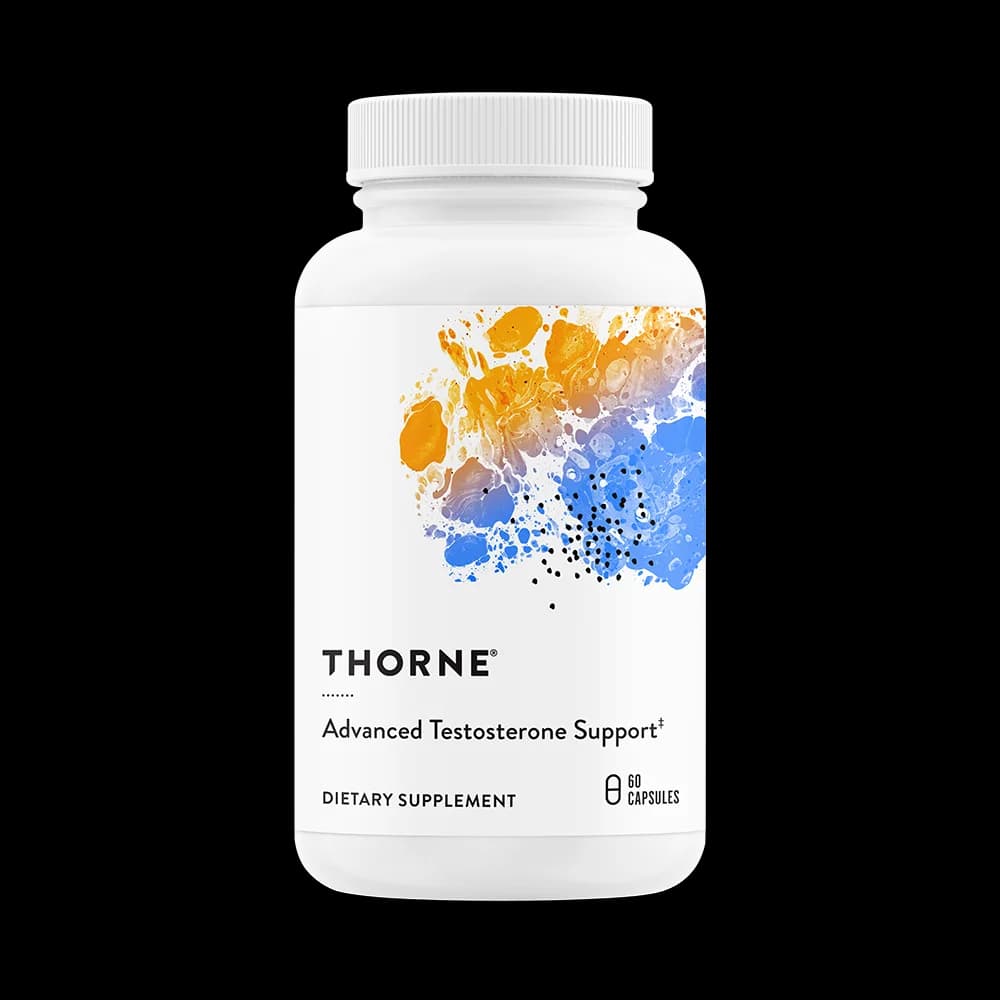
Historically viewed through the narrow lens of male sexual health, testosterone is now recognized as a potent immunomodulator, a protector of vascular health, and a critical regulator of metabolic energy in both men and women. When the body is locked in a prolonged state of neuro-inflammation and autonomic nervous system dysfunction, the delicate balance of hormone synthesis is shattered. Thorne's Advanced Testosterone Support offers a comprehensive, science-backed approach to restoring this balance. By utilizing highly bioavailable ingredients like Shilajit, Luteolin, Ashwagandha, and Zinc, this formulation targets the root biochemical pathways of hormone production, offering a potential lifeline for those seeking to reclaim their physical and mental vitality.
TL;DR
Chronic illnesses like Long COVID and ME/CFS can severely disrupt hormone balance and deplete testosterone.
Low testosterone contributes to fatigue, muscle loss, and cognitive issues in both men and women.
Targeted supplements with Shilajit, Luteolin, Ashwagandha, and Zinc may help support natural hormone production.
Always consult your healthcare provider before starting new supplements to ensure they fit your treatment plan.
What is Advanced Testosterone Support?
The Role of Testosterone in a Healthy Body
To understand the value of a targeted supplement like Advanced Testosterone Support, we must first expand our understanding of what testosterone actually does in a healthy human body. While it is the primary male sex hormone (androgen) responsible for the development of male reproductive tissues and secondary sexual characteristics, its physiological reach extends far beyond reproduction. In both men and women, testosterone plays an indispensable role in maintaining lean muscle mass, regulating bone density, and supporting optimal cognitive function. It acts as a neuroactive steroid, meaning it directly influences the central nervous system to modulate mood, motivation, and spatial memory. When testosterone levels are optimal, individuals typically experience a baseline of mental clarity and physical resilience that allows them to handle daily stressors effectively.
Crucially, testosterone is a powerful regulator of the immune system and cardiovascular health. It exerts significant anti-inflammatory effects by suppressing the production of pro-inflammatory cytokines, such as tumor necrosis factor-alpha (TNF-α) and interleukin-6 (IL-6). Furthermore, testosterone is vital for maintaining the structural integrity and function of endothelial cells, which line the interior surface of blood vessels. By promoting the release of nitric oxide, testosterone ensures that blood vessels can dilate properly, facilitating efficient blood flow and oxygen delivery to tissues throughout the body. This systemic oxygenation is a fundamental requirement for cellular energy production and helping to manage muscular fatigue.
The Endocrine System and Hormone Synthesis
The production of testosterone is a highly orchestrated process governed by the Hypothalamic-Pituitary-Gonadal (HPG) axis. This complex feedback loop begins in the brain, where the hypothalamus releases gonadotropin-releasing hormone (GnRH) in pulsatile waves. GnRH travels a short distance to the pituitary gland, signaling it to secrete luteinizing hormone (LH) and follicle-stimulating hormone (FSH) into the bloodstream. In men, LH binds to specific receptors on the Leydig cells located within the testes, acting as the primary physiological trigger for testosterone synthesis. In women, LH stimulates the theca cells of the ovaries to produce testosterone, a portion of which is subsequently converted into estrogen.
At the cellular level, the actual manufacturing of testosterone is a marvel of biochemistry. The process begins with cholesterol, which must be actively transported into the inner membrane of the mitochondria by a specialized transport molecule known as the Steroidogenic Acute Regulatory (StAR) protein. Once inside the mitochondria, an enzyme called P450scc (cholesterol side-chain cleavage enzyme) converts cholesterol into pregnenolone. Through a series of subsequent enzymatic reactions involving 3β-hydroxysteroid dehydrogenase (3β-HSD) and other catalysts, pregnenolone is ultimately transformed into functional testosterone. This intricate assembly line requires a continuous supply of cellular energy (ATP) and specific micronutrient cofactors to operate efficiently.
A Multi-Targeted Approach to Hormone Optimization
When the HPG axis is disrupted by chronic stress, viral infections, or aging, simply introducing exogenous (synthetic) hormones is not always the most effective or sustainable solution. Exogenous testosterone can actually signal the brain to shut down its own natural production, leading to testicular atrophy and a dependency on external hormones. This is where Thorne's Advanced Testosterone Support distinguishes itself. Rather than replacing the body's natural hormones, it provides a synergistic blend of botanical extracts and essential minerals designed to repair and optimize the body's endogenous (internal) production pathways.
The formulation features four heavily researched ingredients: PrimaVie® Shilajit, Luteolin Phytosome, Ashwagandha extract, and Zinc Bisglycinate Chelate. Each ingredient is specifically chosen to address a different potential bottleneck in the hormone synthesis process. For instance, while zinc provides the necessary raw materials for Leydig cell function, ashwagandha works upstream to lower the stress hormones that suppress the HPG axis. Simultaneously, luteolin helps prevent the newly synthesized testosterone from being prematurely converted into estrogen, and shilajit enhances the mitochondrial energy required to power the entire system. This multi-targeted approach ensures a comprehensive restoration of hormonal balance.
How Chronic Illness Impacts Hormone Balance
The "Non-Dominant Hormone" Paradox in Long COVID
The intersection of chronic viral illness and endocrine dysfunction has become a focal point of modern medical research. One of the most groundbreaking discoveries regarding Long COVID is its profound impact on patients' non-dominant sex hormones. A landmark study conducted by researchers at the Mount Sinai Health System and Yale School of Medicine utilized advanced machine learning to analyze the immunoendocrine profiles of Long COVID patients. The researchers discovered a startling paradox: females with severe Long COVID exhibited drastically depleted levels of testosterone, while male patients frequently showed significant drops in estradiol. This hormonal inversion fundamentally compromises the immune system's ability to regulate itself.
In healthy females, baseline testosterone levels act as a crucial mechanism for keeping latent viruses dormant. The Mount Sinai study revealed that the severe drop in testosterone experienced by female Long COVID patients directly correlated with higher antibody reactivity to latent herpesviruses, specifically Epstein-Barr Virus (EBV) and Cytomegalovirus (CMV). When testosterone levels plummet, the immune system loses its anti-inflammatory braking system, allowing these opportunistic viruses to reactivate. This viral reactivation drives a continuous cycle of systemic inflammation, contributing heavily to the debilitating fatigue, swollen lymph nodes, and cognitive impairment frequently reported by patients.
Acute and Chronic Hypogonadism in Men
While women face severe disruptions to their baseline testosterone, men face acute and direct threats to their dominant sex hormone starting from the initial SARS-CoV-2 infection. The virus gains entry into human cells by binding to ACE2 receptors. Notably, these ACE2 receptors are highly expressed on the Leydig cells in the testes—the exact cells responsible for manufacturing testosterone. As the virus replicates within these cells, it causes direct tissue damage and acute hypogonadotropic hypogonadism. A study published in JAMA Network Open by the Washington University School of Medicine found that men admitted to the hospital with severe COVID-19 had average testosterone levels of just 53 ng/dL (normal levels are 250 ng/dL or higher), with levels plummeting to a dangerous 19 ng/dL by day three of hospitalization.
Unfortunately, for many male patients, this hormonal suppression does not resolve once the acute infection clears. Months after the initial illness, many men continue to suffer from persistent hypogonadism as part of their Long COVID syndrome. The chronic inflammation and oxidative stress left in the wake of the virus continuously suppress the HPG axis, preventing the Leydig cells from recovering their normal secretory function. This persistent lack of testosterone contributes significantly to the loss of lean muscle mass, profound physical weakness, and loss of libido that characterize the male Long COVID experience.
Endothelial Dysfunction and the ME/CFS Connection
The profound exhaustion seen in Long COVID shares striking pathophysiological similarities with myalgic encephalomyelitis/chronic fatigue syndrome (ME/CFS). A central mechanism linking both conditions is endothelial dysfunction—the impairment of the blood vessel linings. Because testosterone is essential for maintaining endothelial health and promoting the release of nitric oxide, a chronic deficiency leads to stiff, inflamed, and poorly functioning blood vessels. This vascular inflammation restricts the delivery of oxygen and vital nutrients to muscle tissues and the brain, creating a state of cellular hypoxia (oxygen starvation).
Leading ME/CFS researchers, including Dr. Nancy Klimas at the Institute for Neuro-Immune Medicine, have utilized supercomputer modeling to track immune markers in chronic fatigue patients. These models have identified that male sex hormones, specifically testosterone, are highly protective against the vascular inflammation seen in ME/CFS. When testosterone levels are low, a vicious cycle emerges: poor blood flow leads to cellular stress, which triggers more inflammation, which in turn further suppresses testosterone production. This cycle is a primary driver of post-exertional malaise (PEM), the hallmark symptom of ME/CFS where even minor physical or mental exertion triggers a disproportionate and debilitating crash in energy.
Advanced Testosterone Support: Restoring Hormonal Pathways
Shilajit (PrimaVie®) and Mitochondrial Energy Production
To combat the profound hormonal and energetic deficits seen in chronic illness, Advanced Testosterone Support utilizes PrimaVie®, a patented, highly purified form of Shilajit. Shilajit is a mineral-rich phytocomplex formed over centuries by the slow decomposition of plant matter in the rocks of the Himalayas. PrimaVie is uniquely standardized to contain high levels of fulvic acid and dibenzo-α-pyrones (DBPs). These compounds operate deep within the cellular architecture, specifically targeting the mitochondria—the powerhouses of the cell. Fulvic acid acts as a highly efficient carrier molecule, transporting DBPs and essential trace minerals directly across cell membranes and into the mitochondria, where they facilitate the electron transport chain and enhance the production of adenosine triphosphate (ATP).
By restoring mitochondrial energy production, Shilajit provides the biological "fuel" necessary for the energy-intensive process of hormone synthesis. Clinical trials have demonstrated the profound efficacy of this mechanism. A 90-day, randomized, double-blind, placebo-controlled clinical trial published in Andrologia evaluated healthy men taking 500 mg of PrimaVie daily. The results showed a remarkable 20.45% increase in total testosterone and a 19.14% increase in free testosterone. Furthermore, the study noted a 31.35% increase in Dehydroepiandrosterone sulfate (DHEAS), a vital precursor hormone that the body uses to synthesize active testosterone, proving that Shilajit supports the entire hormonal cascade from the ground up.
Luteolin and Aromatase Inhibition
Synthesizing new testosterone is only half the battle; the body must also be prevented from prematurely breaking it down. This is where Luteolin, a naturally occurring flavonoid, plays a critical role. In the human body, an enzyme known as aromatase (or CYP19A1) is responsible for converting androgens like testosterone into estrogens. In states of chronic inflammation, obesity, or prolonged stress, aromatase activity often becomes hyperactive, rapidly depleting free testosterone and driving up estrogen levels. This creates a highly unfavorable hormonal environment that promotes fat storage, muscle loss, and severe fatigue.
Luteolin acts as a potent, natural aromatase inhibitor. Unlike synthetic inhibitors that only block the surface activity of the enzyme, research published in the Journal of Agricultural and Food Chemistry demonstrates that luteolin works at a genomic level. It suppresses the actual transcription of the aromatase gene and promotes the degradation of existing aromatase proteins. Furthermore, animal studies show that luteolin actively stimulates Leydig cells to produce more testosterone by upregulating the expression of the StAR protein, which is responsible for shuttling cholesterol into the mitochondria. This dual-action mechanism—defending existing testosterone while stimulating new production—makes luteolin an invaluable tool for hormonal restoration.
Ashwagandha and HPA Axis Modulation
For patients with Long COVID and ME/CFS, the nervous system is often locked in a chronic "fight or flight" state, leading to the continuous overproduction of cortisol, the body's primary stress hormone. Because cortisol and testosterone share the same precursor molecule (pregnenolone), chronically high cortisol leads to a phenomenon known as the "pregnenolone steal." The body prioritizes survival over reproduction and vitality, diverting all available resources to produce cortisol at the direct expense of testosterone synthesis. Ashwagandha (Withania somnifera), a powerful adaptogenic herb, directly intervenes in this destructive cycle by modulating the Hypothalamic-Pituitary-Adrenal (HPA) axis.
The active compounds in ashwagandha, known as withanolide glycosides, have been clinically proven to lower systemic cortisol levels and reduce neuro-inflammation. By calming the HPA axis and reducing the demand for cortisol, ashwagandha halts the pregnenolone steal, allowing the body to redirect its resources back toward testosterone production. Clinical trials have consistently shown that ashwagandha supplementation significantly increases free and total testosterone in men while simultaneously reducing perceived stress and anxiety. By addressing the neurological root of hormonal suppression, ashwagandha helps restore a state of homeostasis and resilience.
Zinc Bisglycinate Chelate and Leydig Cell Function
Zinc is an essential trace mineral that serves as a fundamental building block for the entire endocrine system. Within the testes, specialized zinc transporters (ZnT7 and ZnT8) are responsible for shuttling zinc into the mitochondria of the Leydig cells. Once inside, zinc is required to upregulate the expression of the P450scc enzyme, the rate-limiting catalyst that initiates the very first step of testosterone synthesis. Furthermore, even after testosterone is produced, it must bind to nuclear androgen receptors to exert its effects on muscle and brain tissue. These receptors rely on "zinc-finger motifs"—small protein structures stabilized by zinc—to attach to DNA and trigger gene transcription.
A chronic deficiency in zinc, which is common in patients with prolonged inflammatory illnesses, leads to an immediate and precipitous drop in testosterone. A landmark clinical trial published in Nutrition demonstrated that when healthy men underwent dietary zinc restriction, their serum testosterone plummeted by roughly 73%. Conversely, when deficient men were given zinc supplementation, their testosterone levels nearly doubled. Advanced Testosterone Support utilizes Zinc Bisglycinate Chelate, a highly bioavailable form of the mineral that ensures optimal absorption and delivery to the Leydig cells, providing the essential raw materials needed to help support stalled hormone production.

Symptoms This Supplement May Help Manage
Physical and Muscular Symptoms
By restoring optimal testosterone levels and supporting mitochondrial energy production, Advanced Testosterone Support targets several debilitating physical symptoms associated with chronic illness:
Post-Exertional Malaise (PEM): By enhancing mitochondrial ATP production via Shilajit and improving endothelial blood flow, the supplement helps raise the cellular energy threshold, potentially reducing the severity of crashes following physical exertion.
Loss of Lean Muscle Mass: Testosterone is a potent anabolic hormone. Restoring its levels may help manage the muscle wasting (sarcopenia) often seen in bedbound or highly restricted ME/CFS and Long COVID patients.
Profound Physical Weakness: Zinc and Luteolin support the neurological signaling required for muscle contraction, helping to improve baseline grip strength and overall physical stamina.
Exercise-Induced Fatigue: The fulvic acid in PrimaVie Shilajit helps clear metabolic waste products from muscle tissues, mitigating the burning sensation and rapid fatigue experienced during minimal physical activity.
Cognitive and Neurological Symptoms
Testosterone is a neuroactive steroid that profoundly influences brain health. Balancing the HPG axis can alleviate several cognitive and emotional symptoms:
Brain Fog and Cognitive Impairment: By reducing neuro-inflammation and improving cerebral blood flow (via enhanced endothelial function), optimal testosterone levels may help clear the mental cloudiness and memory issues common in post-viral syndromes.
Mood Instability and Depression: Ashwagandha's ability to lower cortisol and modulate GABA receptors helps stabilize mood, reducing the anxiety and depressive symptoms that frequently accompany chronic illness.
Low Stress Tolerance: By repairing the HPA axis and halting the "pregnenolone steal," the body regains its biochemical resilience, allowing patients to handle sensory and emotional stressors without immediately crashing.
Autonomic and Systemic Symptoms
The systemic reach of the endocrine system means that hormonal restoration can positively impact autonomic and whole-body functions:
Poor Circulation and Cold Extremities: Testosterone promotes the release of nitric oxide, which dilates blood vessels. This may help counteract the vascular constriction seen in dysautonomia and POTS, supporting blood flow to the hands and feet.
Low Libido and Sexual Dysfunction: As a primary sex hormone, restoring free testosterone levels may help improve sexual desire and function, which are often heavily suppressed during prolonged chronic illness.
Unrefreshing Sleep: By lowering evening cortisol levels, Ashwagandha helps shift the nervous system out of a sympathetic (fight-or-flight) state, promoting deeper, more restorative sleep cycles essential for cellular repair.
Practical Considerations: Forms, Dosing, and Absorption
Maximizing Bioavailability with Chelates and Phytosomes
The effectiveness of any nutritional supplement is entirely dependent on its bioavailability—the proportion of the active ingredients that actually enter systemic circulation and reach the target tissues. Many standard testosterone supplements utilize cheap, poorly absorbed ingredients that are destroyed by stomach acid or excreted before they can be utilized. Thorne's Advanced Testosterone Support employs advanced delivery technologies to bypass these biological hurdles. For example, standard luteolin has notoriously poor oral bioavailability. To solve this, Thorne utilizes a "Phytosome" delivery system, which binds the luteolin extract to a sunflower-derived phospholipid complex. Because the human digestive tract readily absorbs phospholipids, the luteolin is pulled into the bloodstream right alongside them, massively increasing its absorption and clinical efficacy.
Similarly, standard forms of zinc, such as zinc oxide or zinc sulfate, are poorly absorbed and frequently cause gastrointestinal distress, including severe nausea and cramping. Thorne utilizes Zinc Bisglycinate Chelate, a specialized form where the zinc molecule is chemically bound to two molecules of the amino acid glycine. This unique structure allows the zinc to bypass the standard, easily saturated mineral absorption channels in the gut. Instead, it is absorbed through specialized dipeptide pathways intended for proteins. This not only ensures superior cellular uptake but also makes the supplement exceptionally gentle on the stomach, even for patients with the sensitive gastrointestinal tracts common in dysautonomia and MCAS.
Optimal Timing and Dosing Strategies
The suggested use for Advanced Testosterone Support is two capsules daily, or as recommended by a healthcare practitioner. Because hormone synthesis is deeply tied to the body's circadian rhythm, timing can play a role in optimizing the supplement's effects. Testosterone production naturally peaks in the early morning hours and gradually declines throughout the day. Taking the supplement in the morning can help align with and support this natural biological rhythm. Furthermore, because the formula contains fat-soluble components (like the phospholipid complex in the Luteolin Phytosome), taking the capsules alongside a meal that contains healthy fats (such as avocado, olive oil, or eggs) can further enhance intestinal absorption.
It is important to maintain realistic expectations regarding the timeline for hormonal restoration. Unlike a stimulant that provides an immediate, temporary burst of energy, repairing the HPG axis and rebuilding mitochondrial function is a cumulative process. While some patients may notice improvements in stress resilience and sleep quality (largely driven by the Ashwagandha) within the first two to three weeks, significant shifts in total and free testosterone levels, as well as improvements in lean muscle mass and baseline fatigue, typically require 8 to 12 weeks of consistent daily supplementation. Consistency is key when addressing deeply entrenched endocrine dysfunction.
Safety, Contraindications, and Potential Interactions
While Thorne's formula utilizes highly purified, natural ingredients, the profound physiological effects of these botanicals mean they must be used with care, particularly by individuals managing complex chronic illnesses. Zinc can bind to certain medications in the digestive tract, severely limiting their absorption. If you are taking antibiotics (such as tetracyclines or fluoroquinolones) or bisphosphonates for bone health, it is crucial to separate the intake of this supplement and your medications by at least two to four hours. Additionally, because Ashwagandha has immunomodulatory and mild blood sugar-lowering effects, it can potentially interact with diabetes medications, blood pressure drugs, and immunosuppressants.
Ashwagandha is also known to stimulate thyroid hormone production. While this can be beneficial for some, individuals with hyperthyroidism or those taking thyroid replacement medications should monitor their levels closely and consult their endocrinologist. The product is strictly contraindicated for individuals with a history of hypersensitivity to any of its ingredients, and the manufacturer warns that if you are pregnant, nursing, or trying to conceive, you should not use this product. As with any powerful intervention, patients with Long COVID, ME/CFS, or dysautonomia should introduce this supplement under the guidance of a knowledgeable healthcare provider who can monitor relevant blood markers and ensure it fits safely within their broader treatment protocol.

Follow the Science
Clinical Evidence for Shilajit and Zinc
The ingredients in Advanced Testosterone Support are backed by a robust body of clinical literature demonstrating their efficacy in modulating human endocrinology. The patented PrimaVie® Shilajit used in the formula has been the subject of multiple rigorous trials. A pivotal 90-day, randomized, double-blind, placebo-controlled clinical trial published in Andrologia evaluated 75 healthy men between the ages of 45 and 55. The researchers found that supplementation with 500 mg of purified Shilajit daily resulted in a highly statistically significant 20.45% increase in total testosterone and a 19.14% increase in free testosterone compared to the placebo group. The study also noted a profound 31.35% increase in DHEAS, confirming Shilajit's ability to stimulate the foundational precursors of hormone synthesis.
The critical role of zinc in maintaining these hormonal pathways is equally well-documented. A landmark clinical trial published in the journal Nutrition by Prasad et al. definitively established the cause-and-effect relationship between dietary zinc and serum testosterone. The researchers demonstrated that when normal young men were subjected to dietary zinc restriction for 20 weeks, their serum testosterone concentrations plummeted by an astonishing 73%. Conversely, when marginally zinc-deficient elderly men were provided with zinc supplementation for six months, their serum testosterone levels nearly doubled, rising from an average of 8.3 nmol/L to 16.0 nmol/L. This data underscores that bioavailable zinc is not merely a supportive nutrient, but an absolute biological prerequisite for testosterone production.
Ashwagandha's Role in Post-Viral Recovery
Ashwagandha has long been studied for its ability to lower cortisol and improve stress resilience, but its application in post-viral syndromes is currently the subject of groundbreaking new research. A comprehensive 2024 systematic review and meta-analysis of 15 randomized clinical trials encompassing 873 patients confirmed that ashwagandha supplementation consistently and significantly reduces serum cortisol levels and perceived anxiety. By blunting the physiological stress response, ashwagandha protects the HPG axis from the suppressive effects of chronic illness, allowing testosterone production to normalize.
Most notably, the immunomodulatory and energy-restoring properties of ashwagandha are currently being put to the ultimate test in the context of Long COVID. The prestigious London School of Hygiene & Tropical Medicine (LSHTM), in partnership with the All India Institute of Ayurveda, is currently conducting the APRIL Trial (Ayurveda for Promoting Recovery In Long COVID). This massive double-blind, randomized, placebo-controlled trial involves up to 2,500 UK participants diagnosed with Long COVID. The trial aims to definitively prove whether ashwagandha's ability to reduce neuro-inflammation and modulate the nervous system can effectively combat the debilitating brain fog, chronic fatigue, and sleep disturbances that characterize the condition, potentially establishing it as a standard-of-care intervention for post-viral recovery.
Emerging Research on Luteolin and Aromatase
The scientific understanding of Luteolin has evolved rapidly in recent years, shifting from its role as a general antioxidant to a highly targeted endocrine modulator. Research published in the Journal of Agricultural and Food Chemistry investigated luteolin's effects on human cells that highly express the aromatase enzyme (CYP19A1). The study demonstrated that pure luteolin potently inhibited estrogen biosynthesis with a highly effective IC50 value of 1.17 μM. The researchers concluded that luteolin suppresses the actual transcription of the aromatase gene, helping to prevent the body from manufacturing the enzyme that breaks down testosterone.
Furthermore, studies published in Cell Biology and Toxicology have shown that luteolin actively upregulates the Steroidogenic Acute Regulatory (StAR) protein within rat tumor Leydig cells. By increasing the expression of this critical transport protein, luteolin forces more cholesterol into the mitochondria, directly stimulating the synthesis of new testosterone. This dual mechanism—simultaneously acting as a genetic aromatase inhibitor and a direct Leydig cell stimulant—cements luteolin's status as a vital component in modern hormonal restoration therapies.
The Path Forward
Validating the Complexities of Hormonal Health
Living with a complex chronic illness like Long COVID, ME/CFS, or dysautonomia is an exhausting, full-time job. The profound fatigue, cognitive impairment, and loss of physical vitality can strip away your sense of self, leaving you feeling disconnected from the body you once knew. It is deeply validating to understand that these symptoms are not in your head, nor are they simply a lack of willpower. They are the result of measurable, physiological disruptions deep within your cellular architecture. The discovery that severe viral infections and chronic inflammation can fundamentally crash your endocrine system and deplete vital hormones like testosterone provides a tangible, scientific explanation for the systemic energy crisis you are experiencing.
Integrating Supplements into a Comprehensive Plan
While restoring hormonal balance is a critical step, it is important to remember that no single supplement is a magic cure for complex post-viral syndromes. Thorne's Advanced Testosterone Support is a powerful tool designed to repair the HPG axis, enhance mitochondrial energy, and protect your blood vessels from inflammation. However, it is most effective when utilized as one pillar of a comprehensive, multidisciplinary management strategy. This strategy must include aggressive rest, strict pacing to avoid post-exertional malaise, nervous system regulation techniques, and continuous medical oversight. By combining targeted biochemical support with intelligent energy management, you create the optimal environment for your body to begin the slow, complex process of healing.
Next Steps for Your Healing Journey
If you are struggling with the relentless fatigue, muscle weakness, and cognitive fog of chronic illness, addressing underlying hormonal depletion may be a vital step forward. By providing your body with the highly bioavailable Shilajit, Luteolin, Ashwagandha, and Zinc it needs to restart stalled endocrine pathways, you can begin to rebuild your baseline resilience. Always consult with your healthcare provider or a specialist familiar with Long COVID and ME/CFS before introducing new supplements to ensure they align safely with your unique medical history and current medications.