Can AdreneVive® Support the Stress Response and Energy Levels in Long COVID and ME/CFS?
March 6, 2026
AdreneViveLong COVIDME/CFS
Share:
Disclaimer: The information provided here is for educational purposes only and is not intended as medical advice. It should not be used to diagnose, treat, cure, or prevent any medical condition. Instead, use it as a starting point for discussion with your healthcare provider. Always consult with a qualified healthcare provider before starting any new medication, supplement, device, or making changes to your health regimen.
You are exhausted to your bones. Your limbs feel like lead, and your cognitive energy is entirely depleted. Yet, when your head finally hits the pillow, your heart races, your mind spins, and restorative sleep feels entirely out of reach. This paradoxical state of being "tired and wired" is a hallmark of complex chronic conditions like Long COVID, Myalgic Encephalomyelitis/Chronic Fatigue Syndrome (ME/CFS), and dysautonomia. It is a deeply frustrating reality where your body lacks the energy to function during the day but cannot calm down enough to rest at night.
For many patients, this phenomenon is not simply a matter of poor sleep hygiene or psychological stress; it is a profound physiological dysregulation of the body’s central stress response system. When navigating What Are the Symptoms of Long COVID?, patients frequently report this relentless cycle of hyperarousal and profound exhaustion. The neuroendocrine system, responsible for managing stress and energy, becomes trapped in a loop of dysfunction. Intervening in this cycle requires a targeted approach to calm the nervous system while simultaneously supporting cellular energy production. This is where comprehensive adaptogenic formulations like AdreneVive® come into play, offering a synergistic blend of botanicals and nutrients designed to support balance in a hyperactive stress response system.
TL;DR
The "tired and wired" feeling stems from HPA axis dysfunction and cellular energy depletion.
AdreneVive® uses adaptogens like Ashwagandha and Rhodiola to support cortisol balance and energy production.
Targeted botanicals may help calm the nervous system and support restorative sleep without drowsiness.
Always combine supplementation with strict pacing, rest, and guidance from a healthcare provider.
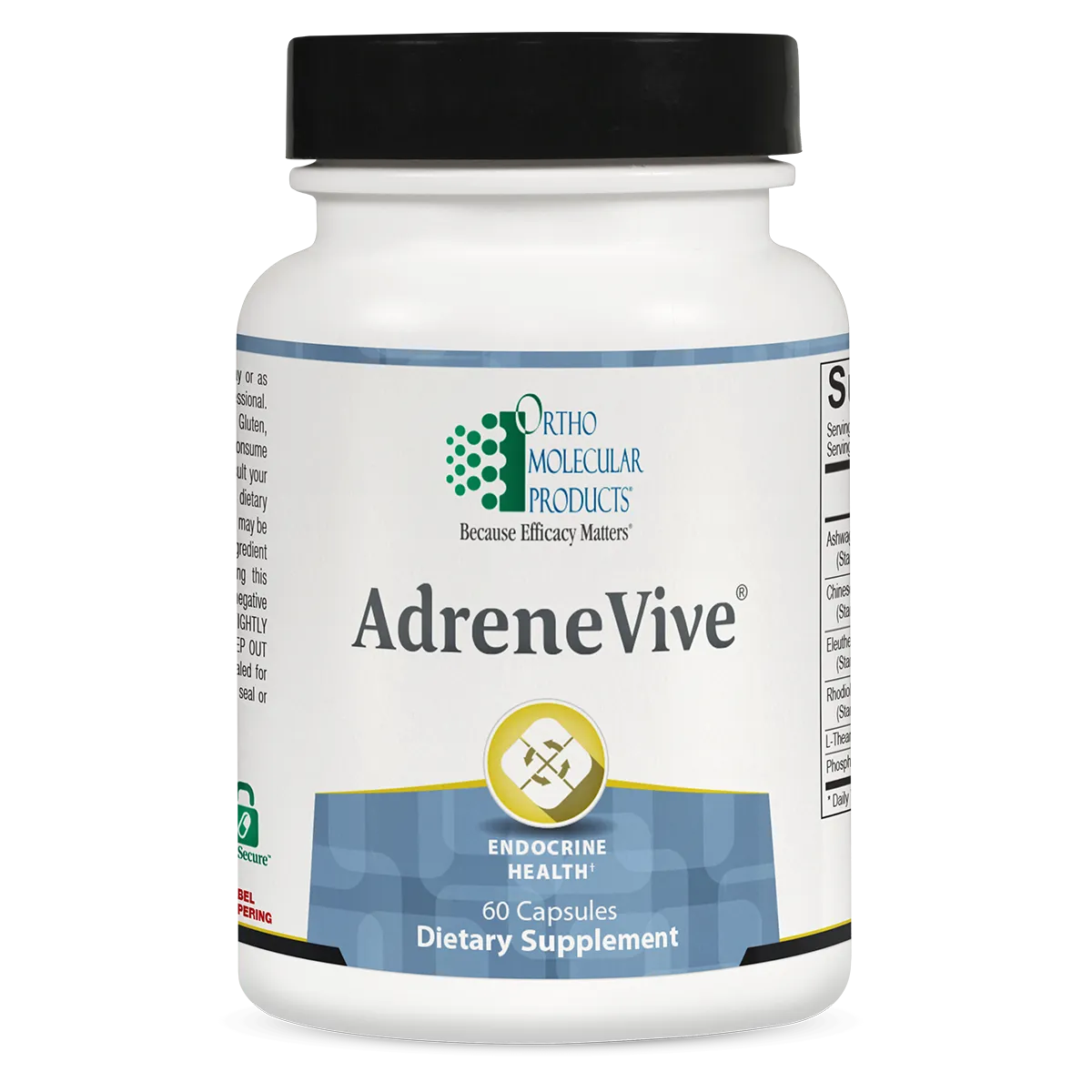
What is AdreneVive®?
The "Stressed and Wired" Phenotype
To understand how AdreneVive® works, we must first understand the physiological state of being "stressed and wired." In a healthy body, the stress response is designed to be acute and short-lived. When faced with a threat—whether it is a physical injury, a viral infection, or a psychological stressor—the body mounts a fight-or-flight response. This response mobilizes energy stores, increases heart rate, and sharpens focus to help you survive the immediate danger. However, in chronic illness, this system becomes stuck in the "on" position. The body perceives a constant state of threat, leading to a relentless outpouring of stress hormones.
This chronic sympathetic nervous system overdrive forces the body to burn through its cellular energy reserves at an unsustainable rate. Patients experience a profound depletion of adenosine triphosphate (ATP), the primary energy currency of the cell, leading to debilitating physical fatigue. Simultaneously, the persistent circulation of excitatory neurotransmitters and stress hormones keeps the brain and nervous system in a state of hyperarousal. You are biologically exhausted, yet neurologically stimulated. AdreneVive® is specifically formulated to address this exact phenotype by utilizing adaptogenic botanicals that modulate this exaggerated stress response.
The HPA Axis and Cortisol Balance
The command center for the body's stress response is the Hypothalamic-Pituitary-Adrenal (HPA) axis. This complex neuroendocrine network begins in the brain, where the hypothalamus secretes Corticotropin-Releasing Hormone (CRH) in response to stress. CRH travels a short distance to the anterior pituitary gland, prompting it to release Adrenocorticotropic Hormone (ACTH) into the bloodstream. ACTH then travels to the adrenal glands, which sit atop the kidneys, stimulating the adrenal cortex to synthesize and release glucocorticoids, primarily cortisol, as well as the androgen precursor Dehydroepiandrosterone (DHEA).
The HPA axis operates on a negative feedback loop. Under normal conditions, once the stressor has passed, elevated cortisol levels signal the hypothalamus and pituitary to stop producing CRH and ACTH, returning the system to baseline. The physiological response to prolonged stress consists of three stages: the alarm phase, the resistance phase, and the exhaustion phase. During the initial alarm phase, cortisol spikes to handle the threat. During the resistance phase, the body attempts to buffer the extended stress exposure by maintaining elevated cortisol and DHEA. However, if the stress is unrelenting, the system enters the exhaustion phase. The adrenal glands struggle to maintain hormone production, the negative feedback loop breaks down, and the patient is left with severe mental and physical fatigue, nervous tension, and cognitive impairment.
A Synergistic Adaptogenic Blend
AdreneVive®, formulated by Ortho Molecular, is designed to intervene in this cascade, particularly by promoting cortisol balance during the initial alarm and resistance phases to help avoid the onset of complete HPA axis exhaustion. The formulation relies on a strategic blend of adaptogens—substances that enhance the body's resistance to stress and help restore physiological homeostasis.
The supplement contains a robust profile of key ingredients: Ashwagandha Root Extract (standardized to 1.5% Withanolides), Chinese Skullcap Root Extract (standardized to 30% Flavonoids), Eleuthero Root Extract (standardized to 0.8% Eleutherosides), Rhodiola Root Extract (standardized to 3% Rosavins), L-Theanine (as Suntheanine®), and Phosphatidylserine. Together, these compounds work synergistically to counteract the effects of daily stress, support healthy energy levels, and help maintain balanced cortisol and DHEA ratios, providing a comprehensive safety net for the overworked nervous system.
How Chronic Illness Impacts the Stress Response System
Viral Infection and HPA Axis Dysregulation
When exploring What Causes Long COVID?, researchers consistently point to the profound impact of the initial SARS-CoV-2 infection on the neuroendocrine system. A severe viral infection acts as a massive physiological stressor, triggering a systemic cytokine storm. This massive release of pro-inflammatory cytokines (such as IL-6 and TNF-alpha) directly stimulates the HPA axis, demanding a continuous output of cortisol to help suppress the runaway inflammation. While this is a necessary survival mechanism in the acute phase, the persistent immune activation seen in Long COVID and ME/CFS keeps the HPA axis chronically engaged.
Recent literature on ME/CFS and Long COVID highlights that this chronic systemic inflammation leads to profound HPA axis dysfunction. Over time, the constant bombardment of cortisol causes the glucocorticoid receptors (GR) and mineralocorticoid receptors (MR) to downregulate or become resistant. The negative feedback loop fails, leading to a state of HPA axis desensitization, often referred to clinically as hypocortisolism or "adrenal fatigue." Patients with this condition experience a flattened diurnal cortisol curve—meaning they lack the morning surge of cortisol needed for daytime energy, but may experience inappropriate cortisol spikes at night, perpetuating the "wired and tired" cycle.
The "Pregnenolone Steal" and DHEA Imbalance
The chronic demand for cortisol also disrupts the delicate balance of other vital hormones, particularly DHEA. Both cortisol and DHEA are synthesized from a common precursor molecule called pregnenolone, which is derived from cholesterol. In a healthy state, the adrenal glands produce a balanced ratio of these hormones. However, during periods of prolonged, severe stress, the body prioritizes survival over all other functions. It initiates a biochemical shift often referred to as the "pregnenolone steal" or the "cortisol shunt."
In this scenario, the biochemical pathways are diverted away from producing DHEA and sex hormones, funneling all available pregnenolone into the production of cortisol to manage the ongoing stressor. DHEA is a crucial neuroprotective and immune-modulating hormone. It helps counteract the catabolic (tissue-breaking) effects of cortisol, supports cognitive function, and maintains muscle integrity. When DHEA levels plummet due to chronic HPA axis activation, patients are left vulnerable to accelerated physical fatigue, mood disturbances, and a weakened ability to recover from exertion, which is a core feature when considering How Long Does Long COVID Last?.
Neuroinflammation and Microglial Activation
Beyond the adrenal glands, chronic illness profoundly impacts the brain itself. In conditions like Long COVID and ME/CFS, persistent viral reservoirs (such as lingering SARS-CoV-2 Spike S1 proteins) and gut microbiome dysbiosis can lead to a breakdown of the blood-brain barrier. This allows inflammatory molecules to enter the central nervous system, triggering the activation of microglia. Microglia are the primary immune cells of the brain, and when activated into a pro-inflammatory (M1) state, they release neurotoxic cytokines.
Research into the mechanisms of Long COVID demonstrates that this neuroinflammation directly disrupts hypothalamic signaling. The hypothalamus, bathed in inflammatory cytokines, becomes less responsive to normal hormonal feedback. This neuroinflammatory state is a primary driver of the severe cognitive dysfunction ("brain fog"), autonomic nervous system dysregulation (dysautonomia), and the unrefreshing sleep that plagues patients. The brain is essentially on fire, constantly signaling danger to the rest of the body, making recovery nearly impossible without targeted interventions to cool the neuroinflammation and reset the HPA axis.
AdreneVive®: Supporting the HPA Axis and Energy Production
Ashwagandha and Eleuthero: Modulating the Endocrine Response
AdreneVive® utilizes Ashwagandha (Withania somnifera), a premier adaptogen renowned for its ability to modulate the HPA axis. Ashwagandha contains bioactive compounds called withanolides, which are steroidal lactones that structurally resemble the body's own endogenous hormones. Because of this structural similarity, Ashwagandha acts as an amphoteric regulator. In states of hyperarousal (the alarm phase), withanolides can bind to glucocorticoid receptors in the hypothalamus, mimicking cortisol and providing the necessary negative feedback to halt the excessive release of CRH and ACTH. Conversely, in states of HPA axis exhaustion, it can support the adrenal glands' responsiveness. Clinical reviews on Ashwagandha demonstrate its profound ability to lower elevated morning cortisol by up to 33% in chronically stressed individuals, effectively blunting the hyperactive stress response.
Complementing Ashwagandha is Eleuthero (Eleutherococcus senticosus), often referred to as Siberian Ginseng. Eleuthero is rich in eleutherosides (specifically B and E), which work at the molecular level to protect cells from stress-induced damage. Research on adaptogens shows that Eleuthero upregulates the expression of Heat Shock Protein 70 (Hsp70). Hsp70 acts as a cellular chaperone, protecting delicate proteins from oxidative stress and inhibiting the expression of the nitric oxide (NO) synthase II gene. By helping to mitigate massive spikes in NO during physical or emotional stress, Eleuthero helps to avoid the subsequent crash in cellular ATP production, thereby raising the threshold for physical endurance and reducing the severity of post-exertional fatigue.
Rhodiola Rosea: Preserving Cellular ATP
To address the profound energy deficits seen in chronic illness, AdreneVive® includes Rhodiola (Rhodiola rosea). The primary bioactive compounds in Rhodiola, rosavins and salidroside, directly target cellular bioenergetics. Salidroside is a potent activator of the AMP-activated protein kinase (AMPK) pathway. AMPK serves as the master energy sensor of the cell; when activated, it stimulates mitochondrial biogenesis and enhances the efficiency of the electron transport chain, leading to increased production of ATP.
Furthermore, Rhodiola acts as a mild, natural monoamine oxidase (MAO) inhibitor. By gently inhibiting the enzymatic breakdown of key neurotransmitters, studies on Rhodiola's mechanisms indicate it increases the availability of serotonin, dopamine, and norepinephrine in the synaptic clefts of the brain. This dual action—boosting mitochondrial ATP production while simultaneously enhancing mood-regulating neurotransmitters—makes Rhodiola exceptionally effective at managing both the physical exhaustion and the cognitive "brain fog" associated with ME/CFS and Long COVID.
Chinese Skullcap: Calming Neuroinflammation
A critical and unique component of AdreneVive® is Chinese Skullcap (Scutellaria baicalensis). In the context of post-viral syndromes, addressing neuroinflammation is paramount. Chinese Skullcap is rich in the flavonoids baicalin and baicalein, which are capable of crossing the blood-brain barrier. Once in the central nervous system, these flavonoids may act as microglial deactivators.
Additionally, baicalin enhances a process known as macrophage efferocytosis—the cellular "cleanup" mechanism where immune cells engulf and clear out dead cells and viral debris. By accelerating the clearance of this inflammatory debris, Chinese Skullcap helps extinguish the smoldering neuroinflammation that drives autonomic dysfunction and cognitive impairment, providing a crucial layer of neurological protection for patients navigating the complexities of Long COVID.
L-Theanine and Phosphatidylserine: The Neurological Buffer
To directly manage the "wired" sensation, AdreneVive® incorporates Phosphatidylserine (PS) and L-Theanine. PS is a naturally occurring phospholipid that is a major structural component of neural cell membranes.
Simultaneously, L-Theanine, a unique amino acid derived from green tea, acts as a rapid neurological buffer. L-Theanine easily crosses the blood-brain barrier, where it competitively binds to glutamate receptors, blocking the excitatory signals that cause anxiety and hyperarousal. Concurrently, it stimulates the production of inhibitory, calming neurotransmitters like GABA and glycine. Magnetoencephalography (MEG) studies reveal that L-Theanine significantly increases alpha brain wave activity within just 60 minutes of ingestion, promoting a state of "relaxed alertness" that calms the racing mind without causing the drowsiness associated with traditional sedatives.
Symptoms AdreneVive® May Help Manage
Targeting Physical Exhaustion
By supporting mitochondrial ATP production and modulating the adrenal response, the ingredients in AdreneVive® target several core physical symptoms of chronic fatigue syndromes. When asking Can Long COVID Trigger ME/CFS? Unraveling the Connection, the overlap in physical exhaustion is a primary focus.
Post-Exertional Malaise (PEM): By upregulating Hsp70 and protecting cellular energy reserves via Eleuthero and Rhodiola, the body is better equipped to handle minor physical exertion without immediately crashing into an energy deficit.
Profound Daytime Fatigue: The activation of the AMPK pathway by Rhodiola helps restore cellular bioenergetics, providing a steady, non-stimulant source of energy to help manage the heavy, leaden feeling in the limbs.
Exercise Intolerance: Phosphatidylserine helps blunt the massive cortisol spikes that typically occur during physical exertion, supporting the body against the catabolic stress that makes exercise intolerable for many dysautonomia patients.
Calming the Nervous System
The neuroprotective and GABA-enhancing properties of Chinese Skullcap and L-Theanine specifically target the hyperarousal and cognitive symptoms that keep patients stuck in a state of distress.
The "Wired and Tired" Sensation: L-Theanine rapidly increases alpha brain waves and GABA production, helping to quiet the racing thoughts and physical restlessness that often occur at night, paving the way for restorative sleep.
Brain Fog and Cognitive Dysfunction: By reducing neuroinflammation and microglial activation through the flavonoids in Chinese Skullcap, the brain's processing speed, memory recall, and focus can improve.
Orthostatic Intolerance and Palpitations: While not a direct intervention for POTS, calming the excessive sympathetic nervous system overdrive (the fight-or-flight response) can help reduce the severity of adrenaline surges and palpitations associated with position changes.
Practical Considerations: Forms, Dosing, and Absorption
Optimal Timing for Cortisol Balance
Because AdreneVive® is designed to modulate the HPA axis and influence cortisol levels, the timing of administration is a critical practical consideration. The body's natural cortisol rhythm, known as the Cortisol Awakening Response (CAR), dictates that cortisol should be highest in the morning to wake you up and provide daytime energy, and lowest in the evening to allow for sleep. For patients who are "stressed and wired" with a flattened or inverted cortisol curve, timing matters.
The suggested use is 2 capsules taken one to two times per day. For most patients dealing with Long COVID or ME/CFS fatigue, taking the first dose in the morning or early afternoon is optimal. This allows the adaptogens like Rhodiola and Eleuthero to support daytime cellular energy production, while the Ashwagandha and Phosphatidylserine help buffer the stress of daily activities. Taking the supplement too late in the evening may be counterproductive for some, as the energy-supporting botanicals might interfere with the natural wind-down process, despite the calming presence of L-Theanine.
Ingredient Synergies and Bioavailability
The efficacy of botanical medicine relies heavily on the quality and standardization of the extracts. AdreneVive® utilizes highly standardized forms to ensure therapeutic dosing. The Ashwagandha is standardized to 1.5% withanolides, the Chinese Skullcap to 30% flavonoids, the Eleuthero to 0.8% eleutherosides, and the Rhodiola to 3% rosavins. This standardization guarantees that the specific bioactive molecules responsible for HPA axis modulation and AMPK activation are present in clinically relevant quantities in every capsule.
Furthermore, the L-Theanine used is Suntheanine®, a patented, pure form of the amino acid that has been extensively utilized in clinical trials for its high bioavailability and rapid onset of action. The Phosphatidylserine is sourced from sunflower seeds rather than the traditional soy, making this formulation accessible and safe for patients with severe soy allergies or mast cell activation syndrome (MCAS) triggers related to soy proteins.
Safety, Pacing, and Potential Interactions
While adaptogens are generally well-tolerated, they are powerful modulators of the endocrine and immune systems. Patients taking immunosuppressive medications, thyroid hormone replacements, or prescription sedatives should consult their healthcare provider, as herbs like Ashwagandha can mildly stimulate thyroid function and amplify the effects of GABAergic drugs.
Most importantly, patients must practice strict pacing while taking AdreneVive®. As the Rhodiola and Eleuthero begin to support mitochondrial function and reduce the sensation of fatigue, patients may feel a sudden return of energy. It is a critical mistake to use this newfound energy to immediately push past your baseline and overexert yourself. Adaptogens are meant to rebuild your energetic reserves, not to serve as a stimulant to help you push through a crash. If you notice Do Long COVID Symptoms Come and Go?, use the periods of improved energy to rest and recover, rather than overextending your fragile nervous system.

Follow the Science
Clinical Trials on Ashwagandha and Rhodiola
The individual components of AdreneVive® have been the subject of rigorous clinical investigation, particularly in the context of chronic stress and post-viral fatigue. Ashwagandha is currently the focus of the massive APRIL Trial (Ayurveda for Promoting Recovery in Long COVID), sponsored by the London School of Hygiene & Tropical Medicine. This double-blind, randomized, placebo-controlled trial involves 2,500 UK adults diagnosed with Long COVID, evaluating the efficacy of Ashwagandha root extract in improving functional status, reducing brain fog, and alleviating severe fatigue over a 3-month period. Previous placebo-controlled trials on Ashwagandha have already established its ability to significantly reduce serum cortisol levels by up to 33% in chronically stressed populations.
Similarly, Rhodiola rosea has robust clinical backing for fatigue management. A multicenter, open-label clinical trial investigated the effects of a dry Rhodiola extract on 100 subjects suffering from prolonged or chronic fatigue symptoms. Patients receiving 400 mg per day showed significant improvements in general fatigue, physical/mental exhaustion, and reduced motivation after just one week of supplementation, with improvements in post-exertional malaise continuing to build steadily through the 8-week study period.
Phosphatidylserine and L-Theanine in Stress Models
The endocrine-buffering effects of Phosphatidylserine (PS) are well-documented in human stress models. A 2014 randomized, placebo-controlled study published in Lipids in Health and Disease tested the effects of a PS complex on 75 healthy, chronically stressed men subjected to a psychosocial stress test. However, the cited study actually focuses on how Aurora-A contributes to cisplatin resistance and lymphatic metastasis in non-small cell lung cancer, rather than the effects of a 400 mg daily dose of PS on ACTH and cortisol.
L-Theanine's rapid neurological benefits were highlighted in a 2016 double-blind, placebo-controlled crossover trial published in Nutrients. Researchers administered a beverage containing 200 mg of L-Theanine to adults exposed to a multitasking cognitive stressor. The results demonstrated that salivary cortisol responses were significantly reduced, and magnetoencephalography (MEG) showed a marked increase in resting alpha brain wave activity, objectively confirming L-Theanine's ability to induce a state of calm focus under pressure.
Chinese Skullcap in Post-Viral Research
While research continues to explore Chinese Skullcap's potential role in post-viral neuroinflammation, robust clinical data on its specific effects in these conditions is still emerging.
The Path Forward
Validating the "Wired and Tired" Reality
Living with a complex chronic condition often means battling invisible symptoms that are difficult for others to understand. The sensation of being simultaneously exhausted and hyper-stimulated is not a psychological failing or a sign of anxiety; it is a documented, physiological dysregulation of your neuroendocrine system. Your HPA axis is overworked, your cellular energy is depleted, and your nervous system is fighting a relentless battle to maintain homeostasis. Validating this reality is the first step toward compassionate, effective management.
Comprehensive Care and Symptom Tracking
While AdreneVive® offers a powerful, science-backed blend of adaptogens to support cortisol balance and cellular energy, it is not a standalone solution. True recovery requires a comprehensive approach. This means combining targeted supplementation with aggressive resting, strict pacing to avoid post-exertional malaise, and diligent symptom tracking to understand your unique triggers. Working with a knowledgeable healthcare provider who understands the nuances of dysautonomia and ME/CFS is essential to tailor your protocol.
Next Steps in Your Journey
If you are struggling with the debilitating cycle of being "stressed and wired," supporting your HPA axis is a critical component of your recovery strategy. By utilizing the synergistic power of Ashwagandha, Rhodiola, Chinese Skullcap, and targeted nutrients, you can help calm your nervous system and rebuild your energetic reserves. Always consult your healthcare provider before beginning any new supplement regimen to ensure it aligns with your comprehensive care plan.