Can AdipoLean II Support Metabolic Health and Adiponectin Levels in Long COVID?
March 5, 2026
AdipoLean IILong COVIDMetabolic Dysfunction
Share:
Disclaimer: The information provided here is for educational purposes only and is not intended as medical advice. It should not be used to diagnose, treat, cure, or prevent any medical condition. Instead, use it as a starting point for discussion with your healthcare provider. Always consult with a qualified healthcare provider before starting any new medication, supplement, device, or making changes to your health regimen.
For many individuals living with complex chronic illnesses, the battle extends far beyond the initial infection or the onset of profound fatigue. A frequently reported, yet poorly understood, symptom of Long COVID and Myalgic Encephalomyelitis/Chronic Fatigue Syndrome (ME/CFS) is sudden, unexplained metabolic dysfunction. Patients often find themselves struggling with rapid weight changes, new-onset insulin resistance, and a stubborn increase in visceral fat, despite making no changes to their diet or activity levels. This metabolic shift can feel incredibly invalidating, especially when traditional medical advice simply suggests "eating less and exercising more"—a recommendation that is not only unhelpful but potentially dangerous for those navigating post-exertional malaise (PEM).
The reality is that these metabolic changes are deeply rooted in the pathophysiology of the diseases themselves. Viral infections and chronic immune activation can directly damage adipose (fat) tissue, disrupting the delicate balance of metabolic hormones that dictate how our bodies utilize energy. One of the most critical hormones in this process is adiponectin. When adiponectin levels crash, the body loses its ability to efficiently process glucose and burn fat, leading to a cascade of cellular energy starvation and systemic inflammation. In the search for targeted metabolic support, AdipoLean II by Pure Encapsulations has emerged as a compelling option. By combining clinically researched botanical extracts designed to restore healthy adiponectin expression, this supplement offers a science-backed approach to supporting metabolic health in the face of chronic illness.
TL;DR
AdipoLean II supports metabolic health and adiponectin expression in chronic conditions like Long COVID and ME/CFS.
The supplement uses LOWAT® and Oligonol® to help manage visceral fat and support cellular energy.
Research suggests it may help address insulin resistance and oxidative stress linked to post-viral fatigue.
Always consult a healthcare provider before starting new supplements, especially if taking prescription medications.
What is AdipoLean II?
A Synergistic Approach to Metabolic Health
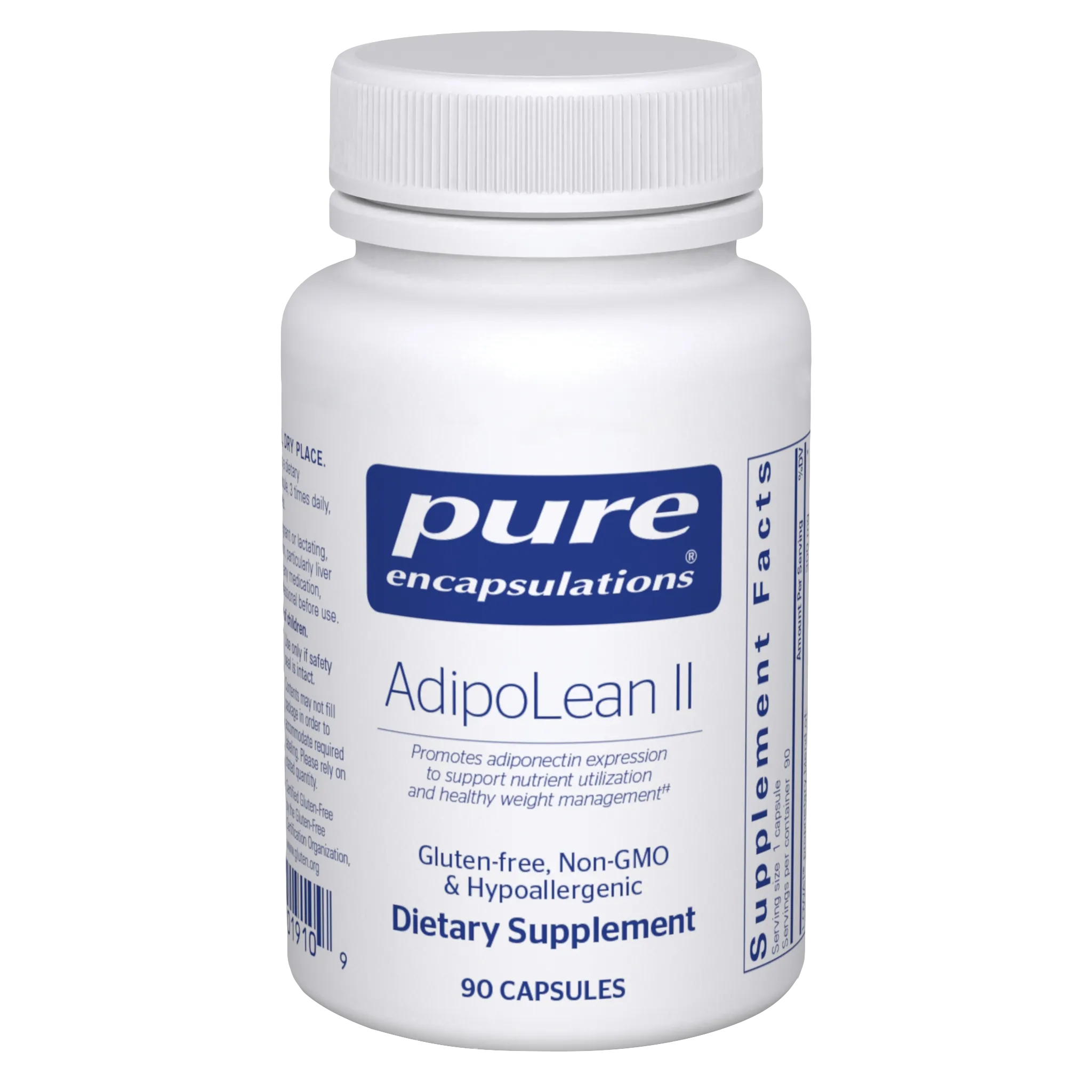
AdipoLean II is a highly specialized, professional-grade dietary supplement formulated by Pure Encapsulations. Unlike generic weight loss supplements that rely on harsh stimulants or central nervous system arousal, AdipoLean II is designed to support metabolic function at the endocrine and molecular levels. It specifically targets the expression of adiponectin, a crucial metabolic hormone, while simultaneously supporting healthy insulin function, optimal glucose uptake, and efficient fat utilization. The formula achieves this through the synergistic action of two patented, clinically researched botanical blends: LOWAT® and Oligonol®.
To understand how AdipoLean II functions, we must first examine the role of adiponectin in a healthy human body. Adiponectin is an "adipokine"—a cell-signaling protein hormone secreted almost exclusively by adipose (fat) tissue. In a metabolically healthy individual, adiponectin acts as a powerful insulin-sensitizing, anti-inflammatory, and anti-fibrotic agent. It circulates in the bloodstream and binds to specific receptors (AdipoR1 and AdipoR2) located primarily in skeletal muscle and the liver. When adiponectin binds to these receptors, it triggers a profound biochemical cascade that regulates how our cells generate energy.
The primary downstream target of adiponectin is the activation of AMP-activated protein kinase (AMPK), often referred to as the "master metabolic switch" of the cell. When AMPK is activated by adiponectin, it stimulates the translocation of GLUT4 transporters to the cell membrane, allowing the cell to pull glucose out of the bloodstream and use it for immediate energy. Simultaneously, AMPK inhibits an enzyme called acetyl-CoA carboxylase (ACC). This inhibition decreases the production of malonyl-CoA, which in turn relieves the suppression of carnitine palmitoyltransferase 1 (CPT1). The activation of CPT1 acts as a gateway, allowing free fatty acids to enter the mitochondria where they are burned for fuel via beta-oxidation. In short, healthy adiponectin levels ensure that your cells are constantly fed with glucose and that stored fat is efficiently utilized for energy.
The LOWAT® Blend and Adiponectin Expression
The first primary component of AdipoLean II is the LOWAT® proprietary blend, which is included at a clinically studied dose of 300 mg per capsule. LOWAT® is a highly refined, patented combination of two traditional Ayurvedic botanical extracts: Dolichos biflorus (commonly known as horse gram) seed extract and Piper betle (betel) leaf extract. In traditional medicine, these plants have been utilized for centuries to support digestion and vitality. However, modern pharmacological research has isolated their specific mechanisms of action at the cellular level, revealing a potent ability to modulate adipose tissue function.
The LOWAT® blend is intended to work synergistically to inhibit adipogenesis—the biological process by which pre-adipocytes mature into fully formed, fat-storing cells. By slowing down the creation of new fat cells, the body is less prone to accumulating excess adipose tissue. Furthermore, the LOWAT® blend actively enhances lipolysis, which is the breakdown and mobilization of stored triglycerides within existing, mature fat cells. This means it may help support healthy fat metabolism and actively encourages the body to unlock and utilize the fat it has already stored.
Most importantly, the LOWAT® blend has been clinically shown to directly influence the endocrine function of fat cells. In human trials, supplementation with this specific botanical combination led to a statistically significant 15.35% increase in serum adiponectin levels. By upregulating the expression of the Adipoq gene, LOWAT® helps support the body's natural metabolic rhythm. Additionally, the blend has been shown to suppress the secretion of ghrelin, the peptide hormone produced in the stomach that signals hunger to the hypothalamus in the brain. By elevating the "fat-burning" hormone (adiponectin) and suppressing the "hunger" hormone (ghrelin), LOWAT® provides comprehensive support for healthy body composition.
Oligonol® and Low-Molecular-Weight Polyphenols
The second active component in AdipoLean II is Oligonol®, a proprietary blend of lychee (Litchi chinensis) fruit extract and green tea (Camellia sinensis) leaf extract, provided at 17 mg per capsule. Both lychee and green tea are naturally rich in polyphenols, particularly proanthocyanidins, which are powerful plant-based antioxidants known for their ability to neutralize free radicals and reduce systemic inflammation. However, in their natural state, these polyphenols exist as long-chain polymers. These large, bulky molecules are notoriously difficult for the human digestive tract to break down and absorb, meaning that standard lychee or green tea supplements often pass through the body with minimal systemic benefit.
Oligonol® represents a significant breakthrough in bionutraceutical engineering. It is manufactured using a patented, highly specialized cleavage process that acts like microscopic scissors, cutting the poorly absorbed long-chain polyphenol polymers into highly bioavailable, low-molecular-weight monomers and oligomers (specifically dimers, trimers, and tetramers). This structural modification dramatically alters the compound's pharmacokinetics. Human bioavailability studies demonstrate that the blood concentration of polyphenols in subjects taking Oligonol® is up to three times higher than in those taking standard, un-cleaved lychee extract.
Once absorbed into the bloodstream, these low-molecular-weight polyphenols easily penetrate cell membranes, including those of adipocytes (fat cells) and vascular endothelial cells. Inside the cell, Oligonol® acts as a potent intracellular antioxidant. It neutralizes reactive oxygen species (ROS) that accumulate during metabolic stress, thereby protecting the mitochondria from oxidative damage. By reducing this oxidative burden, Oligonol® helps restore the normal, healthy function of the cell, further supporting the secretion of adiponectin and suppressing the release of pro-inflammatory cytokines like Interleukin-6 (IL-6) and Tumor Necrosis Factor-alpha (TNF-α).
How Long COVID and ME/CFS Impact Metabolism
Viral Infection of Adipose Tissue
To understand why a supplement like AdipoLean II is highly relevant for individuals with complex chronic illnesses, we must examine how conditions like Long COVID and ME/CFS fundamentally alter the body's metabolic landscape. Historically, adipose tissue was viewed simply as an inert storage depot for excess calories. However, modern endocrinology recognizes fat tissue as a highly active, complex endocrine organ that plays a central role in immune regulation and systemic metabolism. When a pathogen enters the body, adipose tissue is often caught in the crossfire, leading to profound and lasting metabolic consequences.
In the context of Long COVID, recent landmark research has revealed a direct link between the SARS-CoV-2 virus and metabolic dysfunction. A pivotal study published in Cell Metabolism demonstrated that the SARS-CoV-2 virus directly infects human adipocytes (fat cells) and the resident macrophages living within the fat tissue. The virus utilizes the ACE2 receptors, which are highly expressed on the surface of fat cells, to gain entry. Once inside, the virus hijacks the cellular machinery, triggering a massive inflammatory response and causing severe dysfunction within the adipose tissue itself.
This direct viral infection causes a catastrophic shift in the endocrine output of the fat cells. Specifically, the infection heavily downregulates the expression of the Adipoq gene, leading to a precipitous drop in the production and secretion of adiponectin. Simultaneously, the inflamed fat cells begin to overproduce leptin, a pro-inflammatory hormone. Researchers have found that a severely low adiponectin-to-leptin ratio is a primary driver of the systemic inflammation and metabolic dysregulation seen in post-acute viral syndromes. This hormonal crash impairs the body's natural metabolic regulation, setting the stage for the chronic symptoms that define Long COVID.
The Adiponectin Crash and Insulin Resistance
The sharp decline in adiponectin levels has immediate and devastating consequences for systemic metabolism, primarily through the development of new-onset insulin resistance. Insulin is the hormone responsible for unlocking the cell membrane to allow glucose to enter. However, without adequate adiponectin to sensitize the insulin receptors, the cells become "deaf" to insulin's signal. The pancreas pumps out more and more insulin in a desperate attempt to force glucose into the cells, resulting in hyperinsulinemia, but the glucose remains trapped in the bloodstream.
This phenomenon is not just theoretical; it is a measurable clinical reality for many Long COVID patients. Research suggests that a significant percentage of Long COVID patients fulfill the clinical criteria for severe insulin resistance, exhibiting a high HOMA2-IR index. Furthermore, many meet the diagnostic criteria for full-blown Metabolic Syndrome. This widespread glycemic dysregulation is a direct result of the hormonal disruptions initiated by the viral infection of adipose tissue. You can learn more about this complex intersection in our detailed guide on Diabetes and Long COVID: A Pandemic Within a Pandemic.
The consequences of this insulin resistance extend far beyond blood sugar management. When cells cannot effectively absorb glucose, they are deprived of their primary fuel source. This cellular starvation triggers a compensatory, but highly inefficient, shift in metabolism. The body begins to break down amino acids and structural lipids in a desperate attempt to generate ATP (cellular energy), leading to the production of toxic byproducts and further oxidative stress. This metabolic gridlock is a primary driver of the profound, unresolving physical fatigue that characterizes these conditions.
The Cellular Energy Crisis in ME/CFS
The metabolic dysfunction observed in Long COVID bears a striking, almost identical resemblance to the pathophysiology of Myalgic Encephalomyelitis/Chronic Fatigue Syndrome (ME/CFS). ME/CFS is historically recognized as a post-acute infection syndrome, often triggered by viruses like Epstein-Barr. As research progresses, it is becoming increasingly clear that Long COVID can trigger ME/CFS, with nearly half of Long COVID patients meeting the diagnostic criteria for ME/CFS at the six-month mark. The shared biological link between these two conditions is deeply rooted in metabolic and mitochondrial failure.
Advanced metabolomic mapping has provided concrete evidence of this shared dysfunction. A landmark 2021 study published in JCI Insight by Karl Tronstad and colleagues mapped the metabolic phenotypes of ME/CFS patients. They discovered distinct "hormone signatures of metabolic stress" that perfectly mirror the Long COVID profile. Specifically, Tronstad's team found that ME/CFS patients exhibited elevated fasting insulin, elevated C-peptide (indicating chronic hyperinsulinemia), and significantly lower levels of high-molecular-weight (HMW) adiponectin compared to healthy controls.
This shared adiponectin deficiency and resulting insulin resistance explain the hallmark symptom of both diseases: post-exertional malaise (PEM). When a patient with ME/CFS or Long COVID attempts physical or cognitive exertion, their energy demands increase. However, because their cells are insulin resistant and their mitochondria are starved of glucose, they cannot generate sufficient ATP to meet the demand. The system crashes, leading to a severe exacerbation of symptoms that can last for days or weeks. The metabolic engine is fundamentally broken, and restoring hormonal balance is a critical step toward recovery.
AdipoLean II: Supporting Metabolic Function and Adiponectin Expression
Elevating Adiponectin for Insulin Sensitivity
Given the profound impact of adiponectin depletion and insulin resistance in chronic illness, therapeutic interventions that target these specific pathways are of paramount importance. AdipoLean II is designed to directly address this metabolic bottleneck. By utilizing the clinically researched LOWAT® blend, the supplement aims to support the endocrine function of adipose tissue and upregulate the expression of the Adipoq gene. This targeted approach helps to address the hormonal crash initiated by viral infection or chronic immune activation.
The mechanism of action centers on the 15.35% increase in serum adiponectin demonstrated in human clinical trials of the LOWAT® blend. When adiponectin levels are restored, the hormone can once again bind to the AdipoR1 and AdipoR2 receptors on skeletal muscle and liver cells. This binding reactivates the dormant AMPK pathway. As AMPK comes back online, it forces the translocation of GLUT4 transporters to the cell surface, effectively bypassing the insulin resistance that has locked glucose out of the cell. The cells can finally absorb the glucose circulating in the bloodstream, providing the mitochondria with the raw fuel they desperately need to generate ATP.
By supporting glucose uptake, AdipoLean II may help alleviate the cellular energy starvation that drives profound fatigue and PEM. Furthermore, by improving insulin sensitivity, the supplement helps to lower circulating levels of fasting insulin. Chronic hyperinsulinemia is highly inflammatory and contributes to vascular damage and endothelial dysfunction. By helping to address insulin resistance, AdipoLean II supports broader cardiovascular and metabolic health, which is critical for patients managing complex, multi-systemic conditions. For those exploring comprehensive metabolic support, combining targeted supplements with prescription interventions is often discussed in our guide on Metformin: Long COVID Risk Reduction and Diabetes Management.
Neutralizing Oxidative Stress in Fat Cells
The second major therapeutic angle of AdipoLean II is its ability to combat the severe oxidative stress that plagues dysfunctional adipose tissue. In conditions like Long COVID and ME/CFS, the chronic low-grade inflammation and viral persistence cause fat cells to become engorged and highly stressed. These stressed adipocytes generate massive amounts of Reactive Oxygen Species (ROS)—unstable molecules that damage cellular structures, mutate DNA, and destroy mitochondrial integrity. This oxidative stress creates a vicious cycle, as the damaged fat cells release even more inflammatory cytokines (like IL-6 and TNF-α) and further suppress adiponectin production.
This is where the Oligonol® component of AdipoLean II plays a critical role. Because Oligonol® consists of low-molecular-weight polyphenols, it boasts exceptional cellular permeability. It easily crosses the lipid bilayer of the stressed adipocytes and enters the intracellular space. Once inside, these potent antioxidants act as free radical scavengers, neutralizing the excessive ROS and halting the oxidative damage. Clinical evaluations of Oligonol® have shown that it effectively decreases serum concentrations of highly inflammatory cytokines and reduces the activity of COX-2 enzymes, which are primary drivers of systemic inflammation.
By helping to neutralize oxidative stress within the fat cells, Oligonol® supports the adipose tissue in resuming its normal endocrine functions. The fat cells may stop acting as a primary source of systemic inflammation and begin to shrink in size, leading to a reduction in visceral fat. This dual-action approach—stimulating adiponectin production with LOWAT® while protecting the cellular machinery with Oligonol®—provides a comprehensive strategy for supporting metabolic homeostasis in patients battling chronic, inflammatory illnesses.
Modulating Hunger Hormones and Fat Utilization
Beyond glucose regulation and inflammation, AdipoLean II also directly influences the hormones that control appetite and fat storage. Many patients with Long COVID and ME/CFS experience intense, unpredictable cravings or sudden weight gain, often due to the dysregulation of the hypothalamic-pituitary-adrenal (HPA) axis and the disruption of satiety hormones. The LOWAT® blend in AdipoLean II has been clinically shown to decrease serum ghrelin levels by over 20%. Ghrelin is the primary hormone responsible for signaling hunger to the brain; by modulating its release, the supplement helps to stabilize appetite and reduce metabolically driven cravings.
Simultaneously, the activation of the AMPK pathway by restored adiponectin levels directly impacts lipid metabolism. As mentioned earlier, AMPK inhibits acetyl-CoA carboxylase (ACC), which ultimately opens the CPT1 gateway on the mitochondrial membrane. This allows stored triglycerides (free fatty acids) to be transported into the mitochondria and burned for energy via beta-oxidation. By enhancing this fat utilization pathway, AdipoLean II helps the body clear out ectopic fat deposits—such as the dangerous visceral fat that accumulates around the organs during periods of metabolic dysfunction and prolonged inactivity.
This enhanced fat utilization is particularly beneficial for patients who are unable to engage in traditional cardiovascular exercise due to post-exertional malaise (PEM) or dysautonomia. While supplements cannot replace the benefits of physical movement, AdipoLean II helps to keep the metabolic gears turning at a molecular level, supporting healthy body composition and energy production even when physical activity must be strictly paced and limited.

Symptoms AdipoLean II May Help Manage
While AdipoLean II is primarily marketed for weight management, its underlying mechanisms of action—specifically the regulation of adiponectin, insulin sensitivity, and oxidative stress—make it highly relevant for managing the complex symptoms of chronic metabolic dysfunction. Here are the specific symptoms this supplement may help address:
Unexplained Weight Gain and Visceral Fat Accumulation: By elevating adiponectin and activating the AMPK pathway, AdipoLean II enhances lipolysis (fat breakdown) and helps the body utilize stored visceral fat for energy, counteracting the metabolic slowdown often seen in chronic illness.
Severe Fatigue and Cellular Energy Crashes: By improving insulin sensitivity and promoting the translocation of GLUT4 transporters, the supplement helps force glucose into insulin-resistant cells. This restores the mitochondria's primary fuel source, helping to alleviate the deep, unresolving fatigue caused by cellular energy starvation.
Brain Fog and Cognitive Dysfunction: The brain is highly metabolically active and relies heavily on steady glucose metabolism. By combating systemic insulin resistance (often referred to as "Type 3 Diabetes" when it affects the brain), AdipoLean II supports stable cerebral energy production, which may help clear cognitive fog.
Chronic Low-Grade Systemic Inflammation: The low-molecular-weight polyphenols in Oligonol® act as potent intracellular antioxidants. By neutralizing reactive oxygen species (ROS) within fat cells, the supplement helps suppress the release of pro-inflammatory cytokines like IL-6 and TNF-α, reducing overall systemic inflammatory burden.
Unpredictable Appetite and Cravings: The LOWAT® blend has been clinically shown to significantly reduce serum levels of ghrelin, the "hunger hormone." This helps stabilize metabolically driven cravings and supports healthier dietary habits without the need for harsh central nervous system stimulants.
Post-Prandial (After-Meal) Energy Slumps: By supporting healthy glucose uptake and blunting post-meal lipid spikes, the supplement may help support stable blood sugar levels, avoiding the dramatic crashes that often leave patients feeling exhausted and symptomatic after eating.
Practical Considerations: Forms, Dosing, and Absorption
Maximizing Bioavailability with Oligonol®
When considering any bionutraceutical intervention, bioavailability—the proportion of the active ingredient that successfully enters systemic circulation—is a critical factor. This is especially true for botanical extracts like polyphenols, which are notoriously difficult for the human body to absorb. Standard proanthocyanidins found in green tea and lychee exist as large, complex polymers. Because of their sheer size and molecular weight, they often pass through the gastrointestinal tract unabsorbed, providing little to no systemic benefit.
AdipoLean II circumvents this issue through the inclusion of Oligonol®. The patented cleavage process used to manufacture Oligonol® breaks these large polymers down into low-molecular-weight monomers and oligomers. This structural change results in unparalleled absorption. Pharmacokinetic studies demonstrate that Oligonol® achieves a maximum plasma concentration (Cmax) that is up to three times higher than standard lychee extracts. After ingestion, the active polyphenols reach their peak concentration in the bloodstream within approximately two hours (Tmax) and maintain elevated levels for up to eight hours, providing sustained antioxidant and metabolic support throughout the day.
Optimal Dosing and Timing
To achieve the clinical benefits observed in human trials, proper dosing and precise timing are essential. The manufacturer, Pure Encapsulations, recommends a standard dosage of one vegetarian capsule, taken three times daily. This dosing schedule ensures a continuous supply of the active botanical compounds in the bloodstream, maintaining steady activation of the AMPK pathway and consistent suppression of inflammatory cytokines.
Crucially, these capsules should be taken 30 minutes before meals. This timing is not arbitrary; it is deeply tied to the supplement's mechanism of action. By taking AdipoLean II prior to caloric intake, the LOWAT® blend has time to suppress the secretion of ghrelin, helping to moderate appetite before you begin eating. Furthermore, it primes the metabolic pathways, ensuring that adiponectin levels are elevated and insulin receptors are sensitized before the influx of dietary glucose enters the bloodstream. This proactive approach helps to blunt post-prandial (after-meal) blood sugar spikes and ensures that the incoming calories are efficiently utilized for energy rather than stored as visceral fat.
Safety, Contraindications, and Interactions
While AdipoLean II is formulated from natural botanical extracts and is generally well-tolerated, its potent effects on metabolic hormones and blood circulation require careful consideration, particularly for patients managing complex chronic illnesses and multiple prescription medications. The ingredients in this formula actively alter biochemistry, meaning there are several important contraindications and potential interactions to discuss with your healthcare provider.
First, because AdipoLean II is highly effective at supporting healthy insulin function and lowering blood glucose levels, individuals taking prescription anti-diabetic medications (such as Metformin or insulin) must monitor their blood sugar closely. The synergistic effect of the supplement and the medication could potentially lead to hypoglycemia (dangerously low blood sugar). Adjustments to medication dosages may be necessary under medical supervision. Similarly, because Oligonol® enhances the production of nitric oxide and improves peripheral blood circulation, it has a mild blood-thinning and vasodilating effect. It should be used with extreme caution, or avoided entirely, by individuals taking anticoagulant medications (blood thinners) or beta-blockers for blood pressure management.
Finally, individuals with known allergies to lychee fruit, birch pollen, latex, or sunflower seeds should exercise caution due to the potential for cross-reactivity with the Oligonol® blend. The green tea extract component, while highly refined, may also interact with certain heart or anti-diarrheal medications. As always, pregnant or lactating women, and individuals with pre-existing liver conditions, should consult a physician before initiating supplementation. For more information on navigating treatment options safely, review our guide on How Does a Doctor Diagnose Long COVID?.

Follow the Science
Clinical Trials on the LOWAT® Blend
The efficacy of AdipoLean II is grounded in robust, peer-reviewed clinical research, particularly regarding its primary active ingredients. The LOWAT® botanical blend was the subject of a landmark, 8-week, randomized, double-blind, placebo-controlled human clinical trial published in the journal Lipids in Health and Disease in 2012. The study involved 50 overweight participants who were all placed on a standard 2,000-calorie daily diet and a moderate exercise regimen, ensuring that any weight loss was attributable to the supplement rather than severe caloric restriction.
The results were highly significant. Participants taking 300 mg of the LOWAT® blend three times daily experienced a 2.4-fold greater weight loss than the placebo group, losing an average of 9.4 pounds compared to the placebo group's 3.9 pounds (p=0.00005). Beyond simple weight reduction, the researchers tracked critical metabolic biomarkers. They found that the LOWAT® group experienced a statistically significant increase in serum adiponectin and a nearly 21% decrease in serum ghrelin. This trial provided concrete evidence that the specific combination of Dolichos biflorus and Piper betle actively modulates the endocrine function of adipose tissue to support healthy body composition.
Research on Oligonol® and Visceral Fat
The Oligonol® component of the formula is supported by over two decades of research and more than 30 human clinical trials, focusing heavily on its ability to combat metabolic syndrome and systemic inflammation. A pivotal 10-week, randomized, double-blind, placebo-controlled trial published in the Journal of Functional Foods in 2009 investigated Oligonol's effects on adults with an abdominal circumference greater than 85 cm.
The study utilized advanced abdominal CT scans to measure fat distribution before and after the intervention. The researchers found that subjects consuming Oligonol® daily experienced a significant reduction in visceral fat area (from 80.5 cm² down to 68.6 cm²), alongside decreases in overall body weight and subcutaneous fat. Crucially, this reduction in dangerous visceral fat was directly correlated with an elevation in serum adiponectin (from 11.7 μg/ml to 13.1 μg/ml) and a marked improvement in insulin resistance. Additional studies on Oligonol® have demonstrated its potent anti-inflammatory properties, showing significant reductions in post-stress concentrations of PGE2, COX-2, and IL-6, further validating its role in protecting cellular health.
The Genetic Link Between Long COVID and Metabolism
The relevance of these metabolic interventions for chronic illness is further supported by cutting-edge genomic research. A recent combinatorial genomic analysis by PrecisionLife, published in the Journal of Translational Medicine, investigated the genetic risk factors separating severe Long COVID from fatigue-dominant Long COVID. The researchers discovered that the fatigue-dominant subgroup possessed distinct genetic signatures heavily enriched for metabolic, MAPK-JNK, and mitochondrial-related pathways.
Remarkably, this study found substantial genetic overlap between fatigue-dominant Long COVID and ME/CFS. Among the shared vulnerabilities were mutations in genes related to circadian rhythm and insulin regulation, specifically the INSR gene, which dictates the function of the insulin receptor. This genetic data strongly corroborates the clinical findings of widespread insulin resistance and metabolic dysfunction in these patient populations. It underscores the reality that the metabolic shifts experienced by patients are not psychological or the result of simple deconditioning, but are deeply rooted in virus-induced genetic and biochemical alterations, highlighting the need for targeted metabolic support like AdipoLean II.
The Path Forward
A Comprehensive Approach to Healing
Navigating the metabolic fallout of complex chronic illnesses like Long COVID and ME/CFS can be an incredibly frustrating and invalidating experience. When your body suddenly stops processing energy correctly, leading to unexplained weight changes, profound fatigue, and cognitive fog, it is easy to feel betrayed by your own biology. It is vital to recognize that these metabolic shifts are a physiological reality of your condition—driven by viral damage, hormonal crashes, and systemic inflammation—not a personal failure or a lack of willpower. Validating this biological truth is the first step toward finding effective management strategies.
While AdipoLean II offers a highly targeted, scientifically backed approach to restoring adiponectin expression and supporting insulin sensitivity, it is not a standalone cure. True metabolic rehabilitation requires a comprehensive, multi-layered approach. Supplements must be integrated into a broader management plan that includes strict symptom tracking, aggressive pacing to avoid post-exertional malaise, dietary modifications tailored to your specific metabolic tolerances, and ongoing medical supervision. By addressing the molecular roots of metabolic dysfunction, AdipoLean II can serve as a powerful tool in your arsenal, helping to clear the biological roadblocks that prevent your cells from generating the energy you need to heal.
Finding Your Baseline
As you explore targeted metabolic support, remember that healing from chronic illness is rarely a linear path. It requires patience, careful observation, and a willingness to adapt your strategies as your body's needs change. Work closely with a healthcare provider who understands the complex intersection of endocrinology and post-acute infection syndromes to ensure that any new supplement fits safely within your overall treatment protocol. By taking a scientifically grounded, compassionate approach to your metabolic health, you can begin to reclaim your energy and improve your quality of life.