Can Adapten-All® Support the HPA Axis and Energy Levels in Long COVID and ME/CFS?
March 6, 2026
Adapten-AllLong COVIDME/CFS
Share:
Disclaimer: The information provided here is for educational purposes only and is not intended as medical advice. It should not be used to diagnose, treat, cure, or prevent any medical condition. Instead, use it as a starting point for discussion with your healthcare provider. Always consult with a qualified healthcare provider before starting any new medication, supplement, device, or making changes to your health regimen.
Months after recovering from the initial SARS-CoV-2 infection, many people still fight debilitating symptoms with what we call Long COVID. But what is it that allows some people to recover within a couple of weeks while others suffer from long-term symptoms for months or even years? For patients living with complex chronic conditions like Long COVID, myalgic encephalomyelitis/chronic fatigue syndrome (ME/CFS), and dysautonomia, the answer often lies deep within the body's central stress response system. The relentless cycle of profound fatigue, brain fog, and post-exertional malaise (PEM) can leave patients feeling as though their internal battery is permanently broken, unable to hold a charge no matter how much they rest.
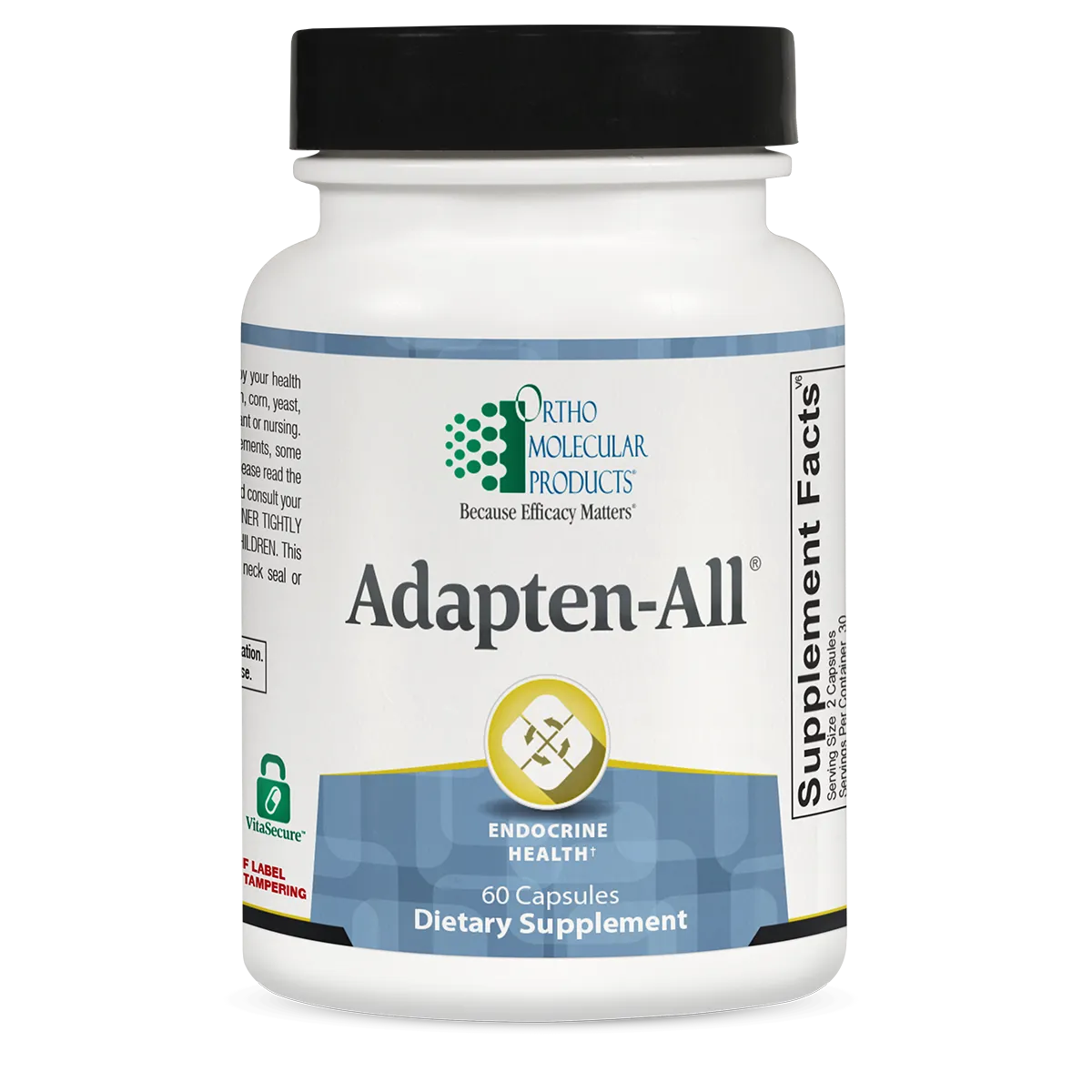
In the wake of these post-infectious illnesses, a new understanding of the hypothalamic-pituitary-adrenal (HPA) axis has emerged. This critical system, which governs our ability to produce energy and respond to stress, often becomes fundamentally dysregulated after severe viral encounters. Adapten-All® is a targeted supplement formulated to address this exact dysfunction, combining essential micronutrients and powerful adaptogenic botanicals to strengthen the body's stress response. By exploring the deep biochemical mechanisms of these ingredients, we can better understand how they may help restore balance and improve the quality of life for those battling invisible illnesses.
TL;DR
Adapten-All® combines adaptogenic botanicals and micronutrients to support the HPA axis and stress response.
Ingredients like Ashwagandha and Rhodiola may help manage profound fatigue and post-exertional malaise.
Licorice root prolongs cortisol's half-life, potentially benefiting patients with low cortisol and orthostatic intolerance.
Always consult your healthcare provider before starting new supplements, especially if you have high blood pressure.
What is Adapten-All®?
The Anatomy of the Stress Response
Stress is defined as any disturbance—whether it is extreme cold, psychological trauma, sleep deprivation, or a severe viral infection—that triggers the body's physiological alarm system. The body’s central command center for managing these disturbances is the hypothalamic-pituitary-adrenal (HPA) axis, a complex network that dictates our energy mobilization and immune regulation. When a stressor is detected, the hypothalamus releases corticotropin-releasing hormone (CRH), which signals the pituitary gland to secrete adrenocorticotropic hormone (ACTH). This hormone then travels to the adrenal glands, prompting them to produce cortisol, the body's primary stress hormone. This cascade is essential for survival, allowing the body to mount a "fight-or-flight" response to immediate danger by mobilizing glucose and increasing heart rate.
The Three Stages of Prolonged Stress
When stress becomes chronic, the HPA axis undergoes a predictable three-stage progression: alarm, resistance, and exhaustion. The initial alarm phase is characterized by elevated cortisol levels as the body attempts to neutralize the threat, which is a normal and healthy physiological reaction. If the stressor persists, the body enters the resistance phase, where hormones like cortisol and dehydroepiandrosterone (DHEA) are continuously pumped out to buffer the extended exposure, keeping the immune system suppressed to prevent hyper-inflammation. However, extended periods of stress place a massive metabolic burden on the system, eventually leading to the exhaustion phase. In this final stage, the adrenal glands can no longer keep up with the demand, resulting in an imbalance of cortisol production that manifests as severe mental and physical fatigue, nervous tension, and cognitive dysfunction.
The Role of Adaptogens and Micronutrients
Adapten-All® is specifically formulated for individuals who are stuck in this exhausting cycle of being "stressed and tired." The formula provides a unique blend of key micronutrients, including targeted amounts of Vitamin C, Pantothenic Acid (Vitamin B5), and other essential B vitamins that are biochemically critical to adrenal gland function. Alongside these vitamins, it features a robust profile of "stress-adapting botanicals"—such as Eleuthero Root, Rhodiola Root, Schisandra Berry, Ashwagandha, and Chinese Licorice Root. These adaptogens work synergistically at the cellular level to increase the body’s resistance to fatigue, maintain balanced cortisol and DHEA levels, and counteract the negative cellular effects of prolonged stress exposure. By supplying both the raw materials needed for hormone synthesis and the botanical compounds that modulate neurological signaling, this formula offers a comprehensive approach to HPA axis rehabilitation.
How Chronic Illness Impacts the Stress Response
Viral Infection and Central Adrenal Insufficiency
Research has definitively linked conditions like Long COVID and ME/CFS to an impaired HPA axis, specifically pointing to an inability of the brain to properly signal the adrenal glands. A landmark study led by Yale immunologist Akiko Iwasaki analyzed the hormonal phenotypes of Long COVID patients and found that abnormally low circulating blood cortisol levels were the single most highly predictive factor for having the condition. Notably, this low cortisol was not accompanied by a compensatory rise in ACTH, indicating that the dysfunction is rooted centrally in the brain (the hypothalamus or pituitary) rather than the adrenal glands themselves. This state of central adrenal insufficiency leaves patients without the necessary cortisol to regulate energy metabolism or suppress systemic inflammation. Learn more about What Causes Long COVID?.
Neuroinflammation and Cytokine Interference
The mechanisms behind this central HPA axis failure are deeply tied to the neuroimmune dysregulation seen in post-infectious chronic illnesses. Chronic neuroinflammation allows pro-inflammatory cytokines, such as Interleukin-6 (IL-6) and Tumor Necrosis Factor-alpha (TNF-α), to cross the blood-brain barrier and enter the central nervous system. Once inside the brain, these inflammatory molecules disrupt normal HPA signaling, effectively preventing the hypothalamus from secreting adequate amounts of CRH. A recent 2025 autopsy study on ME/CFS patients revealed profoundly depleted levels of CRH-producing neurons in the hypothalamus, alongside down-regulated pituitary receptors. This physical evidence suggests that the central HPA axis literally becomes "burned out" or structurally compromised by the relentless neuroinflammation triggered by the initial viral infection.
The "Stressed Crash" and Dysautonomia
For patients who develop dysautonomia, such as postural orthostatic tachycardia syndrome (POTS), the autonomic nervous system gets stuck in a perpetual sympathetic "fight-or-flight" state. During the acute phase of an infection, cortisol spikes to fight the virus, but the ongoing autonomic dysfunction creates a continuous demand for stress hormones just to maintain basic functions like standing up. Over months and years, this relentless requirement exhausts the HPA axis, resulting in profound cortisol depletion and receptor resistance. This "stressed crash" negative feedback loop means that any minor physical or cognitive exertion triggers an exaggerated immune response without the protective, anti-inflammatory buffer of cortisol. This dynamic is a primary driver of post-exertional malaise (PEM), a hallmark symptom that you can explore further in our guide on What Are the Symptoms of Long COVID?.
Adapten-All®: Supporting the HPA Axis and Energy Production
Vitamin C and Pantothenic Acid in Hormone Synthesis
The adrenal glands store the highest concentration of Vitamin C (Ascorbic Acid) of any organ in the human body, relying on it as a mandatory enzymatic cofactor for hormone synthesis. Vitamin C acts as a potent antioxidant to protect adrenal cells from the massive oxidative stress generated during hormone production, and is a crucial cofactor for catecholamine synthesis. Similarly, Pantothenic Acid (Vitamin B5) is fundamentally required to sustain the adrenal glands during chronic stress because it is the direct metabolic precursor to Coenzyme A (CoA). CoA is essential for converting cholesterol into pregnenolone, the "mother hormone" of all adrenal steroids, meaning that without sufficient B5, the adrenal glands physically cannot synthesize enough cortisol to meet the demands of the HPA axis.
Licorice Root and Cortisol Bioavailability
Unlike traditional adaptogens that primarily act on the central nervous system, Chinese Licorice Root Extract directly alters cortisol metabolism at the enzymatic level. The primary active compound in licorice is glycyrrhizin, which acts as a potent inhibitor of the enzyme 11β-hydroxysteroid dehydrogenase type 2 (11β-HSD2). Normally, 11β-HSD2 protects tissues by deactivating active cortisol and converting it into inactive cortisone, preventing overstimulation of mineralocorticoid receptors. By blocking this enzyme, licorice root slows down the breakdown of cortisol, significantly prolonging its half-life and increasing its circulating levels in the body. This mechanism is particularly beneficial for Long COVID and ME/CFS patients suffering from hypocortisolism, as it maximizes the bioavailability and tissue delivery of whatever limited cortisol the body is still able to produce.
Schisandra and Eleuthero's Neurological Dampening
To address the central hyper-reactivity of the HPA axis, Adapten-All® includes Schisandra Berry Extract and Eleuthero Root Extract, which operate through distinct neurological pathways. Schisandra is rich in active lignans that prevent the over-activation of the HPA axis by significantly decreasing the expression of immediate early genes like c-Fos and Fra-2 in the hypothalamus. By shutting down these neuronal stress biomarkers, Schisandra reduces the excessive secretion of CRH that drives chronic anxiety and insomnia. Meanwhile, Eleuthero acts as a cellular protectant by upregulating molecular chaperones, particularly Heat Shock Protein 70 (Hsp70). During intense stress, Eleuthero suppresses stress-induced nitric oxide production, preserving mitochondrial ATP (energy) and preventing the severe cellular exhaustion that leads to adrenal burnout.
Ashwagandha and Rhodiola for Cellular Energy
The inclusion of Ashwagandha Root Extract and Rhodiola Root Extract provides a dual-action approach to combating both mental and physical fatigue. Ashwagandha, standardized to contain withanolides, excels at reducing mental fatigue, neuroinflammation, and cognitive deficits by modulating the HPA axis to lower tension and improve sleep architecture. Conversely, Rhodiola rosea, standardized to contain rosavins, is highly ergogenic, meaning it enhances physical endurance and delays physical exhaustion. Rhodiola operates by increasing the oxygen-carrying capacity of red blood cells and enhancing metabolic efficiency within the mitochondria. Together, these botanicals ensure that both the central nervous system and the peripheral muscular system receive the support needed to generate healthy energy levels without triggering a crash.

Symptoms Adapten-All® May Help Manage
Core Fatigue and Post-Exertional Malaise
Profound Physical Fatigue: By supplying the adrenal glands with essential precursors like Pantothenic Acid and Vitamin C, Adapten-All® supports the biochemical pathways required for sustained energy production. This helps prevent the deep, unrelenting exhaustion that characterizes stage 3 adrenal exhaustion.
Post-Exertional Malaise (PEM): The adaptogenic properties of Eleuthero and Rhodiola help shield mitochondria from stress-induced energy depletion. By preserving cellular ATP and increasing time-to-exhaustion, these botanicals may help elevate a patient's energy envelope, reducing the severity of crashes following minor physical or cognitive exertion.
Muscle Weakness and Stamina Loss: Rhodiola rosea has been clinically shown to enhance cardiovascular endurance and oxygen utilization (VO2max). This improved metabolic efficiency can help combat the heavy, leaden feeling in the limbs often reported by patients with chronic fatigue.
Cognitive Dysfunction and Brain Fog
Brain Fog and Executive Dysfunction: Ashwagandha has demonstrated significant efficacy in improving episodic memory, attention, and executive function in clinical trials. By lowering central nervous system tension and neuroinflammation, it helps clear the cognitive cloudiness associated with Long COVID.
Memory Impairment: The neuroprotective effects of Schisandra, which reduces hypothalamic stress markers, help preserve hippocampal function. This protects the brain's memory centers from the toxic effects of chronic stress hormones and inflammatory cytokines.
Poor Concentration: Vitamin B12 (as Methylcobalamin) and Vitamin B6 (as Pyridoxal 5'-Phosphate) are critical for neurotransmitter synthesis. Providing these bioavailable B vitamins ensures the brain has the raw materials needed to maintain focus and mental clarity.
Orthostatic Intolerance and Sleep Disturbances
Dizziness and Low Blood Pressure: Patients with dysautonomia often struggle with orthostatic intolerance due to low cortisol, which is necessary for maintaining vascular tone. The glycyrrhizin in Licorice Root extends the half-life of cortisol, which can help stabilize blood pressure and reduce dizziness upon standing.
Unrefreshing Sleep and Insomnia: Schisandra has been shown to regulate neurotransmitters in the pituitary gland and increase the expression of melatonin receptors in the hypothalamus. This helps calm the hyperactive HPA axis at night, promoting deeper, more restorative sleep cycles.
Nervous Tension and Irritability: The synergistic blend of adaptogens helps modulate the sympathetic nervous system, pulling the body out of a perpetual "fight-or-flight" state. This reduction in autonomic hyperarousal alleviates the constant feeling of being "wired and tired."
To understand more about the fluctuating nature of these conditions, read our article on Do Long COVID Symptoms Come and Go?.
Practical Considerations: Forms, Dosing, and Absorption
Bioavailability of Key Botanicals
The efficacy of botanical medicine relies heavily on the standardization and bioavailability of its active compounds. Adapten-All® utilizes highly standardized extracts to ensure clinical potency, such as Rhodiola rosea standardized to 3% rosavins and Ashwagandha standardized to 1.5% withanolides. These specific percentages match the therapeutic thresholds used in clinical trials, ensuring that patients receive a clinically relevant dose. Furthermore, the supplement provides vitamins in their most bioavailable, active forms. For instance, Vitamin B12 is included as Methylcobalamin, and Vitamin B6 is provided as Pyridoxal 5'-Phosphate (P-5-P). These methylated and phosphorylated forms bypass the need for hepatic conversion, allowing them to cross the blood-brain barrier and enter cellular metabolism immediately, which is crucial for patients with impaired methylation pathways or chronic systemic inflammation.
Optimal Timing and Dosage Strategies
The suggested use for Adapten-All® is 2 capsules one to two times per day, or as recommended by your healthcare professional. Because this formula is designed to support the HPA axis and modulate cortisol, timing is an important consideration. The body's natural cortisol awakening response (CAR) peaks in the morning to help you wake up and mobilize energy for the day. Therefore, taking the first dose of Adapten-All® in the morning can help support this natural circadian rhythm. If a second dose is needed, it is generally best taken in the early afternoon. Taking adaptogens and adrenal-stimulating nutrients too late in the evening may interfere with the natural decline of cortisol needed for restful sleep, potentially exacerbating insomnia and disrupting your sleep architecture.
Potential Interactions and Contraindications
While adaptogens are generally well-tolerated, the specific mechanisms of Adapten-All® require careful consideration, particularly regarding its Licorice Root content. Because glycyrrhizin inhibits the breakdown of cortisol, it strongly amplifies cortisol's binding to mineralocorticoid receptors in the kidneys. In high doses or with chronic use, this can lead to "pseudoaldosteronism," characterized by fluid retention, hypokalemia (low potassium), and hypertension (high blood pressure). Therefore, patients with pre-existing high blood pressure, severe kidney disease, or those taking potassium-depleting diuretics should consult their healthcare provider before using this supplement. Additionally, because this formula modulates the immune and endocrine systems, patients on immunosuppressants or synthetic corticosteroids should seek medical guidance to avoid complex drug interactions that could further dysregulate the HPA axis.

Follow the Science
The Adrenal-Vitamin C Axis in Research
The foundational role of micronutrients in the stress response is well-documented in clinical literature. A pivotal study by Hooper et al. published in Critical Care highlighted the "adrenal-Vitamin C axis," demonstrating that species unable to synthesize their own Vitamin C (like humans) experience massive, uncontrolled cortisol spikes during stress if deficient. Furthermore, clinical literature discussed by Marik has shown that Vitamin C plays an essential role in the stress response and may help attenuate excessive cortisol release and subjective distress during acute psychological stress. This supports the inclusion of targeted Vitamin C and Pantothenic Acid in Adapten-All® to prevent the rapid depletion of these water-soluble vitamins during the chronic stress of post-infectious illness. The research clearly indicates that without these vital cofactors, the adrenal glands cannot maintain the stamina required to navigate chronic neuroimmune challenges.
Clinical Trials on Ashwagandha and Rhodiola
Recent clinical trials from 2023 to 2025 have solidified the efficacy of adaptogens in combating fatigue. A 2024 randomized, double-blind trial published in Nutrients evaluated the effects of Ashwagandha on healthy adults, finding statistically significant improvements in episodic memory, working memory, and a profound reduction in mental fatigue over 30 days. Complementing this, a 2025 crossover trial on Rhodiola rosea demonstrated its dose-dependent ability to stave off muscular fatigue, enhance physical endurance, and improve oxygen utilization (VO2max). These studies validate the dual-action approach of combining Ashwagandha for central nervous system calming with Rhodiola for peripheral physical stamina, providing a well-rounded defense against the multifaceted fatigue experienced by chronic illness patients.
Evidence for Licorice and HPA Axis Dysfunction
The specific application of these ingredients to post-viral syndromes is grounded in our evolving understanding of HPA axis dysfunction. The landmark Yale/Mount Sinai study led by Akiko Iwasaki established that low circulating cortisol is a primary driver of Long COVID pathology. In this context, the mechanism of Licorice Root becomes highly relevant. Clinical evidence reviewed by Restorative Medicine demonstrates that glycyrrhizin effectively increases serum cortisol levels and improves tissue delivery in patients with adrenal insufficiency. By integrating this research, we can see how targeted supplementation may address the specific neuroendocrine deficits identified in modern chronic illness research. For more on diagnostic approaches, read How Does a Doctor Diagnose Long COVID?.
The Path Forward
Validating the Chronic Illness Experience
Living with a complex, invisible illness like Long COVID, ME/CFS, or dysautonomia is an incredibly challenging and often isolating experience. The profound fatigue, unpredictable crashes, and cognitive fog are not simply in your head; they are the result of measurable, physiological dysfunctions within your body's most critical command centers, like the HPA axis. Validating this reality is the first step toward reclaiming your quality of life. Understanding that your internal battery is struggling to hold a charge due to neuroinflammation and hormonal imbalance allows you to approach your symptoms with compassion rather than frustration. You are navigating a complex biological storm, and your experiences are entirely real and justified.
A Comprehensive Management Strategy
While the science behind adaptogens and micronutrients is promising, it is crucial to remember that supplements are just one piece of a comprehensive management puzzle. There is no single miracle cure for post-infectious chronic illness. Supporting your HPA axis with a formula like Adapten-All® must be paired with foundational lifestyle strategies, particularly radical resting and aggressive pacing. By tracking your symptoms and learning your unique energy envelope, you can prevent the severe "stressed crashes" that further deplete your adrenal reserves. When combined with a supportive medical team, targeted nutrition, and nervous system regulation techniques, you can begin to slowly rebuild your body's resilience. For more insights, explore How Can You Live with Long-Term COVID.
Taking the Next Steps
If you are struggling with the debilitating cycle of being "stressed and tired," addressing your foundational stress response may be a vital step in your management plan. Always consult with your healthcare provider before introducing new supplements, especially to ensure they align with your specific medical history and current medications. By taking a scientifically grounded, patient-centric approach, you can empower yourself with the tools needed to support your body's healing journey.
Sources
Myalgic Encephalomyelitis/Chronic Fatigue Syndrome (Me/Cfs): The Biology of a Neglected Disease
Acute and Repeated Ashwagandha Supplementation Improves Markers of Cognitive Function and Mood
Dose-Response Effects of Short-Term Rhodiola rosea in Resistance-Trained Athletes
The adrenal-vitamin C axis: from fish to guinea pigs and primates
Vitamin B5 (Pantothenic Acid): Essential for Hormone Production