Can Acnutrol™ Support Skin Health and Cellular Repair in Long COVID?
March 5, 2026
AcnutrolLong COVIDMCAS
Share:
Disclaimer: The information provided here is for educational purposes only and is not intended as medical advice. It should not be used to diagnose, treat, cure, or prevent any medical condition. Instead, use it as a starting point for discussion with your healthcare provider. Always consult with a qualified healthcare provider before starting any new medication, supplement, device, or making changes to your health regimen.
Months after recovering from the initial SARS-CoV-2 infection, many people still fight debilitating symptoms with what we call Long COVID. While respiratory issues and profound fatigue often dominate the conversation, a significant yet frequently overlooked manifestation of complex chronic illness occurs right on the surface: the skin. Patients dealing with Long COVID, myalgic encephalomyelitis/chronic fatigue syndrome (ME/CFS), and mast cell activation syndrome (MCAS) frequently report sudden, inexplicable skin changes. From migrating hives and severe acne breakouts to flushing, rashes, and a compromised skin barrier, these dermatological symptoms are not merely cosmetic annoyances. They are visible indicators of deep, systemic inflammation, mitochondrial dysfunction, and metabolic dysregulation occurring at the cellular level.
When the body is trapped in a chronic state of immune hyperactivation, it rapidly depletes essential nutrients required for cellular repair and lipid metabolism. This is where targeted nutritional support becomes a vital component of a comprehensive management strategy. Acnutrol™, a professional-grade formulation by Designs for Health, offers a unique, high-dose combination of pantothenic acid (Vitamin B5), L-carnitine, and synergistic micronutrients designed to address these exact cellular deficits. By understanding the intricate biochemistry of how these ingredients interact with our mitochondrial pathways and skin cells, we can better appreciate how Acnutrol™ may support skin health and systemic cellular repair in those navigating the complexities of chronic illness.
TL;DR
Long COVID and MCAS can cause severe skin issues due to inflammation and compromised cellular barriers.
Acnutrol™ combines high-dose Vitamin B5 and L-carnitine to support lipid metabolism and cellular repair.
Targeted nutrients may help manage chronic acne, flushing, and poor wound healing in complex illnesses.
Always consult a healthcare provider before starting high-dose supplements, especially with chronic conditions.
What is Acnutrol™?
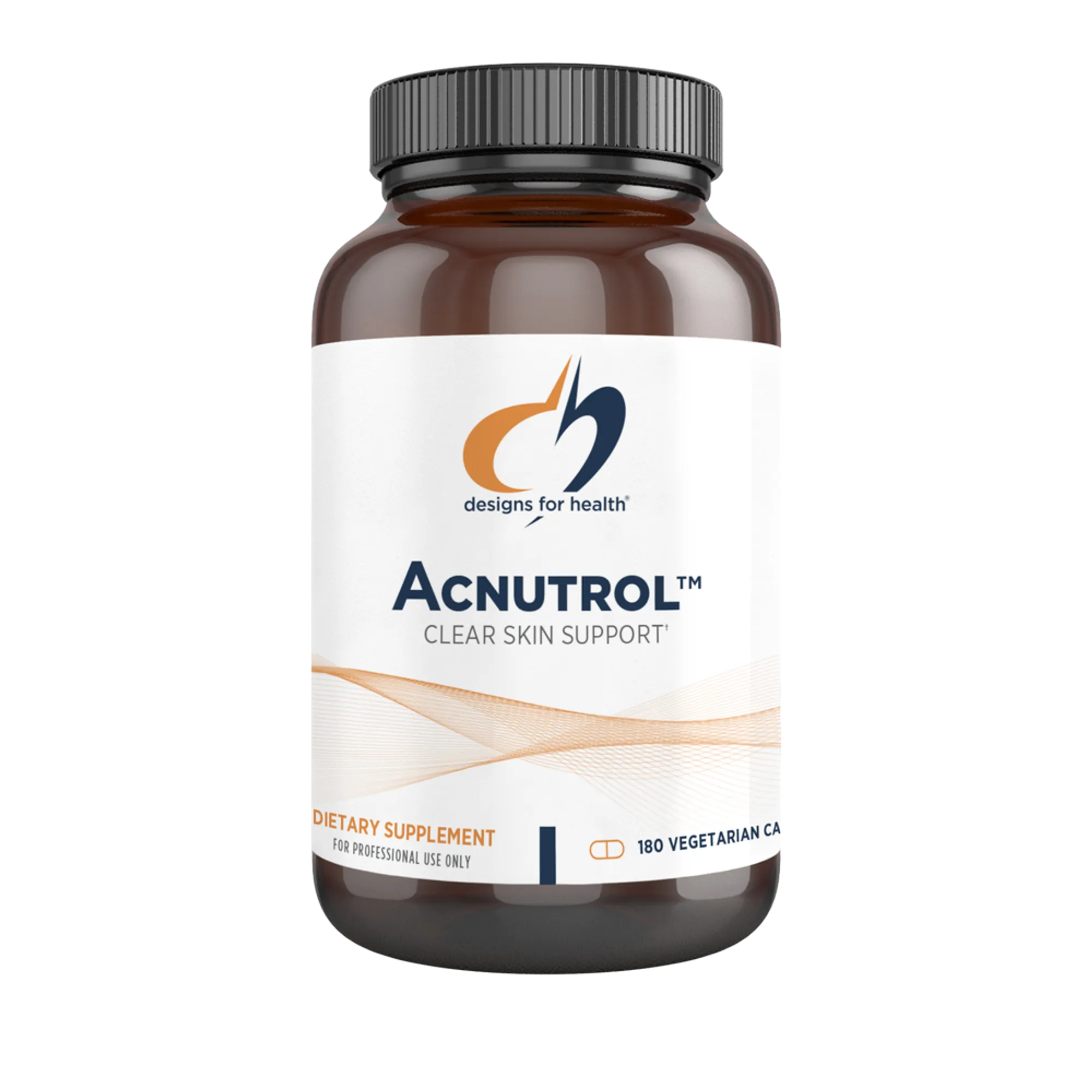
Acnutrol™ is a specialized, professional-grade dietary supplement formulated to provide comprehensive support for healthy skin and cellular function. Unlike topical treatments that only address the surface of the skin, this formulation is designed to target the internal, biochemical root causes of skin dysfunction. At its core, Acnutrol relies on a highly concentrated dose of pantothenic acid (Vitamin B5) combined with L-carnitine. In a healthy body, pantothenic acid is an essential water-soluble vitamin that is absorbed through the diet and transported to tissues throughout the body, where it serves as the foundational building block for one of the most important molecules in human biology: Coenzyme A (CoA).
Coenzyme A is a mandatory cofactor for over 100 metabolic reactions, but its most critical roles revolve around energy production and lipid (fat) metabolism. Within the mitochondria—the powerhouses of our cells—CoA is required to initiate the Krebs cycle (also known as the citric acid cycle), which is the primary pathway the body uses to generate adenosine triphosphate (ATP), our cellular energy currency. Without adequate pantothenic acid, the production of CoA stalls, leading to a direct bottleneck in mitochondrial ATP generation. This metabolic slowdown affects highly active tissues the most, including the brain, the immune system, and the rapidly dividing cells of the skin.
Beyond general energy production, Coenzyme A is the master regulator of lipid metabolism. When we consume fats, or when the body needs to break down stored lipids, CoA is required to transport and oxidize these fatty acids. In the context of skin health, this process is paramount. The skin's sebaceous glands constantly produce sebum, an oily substance that lubricates and protects the epidermal barrier. However, when the body lacks sufficient CoA, it cannot efficiently metabolize lipids. According to the lipid metabolism hypothesis of acne, this metabolic failure causes undigested fatty acids to accumulate. The body then attempts to excrete these excess lipids through the sebaceous glands, resulting in an overproduction of sebum that clogs pores, alters the skin's pH, and creates a breeding ground for inflammatory bacteria.
This is where L-carnitine enters the equation. L-carnitine is an amino acid derivative that acts as a specialized cellular shuttle. While CoA prepares fatty acids for breakdown, those fatty acids cannot physically cross the highly impermeable inner membrane of the mitochondria on their own. L-carnitine binds to these long-chain fatty acids, forming an acylcarnitine complex that is actively transported into the mitochondrial matrix via an enzyme called carnitine palmitoyltransferase I (CPT1). Once inside, the fatty acids are handed back to CoA for beta-oxidation. By combining high-dose pantothenic acid with L-carnitine, Acnutrol provides both the "engine" (CoA) and the "fuel transport" (carnitine) necessary to optimize lipid metabolism and prevent the accumulation of pore-clogging fats.
While the B5 and carnitine synergy forms the foundation of Acnutrol, the formula is fortified with a spectrum of essential micronutrients that support the structural integrity and immune defense of the skin. Zinc, provided as a highly bioavailable bisglycinate chelate, is heavily concentrated in the epidermis. It acts as a potent anti-inflammatory agent, modulating the behavior of white blood cells to reduce the severity of inflammatory skin lesions. Zinc also functions as a mild inhibitor of 5-alpha reductase, an enzyme that converts testosterone into dihydrotestosterone (DHT), thereby helping to blunt the hormonal fluctuations that often trigger excessive sebum production.
Additionally, Acnutrol contains niacinamide (Vitamin B3), Vitamin A, and Vitamin E isomers. Niacinamide is a precursor to NAD+, a critical molecule for cellular repair and the regulation of inflammatory cytokines. Vitamin A, in the form of retinyl palmitate, regulates the proliferation and differentiation of keratinocytes—the primary cells that make up the outermost layer of the skin. By ensuring these cells mature and shed normally, Vitamin A prevents the hyperkeratinization (clumping of dead skin cells) that leads to blocked follicles. Together, these ingredients create a comprehensive, multi-targeted approach to restoring skin health from the inside out.
How Long COVID and MCAS Impact Skin Health
To understand why a skin-supportive supplement like Acnutrol is relevant to complex chronic illnesses, we must examine how conditions like Long COVID and ME/CFS fundamentally alter the body's physical barriers. The skin is the body's largest organ and its primary shield against environmental pathogens. However, research has shown that SARS-CoV-2 is an endothelial disease that aggressively targets the lining of the blood vessels. This endothelial dysfunction impairs microcirculation, meaning the tiny capillaries that deliver oxygen and vital nutrients to the skin become damaged or blocked by microthrombosis (microscopic blood clots). When the skin is deprived of this essential blood flow, its structural integrity begins to break down, leading to a compromised epidermal barrier and symptoms like livedo reticularis (a mottled, purplish discoloration of the skin).
Furthermore, the virus directly interacts with ACE2 receptors, which are highly expressed in the basal layer of the epidermis and in the epithelial cells of eccrine sweat glands. Direct viral invasion into these tissues can cause localized cytopathic effects, leading to the death of keratinocytes and a profound disruption of the skin's natural barrier function. When this barrier is compromised, it triggers a runaway inflammatory response. A 2024 study in the British Journal of Dermatology demonstrated that skin barrier dysfunction activates the NLRC4 inflammasome, creating a vicious cycle of inflammation that makes the skin highly reactive, sensitive, and prone to chronic rashes or severe acne breakouts.
Another critical factor in post-viral skin manifestations is the activation of the innate immune system, specifically mast cells. Mast cells are white blood cells that reside heavily at tissue-environment interfaces, including just beneath the surface of the skin. They are packed with over 1,000 inflammatory mediators, such as histamine, tryptase, and prostaglandins. In a healthy state, these cells protect us from infections and aid in wound healing. However, the severe cytokine storm experienced during acute COVID-19 can essentially "flip a switch" in these cells, leading to Mast Cell Activation Syndrome (MCAS). In MCAS, mast cells become chronically unstable and hyper-reactive, degranulating in response to benign triggers like temperature changes, stress, or certain foods.
Because mast cells are so densely populated in the dermis, MCAS frequently presents with profound dermatological symptoms. Patients often experience sudden flushing (intense redness and heat on the face and chest), migrating urticaria (hives), severe pruritus (deep, unexplained itching), and dermatographism (a condition where lightly scratching the skin causes raised, red lines). The constant release of histamine causes vasodilation and increased vascular permeability, allowing fluids to leak into the surrounding tissues, which further disrupts the skin barrier and exacerbates the systemic inflammation seen in Long COVID. If you are wondering What Causes Long COVID?, this sustained immune dysregulation and mast cell mutiny are considered primary drivers.
Chronic illness also places a massive metabolic burden on the body. The persistent state of immune activation in ME/CFS and Long COVID rapidly depletes the body's stores of essential nutrients, particularly those required for mitochondrial function. As the body desperately tries to fight off perceived threats, it burns through its reserves of pantothenic acid, carnitine, and NAD+ precursors. This depletion leads to a state of cellular energy failure. Without adequate ATP, the skin cannot perform its normal cellular turnover, repair damaged DNA, or synthesize the ceramides and lipids necessary to maintain a healthy moisture barrier. This energy deficit is a core component of the profound fatigue and post-exertional malaise (PEM) that patients experience, but it also visibly manifests as dull, reactive, and slow-healing skin.
Finally, we must consider the gut-skin axis. Post-viral gut dysbiosis (an imbalance in the intestinal microbiome) frequently leads to increased intestinal permeability, or "leaky gut." When microbial metabolites and toxins escape the digestive tract and enter the bloodstream, they trigger a systemic immune response. These circulating pro-inflammatory cytokines eventually reach the skin, further disrupting its barrier function and exacerbating conditions like acne, eczema, and rosacea. Managing these complex, overlapping symptoms requires a multifaceted approach, which is why understanding What Are the Symptoms of Long COVID? is crucial for identifying the root causes of these dermatological issues.
Acnutrol™: Supporting Skin Barrier and Cellular Repair
Acnutrol™ is specifically formulated to intervene in these cycles of metabolic dysfunction and barrier breakdown. The primary mechanism of action centers on the powerful synergy between high-dose pantothenic acid and L-carnitine. In the context of chronic illness, where mitochondrial function is often severely compromised, restoring the body's ability to produce Coenzyme A is paramount. By providing a therapeutic dose of 2,500 mg of pantothenic acid, Acnutrol floods the system with the raw materials needed to synthesize CoA. This massive upregulation of CoA directly stimulates the Krebs cycle, helping to restore ATP production in exhausted cells. For patients dealing with the cellular energy deficits of ME/CFS and Long COVID, supporting mitochondrial bioenergetics is a foundational step toward systemic recovery.
The addition of L-carnitine acts as a force multiplier for pantothenic acid. A 2022 study published in the journal Genes demonstrated that the combination of pantothenate and L-carnitine acts as a powerful epigenetic modulator. In cellular models of KAT6A syndrome, this specific combination successfully rescued cell bioenergetics, increased cellular NAD+/NADH ratios, and physically repaired the cells' histone acetylation levels. It restored the expression of essential down-regulated proteins and antioxidant enzymes. By facilitating the transport of fatty acids into the mitochondria, L-carnitine ensures that the newly synthesized CoA has the necessary fuel to generate energy, thereby providing the skin's fibroblasts and keratinocytes with the ATP required to repair damaged tissues and rebuild the epidermal barrier.
For patients experiencing severe acne breakouts or oily skin as a result of chronic illness, Acnutrol offers a unique, non-pharmaceutical intervention. Traditional acne treatments often rely on harsh topical chemicals that strip the skin's barrier or oral medications like isotretinoin (Accutane) that physically shrink the sebaceous glands and carry a high risk of severe side effects. Acnutrol, on the other hand, addresses the root metabolic cause of sebum overproduction. By providing abundant CoA and L-carnitine, the body is no longer forced to choose between synthesizing essential hormones and breaking down fats. Lipid metabolism is restored to a healthy state.
As the body efficiently oxidizes fatty acids for energy, the accumulation of undigested lipids halts. Consequently, the sebaceous glands naturally reduce their output of sebum. This reduction in oil production deprives acne-causing bacteria (such as Cutibacterium acnes) of their primary food source, leading to a natural decrease in bacterial colonization and inflammation. Furthermore, normal lipid metabolism is required for the skin to produce ceramides—the healthy fats that glue skin cells together and form a waterproof barrier. By optimizing this pathway, Acnutrol helps the skin transition from a state of oily, inflamed reactivity to a balanced, resilient, and well-hydrated state.
The secondary ingredients in Acnutrol play a crucial role in managing the hyper-inflammatory state associated with MCAS and Long COVID. Zinc bisglycinate is highly effective at modulating the immune response in the skin. It inhibits the chemotaxis (movement) of granulocytes, which are the white blood cells responsible for creating the painful, red swelling associated with inflammatory acne and hives. Zinc also has a stabilizing effect on mast cells, helping to reduce the inappropriate release of histamine that drives the flushing and itching seen in MCAS.
Niacinamide (Vitamin B3) further supports this anti-inflammatory effort. It is a precursor to NAD+, which is essential for the function of PARP enzymes—the proteins responsible for repairing damaged DNA. Niacinamide has been shown to significantly reduce the production of pro-inflammatory cytokines like IL-6 and TNF-alpha, which are frequently elevated in Long COVID patients. By dampering this cytokine signaling, niacinamide helps calm the systemic inflammation that disrupts the skin barrier.
Finally, the inclusion of Vitamin E isomers (specifically DeltaGold® tocotrienols) and selenium provides potent antioxidant defense. The oxidative stress generated by chronic viral infections causes lipid peroxidation, a process where free radicals attack and damage the lipid membranes of our cells. Tocotrienols are uniquely structured to integrate into these cell membranes and neutralize free radicals, protecting the skin's structural integrity. Selenium, meanwhile, is a required cofactor for the function of glutathione peroxidase, a key antioxidant enzyme. Together, these nutrients help quench the oxidative fire, allowing the skin to heal and regenerate.
Symptoms Acnutrol™ May Help Manage
While Acnutrol is primarily marketed for acne, its comprehensive blend of mitochondrial and skin-supportive nutrients makes it highly relevant for a variety of symptoms associated with chronic illness, immune dysregulation, and metabolic dysfunction.
Chronic Acne and Breakouts: By upregulating Coenzyme A and optimizing lipid metabolism, high-dose pantothenic acid reduces the overproduction of sebum, preventing the clogging of pores and depriving acne-causing bacteria of their fuel source.
Oily or Greasy Skin: The synergy between B5 and L-carnitine ensures that dietary and stored fats are efficiently burned for energy in the mitochondria, rather than being excreted through the sebaceous glands as excess oil.
Skin Flushing and Redness: Zinc and niacinamide help modulate the immune response and stabilize hyper-reactive cells, which may reduce the intensity of the inflammatory cytokine signaling that causes sudden facial flushing and redness often seen in MCAS.
Poor Wound Healing and Fragile Skin: Pantothenic acid is essential for the proliferation of keratinocytes and fibroblasts. By supporting cellular energy production, Acnutrol provides the ATP necessary for the skin to repair micro-tears, heal blemishes, and rebuild a compromised epidermal barrier.
Cellular Fatigue and Low Energy: Because pantothenic acid and L-carnitine are fundamental to the Krebs cycle and mitochondrial beta-oxidation, supplementing these nutrients can help address the cellular energy deficits that contribute to the profound systemic fatigue experienced in ME/CFS and Long COVID.
Hormonally Driven Skin Changes: Zinc acts as a mild inhibitor of the 5-alpha reductase enzyme, helping to blunt the effects of androgen fluctuations that frequently trigger deep, cystic acne along the jawline and chin.
Practical Considerations: Forms, Dosing, and Absorption
When dealing with complex chronic conditions like Long COVID or ME/CFS, the digestive system is often compromised by dysbiosis, inflammation, or impaired motility. Therefore, the bioavailability of a supplement—how well the body can actually absorb and utilize the nutrients—is just as important as the dosage. Designs for Health has formulated Acnutrol™ using highly bioavailable forms of its key ingredients to ensure maximum cellular delivery. The pantothenic acid is provided as d-Calcium Pantothenate, a stable, water-soluble salt that is readily absorbed in the intestinal tract. The L-carnitine is supplied as L-Carnitine Tartrate, a form widely studied for its rapid absorption rate and its specific efficacy in supporting mitochondrial fatty acid oxidation and cellular repair.
The minerals in Acnutrol are also optimized for absorption. Rather than using cheap, poorly absorbed mineral salts (like zinc oxide or copper sulfate) which often cause gastrointestinal distress, Acnutrol utilizes true amino acid chelates. The zinc, copper, and chromium are bound to the amino acid glycine (e.g., Zinc Bisglycinate Chelate, TRAACS® Copper Bisglycinate). This chelation process allows the minerals to bypass the competitive absorption pathways in the gut and be absorbed directly through the intestinal wall via dipeptide transport channels. This not only dramatically increases their bioavailability but also minimizes the nausea or stomach upset commonly associated with mineral supplements.
Achieving the metabolic shift required to optimize lipid metabolism and reduce sebum production requires a therapeutic, high-dose approach. The suggested use for Acnutrol is 6 capsules per day, which provides the full, clinically relevant dose of 2,500 mg of pantothenic acid. Because this is a substantial amount of water-soluble B-vitamins and amino acids, it is highly recommended to divide the dose throughout the day rather than taking all 6 capsules at once. Taking 2 capsules with each of your three main meals is an optimal strategy. This divided dosing maintains a steady, elevated level of pantothenic acid in the bloodstream, ensuring a continuous supply of Coenzyme A for the mitochondria.
Taking the capsules with food is also critical for the absorption of the fat-soluble vitamins in the formula. Vitamin A (as Retinyl Palmitate), Vitamin D (as Cholecalciferol), and the Vitamin E Isomers (DeltaGold® tocotrienols) require the presence of dietary fats to stimulate the release of bile acids, which emulsify the vitamins and allow them to be absorbed through the intestinal wall. Taking Acnutrol on an empty stomach will significantly reduce the efficacy of these crucial, skin-protecting antioxidant vitamins.
While pantothenic acid is a water-soluble vitamin and generally considered very safe even at high doses (as the body excretes excess amounts through urine), the comprehensive nature of Acnutrol requires some practical considerations. The formula contains 15,000 mcg RAE (Retinol Activity Equivalents) of Vitamin A. Because Vitamin A is fat-soluble and can accumulate in the liver, it is important to monitor your total daily intake of Vitamin A from all sources (including other multivitamins or cod liver oil) to avoid toxicity. Pregnant women, or women who may become pregnant, should be particularly cautious with high-dose Vitamin A and must consult their healthcare provider before use.
Additionally, high doses of pantothenic acid can occasionally cause mild gastrointestinal side effects, such as loose stools or an upset stomach, particularly when first starting the supplement. If this occurs, it is advisable to reduce the dosage to 2 or 3 capsules per day and gradually titrate up to the full dose of 6 capsules as your body adjusts. Because Acnutrol influences cellular energy and lipid metabolism, it should be integrated into your routine under the guidance of a functional medicine practitioner, especially if you are taking prescription medications for metabolic disorders or if you are exploring What Drugs Are Used for COVID Long Haulers?.
Follow the Science
The use of high-dose pantothenic acid for skin health is grounded in decades of biochemical theory and clinical observation. The foundational concept, known as the "Leung Hypothesis," was first proposed by Dr. Lit-Hung Leung in 1995. He theorized that acne is primarily caused by a localized defect in lipid metabolism secondary to a shortage of pantothenic acid, rather than being purely hormonally driven. To test this, Leung administered massive doses of B5 (10 to 20 grams per day) to 100 subjects. The results were striking: patients saw a notable reduction in sebum production, a significant improvement in acne lesions, and a reduction in pore size within one to four weeks. While this initial study lacked a placebo control, it laid the groundwork for future research.
To establish more rigorous scientific evidence, a randomized, double-blind, placebo-controlled study was published in the journal Dermatology and Therapy in 2014. Researchers enrolled 48 subjects with mild to moderate facial acne and administered 2.2 grams (2200 mg) of a pantothenic acid-based dietary supplement daily for 12 weeks. The results confirmed Leung's early observations: the B5 group experienced a significant mean reduction in total facial acne lesions compared to the placebo group. Furthermore, the B5 group saw significant reductions in inflammatory blemishes and markedly lower Dermatology Life Quality Index (DLQI) scores, indicating a substantial improvement in their quality of life and psychological well-being. This 2.2-gram dosage closely mirrors the 2.5-gram dose provided in a daily serving of Acnutrol.
The synergistic relationship between pantothenic acid and L-carnitine has also been the subject of intense recent study, particularly regarding cellular repair and mitochondrial bioenergetics. A landmark 2022 peer-reviewed study published in the journal Genes investigated the effects of combining pantothenate and L-carnitine on patient-derived mutant fibroblasts (connective tissue cells) modeling KAT6A syndrome. The researchers found that supplementing the cells with this specific combination acted as a powerful epigenetic modulator. It significantly rescued cell bioenergetics, increased cellular NAD+/NADH ratios (which are crucial for DNA repair), and physically repaired the cells' histone acetylation levels.
This research is highly relevant for patients with ME/CFS and Long COVID, as mitochondrial dysfunction and impaired cellular energy production are hallmark features of these conditions. By demonstrating that the B5 and carnitine synergy can restore the expression of essential down-regulated proteins (such as SIRT1 and antioxidant enzymes like GPX4), the study provides a clear mechanistic rationale for how these nutrients support systemic cellular repair and protect tissues from oxidative decay.
Finally, emerging research continues to validate the interconnected nature of the immune system, the gut, and the skin in post-viral syndromes. A 2024 comprehensive review in MDPI detailed how post-COVID gut dysbiosis and endothelial damage lead to persistent skin disorders via the gut-skin axis. The review highlighted that systemic inflammation and compromised microcirculation directly degrade the epidermal barrier. Furthermore, studies on Mast Cell Activation Syndrome in Long COVID have confirmed that mast cell activation symptoms are highly prevalent in Long COVID patients.
This growing body of evidence underscores the necessity of addressing skin issues not as isolated dermatological problems, but as manifestations of systemic immune and metabolic dysregulation. By utilizing nutrients like zinc, niacinamide, and high-dose B5 to stabilize mast cells, modulate inflammation, and repair the cellular barrier, formulations like Acnutrol align closely with the latest scientific understanding of how to manage the complex, multi-systemic impacts of chronic illness.
The Path Forward
Navigating the unpredictable and often visible symptoms of Long COVID, ME/CFS, and MCAS can be incredibly frustrating. When your skin—the very barrier between you and the outside world—feels reactive, inflamed, or constantly breaking out, it serves as a daily, physical reminder of the internal battles your body is fighting. It is deeply validating to understand that these dermatological changes are not your fault, nor are they merely superficial. They are the direct result of complex biochemical disruptions, mitochondrial energy deficits, and immune hyperactivation. By recognizing the profound interconnectedness of your cellular health and your skin, you can begin to address these symptoms at their root.
While there is no single miracle cure for complex chronic conditions, targeted nutritional support can play a vital role in your overall management strategy. Acnutrol™ offers a scientifically grounded approach to restoring lipid metabolism, supporting mitochondrial ATP production, and providing the essential cofactors needed for cellular repair. However, supplements are most effective when integrated into a holistic care plan. Pacing to avoid post-exertional malaise, identifying and avoiding mast cell triggers, prioritizing nervous system regulation, and working closely with a knowledgeable healthcare provider are all essential components of the healing journey. If you are struggling to manage the daily realities of your condition, exploring How Can You Live with Long-Term COVID can provide additional practical strategies.
As you explore new therapeutic avenues, remember to listen to your body and introduce changes gradually. Healing the skin barrier and restoring mitochondrial function takes time, patience, and consistency. By providing your cells with the precise nutrients they need to generate energy and repair damage, you are actively supporting your body's innate capacity to heal and find balance once again.
Disclaimer: This content is for educational purposes only and is not intended as medical advice. Always consult your healthcare provider before starting any new supplement, especially if you have a complex chronic condition, are pregnant, or are taking prescription medications.