Can 5-HTP Synergy™ Support Serotonin Levels and Brain Fog in Long COVID and ME/CFS?
March 5, 2026
5-HTPLong COVIDME/CFS
Share:
Disclaimer: The information provided here is for educational purposes only and is not intended as medical advice. It should not be used to diagnose, treat, cure, or prevent any medical condition. Instead, use it as a starting point for discussion with your healthcare provider. Always consult with a qualified healthcare provider before starting any new medication, supplement, device, or making changes to your health regimen.
Months, or even years, after recovering from an initial viral infection, many people living with complex chronic conditions like Long COVID and myalgic encephalomyelitis/chronic fatigue syndrome (ME/CFS)—often wondering, Can Long COVID Trigger ME/CFS? Unraveling the Connection—continue to fight debilitating symptoms. From profound exhaustion and widespread pain to the cognitive impairment universally described as "brain fog," these symptoms can make daily life feel like an unpredictable uphill battle. But what is driving this lingering dysfunction? Emerging research points to a critical disruption in how the body produces and utilizes neurotransmitters, particularly serotonin.
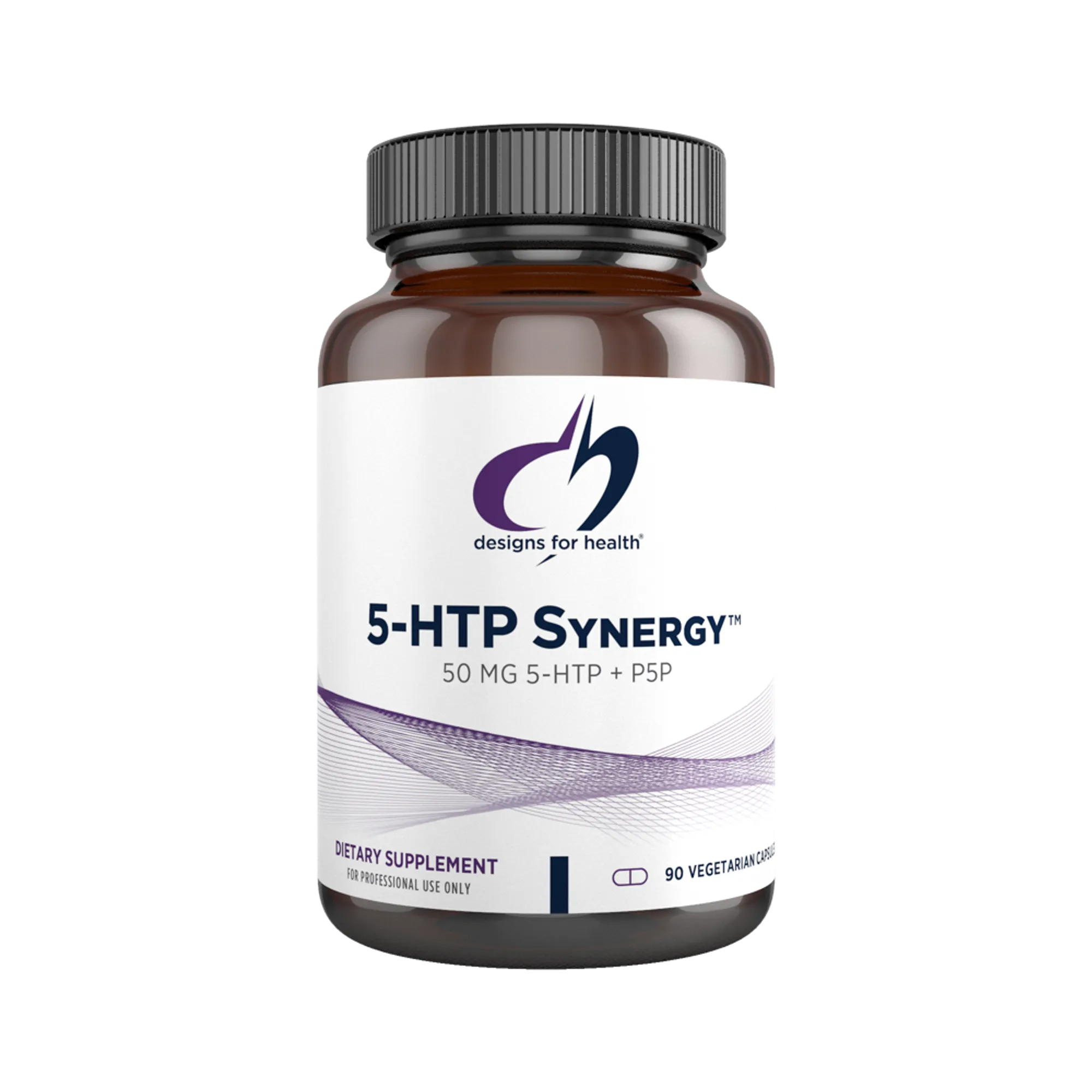
When the body's natural pathways for creating serotonin are blocked by chronic inflammation or post-viral gut dysfunction, the downstream effects can impact everything from mood and sleep to memory and pain signaling. This is where targeted nutritional support comes into play. 5-HTP Synergy™ by Designs for Health offers a precise, science-backed approach to bypassing these metabolic roadblocks. By combining 5-hydroxytryptophan (5-HTP) with its essential cofactor, Vitamin B6 (as Pyridoxal-5-Phosphate), this synergistic formula is designed to support healthy serotonin metabolism, promote restorative sleep, and help manage the complex neurological symptoms associated with chronic illness.
TL;DR
5-HTP Synergy™ combines 5-HTP and Vitamin B6 to support healthy serotonin levels and manage chronic illness symptoms.
Post-viral gut inflammation can block serotonin production, contributing to brain fog, fatigue, and sleep issues.
Supplementing with 5-HTP bypasses gut absorption issues, directly supporting brain function and restorative sleep.
Always consult a healthcare provider before starting 5-HTP, especially if taking serotonergic medications.
What is 5-HTP Synergy™?
To understand the value of 5-HTP (5-Hydroxytryptophan), we first need to look at the neurotransmitter it creates: serotonin (5-hydroxytryptamine, or 5-HT). Often referred to as the body's "feel-good" chemical, serotonin is a vital messenger that transmits signals between nerve cells. While it is famous for regulating mood and emotional well-being, its physiological responsibilities extend far beyond mental health. Serotonin plays a critical role in regulating the sleep-wake cycle, controlling appetite, managing pain perception, and facilitating communication between the gut and the brain via the vagus nerve.
Interestingly, while serotonin is crucial for brain function, approximately 90% to 95% of the body's serotonin is actually produced in the gastrointestinal tract by specialized enterochromaffin cells. This peripheral serotonin is stored in blood platelets and is essential for regulating digestion, blood clotting, and systemic inflammation. However, because serotonin itself cannot cross the blood-brain barrier, the brain must manufacture its own supply independently. This is where the biochemical precursor, 5-HTP, becomes absolutely essential.
In a healthy body, the synthesis of serotonin is a tightly controlled, two-step biochemical process. It begins with L-tryptophan, an essential amino acid obtained through our diet from foods like turkey, dairy, and seeds. In the first step, an enzyme called tryptophan hydroxylase converts L-tryptophan into 5-HTP. This is known as the "rate-limiting step," meaning it acts as a biochemical bottleneck. The body strictly controls how much 5-HTP is produced based on the activity of this enzyme, which can be easily slowed down by stress, insulin resistance, or nutrient deficiencies.
Once 5-HTP is created, the second step occurs rapidly. An enzyme known as aromatic L-amino acid decarboxylase (AADC) converts the 5-HTP directly into serotonin. Unlike the first step, this conversion does not have a feedback inhibition mechanism. As long as the AADC enzyme and its required cofactors are present, 5-HTP will continuously be converted into serotonin. By supplementing with 5-HTP directly, we can completely bypass the rate-limiting bottleneck of the first step, providing the brain with a direct, highly efficient building block for serotonin production.
The conversion of 5-HTP to serotonin cannot happen in a vacuum; it requires a specific biological spark plug. The AADC enzyme is strictly dependent on Vitamin B6, specifically in its biologically active form, Pyridoxal-5-Phosphate (P5P). Without adequate P5P, the AADC enzyme cannot function, creating a secondary bottleneck that halts serotonin production regardless of how much 5-HTP is available.
At a molecular level, P5P acts as an "electron sink" during the conversion process. When 5-HTP binds to the AADC enzyme, P5P helps stabilize the molecule, allowing a carboxyl group to be cleaved off as carbon dioxide. This elegant biochemical reaction transforms the structure of 5-HTP into the final serotonin molecule. By including 10 mg of active P5P, 5-HTP Synergy™ ensures that the brain has the exact cofactor required to immediately and efficiently metabolize 5-HTP into serotonin.
How Long COVID and ME/CFS Impact Serotonin Pathways
For individuals living with Long COVID, ME/CFS, and related post-viral syndromes, the body's natural ability to produce serotonin is often severely compromised. When patients ask What Causes Long COVID?, researchers increasingly point to a biological chain reaction connecting viral persistence in the gut to profound systemic serotonin depletion, as revealed in a landmark October 2023 study published in the journal Cell.
The researchers discovered that remnants of the SARS-CoV-2 virus can linger in the gastrointestinal tract long after the acute infection has passed. This persistent viral RNA triggers chronic inflammation driven by type I interferons. This localized gut inflammation physically impairs the intestinal lining's ability to absorb dietary L-tryptophan. Without this essential building block, the body's entire serotonin production line grinds to a halt, leading to a drastic reduction in circulating peripheral serotonin.
The problem is compounded by a metabolic phenomenon known as the "kynurenine shunt." In states of chronic systemic inflammation—a hallmark of both Long COVID and ME/CFS—the immune system actively diverts whatever little tryptophan is available away from serotonin production. Instead, an enzyme called IDO1 shunts the tryptophan into the kynurenine pathway to produce inflammatory immune factors.
This diversion is a double-edged sword. Not only does it further starve the brain and body of serotonin, but the kynurenine pathway also produces neurotoxic metabolites like quinolinic acid. These metabolites can cross the blood-brain barrier, driving neuroinflammation, microglial activation, and excitotoxicity. This vicious cycle of serotonin starvation and neurotoxic accumulation is a primary driver of the severe cognitive dysfunction and mood disturbances seen in these patient populations.
The downstream consequences of this serotonin depletion are devastating for neurological function. Serotonin is a vital neurotransmitter used to regulate the vagus nerve, the massive bundle of nerve fibers that serves as the primary communication highway between the gut and the brain. When peripheral serotonin levels plummet, vagal nerve signaling is severely disrupted.
The Penn Medicine study demonstrated that this impaired signaling from the gut to the brain directly leads to hippocampal deficits. Even if the serotonin levels inside the brain itself remain relatively stable, the lack of vagal stimulation manifests clinically as memory loss, severe fatigue, and the cognitive impairment universally described by patients as "brain fog." Furthermore, because serotonin is a key modulator in the brain's descending pain inhibitory pathways, its depletion amplifies central nervous system pain signaling, contributing to the widespread hyperalgesia seen in fibromyalgia and ME/CFS.
5-HTP Synergy™: Supporting Neurotransmitter Metabolism
For patients whose serotonin pathways have been hijacked by post-viral inflammation, standard dietary interventions often fall short. Eating more tryptophan-rich foods cannot overcome the intestinal absorption blockade or the inflammatory kynurenine shunt. This is where 5-HTP Synergy™ offers a profound therapeutic advantage. By providing 5-HTP directly, this supplement entirely bypasses the disrupted tryptophan absorption mechanisms in the gut.
Unlike L-tryptophan, which must compete with other large neutral amino acids for transport, 5-HTP is highly bioavailable and easily absorbed through the intestinal wall. Furthermore, because it is already one step further along the metabolic pathway, 5-HTP cannot be diverted into the neurotoxic kynurenine shunt. It is dedicated almost entirely to the production of serotonin and melatonin, providing a direct, unhindered pipeline to replenish depleted neurotransmitter stores.
By successfully elevating systemic and central serotonin levels, 5-HTP supplementation can help restore the critical communication pathways disrupted by chronic illness. In the animal models of the Penn Medicine Long COVID study, administering serotonin precursors successfully bypassed the intestinal blockade, restored vagus nerve signaling, and completely reversed neurocognitive and memory deficits.
For patients experiencing debilitating brain fog, supporting serotonin metabolism with 5-HTP Synergy™ may help re-engage these vital gut-brain connections. By providing the necessary raw materials for vagal nerve regulation, 5-HTP supports hippocampal function, potentially improving mental clarity, short-term memory, and overall cognitive endurance.
Beyond cognitive support, 5-HTP plays a crucial role in managing the physical symptoms of complex chronic conditions. In conditions like fibromyalgia and ME/CFS, central sensitization causes the nervous system to amplify pain signals. By elevating brain serotonin, 5-HTP helps re-engage the descending pain inhibitory pathways, effectively turning down the "volume" of pain signals and raising the body's pain threshold.
Additionally, serotonin is the direct biochemical precursor to melatonin, the hormone responsible for regulating the circadian rhythm. Patients with Long COVID and ME/CFS frequently suffer from unrefreshing sleep and severe insomnia. By supplying the pineal gland with the 5-HTP required to synthesize both serotonin and melatonin, this synergistic formula supports deeper, more restorative sleep cycles, which are essential for cellular repair and immune regulation.

Symptoms 5-HTP Synergy™ May Help Manage
Based on its mechanisms of action and clinical data, 5-HTP Synergy™ may help manage several debilitating symptoms associated with complex chronic conditions:
Cognitive Impairment ("Brain Fog"): By bypassing gut absorption blockades and restoring the serotonin required for proper vagus nerve signaling, 5-HTP supports hippocampal function and mental clarity.
Unrefreshing Sleep and Insomnia: As the direct precursor to melatonin, 5-HTP provides the necessary building blocks to regulate the circadian rhythm, reduce sleep latency, and promote deeper, more restorative sleep cycles.
Widespread Pain and Muscle Stiffness: By elevating central serotonin levels, 5-HTP helps re-engage the brain's descending pain inhibitory pathways, potentially raising the pain threshold and reducing central sensitization seen in fibromyalgia.
Mood Dysregulation and Anxiety: The intersection of Long COVID and Mental Health is deeply tied to serotonin depletion. By directly supporting the synthesis of the "feel-good" neurotransmitter, 5-HTP and its cofactor P5P help stabilize mood, promote emotional resilience, and support a healthy stress response.
Appetite and Carbohydrate Cravings: Serotonin depletion is heavily linked to disrupted satiety signals; 5-HTP supplementation can help normalize appetite and reduce the intense carbohydrate cravings often experienced during chronic fatigue crashes.
Practical Considerations: Forms, Dosing, and Absorption
When considering 5-HTP supplementation, understanding its pharmacokinetics is crucial for maximizing its benefits. 5-HTP exhibits excellent bioavailability, with approximately 70% of an oral dose successfully entering the bloodstream. Unlike L-tryptophan, intestinal absorption of 5-HTP does not require a specific transport molecule, and it easily crosses the blood-brain barrier, making its uptake into the central nervous system highly efficient.
However, 5-HTP has a relatively short biological half-life, typically ranging from 2 to 4.5 hours. It is absorbed rapidly in the upper intestine, with plasma concentrations peaking between 1 to 2 hours after ingestion. Because it is metabolized quickly, the timing of your dosage should align with your specific symptom management goals. For mood and appetite support, it is often taken during the day; for insomnia and sleep architecture support, it is best taken 30 to 60 minutes before bedtime.
One of the unique advantages of 5-HTP is its versatility regarding food. Because its intestinal absorption is not affected by the presence of other amino acids, it can be taken with or without meals without reducing its effectiveness. However, because 5-HTP is rapidly converted into serotonin in the gut, taking it on an empty stomach can sometimes cause a sudden spike in gastrointestinal motility, leading to mild, transient nausea.
To mitigate potential GI upset, many practitioners recommend taking 5-HTP with a small snack or a splash of carbohydrate-rich juice. The carbohydrates can also help facilitate the transport of the supplement across the blood-brain barrier. The inclusion of Vitamin B6 as P5P in the 5-HTP Synergy™ formula ensures that once the supplement reaches the brain, it has the exact coenzyme required for immediate conversion, preventing metabolic bottlenecks.
Because 5-HTP directly and powerfully increases serotonin synthesis, it must be used with strict caution and medical oversight, particularly regarding drug interactions. 5-HTP should never be combined with prescription serotonergic medications, including Selective Serotonin Reuptake Inhibitors (SSRIs like Lexapro, Prozac, or Zoloft), Serotonin-Norepinephrine Reuptake Inhibitors (SNRIs like Cymbalta), or Monoamine Oxidase Inhibitors (MAOIs).
Combining a direct precursor like 5-HTP with medications that prevent the breakdown or reuptake of serotonin can lead to a dangerous, potentially fatal condition known as Serotonin Syndrome. Symptoms of Serotonin Syndrome include severe agitation, rapid heart rate, high blood pressure, dilated pupils, heavy sweating, and muscle rigidity. Always consult with your healthcare provider before introducing 5-HTP, especially if you are taking any psychiatric medications, triptans for migraines, or other supplements that influence neurotransmitter levels like St. John's Wort.

Follow the Science
Patients often ask How Long Does Long COVID Last?, and the answer may lie in how long these metabolic disruptions persist. The October 2023 study published in Cell by Wong et al. at the University of Pennsylvania provided the first comprehensive biological mechanism linking Long COVID to serotonin depletion. By analyzing metabolomic profiles from over 1,500 patients, the researchers found that circulating peripheral serotonin levels were so distinctly lowered by viral-induced gut inflammation that they could accurately predict whether a patient had developed Long COVID. Crucially, their animal models demonstrated that administering serotonin precursors successfully bypassed the gut absorption blockade, restoring vagus nerve signaling and reversing memory impairment.
This landmark research aligns with emerging data on the kynurenine pathway in ME/CFS. A 2023 comprehensive review in the International Journal of Molecular Sciences highlighted how chronic systemic inflammation shunts tryptophan away from serotonin synthesis and into the production of neurotoxic kynurenine metabolites. By bypassing this inflammatory shunt entirely, 5-HTP provides a targeted mechanism to restore central neurotransmitter balance without feeding neuroinflammatory pathways.
Beyond recent post-viral discoveries, the clinical efficacy of 5-HTP is deeply rooted in foundational trials for centralized pain conditions. A pivotal double-blind, placebo-controlled trial published in the Journal of International Medical Research evaluated 50 patients with primary fibromyalgia syndrome. Patients receiving 5-HTP reported statistically significant improvements across all major clinical parameters, including drastic reductions in pain intensity, morning stiffness, severe fatigue, and anxiety. A follow-up 90-day open-label trial confirmed these long-term benefits, showing highly significant improvements (P < 0.001) in the number of active tender points and overall sleep quality.
More recently, a 2024 double-blind randomized controlled trial evaluated the effects of 5-HTP on sleep quality and gut microbiome health. Over 12 weeks, researchers found that 5-HTP significantly improved sleep quality and reduced sleep latency compared to placebo. Interestingly, the supplement also promoted a relative abundance of beneficial short-chain fatty acid-producing bacteria in the gut, highlighting a profound bidirectional relationship between serotonin supplementation and microbiome health. Furthermore, structural biology studies have confirmed that the AADC enzyme's catalytic efficiency is strictly dependent on the presence of P5P, validating the synergistic formulation of combining 5-HTP with active Vitamin B6.
The Path Forward
Living with the unpredictable and often invisible symptoms of Long COVID, ME/CFS, and fibromyalgia can be profoundly isolating. The profound fatigue, cognitive fog, and unrefreshing sleep are not just "in your head"—they are the result of measurable, physiological disruptions in how your body produces and utilizes vital neurotransmitters. Validating these biological mechanisms is the first step toward reclaiming your quality of life.
While 5-HTP Synergy™ offers a powerful, science-backed tool to bypass metabolic roadblocks and support healthy serotonin levels, it is most effective when integrated into a comprehensive management strategy. Supplements are one piece of a larger puzzle that includes aggressive rest, nervous system regulation, symptom tracking, and pacing to avoid post-exertional crashes. By working closely with a knowledgeable healthcare provider, you can develop a personalized protocol that addresses the root causes of your symptoms.
If you are navigating the daily challenges of chronic illness and wondering How Can You Live with Long-Term COVID, supporting your body's neurotransmitter metabolism may be a critical step forward. Always consult with your medical team to ensure this supplement is safe for your specific health profile, especially if you are taking other medications.