Can 4sight Support Vision and Brain Fog in Long COVID and Dysautonomia?
March 6, 2026
4sightLong COVIDDysautonomia
Share:
Disclaimer: The information provided here is for educational purposes only and is not intended as medical advice. It should not be used to diagnose, treat, cure, or prevent any medical condition. Instead, use it as a starting point for discussion with your healthcare provider. Always consult with a qualified healthcare provider before starting any new medication, supplement, device, or making changes to your health regimen.
For many individuals living with complex chronic conditions like Long COVID, dysautonomia, or Myalgic Encephalomyelitis/Chronic Fatigue Syndrome (ME/CFS), the world can literally become too bright to handle. You might find yourself wearing sunglasses indoors, struggling to read a computer screen through a thick haze of brain fog, or experiencing sudden bouts of blurry vision when you stand up. These visual and cognitive symptoms are not just "in your head"—they are deeply rooted in physiological changes, including neuroinflammation, microvascular damage, and severe oxidative stress. While traditional eye exams might come back "normal," the underlying metabolic engine of your eyes and brain is often crying out for targeted cellular support.
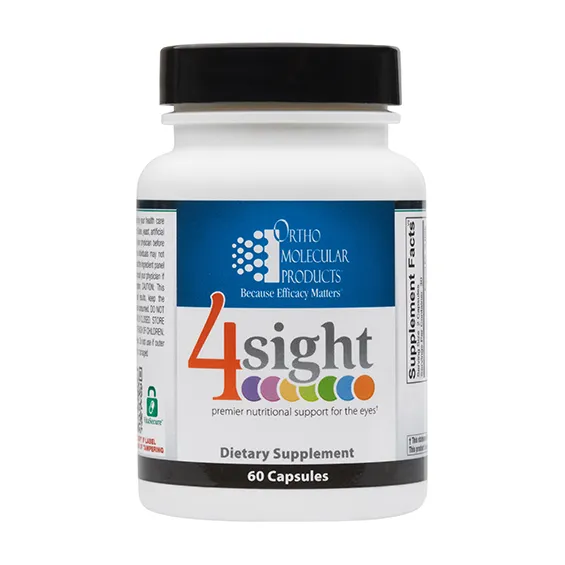
This is where specialized nutritional interventions come into play. 4sight by Ortho Molecular is a comprehensive formula designed to provide potent antioxidant support to the highly vulnerable tissues of the retina and the brain. By combining specific botanicals, minerals, and carotenoids like lutein, zeaxanthin, Ginkgo biloba, and N-Acetyl-L-Cysteine (NAC), this formula aims to neutralize free radicals and support healthy eye function. In this article, we will explore the deep biochemical connections between your vision, your autonomic nervous system, and how the ingredients in 4sight may help alleviate some of the overlapping neurological symptoms seen in post-viral illnesses.
TL;DR
4sight provides targeted antioxidant support for visual and cognitive symptoms in complex chronic conditions.
Ingredients like lutein and zeaxanthin may help shield the retina and brain from oxidative stress.
Ginkgo biloba and bilberry extract support microcirculation, potentially easing brain fog and dizziness.
Always consult your healthcare provider before starting new supplements, especially if taking medications.
What is 4sight and How Do Its Ingredients Function?
A Comprehensive Antioxidant Defense System
The human eye is an incredibly complex and metabolically demanding organ, making it uniquely susceptible to oxidative damage. As ultraviolet and blue light pass through the retina to the photoreceptors (the rods and cones) and the pigmented epithelial (PE) cells, a natural byproduct of this light processing is the generation of reactive oxygen species (ROS), commonly known as free radicals. In a healthy body, a robust internal antioxidant system immediately neutralizes these free radicals before they can cause cellular damage. However, when there are insufficient antioxidants available—often due to chronic illness, aging, or environmental toxins—the eye undergoes excessive oxidative stress, leading to tissue degradation and visual disturbances.
4sight is formulated to bridge this exact nutritional gap by providing a multi-layered defense system. It contains a specific blend of botanicals, nutrients, and minerals that have been demonstrated in clinical research to support healthy eye function. Rather than relying on a single compound, the formula utilizes a synergistic approach, combining fat-soluble carotenoids that physically shield the retina with water-soluble antioxidants that support mitochondrial function. This comprehensive strategy ensures that the delicate microvasculature of the eye is protected from the continuous onslaught of light, atmospheric oxygen, and systemic inflammation.
The Role of Carotenoids in the Eye and Brain
At the core of 4sight's formula are the dietary carotenoids Lutein (30 mg) and Zeaxanthin (1.5 mg). These powerful plant pigments act as "internal sunglasses" for the macula, absorbing harmful high-energy blue light and protecting the underlying photoreceptor cells from photochemical damage. Unlike many other antioxidants, lutein and zeaxanthin have the unique ability to cross the blood-brain barrier. Once inside the central nervous system, recent research shows they preferentially accumulate in the frontal cortex and hippocampus, the brain regions responsible for executive function, focus, and memory recall.
By neutralizing free radicals directly within the cerebrospinal fluid, these carotenoids suppress pro-inflammatory cytokines such as TNF-α and IL-6. This localized anti-inflammatory action is crucial for maintaining "neural efficiency," meaning the brain requires less metabolic energy to complete standard cognitive tasks. For patients dealing with neuro-fatigue, this mechanism is vital for preserving long-term cognitive longevity and protecting the structural integrity of both the retina and the brain's neural networks.
Mitochondrial and Microvascular Support
Beyond carotenoids, 4sight incorporates heavy-hitting mitochondrial and microvascular supporters, including Alpha Lipoic Acid (ALA), N-Acetyl-L-Cysteine (NAC), and Ginkgo biloba. ALA and NAC work synergistically to support the cellular energy cycle and boost the production of glutathione, the body's master intracellular antioxidant. Meanwhile, Ginkgo biloba and Bilberry Fruit Extract act as potent vasodilators and microcirculation enhancers. They help ensure that the tiny capillaries feeding the optic nerve and the brain remain open and flexible, delivering vital oxygen and nutrients to tissues that are often starved during states of chronic autonomic dysfunction.
How Long COVID and Dysautonomia Impact Vision and Microcirculation
Viral Infiltration and the Blood-Retina Barrier
To understand why vision problems are so prevalent in post-viral conditions, we must look at how viruses interact with ocular tissues. The retina is highly metabolically active and is protected by the blood-retina barrier (BRB), a strict gatekeeper that prevents pathogens and systemic inflammation from entering the eye. However, recent studies published in PLOS Pathogens have demonstrated that the SARS-CoV-2 virus can directly breach this barrier, triggering a hyper-inflammatory response within the retinal cells. This viral infiltration damages the retinal pigment epithelium (RPE), rendering it highly sensitive to oxidative stress and impairing its ability to recycle vital photoreceptor components.
This localized oxidative stress creates an inflammatory signature that closely mirrors the early stages of macular degeneration. As the RPE struggles to maintain the blood-retina barrier, complement activation and cytokine production skyrocket. For patients wondering What Causes Long COVID?, this direct tissue damage and subsequent chronic inflammation in the highly sensitive neural tissues of the eye is a prime example of how the virus leaves a lasting, debilitating footprint long after the acute infection has cleared.
Autonomic Dysfunction and Photophobia
Light sensitivity, or photophobia, is one of the most debilitating visual complaints reported by patients with Long COVID and dysautonomia. This symptom is heavily driven by autonomic nervous system (ANS) dysfunction, particularly Postural Orthostatic Tachycardia Syndrome (POTS). The autonomic nervous system controls involuntary functions, including the constriction and dilation of your pupils. In a healthy individual, the parasympathetic nervous system smoothly constricts the pupil in bright light to protect the retina. However, in dysautonomia, the body is often locked in sympathetic overdrive (a constant "fight or flight" state), causing the pupils to remain inappropriately dilated and allowing painful amounts of light to flood the eye.
Furthermore, this autonomic imbalance is frequently accompanied by neuropathic corneal pain. Post-viral immune dysregulation and oxidative stress can directly damage the microscopic nerve fibers in the cornea, causing them to misfire and send pain signals to the brain even in normal lighting conditions. This explains why standard eye exams often appear normal—the structural hardware of the eye is intact, but the neurological software controlling light perception and pain signaling is profoundly dysregulated.
Systemic Oxidative Stress and Microvascular Damage
At the core of both Long COVID and ME/CFS is a state of chronic, systemic oxidative stress that wreaks havoc on the body's microvasculature. The endothelial cells that line our smallest blood vessels become damaged and inflamed, leading to poor circulation and the formation of microclots. Because the retina and the optic nerve rely on an incredibly dense and delicate network of capillaries to deliver oxygen, this microvascular dysfunction hits the eyes particularly hard. When blood flow is restricted, the ocular tissues become ischemic (oxygen-starved), leading to blurry vision, visual snow, and the exacerbation of cognitive brain fog.
This microvascular damage creates a vicious cycle. The lack of oxygen forces the cells to rely on inefficient, anaerobic energy production, which generates even more free radicals and lactic acid. This localized buildup of toxic byproducts further degrades the endothelial lining, worsening the circulation issues. Breaking this cycle requires targeted interventions that can simultaneously dilate the micro-vessels, neutralize the free radicals, and support the damaged endothelial cells—which is exactly the multi-targeted approach that formulas like 4sight aim to provide.
4sight: Supporting Retinal Health and Cognitive Function
Lutein and Zeaxanthin: Shielding the Brain and Retina
The carotenoids lutein and zeaxanthin in 4sight do much more than just filter blue light; they actively combat the neuroinflammation that drives cognitive dysfunction. Because they successfully cross the blood-brain barrier, they embed themselves directly into the lipid membranes of brain cells. Here, they inhibit the COX-2 inflammatory pathway and suppress the release of damaging cytokines. By lowering the overall burden of oxidative stress in the cerebrospinal fluid, these nutrients help clear the "fuzziness" associated with neuro-fatigue, allowing the brain's neural networks to fire more efficiently and with less metabolic effort.
In the retina, these same carotenoids increase the Macular Pigment Optical Density (MPOD). A thicker, denser macular pigment acts as a robust physical shield against the oxidative damage caused by light exposure. This is particularly crucial for patients whose retinal pigment epithelium has been compromised by post-viral inflammation. By reinforcing this structural barrier, lutein and zeaxanthin help preserve visual acuity and reduce the metabolic strain on the underlying photoreceptor cells, potentially alleviating the severe eye fatigue that often accompanies screen time in chronic illness patients.
Ginkgo Biloba and Bilberry: Restoring Microcirculation
To address the microvascular dysfunction seen in dysautonomia and POTS, 4sight utilizes Ginkgo biloba (60 mg) and Bilberry Fruit Extract (150 mg). Ginkgo is a well-documented vasodilator that activates the M2/Nitric Oxide (NO) pathway. By increasing nitric oxide production, Ginkgo helps relax and widen the tiny capillaries feeding the brain and eyes, directly counteracting the vasoconstriction and blood pooling characteristic of POTS. This enhanced cerebral blood flow is a primary mechanism for reducing dizziness, presyncope, and the cognitive brain fog that plagues so many patients.
Bilberry extract, standardized to contain 36% anthocyanins, works synergistically with Ginkgo by protecting the structural integrity of these blood vessels. Clinical research indicates that bilberry anthocyanins inhibit STAT3, a transcription factor that induces inflammation, and suppress Interleukin-6 (IL-6). By stabilizing the endothelial cell membranes and preventing lipid peroxidation, bilberry helps resolve the "hyperflow" or "hypoflow" abnormalities in retinal microcirculation. This ensures a steady, regulated supply of oxygen to the optic nerve, which is essential for healing post-viral ocular damage.
ALA and NAC: Supporting the Mitochondrial "Doom Loop"
For patients wondering Can Long COVID Trigger ME/CFS? Unraveling the Connection, mitochondrial dysfunction is often the missing link. 4sight includes Alpha Lipoic Acid (150 mg) and N-Acetyl-L-Cysteine (200 mg) to directly target this cellular energy crisis. In ME/CFS, the mitochondrial electron transport chain becomes "leaky," spilling electrons that form massive amounts of superoxide radicals. ALA, being both water- and fat-soluble, penetrates the dense mitochondrial membrane to neutralize these radicals at the source. Furthermore, ALA is a mandatory cofactor for the pyruvate dehydrogenase complex, an enzyme crucial for efficient aerobic energy production, helping to prevent painful lactic acid buildup.
Simultaneously, NAC acts as the critical precursor to glutathione, the body's master antioxidant. Neuroimaging studies by Dr. Dikoma Shungu have shown that ME/CFS patients have profoundly depleted brain glutathione levels. By supplying the rate-limiting amino acid cysteine, NAC allows the body to rebuild its glutathione reserves, effectively "mopping up" the downstream neuroinflammation and systemic oxidative stress. Together, ALA and NAC form a powerful tag-team that helps unblock stalled metabolic pathways and restores cellular energy production in the eyes and brain.
Zinc and Taurine: Essential Ocular Osmoregulation
Finally, 4sight includes Zinc (15 mg as highly bioavailable Albion® Zinc Bisglycinate Chelate) and Taurine (400 mg). Zinc is an absolute requirement for vision; it is responsible for transporting Vitamin A from the liver to the retina to produce melanin, a protective pigment in the eyes. It also serves as a critical cofactor for Superoxide Dismutase (SOD), one of the body's primary intrinsic antioxidant enzymes. Without adequate zinc, the eye's natural defense mechanisms are severely handicapped, leaving the macula vulnerable to rapid degradation.
Taurine is the most abundant amino acid in the retina and acts as a vital osmoregulator and neuromodulator. It helps maintain the structural integrity of the photoreceptor outer segments and regulates the flow of calcium ions in and out of the cells. In states of chronic autonomic dysfunction, cellular calcium channels often become dysregulated, leading to cellular toxicity and cell death. Taurine stabilizes these membranes, protecting the delicate rods and cones from stress-induced apoptosis (programmed cell death) and supporting overall retinal resilience.
Symptoms 4sight's Antioxidant Blend May Help Manage
Visual Disturbances
The targeted ingredients in 4sight are specifically chosen to address the complex visual symptoms that arise from oxidative stress and microvascular dysfunction. Patients dealing with post-viral ocular issues may find support for the following symptoms:
Severe Light Sensitivity (Photophobia): By increasing macular pigment density with lutein and zeaxanthin, 4sight helps create a physical shield against harsh lighting, while Ginkgo supports the autonomic regulation of the pupillary response.
Blurry or Fluctuating Vision: Bilberry extract and Ginkgo biloba enhance microcirculation, ensuring that the optic nerve and retinal tissues receive the steady oxygen supply needed to maintain sharp, consistent visual acuity.
Visual Fatigue and Eye Strain: ALA and NAC support mitochondrial ATP production, providing the immense metabolic energy required by the photoreceptors to process visual stimuli without rapid exhaustion.
Dry, Irritated Eyes: Systemic antioxidants help reduce the localized inflammation in the tear glands and corneal nerves, potentially alleviating the burning and grittiness associated with neuropathic corneal pain.
Cognitive and Autonomic Symptoms
Because the retina is structurally an extension of the brain, the neuroprotective benefits of 4sight extend well beyond the eyes. If you are exploring What Are the Symptoms of Long COVID?, you will recognize many of these overlapping neurological challenges:
Brain Fog and Cognitive Fatigue: Lutein and zeaxanthin cross the blood-brain barrier to suppress neuroinflammation, while Ginkgo biloba increases cerebral blood flow, helping to clear the mental "fuzziness" and improve focus.
Dizziness and Presyncope: By activating the nitric oxide pathway, Ginkgo biloba helps dilate micro-vessels, counteracting the poor cerebral perfusion and blood pooling that trigger dizziness in POTS and dysautonomia.
Sensory Overload: By stabilizing retinal cell membranes with taurine and reducing overall neuro-inflammation with NAC, the nervous system may become less reactive to overwhelming visual and environmental stimuli.
Post-Exertional Malaise (PEM) from Screen Time: By addressing the mitochondrial "doom loop" with ALA and NAC, the brain and eyes can process digital information more efficiently, potentially raising the threshold before a symptom crash occurs.
Practical Considerations: Forms, Dosing, and Absorption of 4sight
Bioavailability and Fat-Soluble Nutrients
When taking a complex formula like 4sight, understanding how the body absorbs different nutrients is crucial for maximizing its therapeutic benefits. Several key ingredients in this formula—specifically Lutein, Zeaxanthin, and Lycopene—are fat-soluble carotenoids. This means they require the presence of dietary lipids (fats) to be properly emulsified by bile acids and absorbed through the intestinal wall. If taken on an empty stomach, a significant portion of these valuable antioxidants may simply pass through the digestive tract unabsorbed, severely limiting their ability to reach the retina and brain.
To ensure optimal bioavailability, it is highly recommended to take 4sight alongside a meal that contains healthy fats. Foods rich in omega-3 fatty acids, such as avocados, olive oil, nuts, seeds, or wild-caught salmon, provide the perfect transport mechanism for these fat-soluble compounds. Additionally, Alpha Lipoic Acid (ALA) is unique in that it is both water- and fat-soluble, allowing it to easily cross cellular membranes, but its absorption is still enhanced when taken as part of a balanced metabolic environment.
Optimal Timing and Synergistic Absorption
The suggested use for 4sight is two capsules per day, or as recommended by your healthcare professional. For patients with sensitive nervous systems or those prone to gastrointestinal upset—a common issue in dysautonomia and MCAS—it is often beneficial to split the dosage. Taking one capsule with breakfast and one capsule with lunch can help maintain a steady, continuous supply of antioxidants and microcirculation support throughout the most visually demanding parts of the day.
Because ingredients like Ginkgo biloba and NAC actively support cellular energy production and cerebral blood flow, taking the supplement earlier in the day is generally preferred. Taking energy-modulating nutrients too close to bedtime may inadvertently cause overstimulation or interfere with sleep architecture in patients who already struggle with post-viral insomnia or disrupted circadian rhythms. Consistency is also key; fat-soluble nutrients like lutein take time to accumulate in the macular tissue, so it may take several weeks of daily supplementation to notice significant changes in light sensitivity or visual stamina.
Potential Interactions and Contraindications
While 4sight is formulated with natural botanicals and amino acids, its potent effects on microcirculation mean it must be used with care, particularly for patients on complex medication regimens. Ginkgo biloba is a well-known antagonist to platelet-activating factors, meaning it naturally reduces blood viscosity and makes the blood "less sticky." While this is excellent for combating microclots, it means 4sight should be used with extreme caution—or avoided entirely—by individuals taking prescription blood thinners (anticoagulants like Warfarin or Eliquis) or anti-platelet medications, due to an increased risk of bleeding.
Additionally, Ginkgo biloba can interact with certain selective serotonin reuptake inhibitors (SSRIs) and monoamine oxidase inhibitors (MAOIs), potentially altering their efficacy. If you are currently exploring What Drugs Are Used for COVID Long Haulers? and are on a multi-drug protocol for dysautonomia or mood regulation, it is imperative to consult your prescribing physician or a functional medicine practitioner before introducing 4sight to ensure it safely complements your existing treatment plan.
Follow the Science: Clinical Evidence for 4sight's Ingredients
Clinical Trials on Carotenoids and Cognitive Function
The scientific consensus surrounding the neuroprotective benefits of lutein and zeaxanthin has grown exponentially in recent years. Moving beyond subjective surveys, researchers are now utilizing functional Magnetic Resonance Imaging (fMRI) to prove the physical impact of these carotenoids on the brain. A hallmark study from the University of Georgia demonstrated that adults supplementing with lutein and zeaxanthin experienced significant increases in cerebral blood flow to regions of the brain vital to cognition and memory. The fMRI imaging revealed that supplemented subjects required less neural activation to complete memory tasks, proving that these antioxidants actively enhance "neural efficiency."
Furthermore, large-scale longitudinal data supports their role in long-term cognitive preservation. A 2024 meta-analysis published in Neuroscience & Biobehavioral Reviews analyzed 12 studies encompassing over 3,000 adults. The researchers concluded that individuals with higher combined levels of lutein and zeaxanthin had a 23% lower risk of age-related cognitive decline. By physically embedding into the brain's lipid structures, these carotenoids provide a durable shield against the chronic neuroinflammation that drives conditions like brain fog and early-onset dementia.
Research on Ginkgo Biloba for Dysautonomia
While large-scale randomized controlled trials specifically managing POTS with Ginkgo biloba are still developing, its efficacy is strongly supported by studies on its underlying autonomic mechanisms. Research published in Frontiers in Pharmacology investigated Ginkgo's cardioprotective action against sustained β-adrenergic stimulation—a state that closely mimics the sympathetic overdrive seen in dysautonomia. The in vivo models treated with Ginkgo Biloba Extract showed a complete restoration of autonomic imbalance and baroreflex dysfunction.
The study suggested that Ginkgo may help prevent the pathological downregulation of β1-adrenergic receptors and activates the M2/Nitric Oxide (NO) pathway. This pathway is absolutely vital for heart rate regulation and vascular health. By actively dilating the micro-vessels and helping to prevent the hyper-constriction that causes blood pooling, Ginkgo addresses the exact microvascular deficits that lead to the dizziness, presyncope, and cerebral hypoperfusion characteristic of post-viral autonomic dysfunction.
Antioxidant Interventions for ME/CFS and Long COVID
The combination of ALA and NAC has been heavily researched in the context of mitochondrial repair for chronic fatigue syndromes. Dr. Dikoma Shungu at Weill Cornell Medicine has conducted groundbreaking neuroimaging studies proving that ME/CFS patients suffer from abnormally low levels of brain glutathione and high levels of toxic lactate. His pilot trials demonstrated that high-dose NAC supplementation successfully returned brain glutathione and oxidative stress levels to normal baselines, resulting in a marked reduction in patient symptoms.
Similarly, a 16-week open-label pilot study by Menon et al. evaluated a mitochondrial cocktail containing both ALA and NAC in ME/CFS patients. The participants showed statistically significant improvements in the severity of chronic fatigue symptoms and a notable reduction in insomnia. These clinical findings reinforce the theory that combining a direct mitochondrial shield (ALA) with a systemic glutathione precursor (NAC) provides a highly effective, synergistic approach to unblocking stalled metabolic pathways and managing the severe oxidative stress seen in complex chronic illnesses.
The Path Forward: Managing Vision in Chronic Illness
Validating Your Visual Symptoms
If you have been struggling with severe light sensitivity, fluctuating blurry vision, or debilitating brain fog, it is crucial to understand that these symptoms are valid, physiological, and deeply connected to your systemic health. For too long, patients with complex chronic conditions have been told that their visual disturbances are simply a byproduct of anxiety or stress. The reality, backed by emerging clinical research, is that viral infiltration, autonomic dysregulation, and severe oxidative stress cause objective, measurable changes to the delicate microvasculature of your eyes and brain. You are not imagining the glare, and you are not imagining the fatigue.
A Comprehensive Management Strategy
While targeted nutritional support is a powerful tool, it is just one piece of a much larger puzzle. Managing vision and cognitive symptoms in conditions like Long COVID and dysautonomia requires a comprehensive, multi-disciplinary approach. If you are learning How Can You Live with Long-Term COVID, you know that pacing your visual exertion is just as important as pacing your physical exertion. Implementing strict light hygiene, utilizing blue-light blocking glasses, taking frequent screen breaks, and working with a neuro-ophthalmologist or functional medicine practitioner are all critical steps in calming an overactive nervous system and allowing your microvasculature to heal.
Next Steps in Your Healing Journey
Healing from chronic oxidative stress takes time, patience, and the right metabolic building blocks. By supplying your body with highly bioavailable carotenoids, mitochondrial cofactors, and microcirculation enhancers, you can help rebuild your cellular defenses from the inside out. 4sight offers a meticulously crafted blend of these essential nutrients, designed specifically to protect the highly vulnerable tissues of the retina and the brain. As always, please consult with your healthcare provider before starting any new supplement regimen to ensure it aligns safely with your individual medical needs.
Sources
New Research Supports Lutein and Zeaxanthin for Brain Health — Kemin Human Nutrition and Health
Dr. Shungu’s NAC ME/CFS NIH Trial and Brain Glutathione Depletion — Health Rising
Mitochondrial Modifying Nutrients Study (Menon et al., 2017) — ANZCTR Trial Registration
Oxidative Stress and the Leaky Electron Transport Chain in ME/CFS — Brain Inflammation Collaborative