Can SBI Protect® Help Manage Leaky Gut and Immune Dysregulation in Long COVID and ME/CFS?
March 6, 2026
SBI ProtectImmunoLinLong COVID
Share:
Disclaimer: The information provided here is for educational purposes only and is not intended as medical advice. It should not be used to diagnose, treat, cure, or prevent any medical condition. Instead, use it as a starting point for discussion with your healthcare provider. Always consult with a qualified healthcare provider before starting any new medication, supplement, device, or making changes to your health regimen.
The gastrointestinal tract is often referred to as the body's "second brain," but for individuals living with complex chronic conditions, it can feel more like ground zero for systemic inflammation. Whether you are navigating the unpredictable waves of Long COVID, the debilitating crashes of myalgic encephalomyelitis/chronic fatigue syndrome (ME/CFS), or the hyper-reactivity of mast cell activation syndrome (MCAS), you may have noticed a frustrating link between your gut health and your overall symptom severity. This is not a coincidence. Emerging research continues to highlight the profound connection between intestinal permeability—often called "leaky gut"—and the systemic immune dysregulation that drives these invisible illnesses.
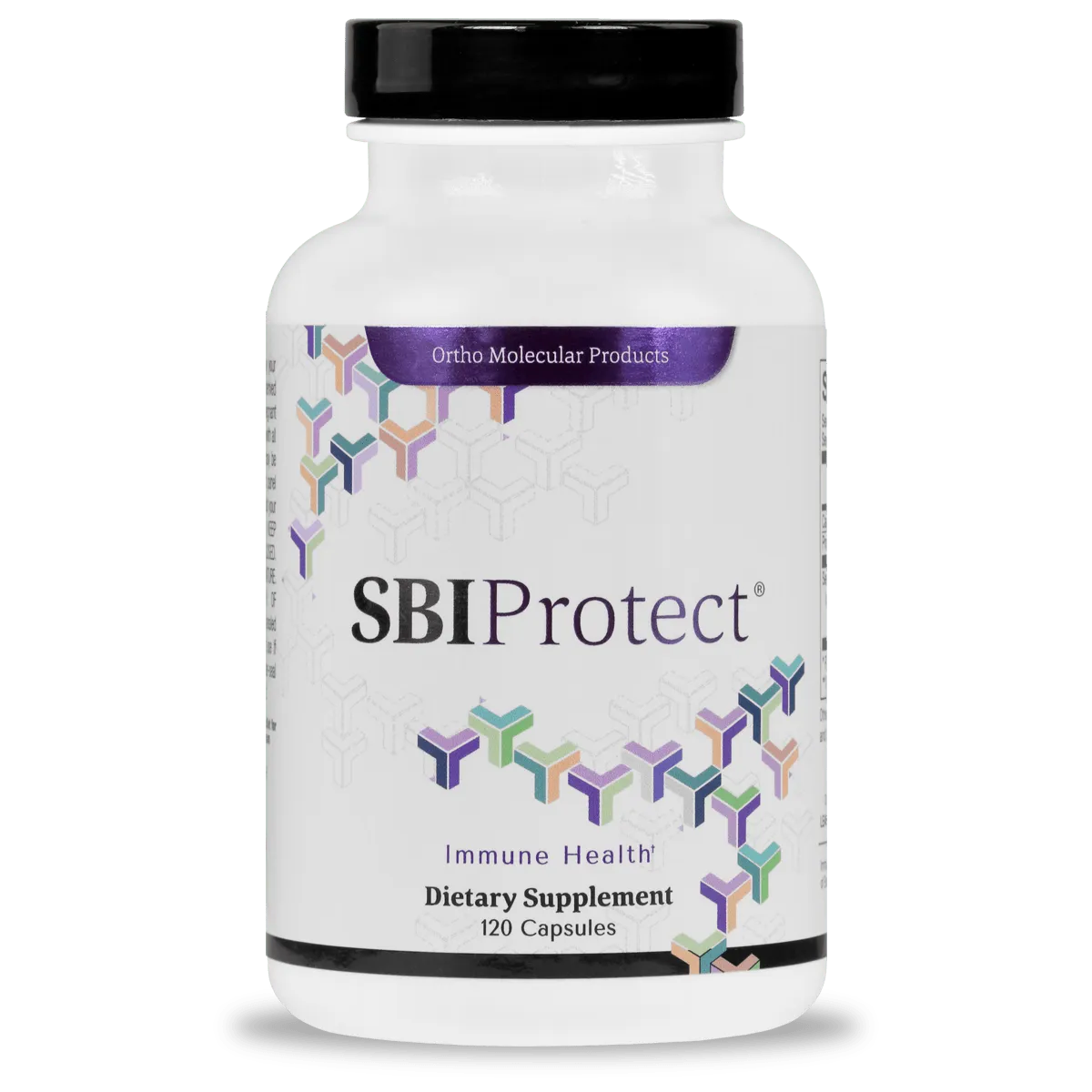
When the microscopic barrier of the gut becomes compromised, it allows toxins and microbial fragments to escape into the bloodstream, triggering a relentless cascade of inflammation that can reach as far as the brain and the cardiovascular system. Finding ways to support this barrier and quiet the immune response is a critical step in managing chronic illness. This is where targeted nutritional support comes into play. SBI Protect® Capsules by Ortho Molecular Products offer a highly concentrated, dairy-free source of serum-derived bovine immunoglobulins designed to act as a biological sponge in the digestive tract. By binding to unwanted toxins before they can trigger the immune system, SBI Protect helps reset healthy immune tolerance and rebuild a stronger defense against the external environment. In this comprehensive guide, we will explore the intricate science behind serum-derived immunoglobulins, how chronic illness damages the gut barrier, and how SBI Protect may help you regain a sense of systemic balance.
TL;DR
SBI Protect® provides dairy-free, serum-derived bovine immunoglobulins to support gut barrier integrity.
It acts as a biological sponge, binding to toxins like LPS before they enter the bloodstream.
Supporting the gut barrier may help manage systemic inflammation linked to Long COVID and ME/CFS.
The supplement works locally in the digestive tract and is not absorbed into the systemic circulation.
What is SBI Protect® (Serum-Derived Bovine Immunoglobulin)?
To understand how SBI Protect® works, we must first look at its core ingredient: ImmunoLin®. ImmunoLin is a highly purified, concentrated, and dairy-free source of serum-derived bovine immunoglobulins (SBI). In the realm of nutritional supplements and medical foods, SBI represents a significant advancement in gastrointestinal support. Unlike standard protein powders or basic amino acid blends, SBI is composed of over 90% pure protein, with more than 50% of that protein consisting of active Immunoglobulin G (IgG), alongside trace amounts of Immunoglobulin A (IgA) and Immunoglobulin M (IgM). These immunoglobulins are harvested from bovine (cow) serum and undergo a rigorous purification process to ensure they are free from impurities and highly biologically active.
For decades, functional medicine has utilized bovine colostrum—the first milk produced by cows after giving birth—to help support the gut lining, as it naturally contains immunoglobulins. However, colostrum presents a significant problem for many patients with complex chronic illnesses: it is a dairy product. Individuals with mast cell activation syndrome (MCAS) or severe gastrointestinal inflammation often cannot tolerate the lactose, casein, or whey found in colostrum, which can inadvertently trigger the very immune cascades they are trying to calm. Because ImmunoLin is derived from serum rather than milk, it is 100% dairy-free. This makes SBI Protect an exceptionally safe and potent alternative for patients with highly reactive immune systems or established dairy allergies. Furthermore, because it is concentrated from serum, ImmunoLin boasts a significantly higher density of functional IgG antibodies compared to standard colostrum, delivering a more powerful therapeutic dose directly to the gut.
The manufacturing and purification process of ImmunoLin also ensures remarkably low levels of endotoxins. Endotoxins are structural components of bacterial cell walls that can sometimes contaminate natural biological products. In a severely compromised, "leaky" gut, introducing even trace amounts of endotoxins can exacerbate inflammation. By utilizing a tightly controlled, pharmaceutical-grade extraction process, SBI Protect delivers a clean, high-yield immunoglobulin isolate that supports the gut without introducing new inflammatory triggers. This level of purity is why serum-derived bovine immunoglobulins have been extensively studied and utilized in clinical settings, including as FDA-regulated medical foods for chronic digestive disorders.
To appreciate the power of SBI Protect, we must delve into the biological function of Immunoglobulin G (IgG). Immunoglobulins, commonly known as antibodies, are large, Y-shaped proteins utilized by the immune system to identify and neutralize foreign objects such as pathogenic bacteria, viruses, and environmental toxins. In a healthy human body, the gastrointestinal tract is lined with a mucosal immune system known as the Gut-Associated Lymphoid Tissue (GALT). The GALT is the largest immune organ in the body, housing roughly 70% of our entire immune system. It relies heavily on naturally produced antibodies to patrol the mucosal lining and keep opportunistic pathogens in check.
When you take SBI Protect, you are orally consuming a massive influx of functional, intact IgG antibodies. Remarkably, these bovine antibodies are uniquely resilient; they survive the harsh, acidic environment of the stomach and the digestive enzymes of the upper intestine. Once they reach the intestinal lumen (the hollow space inside the gut), they do not absorb into your bloodstream. Instead, they remain strictly within the gastrointestinal tract, acting as a localized defense force. They function as a biological sponge, actively seeking out and binding to toxic microbial fragments, neutralizing them before they can interact with your intestinal lining.
This localized action is crucial for maintaining what immunologists call "immune tolerance." In a healthy gut, the immune system must constantly distinguish between harmless food proteins, beneficial microbiome bacteria, and dangerous pathogens. When the gut is overwhelmed by toxins or dysbiosis (an imbalance of gut bacteria), this tolerance breaks down, leading to chronic, low-grade inflammation. By supplementing with the high concentrations of IgG found in SBI Protect, you are effectively outsourcing a portion of your gut's immune workload. The bovine immunoglobulins bind up the excess toxic burden, allowing your native immune system to stand down, stop producing inflammatory cytokines, and begin the process of repairing the delicate mucosal barrier.
How Long COVID and ME/CFS Impact the Gut Barrier
To understand why a supplement like SBI Protect is so relevant for chronic conditions, we must examine how illnesses like Long COVID and ME/CFS physically alter the gastrointestinal tract. The human gut is lined by a single layer of epithelial cells, known as enterocytes. These cells are glued together by complex protein structures called "tight junctions" (primarily composed of proteins like zonulin and occludin). This microscopic barrier is incredibly selective; it must allow microscopic, digested nutrients to pass into the bloodstream while keeping massive microbial populations, undigested food particles, and toxins safely confined within the digestive tract. In Long COVID, this delicate barrier is often severely compromised.
Research suggests that SARS-CoV-2, the virus responsible for COVID-19, can directly infect the enterocytes lining the gut. The virus binds to ACE2 receptors, which are highly abundant in the intestinal lining. This direct viral assault, combined with the massive systemic inflammatory response (cytokine storm) triggered during the acute infection, physically damages the gut lining. Furthermore, studies indicate that viral RNA and proteins can persist in the gut tissue for months or even years after the initial infection—a phenomenon known as viral persistence. This persistent viral reservoir keeps the local gut immune system in a state of chronic hyper-activation. The resulting inflammation forces the tight junctions to pull apart, creating microscopic gaps in the intestinal lining. This condition is clinically referred to as intestinal permeability, or "leaky gut."
A similar pathophysiology is observed in ME/CFS. Patients with ME/CFS frequently suffer from severe gut dysbiosis—a reduction in beneficial, protective bacteria (like Bifidobacterium) and an overgrowth of pro-inflammatory pathogens. This dysbiosis starves the gut lining of short-chain fatty acids (SCFAs) like butyrate, which are essential for keeping the tight junctions closed and the mucosal layer thick. Additionally, both Long COVID and ME/CFS are associated with the reactivation of latent viruses, such as Epstein-Barr Virus (EBV) and Human Herpesvirus 6 (HHV-6). When these viruses reactivate, they further drive systemic inflammation and autoimmunity, leading to the production of autoantibodies that mistakenly attack the body's own tight junction proteins, exacerbating the destruction of the gut barrier.
When the gut barrier becomes hyper-permeable, a catastrophic chain reaction occurs. Microbial products that are normally safely confined to the digestive tract begin to leak through the broken tight junctions and spill directly into the systemic blood circulation. This process is known in the medical literature as bacterial translocation. The most dangerous of these translocated molecules is Lipopolysaccharide (LPS). LPS is an endotoxin found in the outer cell membranes of Gram-negative bacteria, which naturally reside in the gut. While LPS is harmless when kept inside the bowel, it is highly toxic when it enters the bloodstream.
Once LPS breaches the gut barrier, it binds to specific immune receptors (Toll-like receptor 4, or TLR4) on immune cells circulating in the blood. This binding triggers a massive, systemic alarm, leading to a condition known as "metabolic endotoxemia." The immune system responds by churning out high levels of pro-inflammatory cytokines, such as Interleukin-6 (IL-6) and Tumor Necrosis Factor-alpha (TNF-alpha). This systemic inflammation is a primary driver of the debilitating symptoms seen in complex chronic illnesses. For example, circulating LPS can directly interact with coagulation proteins in the blood, promoting the formation of "fibrinaloid" microclots. These microclots, frequently observed in Long COVID and ME/CFS, block microscopic blood vessels (capillaries), preventing oxygen from reaching muscle and brain tissue. This cellular hypoxia is a major contributor to the profound, crushing fatigue and post-exertional malaise (PEM) that patients experience after minimal exertion.
Furthermore, translocated LPS has a devastating impact on the central nervous system. LPS and the resulting inflammatory cytokines can cross the blood-brain barrier, entering the brain. Once inside, they activate microglia—the brain's resident immune cells. When microglia are activated by gut-derived endotoxins, they shift into an aggressive, pro-inflammatory state, releasing neurotoxins that damage surrounding neurons. This neuroinflammation is the biological mechanism behind "brain fog," severe cognitive dysfunction, memory loss, and the sensory overload frequently reported by patients with Long COVID, dysautonomia, and ME/CFS. Ultimately, what begins as a microscopic tear in the gut lining cascades into a systemic, multi-organ crisis.
SBI Protect®: Supporting Gut Integrity and Immune Tolerance
The primary mechanism of action for SBI Protect lies in its ability to physically intercept toxins before they can breach the damaged gut lining. When you consume the highly concentrated serum-derived bovine immunoglobulins (SBI), the intact IgG antibodies travel down into the intestinal tract. Because they are not absorbed into the bloodstream, they remain in the gut lumen, acting as a localized, biological defense shield. The IgG antibodies possess highly specific binding sites that act like locks, perfectly shaped to capture specific molecular "keys." In this case, the keys are dangerous microbial antigens, primarily Lipopolysaccharide (LPS), peptidoglycan, flagellin, and even certain fungal toxins.
When the bovine IgG encounters free-floating LPS in the gut, it binds to it tightly. This binding process creates a massive, bulky molecular structure known as an antigen-antibody complex. This is where the concept of steric hindrance comes into play. In a patient with a "leaky gut," the tight junctions between the intestinal cells are pulled apart, creating microscopic holes. Free-floating LPS is small enough to slip through these holes and enter the bloodstream. However, once the LPS is bound by the massive IgG antibody provided by SBI Protect, the resulting complex is simply too large and bulky to fit through the gaps in the damaged intestinal lining. By physically increasing the size of the toxic particles, SBI helps keep them from translocating into the systemic circulation. Instead of leaking into the blood, the neutralized toxins are safely swept through the digestive tract and excreted in the stool.
This mechanism is profoundly important for patients with Long COVID and ME/CFS. By cutting off the supply of translocating LPS at the source, SBI Protect helps starve the systemic inflammatory fire. If less LPS enters the bloodstream, there is less activation of the TLR4 immune receptors, less systemic cytokine production, and a reduced trigger for the formation of fatigue-inducing microclots. It is a targeted, localized intervention that yields powerful, body-wide benefits.
In addition to helping keep toxins from entering the bloodstream, SBI Protect plays a vital role in calming the localized immune system within the gut itself. As mentioned earlier, the Gut-Associated Lymphoid Tissue (GALT) sits just beneath the single-cell layer of the intestinal lining. In patients with chronic gastrointestinal symptoms, the GALT is in a state of chronic, hyper-vigilant panic. It is constantly bombarded by microbial fragments and undigested food proteins leaking through the barrier, causing it to continuously pump out inflammatory chemicals that cause bloating, cramping, and tissue damage.
By binding and neutralizing these microbial triggers in the open space of the gut lumen, SBI Protect effectively hides them from the GALT. Because the localized immune cells no longer detect a massive threat, they stop sounding the alarm. This reduction in localized immune activation leads to a sharp decrease in the production of pro-inflammatory cytokines within the gut tissue itself. As the chemical fires of inflammation begin to die down, the physical symptoms of gut distress—such as severe bloating, unpredictable bowel movements, and abdominal pain—can begin to subside. This dampening effect is particularly beneficial for patients dealing with the hyper-reactive immune responses characteristic of mast cell activation syndrome (MCAS), where gut-based mast cells are easily triggered by microbial antigens.
The ultimate goal of using SBI Protect is not just to manage symptoms, but to facilitate the actual physical repair of the intestinal barrier. The gut lining is one of the fastest-regenerating tissues in the human body; under normal conditions, the epithelial cells replace themselves every few days. However, when the gut is trapped in a cycle of chronic inflammation and LPS bombardment, this regenerative process is stalled. The constant presence of inflammatory cytokines prevents the cells from properly synthesizing and assembling the tight junction proteins (zonulin and occludin) needed to seal the gaps.
By acting as a biological sponge and removing the constant barrage of inflammatory triggers, SBI Protect gives the gut lining the "breathing room" it desperately needs to heal. As the local inflammation subsides, the enterocytes can resume their normal regenerative cycles. They begin to upregulate the expression of tight junction proteins, physically closing the microscopic tears in the barrier. This process supports the structural integrity of the gut, naturally helping to avoid further leaky gut without the need for constant, massive immune intervention.
Furthermore, recent research has illuminated how serum-derived immunoglobulins positively influence the gut microbiome. While the IgG antibodies bind to toxic pathogens, they do not harm beneficial, commensal bacteria. In fact, studies suggest that as SBI travels into the colon, it is partially fermented by the microbiome, stimulating the production of vital short-chain fatty acids (SCFAs) like acetate, propionate, and butyrate. Butyrate, in particular, is the primary fuel source for colon cells and is absolutely essential for maintaining a thick, protective mucosal layer over the gut lining. By promoting a healthier microbiome environment and fostering SCFA production, SBI Protect supports the long-term resilience and structural integrity of the entire gastrointestinal tract.

Symptoms SBI Protect® May Help Manage
Because the gut barrier is intimately connected to the systemic immune system, the brain, and the cardiovascular system, supporting intestinal permeability can have far-reaching effects. While SBI Protect works locally in the digestive tract, the downstream benefits can help manage a wide array of complex symptoms associated with Long COVID, ME/CFS, dysautonomia, and MCAS. Here are the specific symptoms that serum-derived bovine immunoglobulins may help alleviate:
Chronic Bloating and Abdominal Pain: By neutralizing inflammatory microbial fragments like LPS before they can trigger the Gut-Associated Lymphoid Tissue (GALT), SBI Protect helps reduce the localized tissue inflammation that causes severe bloating, distension, and cramping.
Loose Stools and Diarrhea: In conditions like diarrhea-predominant irritable bowel syndrome (IBS-D) and Long COVID enteropathy, unmanaged gut toxins draw excess water into the bowel and speed up motility. By binding these toxins, SBI helps normalize bowel transit times and improve stool consistency.
Brain Fog and Cognitive Dysfunction: By helping to keep LPS from translocating into the bloodstream, SBI Protect reduces the systemic inflammatory burden that crosses the blood-brain barrier. This helps calm the aggressive, activated microglia in the brain, alleviating the neuroinflammation responsible for severe brain fog and memory issues.
Post-Exertional Malaise (PEM) and Fatigue: Translocated gut endotoxins are a major trigger for systemic inflammation and the formation of oxygen-blocking microclots. By sealing the gut and stopping this toxic leak, SBI lowers the overall inflammatory load, potentially reducing the severity of crashes and supporting better cellular energy production.
Food Sensitivities and Intolerances: When the gut is "leaky," undigested food proteins escape into the blood, causing the immune system to mount an attack (resulting in new food allergies or sensitivities). By giving the tight junctions the opportunity to heal and close, SBI Protect helps keep food particles in the digestive tract where they belong, supporting a return to healthy oral immune tolerance.
Systemic Immune Hyper-Reactivity: For patients with MCAS or general immune dysregulation, the constant leakage of gut antigens keeps the immune system in a state of hair-trigger panic. By acting as a biological sponge, SBI removes these triggers, allowing the systemic immune system to step down from its state of chronic hyper-arousal.
Practical Considerations: Forms, Dosing, and Absorption
When considering any new supplement or medical intervention for complex chronic illness, safety and tolerability are paramount. One of the most significant advantages of SBI Protect® is its unique pharmacokinetic profile: it is entirely localized to the gastrointestinal tract. Clinical studies evaluating the bioavailability of serum-derived bovine immunoglobulins have conclusively shown that the intact IgG antibodies do not absorb into the human bloodstream. Even at high doses of 20 grams per day, researchers have found no quantifiable levels of bovine IgG in human plasma. Instead, the immunoglobulins travel through the stomach, perform their binding action in the intestines, and are eventually excreted in the stool.
This lack of systemic absorption provides a massive safety advantage. Many powerful anti-inflammatory or immune-modulating drugs (such as systemic corticosteroids or biologic immunosuppressants) work by dampening the entire body's immune response, which can leave patients vulnerable to systemic infections. Because SBI Protect works exclusively via "steric exclusion" within the gut lumen, it does not suppress your systemic immune system. It simply acts as a biological sponge in the digestive tract, binding up toxic waste so your body doesn't have to fight it. This makes it an incredibly safe, non-immunosuppressive adjunct support for fragile patients, including those with immune dysregulation or chronic viral reactivations.
The suggested use for SBI Protect® Capsules is typically 4 capsules per day, or as recommended by your healthcare professional. Because the active ingredient, ImmunoLin, is a highly stable protein complex, it can generally be taken with or without food. However, many functional medicine practitioners recommend taking it away from heavy, high-fat meals to ensure the immunoglobulins have maximum contact time with the intestinal lining and free-floating microbial antigens. Consistency is key; repairing the gut barrier is a biological process that takes time. While some patients may notice a reduction in acute GI symptoms like bloating or loose stools within a few weeks, rebuilding the tight junctions and lowering systemic neuroinflammation often requires sustained use over several months.
A common question regarding SBI Protect is how it interacts with other gut-supportive supplements, particularly probiotics. Because SBI specifically targets and binds to toxic microbial antigens (like LPS and pathogenic fragments), it does not negatively impact the efficacy of daily probiotics. In fact, it is highly synergistic. By sweeping away the toxic debris and lowering localized inflammation, SBI Protect creates a much more hospitable environment in the gut, allowing beneficial probiotic strains to successfully colonize and thrive. It is routinely and safely consumed alongside broad-spectrum probiotics and digestive enzymes.
As previously highlighted, the defining feature of ImmunoLin is that it is fundamentally dairy-free. For patients with ME/CFS, Long COVID, or MCAS, dairy is often a massive inflammatory trigger. Bovine colostrum, while beneficial for some, contains lactose, casein, and whey, which can provoke severe allergic or mast cell responses in sensitive individuals. Because SBI Protect is derived entirely from purified bovine serum, it completely bypasses the dairy issue. It provides a much higher concentration of functional IgG antibodies without the risk of dairy-induced inflammation.
Overall, SBI Protect has a highly favorable safety profile and holds a Generally Recognized As Safe (GRAS) designation from the FDA. In extensive clinical trials involving hundreds of subjects, the adverse event rate has been remarkably low. When side effects do occur, they are typically mild and localized to the gastrointestinal tract, representing a "shift" in the gut environment as the microbiome adjusts. These mild, transient effects can include temporary constipation, mild abdominal cramping, or increased urination. There are no known drug interactions associated with SBI, making it a versatile tool that can be safely integrated into complex medication regimens.

Follow the Science
The efficacy of serum-derived bovine immunoglobulins (SBI) is supported by a robust body of clinical research, with over 40 human clinical trials investigating its impact on gastrointestinal health and immune function. Some of the most compelling evidence for SBI's ability to repair the gut barrier comes from studies on HIV-associated enteropathy. Even when HIV is fully suppressed by antiretroviral therapy, many patients suffer from chronic, severe damage to the gut lining, leading to relentless diarrhea and systemic inflammation. This provides a powerful clinical model for studying "leaky gut."
Crucially, the publication provided specific data points on these novel bacteria. It described Provencibacterium massiliense and Oscilibacter massiliensis as part of the findings. Furthermore, the researchers discovered these strains through extensive culturing techniques. This data highlights the diversity of the human microbiome, though the Expression of Concern indicates potential issues with the original study's methodology or reporting.
The Path Forward
Living with conditions like Long COVID, ME/CFS, dysautonomia, and MCAS often feels like fighting a war on multiple fronts. When your body is trapped in a cycle of systemic inflammation, crushing fatigue, and severe cognitive dysfunction, it can be overwhelming to know where to begin the recovery process. Validating the profound connection between your gut health and your systemic symptoms is a crucial first step. The microscopic breakdown of your intestinal barrier is not a minor digestive issue; it is a major physiological driver of your systemic illness. Addressing this "leaky gut" and stopping the relentless translocation of endotoxins into your bloodstream is foundational to regaining your health.
SBI Protect® offers a highly targeted, scientifically validated approach to supporting this foundational process. By utilizing the localized, biological binding power of pure, dairy-free serum-derived bovine immunoglobulins, you can actively reduce the toxic burden on your gastrointestinal tract. Acting as a biological sponge, SBI Protect helps neutralize the microbial triggers that keep your immune system in a state of hyper-arousal, giving your gut lining the critical opportunity it needs to rest, repair its tight junctions, and restore healthy immune tolerance.
It is important to remember that while supporting the gut barrier is a powerful intervention, it is just one piece of a comprehensive, multi-disciplinary management strategy. Complex chronic illnesses require a holistic approach that includes aggressive pacing to manage post-exertional malaise, targeted symptom tracking, nervous system regulation, and potentially other supportive therapies like Aller-Essentials for immune modulation or Vitamin C and Bioflavonoids for vascular support. There is no single miracle cure, but by systematically addressing the root causes of inflammation—starting with the gut—you can begin to improve your quality of life and reduce the severity of your daily symptoms.
As always, before introducing any new supplement into your regimen, it is vital to consult with your healthcare provider to ensure it aligns with your specific medical history, current medications, and overall treatment plan. If you and your doctor determine that supporting your gut barrier is the right next step for your health journey, you can Explore SBI Protect Capsules to learn more about integrating this powerful, dairy-free immunoglobulin therapy into your daily routine.